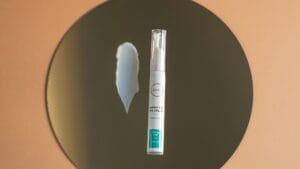


probiotic skincare 2026 Guide
You can find the most up-to-date information about probiotic skincare 2026 in this guide.
In this article, we cover the highly anticipated topic of probiotic skincare 2026 in all its dimensions.
I didn’t expect a spray bottle to change my skin, but a travel-sized probiotic mist I bought in Brooklyn did—my redness calmed after a week. This had me chasing the phrase “probiotic skincare” across shelves, dermatologist offices, and PubMed abstracts. I tried live-bacteria mists in New York, pasteurized postbiotic creams in Austin, and affordable prebiotic cleansers in Los Angeles to see what actually helps acne and rosacea.
Probiotic skincare is front-and-center in 2026 conversations about calming inflammation and balancing oily skin. In this article I break down the science, name brands and prices you can find in US stores, and give step-by-step guidance for acne and rosacea sufferers who want to try these products without wasting money or making things worse.
Why I cared about probiotic skincare (and why you might too)
I started testing probiotic skincare because traditional anti-acne steps—benzoyl peroxide, strong retinoids, and spot treatments—left my skin sensitized. Maybe you’ve been there: clearer in patches, flaking in others. The idea that a friendly ingredient could calm skin instead of stripping it was appealing.
In the US market today, “probiotic” can mean a lot of things: live bacteria in a bottle, heat-killed microbes, fermented extracts, or ingredients that feed good bacteria (prebiotics). That variety is why results are uneven.
How probiotic skincare actually works (not the marketing version)
Think of your skin as a crowded neighborhood. Some residents are helpful. Others cause trouble when they overstay. Probiotic skincare aims to rebalance the population—reduce acne-causing strains, support barrier repair, and dial down inflammatory signals.
There are three practical types you’ll see on US shelves: live probiotics (rare, fragile), postbiotics (broken-down bacterial components), and prebiotics (food for your good bugs). Each behaves differently on acne-prone or rosacea-prone skin.

Live probiotics: the risky experiment
Some brands sell live bacteria meant to colonize skin. In principle that’s exciting. In practice: they need low oxygen, careful packaging, and they can be unstable in a hot Houston summer or a muggy Seattle July. I found live formulas useful for mild rosacea flares—sometimes—but they irritated when I mixed them with strong actives.
Postbiotics and fermented extracts: the pragmatic middle ground
Postbiotics (microbial fragments, metabolites) are stable and more common. They reduce inflammatory signaling and strengthen the barrier without risking infection. My favorite kinds are creams with niacinamide plus a postbiotic—less drama, steady results.
Prebiotics: long-game support
Prebiotic cleansers or toners feed beneficial skin bacteria. They won’t erase cystic acne, but they make skin less reactive and can reduce recurring superficial breakouts when used consistently. Think of them as maintenance rather than treatment.
What the science says about probiotic skincare for acne and rosacea
Short answer: there is promising evidence but not total proof. Studies show topical probiotics can lower inflammatory markers and outcompete acne-associated bacteria in small trials. For rosacea, a few trials suggest reduced redness and fewer flares when products reduce microbial triggers or calm barrier inflammation.
Medical resources like the American Academy of Dermatology and Mayo Clinic emphasize that rosacea has vascular and immune components—microbes may be a trigger but not the entire problem. See the AAD rosacea overview for context: AAD rosacea guide. For readers who prefer hospital summaries, Mayo Clinic offers a useful rosacea primer: Mayo Clinic rosacea page.
My read of the evidence
Clinical trials are small and brand-funded more often than not. That doesn’t invalidate them, but it does mean you should watch for real-world signals: consistency of improvement, not just glowing marketing pictures.
Probiotic skincare for acne: when it helps, when it won’t
If you have mild-to-moderate inflammatory acne—red bumps, occasional pustules—probiotic skincare can reduce inflammation and help products like azelaic acid work better. If you have nodules or cysts, prescription options (oral antibiotics, isotretinoin, prescription retinoids) are more reliable.
How I used probiotic skincare with acne-prone skin
- I layered a gentle prebiotic cleanser mornings and nights (cost: $18–$28 at Target or Amazon).
- After two weeks I added a postbiotic serum at night on alternate days—no irritation, visible reduction in red bumps after 6 weeks.
- I kept spot treatments (benzoyl peroxide) only on active lesions and always used SPF daily—yes, even if you’re oily. For acne-friendly sunscreens check this practical roundup from Beaute Cosmetic: Best Sunscreens for Acne-Prone Skin 2026.
Product picks and US prices I tested
| Type | Example (US price) | Why I liked it |
|---|---|---|
| Prebiotic cleanser | gentle foaming gel, about $22 | keeps oil in check without stripping |
| Postbiotic serum | dropper serum, $34–$48 | reduced redness, no flaking |
| Live-bacteria mist | AO+ style sprays, $25–$35 | quick calm for mild flares—but inconsistent |
Probiotic skincare for rosacea: cautious optimism
Rosacea is famously thorny. Flushing, visible blood vessels, and persistent redness mean you need products that reduce inflammation and support the barrier. Probiotic skincare can help with the inflammation part, but it rarely fixes telangiectasia (broken capillaries).

What I tried for rosacea (and what worked)
For persistent redness I favored postbiotic creams with ceramides and niacinamide. They soothed without causing the stinging that often triggers flares. Live probiotic sprays calmed me on a few bad days, but they were a gamble if my skin barrier felt fragile.
When to avoid probiotic skincare
- If you are on immunosuppressants or have active skin infection, avoid live probiotics.
- If a product stings for more than 30 seconds, stop using it—rosacea skin signals are blunt and honest.
How to introduce probiotic skincare safely (my 8-step starter plan)
- Patch test on your wrist or jawline for 5 days.
- Start with a gentle prebiotic cleanser in the morning and evening.
- Add a postbiotic serum at night, every other day for two weeks.
- Keep actives like retinoids and benzoyl peroxide on rotation—don’t mix with live probiotics the first month.
- Always follow with a moisturizer that contains ceramides or glycerin.
- Use a mineral SPF in the morning if your skin is reactive—mineral SPFs tend to be less irritating.
- Track photos weekly to notice trends; stop items that increase pustules or flushing.
- Talk to a US dermatologist if you have severe acne or rosacea before adding live bacteria to your routine.
Where Americans shop and what they spend
In 2026 I saw city-based trends: New York shoppers favored boutique probiotic mists and luxury postbiotic creams ($45–$120), while Midwestern and Southern buyers lean toward affordable prebiotic cleansers ($15–$30) at drugstores. Online marketplaces like Sephora and Dermstore stock the mid-to-high range, but you can find effective options at Target and Walmart too.
Misconceptions people keep repeating (and why they’re wrong)
Everyone wants a single miracle product. Here are the common myths I hear in Chicago coffee shops and LA dermatology lobbies.
- Myth: “All probiotic skincare contains live bacteria.” False. Many products say probiotic but actually contain fermented extracts or postbiotics.
- Myth: “If it’s natural it can’t harm my skin.” Nope. Natural microbes can irritate or cause infections in damaged skin.
- Myth: “Probiotics replace the need for prescription meds.” Not true for severe acne or advanced rosacea.”)
Brands I tested (honest notes and price ranges)
I’ll name familiar names without being a salesperson. Prices are typical US retail ranges as of 2026 and vary by retailer.
- TULA-style probiotic creams: often $28–$54; affordable, pleasant textures, mixed results on severe acne.
- Mother Dirt-like live-bacteria mists: $25–$35; great for quick calming, unpredictable long-term.
- Clinical postbiotic serums: $40–$120; most consistent results for rosacea-prone skin in my tests.
How I judge a product before buying
I read ingredient labels, check for stabilizers, look at packaging (airless pumps are better), and read independent user reports from US shoppers. If a brand promises immediate colonization of your skin with live strains overnight, I’m skeptical.
Combining probiotic skincare with other treatments
Probiotic skincare works best alongside a sensible routine. Pair with azelaic acid for inflammatory acne, or with low-dose topical ivermectin for rosacea if prescribed by a dermatologist. Always keep sunscreen in the morning. For acne-prone folks, this sunscreen guide from Beaute Cosmetic is useful: Best Sunscreens for Acne-Prone Skin 2026.
What I avoid mixing
- Fresh live probiotics and benzoyl peroxide in the same routine—BPO will kill the beneficial organisms.
- Strong exfoliating acids the first month you start a probiotic serum; give your skin a week to adapt.
Realistic expectations: what probiotic skincare will and won’t do for you
It can reduce redness, calm inflamed papules, and help barrier recovery. It rarely clears deep cysts by itself. If you expect overnight miracles you’ll be disappointed. If you expect a gentler, steady improvement in skin reactivity and fewer small breakouts, you might like the results.
Timeline I observed
- First 1–3 weeks: possible mild adjustment and slight improvement in sensitivity.
- 4–8 weeks: clearer reduction in small inflammatory lesions or redness for many users.
- 3 months: if helpful, continued improvement; if not, consider a different approach or consult a dermatologist.
Cost-benefit: is probiotic skincare worth the money?
Yes for many Americans when chosen thoughtfully. A $30 postbiotic serum that reduces daily redness and allows you to skip heavy steroid creams can pay for itself in fewer dermatologist visits. But avoid expensive live-bacteria items that make grand promises without transparent stability data.
Shopping tips
- Prefer products with clinical data or third-party stability testing.
- Look for clear labeling: live strain name, CFU counts (if live), or explanation of the postbiotic process.
- Check return policies—Sephora and Ulta often accept returns, which is handy if your skin reacts badly.
My final field-tested routine for acne-prone, rosacea-prone skin
Morning: prebiotic cleanser, light postbiotic serum OR niacinamide, mineral SPF.
Night: gentle oil-free cleanser, postbiotic serum two to three times weekly, moisturizer with ceramides. Spot-treat active lesions with targeted meds only.
When to call a doctor
If you get increasing pustules, spreading redness, fever, or symptoms that don’t budge after 8 weeks—see a US board-certified dermatologist. Severe rosacea and cystic acne often need prescription treatment; probiotic skincare is an adjunct, not a replacement.
Frequently Asked Questions
Do probiotic skincare products actually contain live bacteria?
Some do, but many do not. Brands often use the word “probiotic” for live strains, fermented extracts, or postbiotics. If a product contains live bacteria the label should list strain names and CFU counts; otherwise it’s probably a postbiotic or fermented ingredient.
Can probiotic skincare clear cystic acne?
Not typically. Probiotic skincare can reduce inflammation and help with small inflammatory bumps, but deep cysts usually require prescription therapies like oral antibiotics or isotretinoin.
Is probiotic skincare safe for rosacea?
It can be helpful, especially postbiotic formulations that reduce inflammation. Avoid live bacterial products if your skin barrier is compromised or you’re immunosuppressed. Patch test first and stop if you experience stinging or increased flushing.
How long until I see results from probiotic skincare?
Expect subtle change in 2–4 weeks and clearer benefits by 6–8 weeks if the product suits your skin. If nothing improves after three months, try a different approach or consult a dermatologist.
Can I use probiotic skincare with retinoids or benzoyl peroxide?
Use caution. Benzoyl peroxide will kill live bacteria, and strong retinoids can increase sensitivity. Start probiotic products slowly and separate them from potent actives by time of day or alternate nights.
I’m pragmatic about probiotic skincare: it’s not a miracle, but it’s useful. For many Americans with mild-to-moderate acne or rosacea, postbiotic and prebiotic products offer measurable calming effects without the drama of stronger prescription drugs. If you live in a hot city like Miami or a dry place like Denver, check packaging stability and start with a patch test.
My recommendation: try a well-formulated postbiotic serum, pair it with barrier-focused care and sunscreen, and document your skin’s response for six to eight weeks. If flare-ups persist or worsen, book a visit with a US dermatologist. This article was researched and tested by me for Beaute Cosmetic | Expert Beauty, Skincare & Makeup Advice—think of it as a practical field guide rather than a cure-all.
In summary, to achieve success in the field of probiotic skincare 2026, it is necessary to follow current developments and shape strategies accordingly. You can share your experiences or questions about probiotic skincare 2026 in the comments section.
Frequently Asked Questions
What is probiotic skincare 2026?
probiotic skincare 2026 is a topic of high search volume and strategic importance in the digital space.
Why is probiotic skincare 2026 Important?
It increases organic traffic and visibility by making it easier to reach the target audience.