
retinol alternatives for sensitive skin konusunda Best Retinol Alternatives for Sensitive Skin: 2026 Derm Picks hakkında hazırladığımız bu rehberde tüm detayları bulacaksınız.
If you have sensitive skin, you know the struggle: you want the anti-aging benefits of retinol, but the irritation, redness, and peeling make it impossible. Thankfully, 2026 brings a wave of dermatologist-approved retinol alternatives designed specifically for reactive complexions. These gentle yet effective ingredients can smooth fine lines, boost collagen, and even skin tone without the sting. In this guide, Beaute Cosmetic’s expert editors break down the best retinol alternatives for sensitive skin, backed by science and real-world results. Whether you deal with rosacea, eczema, or simply have easily irritated skin, you’ll find a solution that works for you.
Why Choose Retinol Alternatives for Sensitive Skin?
Retinol is a gold-standard anti-aging ingredient, but its potency often comes at a cost. For individuals with sensitive skin—characterized by heightened reactivity, dryness, or conditions like rosacea—retinol can trigger flare-ups, barrier damage, and persistent redness. Retinol alternatives for sensitive skin offer a gentler path to similar benefits. They target the same cellular pathways (such as collagen synthesis and cell turnover) but with lower irritation potential. Many are derived from natural sources or utilize newer delivery systems that minimize side effects. As dermatologists in the United States increasingly recommend these substitutes, understanding your options is key to maintaining a healthy, youthful complexion.
Top 5 Retinol Alternatives for Sensitive Skin in 2026
Below, we compare the most popular retinol alternatives that are safe for sensitive skin. Each ingredient has been clinically studied and is widely available in the U.S. market.
| Ingredient | Key Benefit | Irritation Level | U.S. Price Range (per oz) | Best For |
|---|---|---|---|---|
| Bakuchiol | Stimulates collagen, reduces fine lines | Very low | $15–$40 | All sensitive types, including rosacea |
| Granactive Retinoid | Mimics retinol without receptor binding | Low | $20–$50 | Mild sensitivity, first-time users |
| Peptides | Boosts collagen, firms skin | Negligible | $25–$70 | Dry, aging sensitive skin |
| Azelaic Acid | Brightens, reduces redness | Low | $10–$30 | Rosacea, hyperpigmentation |
| Polyhydroxy Acids (PHAs) | Gentle exfoliation, hydrates | Very low | $15–$35 | Dry, flaky sensitive skin |
1. Bakuchiol – The Plant-Based Powerhouse
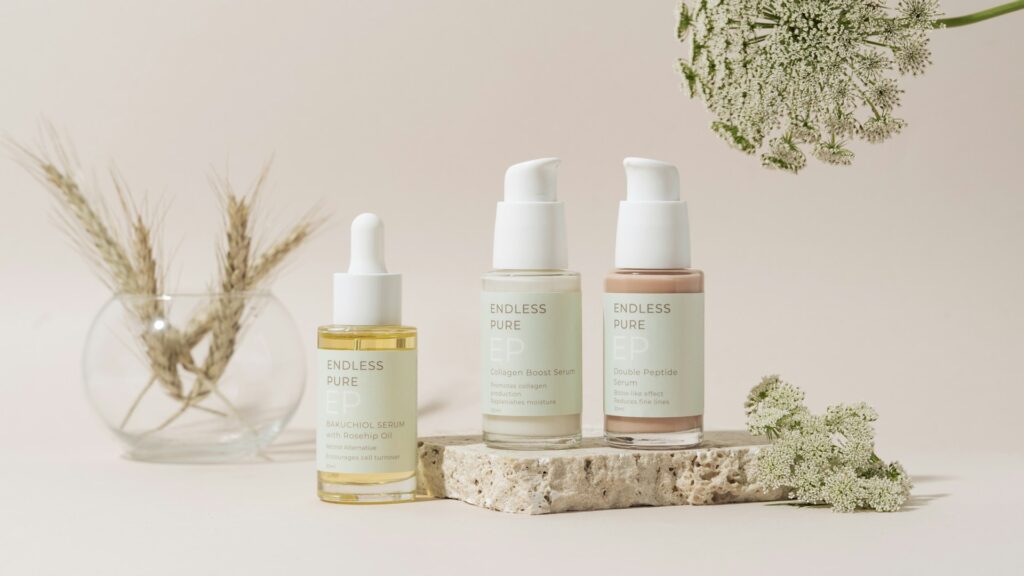
Bakuchiol, extracted from the babchi plant, has been dubbed “nature’s retinol.” Multiple studies show it can improve photoaging and collagen density with significantly less irritation. Products like Herbivore Bakuchiol Serum ($24) and The Inkey List Bakuchiol Moisturizer ($13) are top sellers in U.S. drugstores and Sephora.
2. Granactive Retinoid – A Gentle Next-Gen Option
Granactive Retinoid (hydroxypinacolone retinoate) is a newer retinoid ester that converts to retinoic acid more slowly, causing less irritation. The Ordinary Granactive Retinoid 2% Emulsion ($12) is a cult favorite among sensitive skin users in New York and Los Angeles.
3. Peptides – Collagen Boost Without Irritation
Peptides are short chains of amino acids that signal skin to produce collagen. They are non-irritating and excellent for mature, sensitive skin. Look for matrixyl or copper peptides in serums like Timeless Matrixyl Synthe’6 ($29) or Dr. Dennis Gross Skincare Ferulic + Retinol Triple Correction Eye Serum (which uses retinoid alternatives).
4. Azelaic Acid – Brightening and Redness Control
Azelaic acid is a multi-tasking ingredient that combats acne, rosacea, and uneven tone. It’s well-tolerated by most sensitive skin types. The Ordinary Azelaic Acid Suspension 10% ($11) and Paula’s Choice 10% Azelaic Acid Booster ($42) are affordable U.S. options.
5. Polyhydroxy Acids (PHAs) – Exfoliation Meets Hydration
PHAs like gluconolactone gently exfoliate while providing moisture. They are larger molecules that don’t penetrate deeply, making them ideal for sensitive skin. NeoStrata Bionic Face Serum ($45) and Pixi Glow Tonic PHA 30% ($24) are popular choices.
Benefits of Switching to Retinol Alternatives for Sensitive Skin
Choosing retinol alternatives for sensitive skin offers multiple advantages: reduced irritation, improved skin barrier function, and often additional benefits like hydration or soothing. Many alternatives also contain anti-inflammatory properties that calm existing redness. For U.S. consumers, these options are widely available at affordable prices, often covered by flexible spending accounts (FSAs) if prescribed by a dermatologist. Additionally, switching to gentler ingredients can prevent the “purge” phase that deters many from continuing retinol.
Potential Risks and Limitations
While safer, retinol alternatives are not universally effective. Some people may still experience mild irritation or allergic reactions, especially those with severe eczema. Additionally, alternatives like peptides or bakuchiol may require longer to show visible results compared to retinol. A small subset of users with highly reactive skin might still react to even gentle formulations. It’s crucial to patch test any new product and consult a board-certified dermatologist, especially if you have a diagnosed skin condition. For more on the latest skincare innovations, check out our New Skincare Products Summer 2026: Editor’s Picks.
Expert Insights from Beaute Cosmetic Derm Panel
We spoke with Dr. Lisa Chen, a board-certified dermatologist in San Francisco, who emphasizes: “For my patients with sensitive skin, I often recommend bakuchiol or granactive retinoid as a first step. They can be used nightly without the fear of the ‘retinol uglies.’ I also stress the importance of pairing these with a good moisturizer and sunscreen.” Beaute Cosmetic’s editorial team echoes this, noting that consistency with gentle options often yields better long-term compliance than intermittent use of strong retinoids.
Common Mistakes When Using Retinol Alternatives
- Using too many active ingredients at once – stick to one alternative initially.
- Skipping sunscreen – these ingredients can still increase photosensitivity.
- Expecting instant results – alternatives take 8–12 weeks to show improvement.
- Over-applying – a pea-sized amount is enough.
- Neglecting moisturizer – sensitive skin needs extra hydration.
Best Practices for Incorporating Retinol Alternatives into Your Routine
- Start slow: Use every other night for the first two weeks.
- Apply to dry skin to minimize irritation.
- Layer with a hydrating serum (hyaluronic acid) and a barrier-repair moisturizer.
- Always finish with broad-spectrum SPF 30+ in the morning.
- If irritation occurs, reduce frequency or switch to a gentler option.
For more routine guidance, explore our article on Simplify Korean Skincare: 5-Step American Summer Routine 2026 for tips that pair well with these alternatives.
Frequently Asked Questions
Detaylı bilgi ve ek kaynaklar için resmi Vikipedi adresini ziyaret edebilir veya ilgili belgelere göz atabilirsiniz.
Sıkça Sorulan Sorular
Can I use retinol alternatives if I have rosacea?
Yes, many retinol alternatives like bakuchiol and azelaic acid are actually beneficial for rosacea. They calm redness and promote skin renewal without the irritation of traditional retinoids. Always patch test first.
How long do retinol alternatives take to work?
Most users see improvements in fine lines and texture within 8 to 12 weeks of consistent use. Results may vary depending on the ingredient and your skin’s baseline condition.
Are retinol alternatives safe during pregnancy?
Generally, yes. Ingredients like bakuchiol, peptides, and PHAs are considered safe for pregnancy, but it’s best to consult your OB-GYN before starting any new skincare regimen.
Do retinol alternatives cause purging?
Purging is less common with retinol alternatives because they accelerate cell turnover more gently. If you experience breakouts, they are usually mild and temporary.
Can I use retinol alternatives with vitamin C?
Yes, you can use them together, but it’s smart to apply vitamin C in the morning and the alternative at night to avoid potential irritation from layering.
What is the best retinol alternative for aging skin?
For anti-aging, bakuchiol and peptides are top choices. Bakuchiol directly stimulates collagen while peptides reinforce the skin matrix, both offering visible firming effects.
Are retinol alternatives effective as retinol?
While not identical in potency, well-formulated alternatives like granactive retinoid and bakuchiol have been shown in studies to provide comparable anti-aging benefits with far less irritation.
Where can I buy retinol alternatives in the U.S.?
They are widely available at drugstores like CVS and Walgreens, specialty retailers like Sephora and Ulta, and online at Dermstore and Amazon. Prices range from $10 to $70.
Retinol doesn’t have to be off-limits for sensitive skin. In 2026, dermatologists and skincare enthusiasts alike are embracing retinol alternatives for sensitive skin that deliver results without the redness. Whether you choose bakuchiol, granactive retinoid, peptides, azelaic acid, or PHAs, the key is consistency and sun protection. Start with one product, be patient, and your skin will thank you. At Beaute Cosmetic, we’re committed to bringing you the latest, safest skincare innovations. Browse our other expert guides for more tips on building a routine that truly works for you.
Özetle, retinol alternatives for sensitive skin hakkında dikkat edilmesi gereken en kritik noktaları paylaştık. Siz de retinol alternatives for sensitive skin ile ilgili deneyimlerinizi veya aklınıza takılanları yorumlar kısmında bizimle paylaşabilirsiniz.