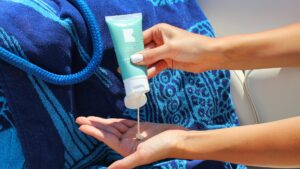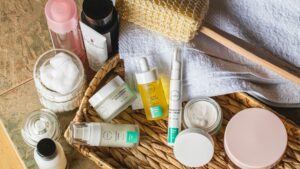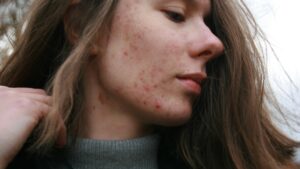
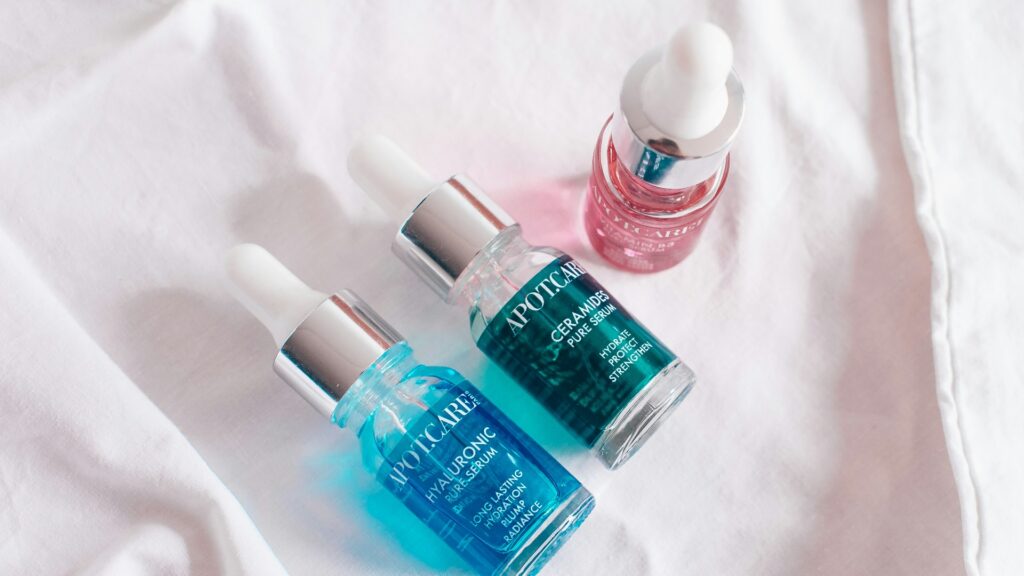

If you have sensitive skin, the quest for effective anti-aging ingredients can feel like a minefield. Enter retinol vs bakuchiol—a skincare showdown that has taken 2026 by storm. Retinol, the gold-standard vitamin A derivative, promises dramatic results but often brings redness and peeling. Meanwhile, bakuchiol, a plant-based alternative from the babchi plant, offers similar benefits with a gentler touch. For those with reactive complexions, the choice isn’t just about efficacy—it’s about tolerance. In this comprehensive guide, Beaute Cosmetic breaks down the science, benefits, risks, and real-world results to help you decide which ingredient deserves a spot in your routine.
What Is Retinol and How Does It Work?
Retinol is a form of vitamin A that accelerates cell turnover and boosts collagen production. It works by binding to retinoic acid receptors in the skin, signaling cells to behave like younger, healthier cells. This process reduces fine lines, improves texture, and fades hyperpigmentation. However, for sensitive skin, this mechanism often triggers what dermatologists call the ‘retinoid reaction’—a period of dryness, peeling, and irritation that can last weeks. Over-the-counter retinol concentrations range from 0.01% to 1%, with higher strengths reserved for experienced users. In the US, brands like Neutrogena, Olay, and RoC offer popular retinol serums, while newer indie brands focus on encapsulated delivery systems to reduce irritation.
What Is Bakuchiol? The Natural Contender
Bakuchiol is a meroterpene compound extracted from the seeds of the Psoralea corylifolia plant, used in Ayurvedic medicine for centuries. It has gained traction as a ‘natural retinol alternative’ because it activates similar gene pathways in the skin—specifically those related to collagen synthesis and cell turnover—without binding to retinoic acid receptors. This difference may explain its lower irritation potential. In 2026, bakuchiol is featured in serums, moisturizers, and even sunscreens. US favorites include products from The Ordinary, Herbivore, and Biossance. Because bakuchiol is oil-soluble and stable, it pairs well with other active ingredients like vitamin C and niacinamide.
Retinol vs Bakuchiol: Head-to-Head Comparison
Efficacy for Anti-Aging
Multiple studies show bakuchiol matches retinol’s ability to improve fine lines and firmness. A landmark 2019 study in the British Journal of Dermatology compared 0.5% bakuchiol to 0.5% retinol over 12 weeks and found no significant difference in wrinkle reduction or photoaging improvement. However, participants using bakuchiol reported less scaling and stinging. For sensitive skin, this means you can achieve comparable results with less downtime. Retinol still holds an edge for deep wrinkles and acne treatment due to its direct action on oil glands and cell turnover.
Irritation and Tolerability
This is bakuchiol’s strongest suit. In trials, bakuchiol users experienced significantly lower rates of erythema, dryness, and peeling. Retinol, especially at concentrations above 0.3%, often requires a gradual introduction and careful moisturizing. Bakuchiol can be used morning and night, even on sensitive skin, without the need for a slow ramp-up. That said, some individuals with ultra-reactive skin may still react to bakuchiol, but reports are rare.
Pregnancy and Breastfeeding Safety
Retinol and other vitamin A derivatives are contraindicated during pregnancy due to the risk of birth defects. Bakuchiol is considered a safe alternative, though large-scale human studies are lacking. Most dermatologists deem it low-risk and often recommend it for pregnant or nursing women. Always consult your OB-GYN before starting any new skincare ingredient during pregnancy.
| Criteria | Retinol | Bakuchiol |
|---|---|---|
| Anti-aging efficacy | Proven, strong for deep wrinkles | Comparable, excellent for fine lines |
| Irritation potential | High (especially first few weeks) | Low |
| Best for skin type | Normal, oily, acne-prone | Sensitive, dry, reactive |
| Sun sensitivity | Increases sensitivity (requires SPF) | Mildly photosensitizing (SPF still needed) |
| Pregnancy safe | No | Yes (derm-recommended) |
| Stability | Moderate (oxidizes easily) | Good (stable in formulations) |
| Typical concentration | 0.01%–1% | 0.5%–2% |
Benefits of Bakuchiol for Sensitive Skin
Bakuchiol offers anti-inflammatory, antioxidant, and antimicrobial properties, making it a multitasker. It can soothe redness while promoting collagen production. Many users find it fades dark spots and acne scars without the sting. Because it doesn’t compromise the skin barrier as much as retinol, it pairs beautifully with hydrating ingredients like hyaluronic acid and ceramides. For those who cannot tolerate retinol at all, bakuchiol is a game-changer. For a deeper dive into specific products, check out our comparison of bakuchiol vs granactive retinoid in our earlier guide.
Risks and Limitations of Retinol on Sensitive Skin
The main risk of retinol is the retinoid reaction: redness, peeling, and breakouts during the adjustment phase. Even with ‘buffering’ or ‘sandwiching’ methods, some sensitive skin types never fully adapt. Prolonged use without adequate hydration can lead to dermatitis or exacerbation of rosacea. Retinol also increases sun sensitivity, so diligent SPF use is non-negotiable. For these reasons, many dermatologists recommend starting with a low-strength retinoid or switching to a gentler alternative like bakuchiol if irritation persists.
Common Mistakes When Using Retinol or Bakuchiol
Starting Too Strong
Jumping to a high concentration (e.g., 1% retinol) on day one is a recipe for disaster. Begin with 0.01%–0.03% retinol or 0.5% bakuchiol and use it every third night, then gradually increase frequency.
Skipping SPF
Both ingredients increase photosensitivity. Without broad-spectrum SPF 30+, you risk UV damage that negates anti-aging benefits. The American Academy of Dermatology emphasizes daily sunscreen use for all retinoid users.
Mixing Incompatible Actives
Avoid using retinol with AHAs/BHAs or high-concentration vitamin C in the same routine. Bakuchiol is more forgiving but still can conflict with potent exfoliants. Use active ingredients at separate times of day or on alternate days.
Expecting Overnight Results
Both ingredients require consistency over weeks. Bakuchiol may show subtle improvement in 4–6 weeks, retinol often takes 12 weeks for visible changes. Patience is key.
Best Practices for Incorporating Retinol or Bakuchiol
- Always patch test on your jawline before full-face application, especially for sensitive skin.
- Apply to clean, dry skin; wait 20–30 minutes after washing to reduce irritation (the ‘wait rule’).
- Moisturize after applying: use a barrier-repair moisturizer with ceramides or niacinamide.
- Use only a pea-sized amount for the entire face and neck.
- If using retinol, start with a sandwich method: moisturizer → retinol → moisturizer.
- For bakuchiol, you can use it twice daily if tolerated, but once is sufficient.

Expert Insight: Editorial Perspective from Beaute Cosmetic
As a skincare journalist, I’ve observed that the ‘retinol vs bakuchiol’ debate often misses the middle ground. There’s no universal winner—it’s about individual skin tolerance and goals. For sensitive skin, I recommend starting with bakuchiol to build collagen and then, if desired, gradually introducing a low-strength retinol once the skin barrier is resilient. Many of my colleagues now prescribe ‘rotating’ the two: using retinol two nights a week and bakuchiol the rest, to maximize benefits without irritation. Always consult a dermatologist if you have rosacea, eczema, or a history of reactions. The future of anti-aging is not about choosing one ingredient but using them strategically.
Frequently Asked Questions about Retinol vs Bakuchiol
Can I use retinol and bakuchiol together?
Yes, but careful layering is essential. Use bakuchiol in the morning and retinol at night, or alternate nights. Start with lower concentrations to gauge tolerance. Some brands now combine both in one formula, but proceed with caution if you have sensitive skin.
Is bakuchiol as effective as retinol for acne?
Bakuchiol has antibacterial and anti-inflammatory properties that help mild acne, but retinol is more potent for comedonal and inflammatory acne. For persistent acne, retinol or prescription retinoids are usually more effective.
How long does it take to see results from bakuchiol?
Most users notice improved texture and reduced fine lines within 4–6 weeks. Anti-aging benefits continue to build over 12 weeks. Bakuchiol works slower than retinol but with less irritation.
Can bakuchiol be used around the eyes?
Yes, bakuchiol is gentle enough for the delicate eye area and can help with crow’s feet. Retinol should be avoided near the eyes unless specifically formulated for that area.
Does bakuchiol cause purging?
Purging (temporary worsening of acne) is rare with bakuchiol, unlike retinol. If breakouts occur, they are usually mild and resolve quickly. Most sensitive skin users do not experience purging.
What percentage of bakuchiol is best for sensitive skin?
A concentration of 0.5%–1% is ideal for beginners. Higher percentages (up to 2%) are available but may cause slight stinging in very reactive skin. Start lower and increase as needed.
Can I use bakuchiol during the day?
Absolutely. Unlike retinol, bakuchiol is not photolabile and can be used in morning routines. Always follow with sunscreen, as bakuchiol may still increase photosensitivity slightly.
Are there any drug interactions with retinol or bakuchiol?
Retinol can interact with other vitamin A medications (e.g., isotretinoin) and certain antibiotics. Bakuchiol has no known drug interactions, but always consult a healthcare provider if you are on prescription medications.
Detaylı bilgi ve ek kaynaklar için resmi Vikipedi adresini ziyaret edebilir veya ilgili belgelere göz atabilirsiniz.
Sıkça Sorulan Sorular
Can I use retinol and bakuchiol together?
Yes, but careful layering is essential. Use bakuchiol in the morning and retinol at night, or alternate nights. Start with lower concentrations to gauge tolerance. Some brands now combine both in one formula, but proceed with caution if you have sensitive skin.
Is bakuchiol as effective as retinol for acne?
Bakuchiol has antibacterial and anti-inflammatory properties that help mild acne, but retinol is more potent for comedonal and inflammatory acne. For persistent acne, retinol or prescription retinoids are usually more effective.
How long does it take to see results from bakuchiol?
Most users notice improved texture and reduced fine lines within 4–6 weeks. Anti-aging benefits continue to build over 12 weeks. Bakuchiol works slower than retinol but with less irritation.
Can bakuchiol be used around the eyes?
Yes, bakuchiol is gentle enough for the delicate eye area and can help with crow’s feet. Retinol should be avoided near the eyes unless specifically formulated for that area.
Does bakuchiol cause purging?
Purging (temporary worsening of acne) is rare with bakuchiol, unlike retinol. If breakouts occur, they are usually mild and resolve quickly. Most sensitive skin users do not experience purging.
What percentage of bakuchiol is best for sensitive skin?
A concentration of 0.5%–1% is ideal for beginners. Higher percentages (up to 2%) are available but may cause slight stinging in very reactive skin. Start lower and increase as needed.
Can I use bakuchiol during the day?
Absolutely. Unlike retinol, bakuchiol is not photolabile and can be used in morning routines. Always follow with sunscreen, as bakuchiol may still increase photosensitivity slightly.
Are there any drug interactions with retinol or bakuchiol?
Retinol can interact with other vitamin A medications (e.g., isotretinoin) and certain antibiotics. Bakuchiol has no known drug interactions, but always consult a healthcare provider if you are on prescription medications.
Choosing between retinol and bakuchiol for sensitive skin doesn’t have to be a battle. Both ingredients offer legitimate anti-aging benefits, but your skin’s tolerance should guide the decision. For those who react to retinol, bakuchiol is a proven, gentle alternative that delivers comparable results without the redness and peeling. If your skin can handle low-strength retinol, combining both—using retinol sparingly and bakuchiol daily—might be the ultimate strategy. At Beaute Cosmetic, we believe in personalized skincare. Start with a patch test, listen to your skin, and consult a dermatologist for tailored advice. Ready to find your perfect anti-aging partner? Explore our product reviews and routines to build your 2026 skincare arsenal.
- Retinol vs bakuchiol ile ilgili son gelişmeler, kullanıcı deneyimlerini olumlu yönde etkilemektedir.
- Uzmanlar, retinol vs bakuchiol kullanımında bu rehberde belirtilen adımların takip edilmesini önermektedir.
- Gelecek güncellemelerle birlikte retinol vs bakuchiol alanındaki yeniliklerin daha da genişlemesi bekleniyor.