
The battle of retinol vs retinal is heating up in 2026 as more Americans seek potent yet gentle anti-aging ingredients. Both are vitamin A derivatives that boost collagen and smooth fine lines, but they work differently on the skin. Retinol, a long-standing favorite, requires conversion to retinoic acid, while retinal (retinaldehyde) is one step closer — meaning faster results with potentially less irritation. For beauty enthusiasts in New York, Los Angeles, and across the US, choosing between these two can feel overwhelming. In this guide, Beaute Cosmetic breaks down the science, benefits, drawbacks, and top product picks for 2026. Whether you have sensitive skin or want maximum anti-aging power, we’ll help you decide which ingredient wins your routine.
Retinol vs Retinal: The Key Differences You Need to Know
Retinol and retinal are both retinoids, but they differ in potency and speed. Retinol is a weaker form that converts to retinoic acid in two steps, making it slower but gentle. Retinal converts in just one step, delivering faster results. For users in cities like Chicago or Miami, retinal offers quicker visible improvement in texture and fine lines, but retinol remains popular for its tolerability. Dermatologists often recommend retinol for beginners and retinal for those who want faster anti-aging effects without a prescription.
How Retinol Works for Anti-Aging
Retinol stimulates collagen production, accelerates cell turnover, and reduces the appearance of wrinkles and hyperpigmentation. It’s widely available in over-the-counter serums and creams across the US at prices from $15 to $150. Brands like Neutrogena and RoC are household names. Because retinol is less potent, it’s ideal for those new to retinoids or with sensitive skin. However, it can still cause dryness, redness, and peeling — especially during the first few weeks. To minimize irritation, start with a low concentration (0.25% to 0.5%) and apply every other night.
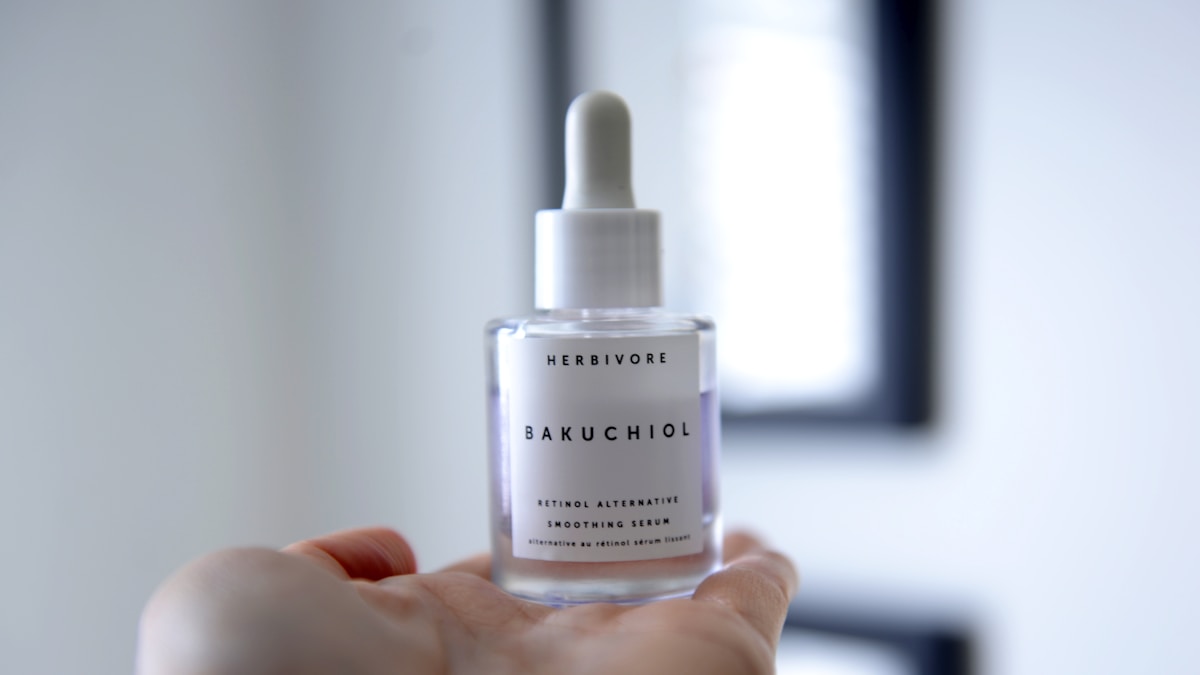
For a deeper dive into natural alternatives, check out our comparison of bakuchiol vs retinol for a plant-based option with less irritation.
The Power of Retinal: Faster Results in 2026
Retinal is considered the goldilocks retinoid — stronger than retinol but less irritating than prescription tretinoin. It works by binding directly to retinoid receptors in the skin, speeding up collagen synthesis. Many US dermatologists now recommend retinal for patients who want noticeable improvement in 8-12 weeks. Popular retinal products include Medik8 Crystal Retinal and Avène RetrinAL. In 2026, retinal is trending in the US for its ability to treat both aging and acne without the long wait. However, it may still cause irritation for very sensitive skin, so a gradual introduction is key.
Retinol vs Retinal: Comparison Table
| Feature | Retinol | Retinal |
|---|---|---|
| Conversion Steps | 2 steps to retinoic acid | 1 step to retinoic acid |
| Potency | Mild to moderate | Moderate to strong |
| Speed of Results | 12-24 weeks | 8-12 weeks |
| Irritation Risk | Lower | Higher |
| Best For | Beginners, sensitive skin | Experienced users, aging |
| Price Range (USD) | $10-$150 | $30-$200 |
Expert Insight: Which One Should You Choose?
According to Beaute Cosmetic’s editorial team, the choice between retinol and retinal depends on your skin goals and tolerance. For a 35-year-old in Dallas starting anti-aging, retinol is a safe bet. For someone in San Francisco who has used retinoids before and wants faster results, retinal is worth the upgrade. Always wear sunscreen (SPF 30+) when using any retinoid, as they increase sun sensitivity. Consult a board-certified dermatologist if you have rosacea or eczema.
Top Retinol Products for 2026
- Neutrogena Rapid Wrinkle Repair Retinol Oil — $22, widely available at Target and Walmart.
- RoC Retinol Correxion Deep Wrinkle Serum — $18, a drugstore classic.
- Differin Adapalene Gel — $15, originally acne-focused but also anti-aging (note: adapalene is a synthetic retinoid).
Top Retinal Products for 2026
- Medik8 Crystal Retinal 3 — $55, gentle enough for beginners.
- Avène RetrinAL 0.05 Cream — $68, formulated for sensitive skin.
- OSKIA Retinal Serum — $120, a luxury option with advanced delivery.
Common Mistakes to Avoid with Retinoids
Many users jump into high concentrations too quickly, causing irritation. Start low and go slow. Another mistake is applying retinoids around the eyes or on wet skin, which increases absorption and irritation. Always apply to dry skin. Also, avoid mixing with strong exfoliants like AHAs or benzoyl peroxide in the same routine. Finally, don’t stop using retinoids after seeing results — consistency is key.
Best Practices for Using Retinol or Retinal
- Start with a low concentration (0.25% for retinol, 0.05% for retinal) 2-3 times per week.
- Gradually increase to nightly use as tolerance builds.
- Apply after cleansing, wait 20 minutes for skin to dry, then apply a pea-sized amount.
- Follow with a moisturizer to buffer irritation.
- Use SPF 30 or higher daily, regardless of weather or indoor activity.
For those with sensitive skin, consider our guide to retinol alternatives for sensitive skin featuring bakuchiol and peptides.
Risks and Limitations
Both retinoids can cause retinoid reaction (redness, peeling). Pregnant or nursing women should avoid retinoids. Retinal in high concentrations may cause more irritation, especially for those with dry skin. Also, results take time — don’t expect overnight changes. In the US, some retinal products are pricier, but many are available at Sephora and Ulta Beauty.
Detaylı bilgi ve ek kaynaklar için resmi Vikipedi adresini ziyaret edebilir veya ilgili belgelere göz atabilirsiniz.
Sıkça Sorulan Sorular
Is retinal stronger than retinol?
Yes, retinal is stronger because it requires only one conversion step to retinoic acid, making it more potent and faster-acting than retinol.
Can I use retinol and retinal together?
No, using both together can over-irritate skin. Choose one based on your tolerance and goals. You can alternate if your skin is very resilient, but it’s not recommended.
Which is better for wrinkles: retinol or retinal?
Retinal may show faster results for wrinkles due to higher potency, but retinol is effective over time with less irritation. Both are excellent choices.
Can retinal be used for acne?
Yes, retinal is effective for acne as it speeds up cell turnover and unclogs pores. It is often recommended for acne-prone skin.
Do retinoids cause sun sensitivity?
Yes, all retinoids increase sun sensitivity. Always apply a broad-spectrum SPF 30+ daily and avoid excessive sun exposure.
How long does it take to see results from retinol?
Typically 12-24 weeks for noticeable improvement in fine lines and texture. Patience and consistency are key.
Are there natural alternatives to retinol?
Yes, bakuchiol is a natural alternative that provides similar benefits without irritation. Read our comparison of bakuchiol vs retinol for more details.
In the retinol vs retinal debate for 2026, both ingredients are winners — but for different people. Retinol remains the gentle entry point for anti-aging, while retinal offers a faster track to visible results. Your choice should match your skin type, experience, and patience. Americans from Seattle to Boston can find effective products across all price ranges at major retailers. Remember to always pair retinoids with sunscreen and moisturizer. At Beaute Cosmetic, we believe in informed choices. Ready to upgrade your routine? Explore our skincare guides and find your perfect match today.
- Retinol vs Retinal ile ilgili son gelişmeler, kullanıcı deneyimlerini olumlu yönde etkilemektedir.
- Uzmanlar, Retinol vs Retinal kullanımında bu rehberde belirtilen adımların takip edilmesini önermektedir.
- Gelecek güncellemelerle birlikte Retinol vs Retinal alanındaki yeniliklerin daha da genişlemesi bekleniyor.