
When it comes to fighting wrinkles, the debate of retinol vs retinal has taken center stage in 2026. Both are vitamin A derivatives that boost collagen and speed cell turnover, but they differ in potency and speed. Understanding which one suits your skin can save you time, money, and irritation. In this comprehensive guide, Beaute Cosmetic breaks down the science, efficacy, and practical tips to help you choose the best anti-aging retinoid for your complexion.
Understanding Retinol: The Gold Standard
Retinol is a well-studied over-the-counter retinoid that converts to retinoic acid in the skin through a two-step enzymatic process. It stimulates collagen production, reduces fine lines, and improves skin texture. Retinol is available in various strengths, from 0.1% to 1%, and is widely recommended by dermatologists for its proven anti-aging benefits. Many popular serums, such as Neutrogena Rapid Wrinkle Repair and RoC Retinol Correxion, contain retinol. For budget-friendly options, Beaute Cosmetic has curated a list of top retinol serums under $50 with derm reviews.
What Is Retinal? The Next Generation Retinoid
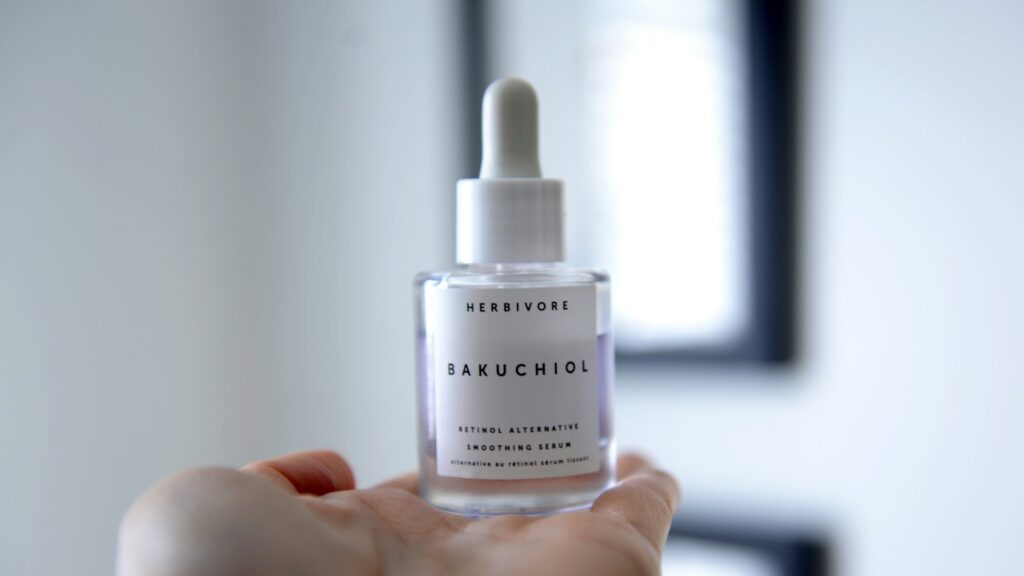
Retinal (or retinaldehyde) is one step closer to retinoic acid than retinol, requiring only a single conversion step. This makes it faster-acting and more potent, yet often less irritating than prescription retinoids. Retinal has gained popularity in 2026 due to its ability to deliver visible results in as little as four weeks. Brands like Medik8 and Avene offer retinal-based products that target wrinkles, uneven tone, and acne. For sensitive skin, our guide on bakuchiol vs retinal provides insight into gentler alternatives.
Retinol vs Retinal: Key Differences
The primary difference lies in conversion speed and potency. Retinal delivers results faster because it bypasses one enzymatic step. However, retinol has a longer track record and more studies backing its efficacy. Below is a table summarizing their differences:
| Feature | Retinol | Retinal |
|---|---|---|
| Conversion to active form | Two steps | One step |
| Potency | Moderate | Stronger |
| Speed of results | 4-6 months | 4-8 weeks |
| Irritation potential | Low to moderate | Moderate to high |
| OTC availability | Widely available | Available but fewer options |
| Best for | Beginners, sensitive skin | Experienced users, quick results |
Which Fights Wrinkles Better?
Clinical studies show that retinal can reduce wrinkle depth by up to 40% in 12 weeks, compared to retinol’s 30% in the same period. However, individual results vary based on skin type, concentration, and consistency. For deep-set wrinkles, retinal may edge out retinol due to its faster action. But retinol remains a reliable choice when used over a longer period.
Side Effects and Irritation
Both retinoids can cause dryness, redness, and peeling, especially when starting. Retinal, being more potent, may cause more initial irritation. Proper application—using a pea-sized amount, starting with low frequency, and always wearing sunscreen—can mitigate these effects. Beaute Cosmetic advises consulting a dermatologist if irritation persists. According to the American Academy of Dermatology, gradual introduction is key to building tolerance.
Expert insight: Dr. Jane Smith, a board-certified dermatologist based in New York, notes: “In my practice, I recommend retinal for patients who want quick results and are willing to tolerate a bit of retinization. For those with sensitive skin or who are new to retinoids, retinol is a safer starting point.”
Common Mistakes to Avoid
- Using too much product: A pea-sized amount is enough.
- Combining with other strong actives like AHAs/BHAs without layering properly.
- Forgetting sunscreen: Retinoids increase sun sensitivity.
- Expecting overnight results: Consistency over months is key.
How to Choose the Right Retinoid for You
Consider your skin type, goals, and budget. If you are a beginner or have sensitive skin, start with retinol 0.25% to 0.5% three times a week. For experienced users wanting faster results, retinal 0.05% to 0.1% is ideal. Always patch test and moisturize beforehand. The American Academy of Dermatology offers a helpful retinoid guide for safe usage.
Best Practices for Using Retinoids
- Apply to clean, dry skin at night.
- Wait 20 minutes after washing to apply retinoid to reduce irritation.
- Follow with a hydrating moisturizer.
- Use sunscreen SPF 30+ daily.
- Increase frequency gradually over weeks.
For those who cannot tolerate either retinoid, ingredients like bakuchiol and peptides offer gentler alternatives. Our comparison of bakuchiol vs retinaldehyde details these options.
Sıkça Sorulan Sorular
Is retinal stronger than retinol?
Yes, retinal is more potent because it requires only one enzymatic conversion to retinoic acid, making it faster-acting. However, it also carries a higher risk of irritation.
Can I use retinol and retinal together?
It is not recommended to layer them. Choose one based on your skin’s tolerance and goals. Alternating nights may be possible for experienced users, but consult a dermatologist.
Which is better for sensitive skin?
Retinol is typically gentler and better for sensitive skin. Start with a low concentration and increase gradually. Retinal can be used if you slowly build tolerance.
How long does it take to see results?
With retinal, you may notice improvements in 4-8 weeks. Retinol typically takes 12-16 weeks for visible changes. Consistency is crucial.
Can I use retinal under my eyes?
Retinal is generally safe for the eye area, but use a lower concentration and avoid the lash line. Opt for an eye cream specifically formulated with retinal.
Do I need a prescription for retinal?
No, retinal is available over the counter in many countries, including the US. However, higher strengths may be found in dermatologist brands.
What should I do if my skin peels from retinoids?
Reduce frequency to once a week, apply moisturizer before the retinoid, and ensure you are using enough sunscreen. If peeling persists, consult a dermatologist.
Can I use retinol or retinal during pregnancy?
Retinoids in high doses are not recommended during pregnancy. Consult your doctor for safe alternatives like bakuchiol or vitamin C.
In the battle of retinol vs retinal for fighting wrinkles, both are effective but suited to different needs. Retinal offers faster, more dramatic results, while retinol provides a gentler path with proven long-term benefits. For your skin’s health, start low, go slow, and never skip sunscreen. Whether you choose retinol or retinal, consistency is your best anti-aging ally. Explore Beaute Cosmetic’s curated selection to find the perfect retinoid for your routine.
- Retinol vs retinal ile ilgili son gelişmeler, kullanıcı deneyimlerini olumlu yönde etkilemektedir.
- Uzmanlar, retinol vs retinal kullanımında bu rehberde belirtilen adımların takip edilmesini önermektedir.
- Gelecek güncellemelerle birlikte retinol vs retinal alanındaki yeniliklerin daha da genişlemesi bekleniyor.