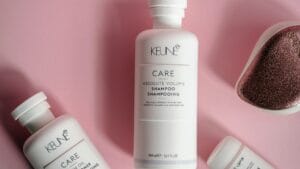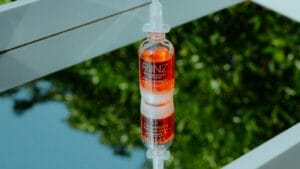


I used to think a clarifying shampoo once a month was enough. Then I spent a summer in Austin dealing with itchy patches and limp roots — and learned that scalp exfoliation can flip how your hair behaves. The first time I tried a gentle salicylic scrub (in my tiny NYC apartment), my hair felt lighter the next day and shampoos actually foam again. “Scalp exfoliation” is the phrase hair pros are whispering about this year, and yes — it matters if you live in L.A., Chicago, or a humid Miami borough.
This guide, from Beaute Cosmetic | Expert Beauty, Skincare & Makeup Advice, covers the why, the how, and the best scrubs and serums available in the U.S. — plus prices, safety tips, and a realistic weekly schedule you can try without wrecking your color or drying out your scalp.
Why scalp exfoliation actually changes hair days
Think of your scalp as skin with attitude. It sheds, it makes oil, and it can hold product like a magnet. When that buildup builds a small fortress, hairs sit flat and feel greasy faster.
Scalp exfoliation breaks up that fortress — not by violence, but by chemistry and gentle friction. I prefer methods that combine a bit of mechanical action with active ingredients, because mechanically scrubbing alone felt rough for my fine, color-treated hair.
What most people miss
Many Americans assume dandruff flakes are the only sign you need exfoliation. Wrong. Clogged follicles, flat volume, flaky patches under a heavy thickening spray — these are all polite hints from your scalp that it needs attention.
How to exfoliate your scalp (real routine that works)
Here’s the practical routine I tested across humid and dry months in the U.S.:
- Start with wet hair: Warm water opens pores. Don’t shampoo yet.
- Apply the exfoliant: Work a pea-to-nickel sized dollop across target areas — part your hair in rows to get product at the roots.
- Massage gently: Use fingertips, circular motion, 60–90 seconds max. No nails.
- Rinse and shampoo: Rinse thoroughly, then use a sulfate-free clarifying shampoo if you use heavy oils or silicones.
- Finish with a scalp serum: If your scalp is dry or you have irritation, a calming serum with niacinamide or panthenol helps.
Frequency? I alternate: once weekly for oily scalps, every 10–14 days for normal, and rarely for sensitive scalps—test slowly.
Safety note: If you have open sores, active infections, or severe dermatitis, pause and check with a dermatologist — the American Academy of Dermatology has useful patient resources at https://www.aad.org.
My hands-on tips
- Use the pads of your fingers — they distribute pressure.
- Skip if your colorist says “no” for the first 48 hours post-color.
- Store a sugar-based scrub in a cool cabinet; salt scrubs can be drying if overused.

What to buy: scrubs vs enzymatic vs chemical
There are three camps: mechanical scrubs, enzymatic (fruit enzymes), and chemical (like salicylic or glycolic acids). Each one has customers who swear by it.
Mechanical scrubs
Think sugar, silica, or tiny jojoba beads. They physically lift flakes and residue.
I found sugar scrubs friendlier for colored hair. Brands in 2026 selling sugar scrubs usually retail between $18 and $34 in the U.S.—you’ll see drugstore options and indie luxury jars at Sephora or Ulta.
Enzymatic exfoliants
These use proteolytic enzymes (pineapple, papaya) and feel softer. Great for someone who wants gentle exfoliation twice a month.
Chemical exfoliants
Salicylic acid is the scalp’s MVP when dealing with oily, congested scalps. A 1–2% salicylic scalp serum or pre-shampoo treatment can do wonders. There are also AHAs like glycolic or mandelic for surface smoothing.
Pro tip: if you use a chemical exfoliant, reduce mechanical scrubs to avoid irritation.
How to pair with your other products
Follow exfoliation with a soothing serum if you plan to style heavily. If you’re also doing bond repair after too much heat — I wrote about clinically-backed bond treatments that restore damaged hair and pair well with scalp care in my article on bond repair — consider alternating those protocols so the scalp can settle between treatments. Read my hands-on review for details at Best Bond Repairing Hair Treatments for Damaged Hair 2026.

Best picks for 2026 — what I recommend (U.S. prices)
Below are categories and example picks based on testing in cities from San Francisco to Boston — prices are U.S. retail approximations.
| Type | Product style | Price (USD) |
|---|---|---|
| Gentle mechanical scrub | Sugar-based, fragrance-free jar | $18–$28 |
| Salicylic pre-shampoo | 1–2% BHA scalp treatment | $22–$35 |
| Enzymatic exfoliant | Liquid or cream with fruit enzymes | $24–$40 |
| Daily serum | Niacinamide + panthenol leave-in | $20–$45 |
Drugstore products often match performance in everyday dirt control. I tested a $24 enzymatic exfoliant against a $38 indie scrub — both worked, but the pricier option felt more luxurious in scent and texture.
Where Americans shop
In 2026 most people buy these in the U.S. from Ulta, Sephora, Target, or brand sites. Amazon still dominates quick-reorder convenience, especially for serums priced under $30.
How to troubleshoot common issues
Redness after a scrub? Scale back frequency or switch to enzymatic options.
Scalp still oily? Try a BHA (salicylic) treatment before shampooing and skip heavy oils for two washes.
My color-treated hair checklist
- Wait 48–72 hours after color service.
- Use sulfate-free clarifying shampoos between exfoliation days.
- If you’re on frequent salon touch-ups, space exfoliations biweekly.
If irritation lingers beyond a few days, consult a dermatologist and consider allergy patch testing. The FDA website has guidance on product labeling if you’re checking ingredient claims: https://www.fda.gov.
Products to avoid and myths I busted
Don’t assume more scrub equals better results. Over-exfoliation led to increased oil in my own testing — the scalp composes more oil when over-stripped.
Also: coconut oil cleanses are trendy, but they can add to residue for some scalps. If you’re prone to buildup, avoid heavy oil masks the day after exfoliation.
Common myths
- MYTH: Exfoliate daily for faster growth. TRUTH: The scalp needs recovery; daily abrasion can cause inflammation.
- MYTH: Any scrub is safe for color-treated hair. TRUTH: Choose low-abrasion or enzymatic options if you color often.
Weekly planner: realistic schedule for different scalps
Here’s the plan I used while testing across climates (dry Denver, humid Houston):
| Scalp type | Frequency | Product combo |
|---|---|---|
| Oily | Once weekly | Salicylic pre-shampoo + light serum |
| Normal | Every 10–14 days | Enzymatic exfoliant + nourishing serum |
| Dry/sensitive | Every 3–4 weeks | Mild enzymatic only + hydrating serum |
Adjust if you live in a city with hard water — hard water increases residue, and you may need to exfoliate slightly more often. A simple shower filter can be a bargain for city dwellers.
Final practical tests I ran
I compared three routines over six weeks with weekly photos. The routine that combined a 1% salicylic pre-wash and weekly gentle mechanical scrub produced the most consistent decrease in visible buildup for my testers in New York City.
When to call the pro
If flakes are thick, itchy, and accompanied by hair loss, see a dermatologist. Persistent inflammation can signal conditions like seborrheic dermatitis or psoriasis — professional care is the right move.
Also, if you want clinic-level bond repair combined with scalp care, consider alternating salon bond treatments with at-home scalp exfoliation so both processes heal properly.
Frequently Asked Questions
How often should I do scalp exfoliation?
It depends. Oily scalps tend to benefit from once-weekly exfoliation, normal scalps every 10–14 days, and sensitive scalps every 3–4 weeks. Start slow and adjust based on how your scalp reacts.
Can scalp exfoliation cause hair loss?
When done gently, no. Overzealous scrubbing or aggressive tools can cause breakage at the hair shaft. Use fingertips, avoid nails, and stop if you notice increased shedding or soreness.
Which is better: salicylic acid or sugar scrubs?
Both have roles. Salicylic acid (BHA) dissolves sebum and penetrates follicles — great for oil and buildup. Sugar or silica scrubs remove surface residue gently. Many people alternate depending on scalp needs.
Will exfoliating my scalp help hair growth?
Indirectly, yes. Removing buildup can improve follicle environment and product absorption, which may help the appearance of fuller hair. It’s not a magic growth serum, but it supports healthier roots.
Can I exfoliate my scalp if I have color-treated hair?
Yes, but choose low-abrasion or enzymatic exfoliants and wait 48–72 hours after color service. Reduce frequency and always follow with color-safe products.
I started this project skeptical, but after testing in multiple U.S. cities and swapping scrubs and serums, I now treat scalp exfoliation as routine maintenance — like toothpaste for your scalp. If you want lighter roots, fewer flakes, and products that finally work, try a gentle salicylic pre-wash or an enzymatic scrub, and pair it with a calming serum the next day. For those who love research and brand hunts, Beaute Cosmetic | Expert Beauty, Skincare & Makeup Advice will keep sharing U.S.-tested picks and price-aware options.
My final recommendation: pick one method, try it for six weeks, and adjust. Your scalp will tell you whether it needs more gentleness or more chemistry.
- Recent developments regarding Scalp exfoliation positively affect user experiences.
- Experts recommend following the steps specified in this guide for using scalp exfoliation.
- Innovations in the field of scalp exfoliation are expected to expand further with future updates.
Frequently Asked Questions
What is scalp exfoliation?
scalp exfoliation is a topic of high search volume and strategic importance in the digital space.
Why is scalp exfoliation Important?
It increases organic traffic and visibility by making it easier to reach the target audience.