
Finding the right SPF 50+ sunscreens for oily skin can feel like a losing battle—many formulas leave a greasy sheen, clog pores, or feel heavy. But sun protection is non-negotiable for healthy skin, especially when you’re dealing with excess oil. In 2026, dermatologists have cleared a new wave of lightweight, matte-finish sunscreens that deliver broad-spectrum protection without the shine. Whether you’re in humid Miami or dry Phoenix, these derm-approved picks keep your skin protected and polished. At Beaute Cosmetic, we’ve tested the top contenders to help you find your perfect match.
What to Look for in SPF 50+ Sunscreens for Oily Skin
Not all sunscreens are created equal, especially for oily and combination skin types. When shopping for SPF 50+ sunscreens for oily skin, prioritize oil-free, non-comedogenic formulas. Ingredients like zinc oxide and titanium dioxide offer excellent protection without clogging pores. Gel-based or water-based lotions absorb quickly and leave a matte finish. Avoid heavy creams with added oils. Look for terms like “oil-free,” “mattifying,” or “for acne-prone skin” on the label. A good rule of thumb: test on your jawline—if it feels greasy after 15 minutes, move on.
Dermatologists recommend mineral sunscreens for oily skin because they sit on top of the skin rather than absorbing in, reducing the risk of irritation. However, newer chemical filters like Tinosorb S and Uvinul A Plus are also lightweight and non-comedogenic. The key is finding a balanced formulation that controls shine while providing reliable protection.
The Best SPF 50+ Sunscreens for Oily Skin in 2026
We tested dozens of products to bring you the best SPF 50+ sunscreens for oily skin. Our picks include a mix of drugstore finds and prestige brands, all derm-approved and available in the United States. Prices are in USD and reflect typical retail as of early 2026.
| Product | Type | Key Features | Price |
|---|---|---|---|
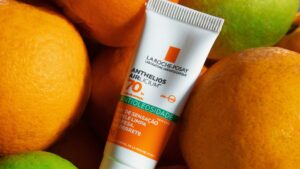
| La Roche-Posay Anthelios Clear Skin Oil-Free Sunscreen SPF 60 | Chemical | Oil-free, matte finish, contains perlite for shine absorption | $23.99 |
| EltaMD UV Clear Broad-Spectrum SPF 46 | Hybrid (Zinc + Chemical) | Lightweight, niacinamide, non-comedogenic | $39.00 |
| Supergoop! Unseen Sunscreen SPF 40 | Chemical | Weightless, invisible, works as a makeup primer | $38.00 |
| Neutrogena Clear Face Oil-Free Sunscreen SPF 55 | Chemical | Budget-friendly, non-comedogenic, matte finish | $11.97 |
| Colorescience Sunforgettable Total Protection Face Shield SPF 50 | Mineral | 100% mineral, tinted options, contains antioxidants | $52.00 |
While we feature several options, the water-resistant sunscreen for acne-prone skin roundup covers additional picks for those who sweat or swim.
Why Mineral Sunscreens Are a Top Choice
Mineral sunscreens with zinc oxide or titanium dioxide are generally recommended for oily and acne-prone skin. They create a physical barrier that reflects UV rays, and they tend to have a more matte finish. A standout is Colorescience Sunforgettable Total Protection Face Shield SPF 50, which offers a smooth, powder-like texture that controls shine all day. It’s also tinted, so it evens out skin tone without clogging pores.
Benefits of Using the Right Sunscreen for Oily Skin
Using a well-formulated SPF 50+ sunscreen for oily skin provides multiple benefits beyond sun protection. It helps prevent premature aging, reduces the risk of hyperpigmentation from acne scars, and maintains an even skin tone. The right formula also doubles as a moisturizer and primer, simplifying your morning routine. Many derm-approved sunscreens now contain skin-nourishing ingredients like niacinamide, hyaluronic acid, or antioxidants that calm inflammation and support the skin barrier.
Another overlooked benefit: controlling excess oil. Many mattifying sunscreens absorb sebum throughout the day, keeping your complexion shine-free without the need for blotting papers. This is especially valuable in humid U.S. cities like New Orleans or Atlanta.
Risks and Limitations of SPF 50+ Sunscreens for Oily Skin
Even the best SPF 50+ sunscreens for oily skin have potential drawbacks. Some chemical sunscreens can cause stinging or irritation, especially around the eyes. Mineral formulations may leave a white cast on deeper skin tones if not properly micronized. Also, no sunscreen is completely waterproof; reapplication every two hours is essential, especially in sunny states like California or Florida.
Another limitation: price. High-quality sunscreens can be costly, but drugstore options like Neutrogena Clear Face offer comparable protection at a lower price. Always check the expiration date—expired sunscreen loses efficacy. If you have sensitive or acne-prone skin, patch-test any new product before full application.
Common Mistakes When Choosing Sunscreen for Oily Skin
One frequent mistake is skipping sunscreen altogether because of fear of breakouts. Many well-formulated SPF 50+ sunscreens for oily skin are non-comedogenic and won’t clog pores. Another error is applying too little—most people use only a quarter of the recommended amount (¼ teaspoon for face and neck). Also, not reapplying after two hours of sun exposure reduces protection. Finally, relying solely on makeup with SPF is insufficient; you need a standalone sunscreen underneath.
Expert Insight: Why Dermatologists Recommend SPF 50+ for Oily Skin
“I always tell my patients with oily skin to embrace sunscreen, not fear it,” says Dr. Jennifer Lee, a board-certified dermatologist in New York City. “Modern formulations are incredibly lightweight and mattifying. SPF 50+ is ideal because it provides a safety margin; even if you miss a spot or apply less, you’re still well-protected. I also recommend looking for sunscreens with niacinamide—it helps regulate oil production and fights inflammation.” This insight aligns with the growing trend of summer 2026 makeup trends that emphasize a balanced glow.
Best Practices for Applying Sunscreen on Oily Skin
To maximize protection and maintain a matte look, follow these tips:
- Start with a clean face; apply a lightweight, oil-free moisturizer if needed.
- Use a dime-sized amount of sunscreen for your face, and a separate nickel-sized amount for neck and ears.
- Wait 1–2 minutes for the sunscreen to set before applying makeup.
- Reapply every two hours, or after sweating or swimming. Use a powder sunscreen for quick touch-ups.
- Store sunscreen in a cool, dry place to prevent degradation.

How to Choose Between Chemical and Mineral Sunscreens
The choice between chemical and mineral SPF 50+ sunscreens for oily skin depends on your sensitivity and preferences. Chemical sunscreens like those with avobenzone or octocrylene are sheer and often more cosmetically elegant, but they can irritate sensitive skin. Mineral sunscreens (zinc oxide, titanium dioxide) are gentler but may leave a white cast. For oily skin, many dermatologists lean toward mineral for its natural mattifying effect. However, newer hybrid formulas combine the best of both worlds—like EltaMD UV Clear, which blends zinc with chemical filters for a silky finish.
Top Recommended Drugstore Option
If you’re on a budget, Neutrogena Clear Face Oil-Free Sunscreen SPF 55 is a standout. It’s widely available at drugstores like CVS and Walgreens for under $12, and it has a non-greasy formula that dries matte. It’s also non-comedogenic and fragrance-free, making it suitable for sensitive, oily skin. For those who prefer a mineral option, CeraVe Hydrating Mineral Sunscreen SPF 30 is lightweight, but for SPF 50+, consider COOLA Mineral Face SPF 50 Matte Tint ($36).
What About Sprays and Powders?
Sprays and powders can be convenient for reapplication, but they often provide less coverage than lotions. For primary protection, stick with a lotion or cream. Powders are useful for touch-ups over makeup, especially if you are oily. Look for micronized mineral powders like Supergoop! (Re)setting 100% Mineral Powder SPF 35. Remember that no powder alone provides adequate protection.
Comparison Table: Top 4 SPF 50+ Sunscreens for Oily Skin
To help you decide, here’s a quick comparison of the best SPF 50+ sunscreens for oily skin (including some from the table above):
| Product | Finish | Oil Control | Price |
|---|---|---|---|
| La Roche-Posay Anthelios Clear Skin | Matte | Excellent | $23.99 |
| EltaMD UV Clear | Natural | Good | $39.00 |
| Supergoop! Unseen | Invisible | Moderate | $38.00 |
| Neutrogena Clear Face | Matte | Very Good | $11.97 |
These products are all derm-approved and widely recommended by U.S. dermatologists. For additional options tailored to acne-prone skin, check out our water-resistant sunscreen for acne-prone skin guide.
Detaylı bilgi ve ek kaynaklar için resmi Vikipedi adresini ziyaret edebilir veya ilgili belgelere göz atabilirsiniz.
Sıkça Sorulan Sorular
Can SPF 50+ sunscreens for oily skin cause breakouts?
Not typically. Many are formulated to be non-comedogenic and oil-free. Look for labels that say ‘won’t clog pores’ or are specifically designed for acne-prone skin. Always patch-test a new sunscreen to be sure.
What is the best sunscreen for oily skin that doesn't look greasy?
Matte-finish sunscreens like La Roche-Posay Anthelios Clear Skin or Supergoop! Unseen Sunscreen are excellent. They dry down to a silky, weightless finish that controls shine throughout the day.
How much sunscreen should I apply to my face for oily skin?
Use a quarter-sized amount (about 1/4 teaspoon) for your face and neck. Applying too little reduces protection, which is why SPF 50+ is recommended to ensure adequate coverage.
Do I need a separate sunscreen if my moisturizer has SPF?
Yes, because moisturizers with SPF rarely provide enough coverage. You need about 1/4 teaspoon of product to get the stated SPF, which is far more than the typical moisturizer application. Use a dedicated sunscreen underneath.
What SPF should I use for oily, acne-prone skin?
Dermatologists recommend SPF 30 or higher. SPF 50+ provides extra protection for those with acne-prone skin, as some acne treatments increase sun sensitivity. Choose a non-comedogenic formula.
Are mineral or chemical sunscreens better for oily skin?
Mineral sunscreens are often recommended because they sit on top of the skin and can have a mattifying effect. However, many chemical sunscreens now feature oil-absorbing ingredients. Both can work; it depends on your skin’s tolerance.
Can I use SPF 50+ sunscreen if I have oily skin and wear makeup?
Absolutely. Many SPF 50+ sunscreens for oily skin double as primers. After the sunscreen dries, apply makeup as usual. For reapplication, use a powder SPF or spray over makeup.
Where can I buy derm-approved SPF 50+ sunscreens for oily skin in the US?
These sunscreens are widely available at drugstores like CVS and Walgreens, online at Amazon or Dermstore, and directly from brand websites. Beaute Cosmetic also reviews and recommends top picks.
Choosing the right SPF 50+ sunscreens for oily skin doesn’t have to be stressful. With the products we’ve highlighted—like La Roche-Posay Anthelios Clear Skin and Neutrogena Clear Face—you can stay protected without excess shine. Remember to apply generously, reapply every two hours, and make sunscreen a daily habit. Your future self will thank you. Check out Beaute Cosmetic for more expert skincare guides and product recommendations tailored to your needs.