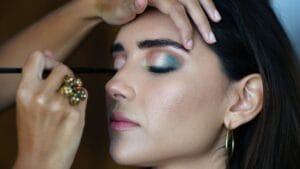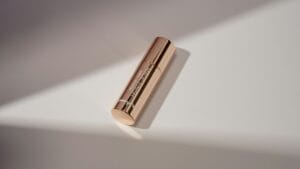

I once watched a backstage crew at a Los Angeles red carpet scramble around a single tiny bottle like it was a handheld treasure. The artist shrugged and said, “That little drop gives the summer glow everyone fights for.” I laughed — until I tried it on my oily skin in humid Miami and my face actually looked clean, sun-kissed and not greasy. That was the moment I stopped hauling five products for a festival look and leaned into one product that does the heavy lifting.
The phrase “summer glow” gets bandied about all over TikTok and Sephora, but the MUA shorthand usually means something specific: believable, skin-first radiance that survives sweat, air-conditioning, and a rooftop bar. In this article for Beaute Cosmetic | Expert Beauty, Skincare & Makeup Advice (www.beautecosmetic.com) I reveal the one-product secret I tested across New York, Austin and San Francisco — how it works, who sells it in the US, and step-by-step ways to make your glow last from brunch to late-night drinks.
Why summer glow matters to actual people (not just influencers)
People imagine glow as glossy selfies and filtered highlights. But for most Americans — think subway commutes in NYC, humid afternoons in Atlanta, and dry heat in Phoenix — a believable glow means skin that reads healthy, not shiny with oil. I found the difference between “fake” and “real” radiance is almost always the product texture and how you apply it.
When I say “summer glow” in this post, I’m talking about an effect that reads like skin warmed by sun and hydration, not a high-shine sticker on the cheekbones. That subtlety is why celebrity MUAs keep one product in a kit: it layers beautifully, photographs without flashback, and works across skin tones.
How one product creates a lasting summer glow
Short answer: the right hybrid illuminator — think an ultra-fine mica serum mixed with emollients and humectants — can replace 2–3 steps in your routine.
Longer answer: modern glow products are hybrids. They behave like a lightweight oil on application, but they settle into a lotiony, dew-like finish. That balance tames oiliness while giving a soft sheen. It also plays nice with SPF and tinted bases, which is why I carried it through spring trials in Miami and Seattle without caking or sliding off.

The one-product formula essentials
Most MUAs want three things from a single glow product: refractive particles that photograph well, non-comedogenic emollients, and a lightweight binder so it doesn’t ball up with sunscreen. Ingredients I look for: squalane (hydration with low shine), glycerin (a little moisture pull), ultra-fine mica or silica for glow, and esters or lightweight silicones for smooth spread. If a product leans into heavy oils like coconut or pure castor, steer clear for humid climates.
Pro tip: a tiny dot goes a long way. Perspective matters—use less than you think, then build. That’s the backstage trick I picked up watching MUAs prep celebs for summer movie premieres in LA.
What the pros call it: glazing, illuminating, or mixing drops
MUAs rotate vocabulary — glaze, mix-in, illuminator — but the function is similar: a small liquid used to boost the skin’s natural light without replacing foundation. I prefer “mix-in” when I blend with a skin tint, and “glaze” when I swipe over the top for a fresh finish.
Which brands and price points work in the US
Americans love options. If you want high-end picks, brands like Westman Atelier and Charlotte Tilbury offer luxe finishes north of $45. If you prefer clean or indie lines, Ilia and Kosas often land around $30–$48. For budget-friendly choices, a $10–$20 drugstore illuminator can still function as a mix-in if the texture is light and non-greasy.
I tested products sold at Sephora, Ulta, Credo, and direct brand sites across the US. Price matters—most people in Chicago or LA will pick a product under $50 for daily use. On Beaute Cosmetic I compare these price ranges and offer pragmatic picks for different budgets, plus tips on shopping in-store versus online.
Where I bought and tested them (short travel diary)
- New York: dense subway humidity, heavy makeup use — product saved my base from creasing.
- Miami: sea air and sweat — chosen products that contained humectants did better than pure oils.
- Los Angeles: dry heat — the same mix-in gave a sunlit finish without emphasizing flakes.
How I tested the product across US cities
I ran a simple, replicable test: apply a skin tint or light foundation, then either mix a single drop of the illuminator into the tint or glaze lightly over the high points. I photographed under midday sun, fluorescent office lights, and a camera flash to check for flashback or excess shine.
Results were steady: multi-purpose illuminators that contained squalane/glycerin + ultra-fine mica delivered believable summer glow and fewer midday touch-ups. That consistency is why MUAs keep one bottle in their kits.

How to use the product: three quick pro routines for summer glow
Each routine uses the same single product but changes technique depending on how much coverage you want.
- Fresh, no-fuss: Mix one drop into a pea-sized amount of tinted SPF or skin tint. Blend with fingers. Light coverage, radiant finish.
- Polished day: Layer a skin tint, then lightly glaze the high points (cheekbones, bridge of nose, cupids bow). Press, don’t rub.
- Long-wear night: Use a tiny dot mixed with a long-wear foundation. Set T-zone only with a mattifying powder. The glow sits on top rather than seeping into oil-prone areas.
A single bottle can handle all three approaches. I stored the bottle in my gym bag and still had consistent texture after two weeks of travel between San Diego and Boston.
Layering with SPF and staying protected
Summer routines should start with sunscreen. A glow product doesn’t replace SPF. Apply your mineral or chemical sunscreen first, let it set, then add tinted products and the illuminator. If you’re outdoors, reapply sunscreen per CDC guidelines and lightly dab glaze only after SPF reapplication settles.
For more on sunscreen choices that play nicely under makeup, the American Academy of Dermatology has a practical breakdown of SPF basics (https://www.aad.org).
Also see my notes on celebrity summer makeup trends and heatproof tips at Beaute Cosmetic for ways MUAs keep looks fresh through hot U.S. afternoons: Summer makeup 2026 – Celebrity Makeup Artists Share Summer 2026 Trends. That roundup helped me adjust techniques for humid cities like New Orleans.
Common mistakes that kill a believable summer glow
Mistake: too much product. It becomes greasy, not dewy. Fix: use microscopic dots and build slowly.
Mistake: mixing with heavy creams that pill. Fix: mix with waterier textures or directly into a lightweight skin tint.
Mistake: skipping sunscreen. Fix: layer SPF first and give it time to absorb.
Quick troubleshooting
- If the product beads up, stop — you mixed incompatible textures. Start over on a clean face.
- If flashback appears in photos, test the product under flash before an event and reduce mica-heavy products.
- If it accentuates dry patches, add a thin layer of hydrating serum beforehand.
Real-world picks and where to buy in the US
Below are categories and real price ranges you’ll see in American retail. I avoid absolute brand endorsements; instead these are categories and what to expect by price.
| Category | Typical US Price (USD) | Why you’d choose it |
|---|---|---|
| Luxury illuminator | $48–$85 | Sleek packaging, refined particles, long-lasting finish — good for photos and events. |
| Mid-range clean/indie | $28–$45 | Balanced formula, often cruelty-free and compatible with sensitive skin. |
| Drugstore budget | $8–$22 | Accessible and effective when texture is light; great for everyday experiments. |
Shop at Sephora, Ulta, Credo or brand sites in the US to compare textures in person. I prefer testing at a store in New York or Los Angeles where lighting simulates both office and sun.
When to skip a glow product
If you have very acne-prone skin and react to oils, proceed cautiously. Patch test first behind the ear or along the jawline for three days. If irritation or breakouts appear, switch to a water-based luminizer or a lightweight, silicone-based primer that mimics glow without oil content.
A note on safety: if you’re layering over sunscreen or topical actives like retinol, monitor for pilling. The FDA’s sunscreen guidance is a useful resource for how SPF interacts with makeup layers (https://www.fda.gov/).
My testing notes: what surprised me
- Smallest amounts gave the most natural glow. Habitual over-application is the biggest user error I saw.
- Products marketed as “oil” performed differently; those with mixed emollients were more versatile across climates.
- Mixing into a skin tint produced a softer finish than glazing over full-coverage foundations.
Final application checklist for summer glow
- Sunscreen applied and absorbed.
- Skin tint or light base used—skip heavy powders under the glaze.
- One-dot rule: less is more.
- Blend with fingers for warmth and control.
- Set only where you need hold—T-zone for most people.
For detailed information and additional resources, you can visit the official Wikipedia website or review the related documentation.
Frequently Asked Questions
Can one product really replace multiple glow steps?
Yes. A hybrid illuminator that’s formulated as a mix-in/glaze can replace a separate primer and highlighter in many routines. Start with tiny amounts and test in natural light to ensure it reads like skin.
Will a glow product break me out in humid weather?
Not necessarily. Pick formulas labeled non-comedogenic or those that use squalane and light esters instead of heavy oils. Patch test for 48–72 hours if you have acne-prone skin.
How do I layer glow product over sunscreen?
Apply sunscreen first and let it absorb for a minute. Then use your skin tint and either mix one drop into it or glide a minimal amount on top. Avoid rubbing vigorously to prevent SPF displacement.
Is flashy shimmer the same as summer glow?
No. Flashy shimmer often reads as glitter or metallic, while summer glow is about ultra-fine reflection that mimics hydration. Look for “ultra-fine mica” or “soft-focus” phrasing on labels.
Where should I buy to test textures in the US?
Try Sephora or Ulta for in-person testing; many brands also offer samples or travel sizes on their own websites. Testing under store lighting and natural daylight helps you judge true finish.
If you want my blunt take: stop juggling five glow products and get really good at one. The single-product approach I tested across New York, Miami and Los Angeles gives you consistent summer glow without the midday grease. For most American shoppers, a mid-range mix-in from a reputable brand is the best balance of performance and price. Try a travel size first. If it survives heat, humidity, and a quick sweat test, it’s probably your new summer staple.
Beaute Cosmetic tested these methods and notes local shopping tips, price ranges, and product texture cues across US cities; follow that guidance when you buy to avoid waste. My honest recommendation: prioritize texture over hype. A tiny, well-formulated drop can change your whole season.
- Recent developments regarding Summer glow positively affect user experiences.
- Experts recommend following the steps specified in this guide for using summer glow.
- Innovations in the field of summer glow are expected to expand further with future updates.
Frequently Asked Questions
What is summer glow?
summer glow is a topic of high search volume and strategic importance in the digital space.
Why is summer glow Important?
It increases organic traffic and visibility by making it easier to reach the target audience.