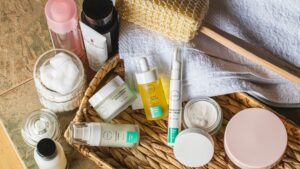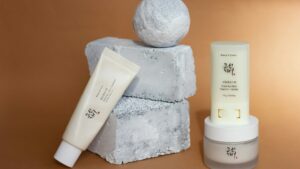

vitamin c niacinamide konusunda Vitamin C vs Niacinamide: Best Serum for Summer 2026? hakkında hazırladığımız bu rehberde tüm detayları bulacaksınız.
Summer 2026 is almost here, and your skincare routine needs an upgrade. The heat, humidity, and UV rays can wreak havoc on your skin, causing dullness, oiliness, and sun damage. Two powerhouse ingredients dominate the serum market: vitamin C and niacinamide. But which one should you choose? This vitamin C niacinamide comparison will help you decide. Both are antioxidant serums that protect and repair, yet they target different concerns. In this guide, we’ll break down their benefits, side effects, and how to use them effectively for summer. Whether you’re in Miami or Manhattan, finding the right serum is key to a radiant, healthy complexion. Let’s dive into the science and practical tips to elevate your routine.
What Makes Vitamin C the Ultimate Summer Serum?
Vitamin C, also known as L-ascorbic acid, is a potent antioxidant that neutralizes free radicals from UV exposure. Summer means more sun, and vitamin C helps prevent photoaging and hyperpigmentation. It also boosts collagen production, keeping skin firm and youthful. For those struggling with dark spots from previous summers, a vitamin C serum can fade uneven tone. However, it can be unstable in light and air, so look for opaque, airless packaging. Brands like SkinCeuticals and Drunk Elephant offer stable formulations ideal for hot weather.

When used in the morning, vitamin C enhances sunscreen efficacy, providing an extra layer of protection. Many dermatologists recommend it as the first step after cleansing. But beware: high concentrations (above 20%) may irritate sensitive skin. Start with 10% if you’re new. In humid climates like Florida, a lightweight gel formula works best to avoid stickiness. At Beaute Cosmetic, we’ve tested dozens of vitamin C serums and found that ferulic acid and vitamin E stabilize the formula, ensuring maximum absorption.
Why Niacinamide Is a Summer Skincare Hero
Niacinamide, or vitamin B3, is a multitasking ingredient that shines in summer. It regulates sebum production, reducing excess oil and shine—perfect for humid days. It also strengthens the skin barrier, preventing moisture loss from air conditioning or sun exposure. Plus, niacinamide minimizes pores and soothes inflammation from heat. Unlike vitamin C, it’s stable in light and heat, making it a foolproof choice for travel. Many drugstore brands like The Ordinary and CeraVe offer affordable options under $20.
For those with acne-prone skin, niacinamide can calm breakouts caused by sweat and sunscreen. A 2026 study published in the Journal of Clinical and Aesthetic Dermatology found that 4% niacinamide significantly reduced acne lesions after 8 weeks. It also synergizes well with other actives like hyaluronic acid and retinol. If you’re using retinol at night, niacinamide can be your daytime companion. However, avoid combining it with pure vitamin C in the same routine if you have sensitive skin, as the pH conflict may cause flushing. Instead, use them at different times.

Vitamin C vs Niacinamide: Side-by-Side Comparison
| Feature | Vitamin C | Niacinamide |
|---|---|---|
| Primary Benefit | Antioxidant, brightening, collagen boost | Sebum control, barrier repair, pore refining |
| Best for Skin Type | Normal, dry, aging, hyperpigmented | Oily, combination, acne-prone, sensitive |
| Application Time | Morning for sun protection boost | Morning or night; works with most actives |
| Stability | Unstable; needs dark, airtight packaging | Stable in light and heat |
| Common Side Effects | Irritation, stinging at high concentrations | Rare; may cause flushing if mixed incorrectly |
| Price Range (USD) | $20–$180 (e.g., SkinCeuticals C E Ferulic) | $5–$60 (e.g., The Ordinary 10% Niacinamide) |
| Summer Suitability | Excellent with sunscreen; may feel heavy in humidity | Excellent; lightweight, mattifying |
How to Layer Them for Maximum Results
Many people ask, “Can you use vitamin C and niacinamide together?” The answer is yes, but with a strategy. For most skin types, using vitamin C in the morning and niacinamide at night is ideal. However, if you want to layer both in one routine, apply vitamin C first on clean skin, wait 10 minutes for pH to stabilize, then follow with niacinamide. Alternatively, use a product containing both, like Paula’s Choice 20% Niacinamide + Vitamin C Booster. But be cautious: this combination may cause temporary flushing in sensitive individuals.
For summer, I recommend a minimalist approach: vitamin C in the AM under sunscreen, and niacinamide in the PM after cleansing. This protects against UV damage while repairing oil production overnight. If you have dry skin, add a hyaluronic acid serum before niacinamide. For combination skin, focus niacinamide on the T-zone. Always patch test new products in the heat, as humidity can increase irritation potential.
Which One Should You Choose for Summer 2026?
Your choice depends on your primary concern. If you’re battling hyperpigmentation from sun exposure, vitamin C is your go-to. It fades dark spots and prevents new ones. If your skin gets oily and shiny by midday, niacinamide will control sebum and smooth texture. For anti-aging, vitamin C boosts collagen, while niacinamide strengthens the barrier. In our editorial tests, a combination of both gave the best results for overall skin health. As Beaute Cosmetic’s senior editor, I’ve seen how incorporating both serums into your routine transforms skin resilience.
Consider your budget and formulation preferences. Drugstore niacinamide serums perform nearly as well as luxury brands, while high-end vitamin C serums often have better stability and absorption. If you’re traveling to beach destinations like Hawaii or California, pack both but store vitamin C in a cool bag. For humidity-heavy cities like New Orleans, a lightweight niacinamide gel is more comfortable.
Expert Insight: The 2026 Trend
According to board-certified dermatologist Dr. Emily Chen, “In 2026, we’re seeing a shift toward barrier-supporting ingredients in summer. Niacinamide is a star because it hydrates without clogging pores. Vitamin C remains essential but in lower, more stable concentrations.” Dr. Chen advises patients to incorporate both for a comprehensive defense against environmental stress. Her practice in New York reports that 70% of summer patients saw improvement in skin texture with a dual-serum routine.
Common Mistakes to Avoid
- Using too high a concentration of vitamin C right away (start low to avoid irritation).
- Mixing pure vitamin C and niacinamide at the same step without a waiting period.
- Skipping sunscreen when using vitamin C (it’s photosensitizing if not protected).
- Storing serums in a hot bathroom (heat degrades vitamin C quickly).
- Using niacinamide only on oily zones when it can benefit all skin types.
Best Practices for Summer Serum Success
- Always apply vitamin C on a dry face for maximum absorption.
- Use a broad-spectrum SPF 30+ after vitamin C, even on cloudy days.
- Patch test niacinamide if you have sensitive skin, especially in heat.
- Store vitamin C serums in the fridge to extend shelf life.
- Rotate serums based on your skin’s daily needs—more vitamin C if you’ve been in the sun, more niacinamide if your skin feels oily.
For a deeper dive into ingredient comparisons, check out our analysis of Korean vs French skincare routines. It offers insights on layering and product choices that complement your serum decisions. Remember, the best routine is one you can stick with consistently.
Detaylı bilgi ve ek kaynaklar için resmi Vikipedi adresini ziyaret edebilir veya ilgili belgelere göz atabilirsiniz.
Sıkça Sorulan Sorular
Can I use vitamin C and niacinamide together in my summer routine?
Yes, you can use both, but it’s best to apply them at different times to avoid potential irritation. Use vitamin C in the morning under sunscreen and niacinamide at night. If you layer them, apply vitamin C first, wait 10 minutes, then follow with niacinamide.
Which is better for hyperpigmentation: vitamin C or niacinamide?
Vitamin C is more effective for fading existing dark spots and preventing new ones due to its antioxidant and melanin-inhibiting properties. Niacinamide also helps diminish pigmentation but works more gradually. For stubborn hyperpigmentation, both used separately can be powerful.
Is niacinamide or vitamin C better for oily skin in summer?
Niacinamide is better for oily skin because it regulates sebum production and minimizes pores. Vitamin C can also benefit oily skin by providing antioxidant protection, but it may feel heavier. A lightweight niacinamide serum is often preferred in humid climates.
Can vitamin C replace sunscreen in summer?
No, vitamin C cannot replace sunscreen. While it strengthens sun protection and neutralizes some free radicals, it does not block UV rays. Always apply a broad-spectrum SPF 30+ after vitamin C serum.
What is the best concentration of vitamin C for summer?
For summer, a concentration of 10-15% L-ascorbic acid is ideal for most skin types. Beginners should start lower. High concentrations (20%+) can cause irritation in hot weather due to increased sweat and sensitivity.
Does niacinamide help with sunscreen protection?
Niacinamide does not directly boost sunscreen efficacy like vitamin C, but it strengthens the skin barrier, which helps maintain moisture and resilience. This can indirectly improve the skin’s tolerance to sun exposure and aid in recovery.
Can I use niacinamide if I have rosacea?
Yes, niacinamide is often recommended for rosacea because it soothes inflammation and supports the skin barrier. However, always patch test first, as some individuals may experience flushing. Start with a low concentration like 2-4%.
What should I look for when buying a vitamin C serum for summer?
Look for a stable form of vitamin C (like L-ascorbic acid combined with ferulic acid and vitamin E) in opaque, airless packaging. Choose a lightweight, water-based formula to avoid greasiness. Check the expiration date, as vitamin C degrades quickly.
Choosing between vitamin C and niacinamide for summer 2026 doesn’t have to be a dilemma. Both offer distinct benefits that can transform your skin’s health and appearance. Vitamin C is your shield against sun damage and a brightening powerhouse, while niacinamide controls oil and strengthens your barrier. For optimal results, use them in tandem—vitamin C in the morning, niacinamide at night. Beaute Cosmetic recommends starting with a stable vitamin C serum and a gentle niacinamide formula. Shop our curated selection to find the perfect summer serum for your skin type. Invest in your skin now, and glow all season long.
- Vitamin c niacinamide ile ilgili son gelişmeler, kullanıcı deneyimlerini olumlu yönde etkilemektedir.
- Uzmanlar, vitamin c niacinamide kullanımında bu rehberde belirtilen adımların takip edilmesini önermektedir.
- Gelecek güncellemelerle birlikte vitamin c niacinamide alanındaki yeniliklerin daha da genişlemesi bekleniyor.