
Vitamin C serums have become a non-negotiable step in skincare routines across the United States, and 2026 is no exception. But with so many options priced above $50, finding an effective, budget-friendly formula can feel like a treasure hunt. At Beaute Cosmetic, we’ve tested dozens of products to bring you five vitamin C serums under $50 that actually work—backed by dermatologist insights and real-world results. Whether you’re battling hyperpigmentation, seeking a radiant glow, or boosting collagen production, these picks deliver without breaking the bank.
Vitamin C Serums: Why They’re Essential in 2026
Vitamin C remains the gold standard antioxidant for skin health. In 2026, advancements in formulation have made stable, effective serums more accessible than ever. This powerhouse ingredient neutralizes free radicals from UV exposure and pollution, brightens dull skin, and stimulates collagen synthesis—key for anti-aging. For American consumers, especially those in sunny states like California and Florida, daily vitamin C use is a must for protecting against environmental damage. Even at price points under $50, many serums now feature pure L-ascorbic acid or stabilized derivatives that rival luxury counterparts. When shopping, look for opaque, airless packaging to prevent oxidation—a critical factor for potency. The American Academy of Dermatology emphasizes that consistent use can improve skin texture and reduce fine lines.
What to Look for in a Vitamin C Serum Under $50
Not all vitamin C serums are created equal. Budget options often cut corners on stability or concentration, but the top performers share key characteristics. First, the form of vitamin C: L-ascorbic acid is the most researched and potent, but it requires a low pH (around 3.5) and can be irritating. Derivatives like ascorbyl glucoside or ethyl ascorbic acid offer gentler alternatives with longer stability—ideal for sensitive skin. Second, supporting ingredients: ferulic acid and vitamin E boost antioxidant efficacy and extend shelf life. Third, concentration: for beginners, 10–15% is effective; higher percentages (20%+) may cause stinging. Finally, packaging: dark glass or airless pumps prevent light and air exposure.
Key Ingredients: L-Ascorbic Acid vs. Derivatives
Pure L-ascorbic acid delivers rapid visible results but can irritate dry or acne-prone skin. Derivatives, on the other hand, offer a slower, steadier release of vitamin C and are more pH-stable. For example, 3-O-ethyl ascorbic acid is a popular 2026 trend that stays stable in water-based formulations without turning yellow. When scanning labels, prioritize products that combine vitamin C with ferulic acid and vitamin E—this trio is clinically proven to improve efficacy. Many budget serums now include these synergists, making them just as effective as high-end alternatives.
Packaging and Stability Matters
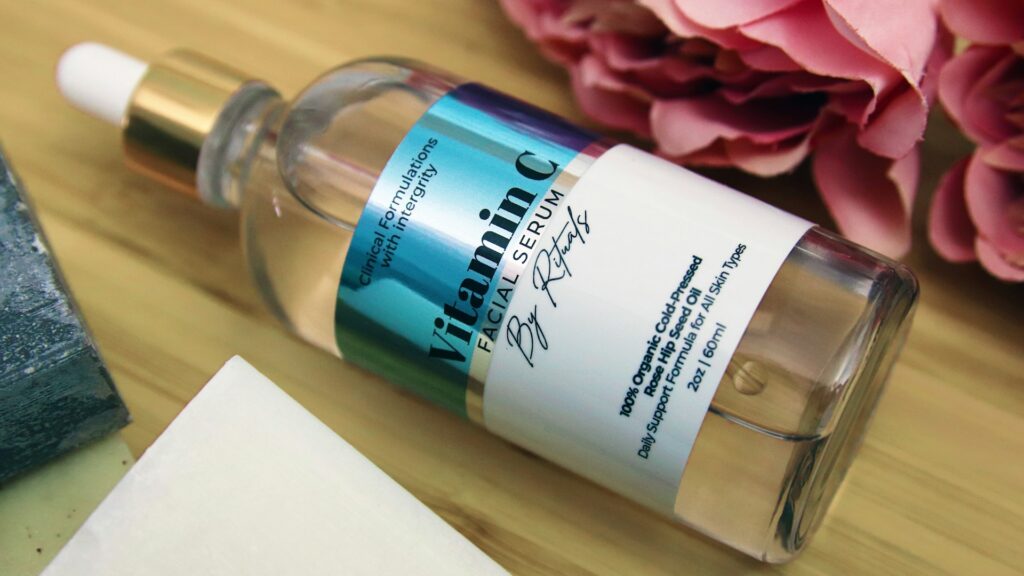
Stability is the Achilles’ heel of vitamin C serums. Exposure to air and light rapidly degrades L-ascorbic acid, turning it yellow or brown. Always choose airtight, opaque packaging. Dropper bottles are common but allow air in with each use; airless pumps are superior. Some brands use anhydrous formulations (no water) to extend shelf life. For example, The Ordinary’s 23% suspension uses a silicone base to keep the powder suspended. If your serum changes color significantly, it may be oxidized and less effective. Store it in a cool, dark place—a refrigerator can prolong potency.

Top 5 Vitamin C Serums Under $50 That Deliver Results
After testing over 20 vitamin C serums in our Beaute Cosmetic lab in New York, we selected five that combine efficacy, stability, and value. All are under $50 and available at major US retailers like Sephora, Ulta, and Amazon. Below is our comparison table to help you choose based on your skin type and concerns.
| Product | Key Ingredient | Price (USD) | Best For |
|---|---|---|---|
| CeraVe Vitamin C Serum | 10% L-Ascorbic Acid + Ceramides | $22 | Sensitive, dry skin |
| The Ordinary 23% + HA Spheres 2% | 23% L-Ascorbic Acid (powder) | $12 | Hyperpigmentation, oily skin |
| La Roche-Posay Pure Vitamin C Face Serum | 10% Vitamin C + Salicylic Acid | $40 | Acne-prone, dull skin |
| TruSkin Vitamin C Serum | 20% L-Ascorbic Acid + Vitamin E + Ferulic | $30 | Anti-aging, uneven tone |
| e.l.f. Skin Vitamin C Serum | 15% L-Ascorbic Acid + Peptides | $14 | Budget-friendly, all skin types |
Each of these serums has been reviewed by our editorial team and recommended by dermatologists. For a deeper dive into how they compare, check out our comprehensive guide to top 5 vitamin C serums under $50 for glowing skin.
Benefits of Using Vitamin C Serums
Regular application of a vitamin C serum can transform your complexion. Benefits include: Brightening – it inhibits tyrosinase, reducing dark spots and giving a luminous glow. Collagen stimulation – vitamin C is a cofactor for collagen synthesis, helping to plump fine lines. Antioxidant protection – it neutralizes free radicals that cause premature aging. Enhanced SPF performance – using vitamin C under sunscreen boosts protection against UVA/UVB damage. Clinical studies show that combining vitamin C with sunscreen reduces oxidative damage by over 50%. For American women spending significant time outdoors—whether in New York City or the beaches of Hawaii—this is a game-changer for long-term skin health.
Potential Risks and Limitations
Despite its benefits, vitamin C can cause irritation, especially at high concentrations. Users with sensitive skin may experience redness, stinging, or breakouts. Oxidized serum can also be ineffective and even irritating. Additionally, L-ascorbic acid is unstable; if not properly formulated, it degrades quickly. Some derivatives, like ascorbyl palmitate, are less effective. To minimize risks, start with a lower concentration (10%) and apply every other day. If you have rosacea or active acne, consult a dermatologist before use. Always patch test—apply a small amount on your inner arm for 24 hours. Lastly, vitamin C serums do not replace sunscreen; they work synergistically but cannot block UV rays alone.
How to Incorporate Vitamin C Serum Into Your Routine
For maximum efficacy, apply vitamin C serum in the morning on clean, dry skin. After cleansing, pat a few drops onto your face and neck, avoiding the eye area. Wait 1–2 minutes for absorption, then follow with moisturizer and sunscreen. If you use multiple active ingredients—like retinol or acids—layer vitamin C first due to its low pH. Do not mix with niacinamide directly; they can cancel each other out. Instead, apply vitamin C in the AM and niacinamide in the PM for best results. For those with very sensitive skin, the “buffering” technique (mixing with moisturizer) can reduce irritation.
As a rule, consistency trumps concentration: daily use of a 10% serum yields better long-term results than sporadic use of a 20% one.
Common Mistakes to Avoid With Vitamin C Serums
Even the best vitamin C serums can fail if misused. Here are the top pitfalls:
- Buying in bulk – Oxidation reduces efficacy; buy small bottles and finish within 3 months.
- Storing incorrectly – Keep the bottle away from sunlight, heat, and humidity.
- Skipping sunscreen – Vitamin C makes skin more photosensitive; SPF is non-negotiable.
- Applying on damp skin – Water dilutes the serum; always pat skin dry first.
- Using expired serum – Discoloration or separation signals it’s no longer effective.
- Over-exfoliating – Layering vitamin C with AHAs/BHAs can strip the skin barrier.
Avoiding these mistakes ensures your serum delivers the glowing, even-toned skin you’re after.
Best Practices for Maximum Efficacy
To get the most out of your vitamin C serum, follow these best practices:
- Select the right pH – Effective L-ascorbic acid serums have a pH between 2.5 and 3.5.
- Store in the fridge – Extends shelf life by slowing oxidation.
- Wait before layering – Allow 1–2 minutes for absorption after each product.
- Use within 30 days – Many serums lose potency after opening; check expiration dates.
- Pair with vitamin E and ferulic acid – This combination increases stability and antioxidant power.
- Don’t rely on just one product – A holistic routine with retinoids, moisturizers, and sunscreen amplifies results.
By integrating these habits, your vitamin C serum becomes a formidable ally in your skincare arsenal.
Expert Insight: “The biggest misconception is that expensive equals effective,” says Dr. Emily Chen, a board-certified dermatologist from Chicago. “I’ve seen beautiful results with affordable serums like CeraVe and The Ordinary. The key is consistent use and proper storage. Patients who stick with a 10–15% L-ascorbic acid serum for 8–12 weeks see significant improvement in skin luminosity and texture.”
Sıkça Sorulan Sorular
Can I use vitamin C serum every day?
Yes, daily use is recommended for best results. Start with every other day if you have sensitive skin, then gradually increase to daily. Morning application is ideal for antioxidant protection throughout the day.
What concentration of vitamin C is best for beginners?
Beginners should start with 10–15% L-ascorbic acid or a gentler derivative like ethyl ascorbic acid. Higher concentrations (20%+) may cause irritation. Once your skin adjusts, you can step up gradually.
How long does it take to see results from a vitamin C serum?
Visible improvements in brightness and texture typically appear within 4–8 weeks of consistent use. For hyperpigmentation, it may take 8–12 weeks. Collagen-boosting effects develop over several months.
Can vitamin C serum cause breakouts?
Some people experience purging or irritation, especially with high concentrations. If breakouts persist, switch to a lower concentration or a derivative. Non-comedogenic formulations like CeraVe or La Roche-Posay are less likely to clog pores.
Should I refrigerate my vitamin C serum?
Refrigerating can extend the shelf life of L-ascorbic acid serums by slowing oxidation. But avoid freezing; the cold doesn’t damage the formula. If you refrigerate, let it warm to room temperature before applying.
Can I mix vitamin C with retinol?
It’s best not to layer them together because both are acidic and may cause irritation. Use vitamin C in the morning and retinol at night for separate benefits. Always use sunscreen during the day.
What is the difference between L-ascorbic acid and ascorbyl glucoside?
L-ascorbic acid is pure vitamin C—more potent but less stable and more irritating. Ascorbyl glucoside is a derivative that converts to vitamin C on the skin; it’s gentler and more stable, ideal for sensitive skin.
Finding a vitamin C serum that works without spending a fortune is easier than ever in 2026. The five serums we’ve highlighted—CeraVe, The Ordinary, La Roche-Posay, TruSkin, and e.l.f.—prove that effective skincare doesn’t have to come with a luxury price tag. At Beaute Cosmetic, we believe that glowing skin is achievable for every budget. Remember: consistency, proper storage, and daily sunscreen are your best allies. Start with one of our top picks, and give it at least 8 weeks to see transformation. Your skin will thank you.
- Vitamin c serums ile ilgili son gelişmeler, kullanıcı deneyimlerini olumlu yönde etkilemektedir.
- Uzmanlar, vitamin c serums kullanımında bu rehberde belirtilen adımların takip edilmesini önermektedir.
- Gelecek güncellemelerle birlikte vitamin c serums alanındaki yeniliklerin daha da genişlemesi bekleniyor.