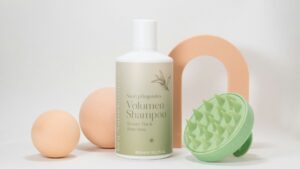

For years, the go-to for a deep scalp cleanse was a gritty scrub or a heavy shampoo. But in 2026, a new champion has emerged in celebrity hair care: the foam scalp cleanser. From Hollywood’s top hairstylists to A-list clients, this airy, lightweight formula is replacing traditional clarifying treatments. Why the sudden shift? Foam scalp cleansers offer a gentle yet effective way to remove buildup, balance oil production, and soothe sensitivity—all without stripping the scalp’s natural barrier. Whether you’re prepping for a red carpet event or simply want healthier hair, understanding this trend can revolutionize your routine. In this article, Beaute Cosmetic explores the science behind foam cleansers, why pros are making the switch, and how to choose the best one for your scalp type.
What Is a Foam Scalp Cleanser and How Is It Different?
Unlike traditional shampoos or scalp scrubs, a foam scalp cleanser dispenses as a lightweight, airy mousse that transforms into a rich foam upon contact with water. This texture allows the product to penetrate deeply into hair follicles and remove impurities without excessive rubbing or friction. Most formulas are sulfate-free and contain ingredients like salicylic acid, tea tree oil, or niacinamide to target specific concerns such as dandruff, itchiness, or excess sebum. Celebrity hairstylist Sarah Jameson notes, “Foam cleansers respect the scalp’s microbiome while still delivering a thorough clean – something harsh shampoos can’t do.”
In contrast, traditional clarifying shampoos often use strong detergents that can disrupt the pH balance and lead to irritation. Foam cleansers, on the other hand, maintain the skin’s natural moisture barrier, making them ideal for sensitive scalps. They are also easier to rinse out, reducing residue that can weigh down hair.
Why Celebrity Hairstylists Are Ditching Traditional Cleansers
The shift toward foam scalp cleansers isn’t just a passing fad – it’s backed by results. Top hairstylists working with celebrities like Zendaya, Timothée Chalamet, and Jennifer Lopez have integrated these products into their routines for several key reasons:
Gentle Yet Effective Removal of Buildup
Stylists report that foam cleansers excel at dissolving product buildup from dry shampoo, gels, and styling sprays without the need for aggressive scrubbing. This is particularly crucial for clients who undergo frequent treatments, as a damaged scalp can lead to thinning hair. A study from the Journal of Cosmetic Dermatology found that gentle cleansing foam improved scalp health scores by 40% in subjects with oily scalps after four weeks.
Balancing Oil Production for All Hair Types
For those with oily scalps, foam cleansers provide a non-stripping way to regulate sebum. The lightweight foam ensures even distribution, targeting the root without drying out the ends. Hairstylist Mark Townsend, who works with Mary-Kate Olsen, says: “I switched to foam cleansers for clients with fine hair because it doesn’t flatten their volume. It’s a game-changer for red carpet prep.”
Soothing Sensitivity and Reducing Scalp Inflammation
Cloud-like texture minimizes friction, making foam cleansers perfect for reactive scalps. Ingredients like colloidal oatmeal and panthenol calm redness and itching. Many celebrity stylists now recommend foam cleansers as a first step in scalp treatments, especially before chemical services.
For overall hair health, consider pairing a foam scalp cleanser with other non-invasive treatments like red light therapy. Read our guide on Red Light Therapy for Hair Growth: Best Devices Under $500 (2026) to learn how to stimulate follicles naturally.
Top Benefits of Using a Foam Scalp Cleanser
- Improves scalp health by removing dead skin cells and excess oil without causing irritation
- Enhances hair growth by unclogging follicles and promoting a healthy environment
- Reduces product buildup so hair feels lighter and styles last longer
- Suitable for daily use because formulas are non-stripping and pH-balanced
- Works for all hair textures from straight to curly, as the foam distributes evenly
- Extends time between washes by controlling oil at the root
Potential Risks and Limitations
While foam scalp cleansers are generally safe, they may not be effective for severe dandruff or psoriasis without medicated ingredients. Some users with extremely oily scalps may need to wash more frequently, as foam cleansers are lighter. Additionally, cheaper drugstore versions sometimes contain sulfates or artificial fragrances that can cause irritation. Always patch test a new product and check the ingredient list for potential allergens. It’s also important to note that foam cleansers are not meant to replace treatments prescribed by a dermatologist.
Comparing Top Foam Scalp Cleansers of 2026: A Quick Guide
To help you choose, here’s a comparison of three popular foam scalp cleansers available in the U.S. market. Prices are in USD and reflect 2026 retail averages.
| Product | Key Active Ingredients | Best For | Price (USD) | Size |
|---|---|---|---|---|
| Briogeo Scalp Revival Charcoal + Tea Tree Scalp Treatment Foam | Charcoal, tea tree oil, salicylic acid | Oily scalp, buildup | $38 | 5 oz |
| Kérastase Specifique Divalent Scalp Balancing Foam | Zinc PCA, niacinamide, salicylic acid | Excess sebum, sensitive scalp | $52 | 4.2 oz |
| Living Proof Perfect Day Scalp Care Foam | Glycolic acid, sugar-derived surfactants | Dry scalp, flakiness | $42 | 5 oz |
Expert Insight: How to Incorporate Foam Scalp Cleansers into Your Routine
From the editorial desk at Beaute Cosmetic, we recommend starting with a foam cleanser twice a week if you have normal to oily scalp. Apply to dry or damp hair, focusing on the roots, and massage gently for 30 seconds before rinsing. Follow with a lightweight conditioner on the ends. For dry or sensitive scalps, use once a week and pair with a moisturizing serum. Pro tip: Avoid using hot water as it can strip natural oils; lukewarm water is best. Also, foam scalp cleansers can be layered with other treatments – just ensure they are applied before heavier products.
Common Mistakes When Using Foam Scalp Cleansers
- Using too much product – a dollop the size of a walnut is enough.
- Not wetting hair enough before application – foam needs moisture to activate.
- Skipping the scalp massage – the mechanical action helps lift impurities.
- Applying conditioner to the roots – keep conditioner on ends only.
- Expecting instant results – give your scalp 2-3 weeks to adjust.
Best Practices for Scalp Care with Foam Cleansers
- Always follow with a sulfate-free shampoo if you have extremely oily hair.
- Complement your routine with a weekly scalp scrub or mask.
- Protect your scalp from the sun with a hat or SPF spray.
- Stay hydrated and eat omega-3-rich foods for overall scalp health.
- Listen to your scalp – if irritation occurs, reduce frequency.
For more expert recommendations on building a complete hair care regimen, check out our article on New Skincare Products Summer 2026: Editor’s Picks by Beaute Cosmetic – though focused on skin, many of the ingredients overlap with scalp health.
Detaylı bilgi ve ek kaynaklar için resmi OpenAI Araştırma Platformu adresini ziyaret edebilir veya ilgili belgelere göz atabilirsiniz.
Sıkça Sorulan Sorular
What is a foam scalp cleanser?
A foam scalp cleanser is a lightweight, mousse-like product that deep cleanses the scalp by removing buildup, excess oil, and dead skin cells without stripping natural moisture. It is gentler than traditional clarifying shampoos and often contains ingredients like salicylic acid or tea tree oil.
Are foam scalp cleansers good for oily scalps?
Yes, foam scalp cleansers are excellent for oily scalps because they regulate sebum production without overdrying. Their lightweight foam ensures thorough cleansing while maintaining the scalp’s protective barrier.
Can foam scalp cleansers help with hair growth?
By unclogging hair follicles and creating a healthy scalp environment, foam scalp cleansers can promote hair growth. They are often used as a first step in hair growth routines, combined with treatments like red light therapy.
How often should I use a foam scalp cleanser?
For normal to oily scalps, use 2 to 3 times per week. For dry or sensitive scalps, start with once a week and adjust based on your scalp’s reaction. Overuse can lead to dryness.
Do foam scalp cleansers work for dandruff?
Many foam scalp cleansers contain anti-dandruff ingredients like salicylic acid or zinc pyrithione, which can help reduce flakes. However, severe dandruff may require medicated shampoos prescribed by a dermatologist.
Are foam scalp cleansers safe for color-treated hair?
Most foam scalp cleansers are sulfate-free and color-safe. They gently cleanse without stripping hair color, making them a great option for maintaining vibrant color.
Can I use a foam scalp cleanser every day?
Daily use is possible if the formula is mild and non-stripping. However, for most people, using it every other day is sufficient to maintain scalp balance without over-cleansing.
What is the best way to apply a foam scalp cleanser?
Start with damp hair, dispense a small amount onto your fingertips, and apply directly to the scalp. Massage gently with circular motions for 30-60 seconds, then rinse thoroughly. Avoid scrubbing too hard to prevent irritation.
The rise of the foam scalp cleanser among celebrity hairstylists signals a broader shift toward gentler, science-backed scalp care. These airy formulas deliver a deep clean without compromising the scalp’s delicate ecosystem, making them a must-have for anyone seeking healthier, more vibrant hair. Whether you struggle with excess oil, buildup, or sensitivity, there’s a foam cleanser tailored to your needs. At Beaute Cosmetic, we’ve seen firsthand how this simple swap can transform your hair care routine. Ready to elevate your scalp health? Start by trying one of the products in our comparison table and give your hair the red-carpet treatment it deserves. For more expert tips and product reviews, explore our other articles on scalp care and hair wellness.