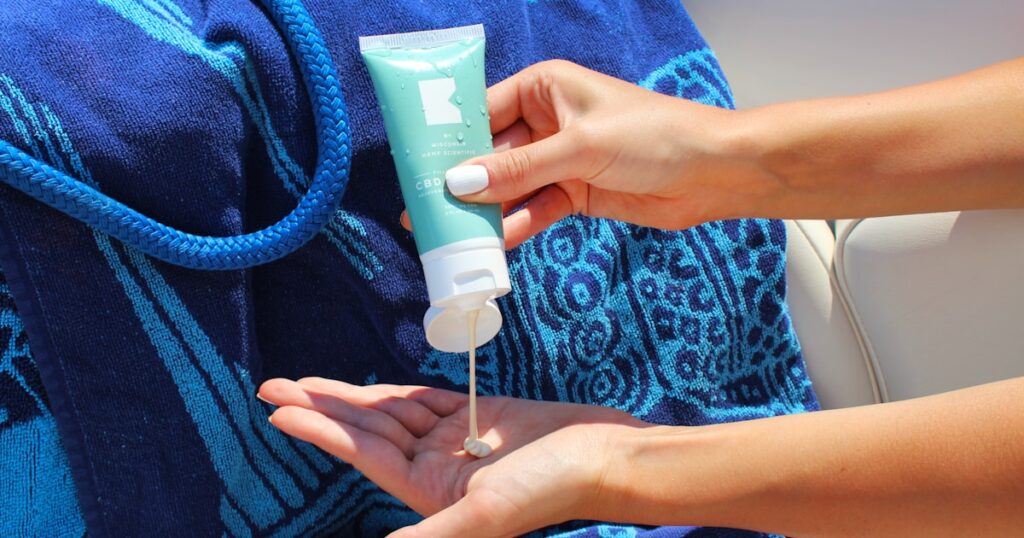

sunscreen guide konusunda Ultimate Sunscreen Guide: Best SPF Picks for Every Skin Type hakkında hazırladığımız bu rehberde tüm detayları bulacaksınız.
Your skin is your largest organ, and protecting it from harmful UV rays is one of the most important steps you can take in your skincare routine. Whether you’re lounging on the beach or just stepping out for a quick errand, sunscreen is your best defense against premature aging, sunburn, and skin cancer. In this comprehensive sunscreen guide from Beaute Cosmetic, we cut through the marketing hype to bring you the best SPF picks for every skin type. From lightweight formulas for oily complexions to hydrating options for dry skin, we’ve tested and reviewed the top contenders. Read on to discover your perfect match and learn how to incorporate sun protection seamlessly into your daily regimen.
Why Sunscreen Is Non-Negotiable for Every Skin Type
Sunscreen is the cornerstone of any effective skincare routine. It protects against UVA and UVB rays, which cause premature aging, hyperpigmentation, and skin cancer. Regardless of your skin type—oily, dry, combination, or sensitive—daily application of broad-spectrum sunscreen with at least SPF 30 is essential. Many people skip sunscreen because they dislike the texture or feel it clogs pores, but modern formulations have evolved. Today, you can find lightweight gels, hydrating creams, and even powder sunscreens that suit every preference. Beaute Cosmetic recommends starting your morning routine with sunscreen as the last step before makeup to ensure optimal protection.
Decoding SPF: What the Numbers Really Mean
SPF, or Sun Protection Factor, measures how well a sunscreen protects against UVB rays, the primary cause of sunburn and skin cancer. The higher the SPF, the more protection. However, the difference is not linear. SPF 30 blocks about 97% of UVB rays, while SPF 50 blocks about 98%. No sunscreen blocks 100%. It’s crucial to apply generously and reapply every two hours, especially after swimming or sweating. Below is a comparison of common SPF levels.
| SPF Level | UVB Protection (%) | Best For |
|---|---|---|
| SPF 15 | 93% | Brief daily exposure (e.g., commuting) |
| SPF 30 | 97% | General daily use for most skin tones |
| SPF 50 | 98% | Extended outdoor activities or fair skin |
| SPF 70+ | ~98.5% | Extreme sun conditions (e.g., beach, skiing) |
Broad Spectrum Protection
Always choose a sunscreen labeled “broad spectrum” to ensure protection against both UVA (aging) and UVB (burning) rays. UVA rays penetrate deeper and contribute to long-term skin damage, while UVB rays cause immediate burns. A broad-spectrum formula is non-negotiable for comprehensive defense.
Water Resistance and Reapplication
Water-resistant sunscreens are tested for 40 or 80 minutes of water exposure. However, no sunscreen is truly waterproof. Reapply immediately after toweling off or heavy sweating. Beaute Cosmetic advises setting a timer or using a convenient spray sunscreen for easy reapplication throughout the day.

Applying sunscreen to face for protection
Best Sunscreen Picks for Different Skin Types
Choosing the right sunscreen can be overwhelming, but we’ve narrowed down the top contenders for each skin type. Our experts at Beaute Cosmetic have evaluated factors like texture, finish, ingredients, and performance to bring you these recommendations.
Sunscreen for Oily and Acne-Prone Skin
Look for oil-free, non-comedogenic, and matte-finish sunscreens. Gel-based or lightweight lotions with ingredients like niacinamide and zinc oxide help control shine and reduce breakouts. Mineral sunscreens containing zinc oxide or titanium dioxide are also less likely to irritate acne-prone skin. A top pick is Supergoop! Unseen Sunscreen SPF 40, which has a velvety primer-like texture that works well under makeup.
Sunscreen for Dry and Mature Skin
Dry skin benefits from hydrating sunscreens with added moisturizers like hyaluronic acid, glycerin, and ceramides. Creamy formulas with an SPF 30 or higher not only protect but also nourish the skin. La Roche-Posay Anthelios Tinted SPF 50 offers broad-spectrum protection with a slight tint that evens out skin tone while providing ample moisture.
Sunscreen for Sensitive Skin
For sensitive skin, mineral sunscreens are generally safer because they sit on top of the skin rather than being absorbed. Physical blockers like zinc oxide and titanium dioxide are less likely to cause allergic reactions. Avoid fragrances, alcohol, and chemical filters like oxybenzone. A great option is CeraVe Hydrating Sunscreen SPF 30, which also contains ceramides to support the skin barrier.

Collection of sunscreen products for various skin types
Common Sunscreen Mistakes to Avoid
- Under-applying: Most people use only 25-50% of the recommended amount. Apply a quarter-sized amount for face and neck, plus a shot glass for your body.
- Forgetting often-missed spots: Ears, eyelids, back of hands, and lips are easily overlooked but highly prone to sun damage.
- Using expired sunscreen: Sunscreen loses efficacy over time. Check the expiry date and store away from heat.
- Relying solely on makeup with SPF: Makeup typically lacks the coverage and stability needed for adequate protection. Use a separate sunscreen underneath.
- Not reapplying: Sunscreen degrades with sunlight and sweat. Reapply every two hours, or immediately after swimming or heavy activity.
Expert Tips for Maximum Sun Protection
- Apply 15-30 minutes before sun exposure to allow the film to form properly.
- Use sunscreen even on cloudy days—up to 80% of UV rays penetrate cloud cover.
- Layer correctly: Apply sunscreen after moisturizer and before makeup. If using a chemical sunscreen, allow it to absorb for a few minutes.
- Choose a sunscreen that you enjoy wearing to ensure daily compliance. Whether it’s a silky gel or a tinted moisturizer, consistency is key.
- Protect your lips with an SPF lip balm and your scalp with a hat or spray sunscreen.
As an editorial perspective from Beaute Cosmetic, we emphasize that sunscreen is the single most effective anti-aging product you can use. While serums and treatments are valuable, none can reverse the damage from UV exposure. Incorporating sun protection into your daily routine is a lifelong investment in your skin’s health and appearance. Our team has personally tested dozens of sunscreens, and we stand by the recommendations above, but always patch test new products to ensure compatibility.
Sıkça Sorulan Sorular
What SPF should I use daily?
For daily use, SPF 30 is generally sufficient for most skin types. If you have fair skin or spend extended time outdoors, consider SPF 50 or higher.
Can I use moisturizer with SPF instead of sunscreen?
Moisturizers with SPF can be convenient, but they often provide less protection because you may not apply enough to reach the labeled SPF. It’s best to use a separate sunscreen.
What is the difference between mineral and chemical sunscreen?
Mineral sunscreens use zinc oxide or titanium dioxide to physically block UV rays. Chemical sunscreens absorb UV rays and convert them to heat. Mineral is often better for sensitive skin, while chemical tends to be more cosmetically elegant.
How do I choose sunscreen for acne-prone skin?
Look for non-comedogenic, oil-free, and gel-based formulas. Mineral sunscreens with zinc oxide are less likely to clog pores. Avoid heavy creams and ingredients like coconut oil.
Is SPF 50 much better than SPF 30?
SPF 50 blocks about 98% of UVB rays, while SPF 30 blocks 97%. The difference is small but meaningful for those who are very fair or have a history of skin cancer. Proper application and reapplication matter more.
How often should I reapply sunscreen?
Reapply every two hours, or immediately after swimming, sweating, or toweling off. If indoors all day, one application in the morning may suffice, but reapply before any sun exposure.
Does sunscreen expire?
Yes, most sunscreens have a three-year shelf life. Check the expiry date on the bottle. If it changes in color, consistency, or smell, discard it.
Can I use the same sunscreen on my face and body?
You can, but face-specific sunscreens are often formulated to be lighter and less greasy, and may be non-comedogenic. Body sunscreens can be heavier and might cause breakouts on the face.
Protecting your skin from the sun is the most effective way to maintain a youthful, healthy complexion. With this sunscreen guide from Beaute Cosmetic, you now have the knowledge to choose the best SPF for your unique skin type. Remember: consistency trumps perfection. Find a sunscreen you love wearing, apply it religiously, and your skin will thank you for years to come. Start your journey to better sun protection today—your future self will glow with gratitude.
Sunscreen guide hakkında bilmeniz gereken tüm detayları bu makalede derledik. sunscreen guide ile ilgili güncel gelişmeleri takip etmek için içeriğimizi inceleyebilirsiniz.