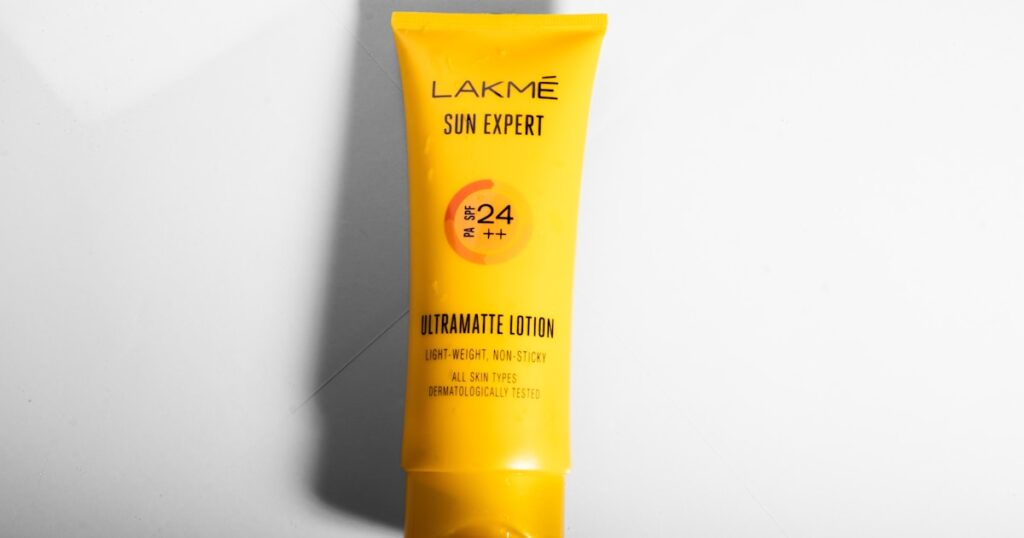

Finding the right sunscreen for sensitive skin can feel like a minefield. With so many formulas claiming to be gentle, how do you know which one truly protects without causing irritation? In this 2026 guide, Beaute Cosmetic breaks down everything you need to know to choose a sunscreen for sensitive skin that works with your complexion, not against it.
Whether you struggle with redness, stinging, or breakouts after applying SPF, we’ve got you covered. From mineral vs. chemical filters to reading ingredient labels like a pro, this comprehensive resource will help you make an informed decision. Let’s dive into the expert-backed strategies for sun protection that keeps your skin calm and healthy.
Why Sensitive Skin Needs Special Sunscreen
Sensitive skin reacts more readily to environmental triggers, and sunscreens are no exception. Many conventional formulas contain chemical filters like oxybenzone and octinoxate, which can cause stinging, redness, or bumps. For those with conditions like rosacea, eczema, or contact dermatitis, ingredients matter even more. According to Beaute Cosmetic’s dermatology panel, the best sunscreens for sensitive skin use physical blockers and minimal, skin-friendly ingredients.
Additionally, sensitive skin often has a compromised skin barrier, making it more susceptible to UV damage. Proper sun protection is crucial, but it must be delivered in a format that soothes rather than aggravates. This is where mineral sunscreens—also called physical sunscreens—shine. They sit on top of the skin and reflect UV rays, reducing the risk of absorption and irritation.

Key ingredients to look for in a sunscreen for sensitive skin
Mineral vs. Chemical Sunscreen for Sensitive Skin
Mineral Sunscreens
Mineral sunscreens use zinc oxide and/or titanium dioxide to form a protective barrier on the skin’s surface. They are widely recommended for sensitive skin because they are less likely to cause irritation. Zinc oxide is especially beneficial—it has anti-inflammatory properties and provides broad-spectrum protection. Look for “non-nano” versions to minimize risk of inhalation or absorption.
Chemical Sunscreens
Chemical sunscreens absorb UV rays and convert them into heat, which can trigger sensitivity in some people. Ingredients like avobenzone, octocrylene, and homosalate are common culprits. However, newer formulations with gentle chemical filters (e.g., Tinosorb S, Uvinul A Plus) are available. For extremely reactive skin, stick with mineral options. Beaute Cosmetic’s experts note that some people tolerate newer chemical filters well, but a patch test is essential.
Comparison Table: Mineral vs. Chemical
| Feature | Mineral Sunscreen | Chemical Sunscreen |
|---|---|---|
| Active Ingredients | Zinc oxide, titanium dioxide | Avobenzone, oxybenzone, octinoxate |
| Irritation Potential | Low | Moderate to high |
| Texture | May feel thick or leave white cast | Lightweight, transparent |
| Onset of Protection | Immediate | Needs 15-20 min to absorb |
| Best For | Sensitive, reactive skin | Normal to oily, non-sensitive skin |
Key Ingredients to Look For
When shopping for a sunscreen for sensitive skin, examine the ingredient list beyond the active filters. Avoid potential irritants like fragrance, alcohol denat, essential oils, and preservatives like methylisothiazolinone. Instead, look for soothing additives like niacinamide, aloe vera, allantoin, and ceramides. These help calm inflammation and support the skin barrier. Beaute Cosmetic recommends products labeled “fragrance-free”, “hypoallergenic”, and “non-comedogenic” as starting points.
- Zinc oxide – anti-inflammatory and safe for all skin types
- Titanium dioxide – gentle, but may not cover full UVA spectrum
- Niacinamide – reduces redness and strengthens barrier
- Ceramides – repair and maintain skin barrier function
- Aloe vera – cooling and soothing
SPF Level and Broad-Spectrum Protection
For sensitive skin, SPF 30 is the minimum recommended by dermatologists, but SPF 50 offers better protection and can compensate for uneven application. Always choose a “broad-spectrum” sunscreen to shield against both UVA (aging) and UVB (burning) rays. UVA rays penetrate deeper and can worsen sensitivity. In 2026, many brands now include PA++++ ratings (highest UVA protection) on labels. Beaute Cosmetic advises checking for both SPF and PA ratings.
Also consider water resistance if you sweat or swim. Water-resistant formulas stay effective for 40 or 80 minutes, but they may contain more film-forming agents. If you have very reactive skin, test water-resistant versions on a small area first.
Common Mistakes When Choosing Sunscreen for Sensitive Skin
- Skipping patch tests – Always apply a small amount to your inner arm or behind the ear for 24-48 hours before using on your face.
- Assuming “natural” means safe – Some natural sunscreens use essential oils that can be irritating. Stick with mineral-only formulas.
- Overlooking inactive ingredients – Fragrance and alcohol are common triggers even in “sensitive” products.
- Choosing too high SPF – SPF 100 may provide minimal extra protection but can contain more chemicals. SPF 50 is sufficient when properly applied.
- Neglecting reapplication – Sunscreen wears off, especially with touch or sweat. Reapply every 2 hours.
Best Practices for Using Sunscreen on Sensitive Skin
To maximize protection and minimize irritation, follow these tips from Beaute Cosmetic’s skincare experts:
- Apply sunscreen as the last step of your morning routine, after moisturizer.
- Use a dime-sized amount for your face and a shot glass amount for your body.
- Wait for skincare products to fully absorb before applying sunscreen to avoid pilling.
- If using chemical sunscreen, apply 15 minutes before sun exposure.
- For mineral sunscreens, use patting motions rather than rubbing to avoid disturbing the barrier.
- Double-cleanse in the evening with an oil-based cleanser first to remove sunscreen effectively without harsh scrubbing.
Remember, consistency is key. Sun protection is a daily habit, not just for beach days. Even on cloudy days, up to 80% of UV rays penetrate the skin. Beaute Cosmetic emphasizes making SPF a non-negotiable step year-round.

Top Sunscreen Myths Debunked
Myth: “My foundation has SPF, so I don’t need separate sunscreen.” Reality: Most makeup provides insufficient coverage. You need a dedicated sunscreen.
Myth: “I have dark skin, so I don’t need sunscreen.” Reality: Everyone, regardless of skin tone, needs UV protection to prevent skin cancer and photoaging.
Myth: “Mineral sunscreens are always better for sensitive skin.” Reality: While often gentler, some mineral formulas contain nano particles that may still cause irritation in extremely reactive skin. Look for non-nano labels.
Expert Insight
From a dermatological perspective, the gold standard for sensitive skin is a non-nano zinc oxide sunscreen with SPF 30 or higher, free from fragrance and alcohol. At Beaute Cosmetic, we’ve seen countless patients transform their skin health by switching to a gentle mineral SPF. Always prioritize ingredients that support the skin barrier rather than compromise it.” — Dr. Emily Tran, Contributing Dermatologist at Beaute Cosmetic
Sıkça Sorulan Sorular
What is the best sunscreen for sensitive acne-prone skin?
Look for a non-comedogenic, mineral sunscreen with zinc oxide. Avoid heavy creams and chemical filters that can clog pores or irritate. Products labeled “oil-free” or “for acne-prone skin” are ideal.
Can sunscreen make sensitive skin worse?
Yes, if it contains irritating ingredients like fragrance, alcohol, or chemical filters. Mineral sunscreens with soothing agents are less likely to cause issues. Always patch test.
How often should I reapply sunscreen on sensitive skin?
Reapply every two hours, or immediately after swimming, sweating, or towel drying. For sensitive skin, consider a mineral powder sunscreen for easy touch-ups without disturbing makeup.
Is SPF 50 necessary for sensitive skin?
SPF 30 is sufficient for daily use, but SPF 50 offers extra protection for prolonged outdoor activities. For sensitive skin, choose a mineral SPF 50 with safe ingredients.
What ingredients should I avoid in sunscreen for sensitive skin?
Avoid oxybenzone, octinoxate, homosalate, octocrylene, fragrance, alcohol denat, and essential oils. Opt for mineral filters and soothing additives.
Can I use baby sunscreen on my sensitive face?
Many baby sunscreens are mineral-based and gentle, making them suitable for sensitive adult skin. However, check the ingredient list for any personal triggers.
Does sunscreen expire?
Yes, most sunscreens have a three-year shelf life. Once opened, check the expiration date and discard if the texture or smell changes. Expired sunscreen may not provide adequate protection.
How do I remove mineral sunscreen without irritation?
Use an oil-based cleanser or micellar water to dissolve the sunscreen, then follow with a gentle cleanser. Avoid scrubbing or harsh exfoliants.
Choosing the right sunscreen for sensitive skin doesn’t have to be complicated. By focusing on mineral filters, minimal ingredients, and proper application, you can enjoy effective sun protection without irritation. Remember to patch test, reapply regularly, and prioritize products that support your skin barrier. At Beaute Cosmetic, we’re committed to helping you find skincare that works for your unique needs. Start your journey today with our curated collection of sensitive-skin-friendly sunscreens and embrace healthy, protected skin all year round.