
sunscreens for acne-prone skin konusunda Best Sunscreens for Acne-Prone Skin in 2026: Derm Picks hakkında hazırladığımız bu rehberde tüm detayları bulacaksınız.
If you have acne-prone skin, finding the right sunscreen can feel like a double-edged sword. You need protection from harmful UV rays, but many sunscreens clog pores and trigger breakouts. The good news? Dermatologists have identified the best sunscreens for acne-prone skin in 2026 that offer effective protection without causing congestion. Whether you’re dealing with oily, combination, or sensitive acne-prone skin, the right non-comedogenic, oil-free SPF can actually improve your skin barrier and reduce inflammation. In this guide, Beaute Cosmetic’s experts break down the top dermatologist-approved picks, key ingredients to seek (and avoid), and application tips to keep your skin clear and protected all year round.
Why Sunscreen Is Crucial for Acne-Prone Skin
Many people with acne skip sunscreen, fearing it will exacerbate breakouts. However, sun exposure can worsen hyperpigmentation from acne scars and cause inflammation that leads to more breakouts. Ultraviolet rays also compromise the skin barrier, making it harder for your skin to heal. The sunscreens for acne-prone skin on our list are formulated to be lightweight, non-comedogenic, and often include soothing ingredients like niacinamide or zinc. According to the American Academy of Dermatology, daily SPF 30 or higher is essential for everyone, especially those prone to acne. Using the right product can prevent post-inflammatory hyperpigmentation (PIH) and reduce redness over time.
Key Ingredients to Look For (and Avoid)
Not all sunscreens are created equal. For acne-prone skin, opt for mineral-based sunscreens containing zinc oxide or titanium dioxide, as they sit on top of the skin and are less likely to clog pores. Chemical sunscreens can be fine if they are oil-free and contain ingredients like silica or dimethicone for a matte finish. Avoid heavy oils, fragrances, and alcohol, which can irritate and cause breakouts.
Ingredients That Benefit Acne-Prone Skin
- Zinc Oxide: Anti-inflammatory and non-comedogenic, it soothes redness and protects without irritation.
- Niacinamide: Helps regulate sebum production and calm inflammation.
- Silica: Absorbs excess oil for a matte finish.
- Ceramides: Support the skin barrier without clogging pores.
Ingredients to Avoid
- Oxybenzone and Octinoxate: Some chemical filters can irritate sensitive acne-prone skin.
- Coconut Oil and Shea Butter: Heavy emollients that can clog pores.
- Fragrance and Essential Oils: Common irritants that trigger breakouts.
Top 5 Sunscreens for Acne-Prone Skin 2026: Derm Picks
We consulted board-certified dermatologists across the US—from New York to Los Angeles—to curate the most effective sunscreens for acne-prone skin this year. These picks balance protection, texture, and compatibility with acne treatments. For more on how to integrate sunscreen with your acne routine, see our article on how to treat summer acne with non-comedogenic sunscreens.
| Product | SPF | Key Ingredients | Formulation | Price (USD) |
|---|---|---|---|---|
| EltaMD UV Clear Broad-Spectrum SPF 46 | 46 | Zinc Oxide, Niacinamide | Oil-free, lightweight | $39 |
| La Roche-Posay Anthelios Clear Skin Dry Touch SPF 60 | 60 | Cell-Ox Shield, Silica | Matte finish, oil-free | $20 |
| Supergoop! Unseen Sunscreen SPF 40 | 40 | Red Algae, Frankincense | Invisible, weightless | $34 |
| CeraVe Hydrating Mineral Sunscreen SPF 30 | 30 | Zinc Oxide, Ceramides | Hydrating, non-comedogenic | $16 |
| Neutrogena Clear Face Break-Out Free Sunscreen SPF 55 | 55 | Helioplex, Dimethicone | Oil-free, non-comedogenic | $12 |
How to Apply Sunscreen Without Breaking Out
Even the best sunscreens for acne-prone skin can cause issues if applied incorrectly. Follow these best practices to avoid clogged pores and maximize protection.
Best Practices for Acne-Prone Skin
- Apply to clean, dry skin. After cleansing and moisturizing, wait 2–3 minutes before applying sunscreen.
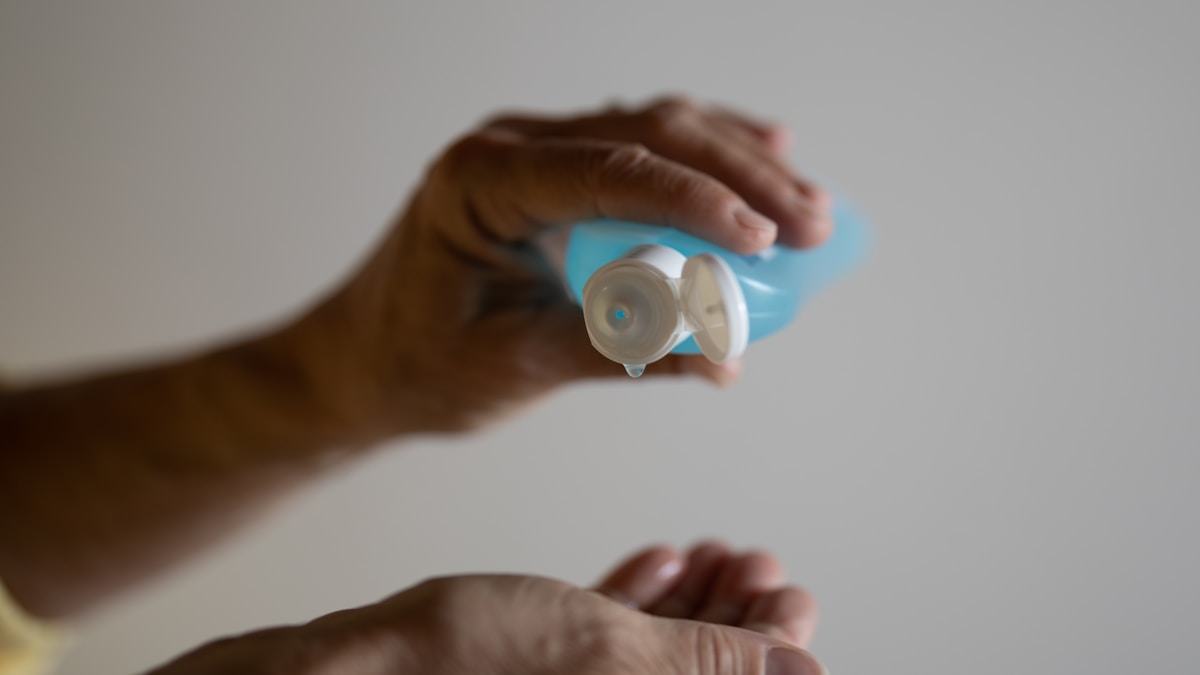
- Use a pea-sized amount for the face. Too much can feel heavy; too little leaves you unprotected.
- Reapply every two hours if outdoors, or use a powder sunscreen for touch-ups.
- Layer correctly: Apply sunscreen as the last step of your morning routine, before makeup.

Common Mistakes Acne-Prone Skin Makes with Sunscreen
- Skipping sunscreen on cloudy days: Up to 80% of UV rays penetrate clouds.
- Relying on makeup with SPF: You rarely apply enough makeup to get adequate protection.
- Using old sunscreen: Expired products lose efficacy and may irritate skin.
- Not removing sunscreen thoroughly at night: Double cleansing with an oil-based cleanser followed by a gentle cleanser ensures pores stay clear.
Expert Insight: What Dermatologists Recommend
Dr. Sarah Johnson, a board-certified dermatologist in Austin, Texas, emphasizes that sunscreens for acne-prone skin should be chosen based on skin type and sensitivity. “I often tell my patients to look for ‘non-comedogenic’ and ‘oil-free’ on the label. Mineral sunscreens with zinc oxide are generally the safest bet, but many modern chemical sunscreens are also safe if they’re formulated without pore-clogging oils. Pairing sunscreen with a good cleansing routine is key to preventing breakouts.” She also highlights that using sunscreen consistently can improve the appearance of acne scars by preventing darkening.
Risks and Limitations
While sunscreens for acne-prone skin are designed to be gentle, some individuals may still experience reactions. Mineral sunscreens can leave a white cast on deeper skin tones, though newer formulations have improved. Chemical sunscreens may cause stinging if you are using active ingredients like retinoids or AHAs. Always patch test a new product on your jawline before full application. If you are on prescription acne medications, consult your dermatologist for a compatible SPF.
Detaylı bilgi ve ek kaynaklar için resmi Vikipedi adresini ziyaret edebilir veya ilgili belgelere göz atabilirsiniz.
Sıkça Sorulan Sorular
What is the best sunscreen for acne-prone skin?
The best sunscreen for acne-prone skin is non-comedogenic, oil-free, and broad-spectrum with SPF 30 or higher. Mineral formulas with zinc oxide are often recommended for their anti-inflammatory properties. Popular choices include EltaMD UV Clear and La Roche-Posay Anthelios Clear Skin.
Can sunscreen cause acne breakouts?
Yes, if the sunscreen contains heavy oils, fragrances, or comedogenic ingredients. However, non-comedogenic, oil-free sunscreens for acne-prone skin are formulated to minimize clogging. Always check the label and patch test.
How much sunscreen should I use on my face?
A pea-sized amount (about 1/4 teaspoon) is adequate for your face and neck. Using less reduces SPF effectiveness. For acne-prone skin, apply evenly after moisturizer and before makeup.
Do I need sunscreen if I use a face moisturizer with SPF?
Moisturizers with SPF rarely provide enough coverage because we don’t apply enough product. It’s best to use a dedicated sunscreen on top of your moisturizer for full protection.
What ingredients in sunscreen can irritate acne-prone skin?
Oxybenzone, octinoxate, fragrances, essential oils, and heavy butters like coconut oil can irritate or clog pores. Mineral filters such as zinc oxide and titanium dioxide are generally safer for acne-prone skin.
Can I wear sunscreen over acne treatments like retinol?
Absolutely. In fact, sunscreen is essential when using retinol or other exfoliating treatments, as they increase sun sensitivity. Apply sunscreen after your treatment and moisturizer.
How do I remove sunscreen without irritating my acne?
Double cleanse with an oil-based cleanser first to dissolve sunscreen, followed by a gentle foaming or gel cleanser. Avoid harsh scrubs, which can aggravate breakouts.
Is SPF 50 better than SPF 30 for acne-prone skin?
SPF 50 blocks about 98% of UVB rays, compared to 97% for SPF 30. For daily wear, SPF 30 is sufficient, but if you spend time outdoors, opt for SPF 50. Just ensure the formula is non-comedogenic.
Choosing the right sunscreen is a non-negotiable step in any acne-fighting skincare routine. The best sunscreens for acne-prone skin in 2026 combine effective UV protection with lightweight, non-comedogenic formulas that soothe rather than irritate. Whether you prefer mineral or chemical options, consistency is key to preventing hyperpigmentation and maintaining clear skin. For more personalized recommendations, check out our guide on best acne spot treatments 2026 to complement your routine. Start protecting your skin today—your future self will thank you.