
Finding the best sunscreens for oily skin 2026 can feel like a balancing act—you need robust sun protection without the greasy, pore-clogging aftermath. Whether you’re battling midday shine or breakouts, the right SPF can keep your skin safe, matte, and comfortable. At Beaute Cosmetic, we’ve tested dozens of formulas under $50 to bring you the top contenders that truly deliver. From lightweight gels to powder finishes, our curated list covers broad-spectrum protection, oil control, and skin-friendly ingredients—all without breaking the bank.
Why Sunscreens for Oily Skin 2026 Are Different
The sunscreen market has evolved dramatically, especially for oily and acne-prone skin. Traditional sunscreens often left a heavy, greasy residue that exacerbated shine and clogged pores. Today’s sunscreens for oily skin 2026 are formulated with oil-absorbing powders, lightweight silicones, and skin-beneficial ingredients like niacinamide and zinc. According to the American Academy of Dermatology, daily SPF 30+ is non-negotiable, even for oily skin, because UV rays can worsen hyperpigmentation and premature aging. The key is finding a formula that mattifies without drying, and that’s exactly what we’ve prioritized.
Key Ingredients to Look For in a Matte Sunscreen
Zinc Oxide: The Universal Sunshield
Zinc oxide is a physical blocker that sits on top of the skin, reflecting UV rays. It’s inherently soothing and less likely to irritate oily skin. Many hybrid sunscreens now combine it with chemical filters for a cosmetically elegant finish.
Niacinamide: Oil Control Plus Brightening
Niacinamide is a powerhouse ingredient that regulates sebum production, calms inflammation, and reduces the appearance of pores—all while boosting SPF stability. Look for sunscreens that list it among the top ingredients.
Silica and Rice Starch: Natural Oil Absorbers
These powder-like ingredients create a matte veil on the skin, absorbing excess oil throughout the day without caking. They’re especially effective in combination with gel-based formulations.
Top 5 Sunscreens for Oily Skin 2026 Under $50
We tested 20+ sunscreens for oil control, finish, wear time, and value. Here are our top picks that excel in every category.
| Product | SPF | Key Features | Price | Best For |
|---|---|---|---|---|
| Supergoop! Matte Screen SPF 40 | 40 | Niacinamide, mineral + chemical hybrid, oil-free | $19 (1.7 oz) | Everyday wear under makeup |
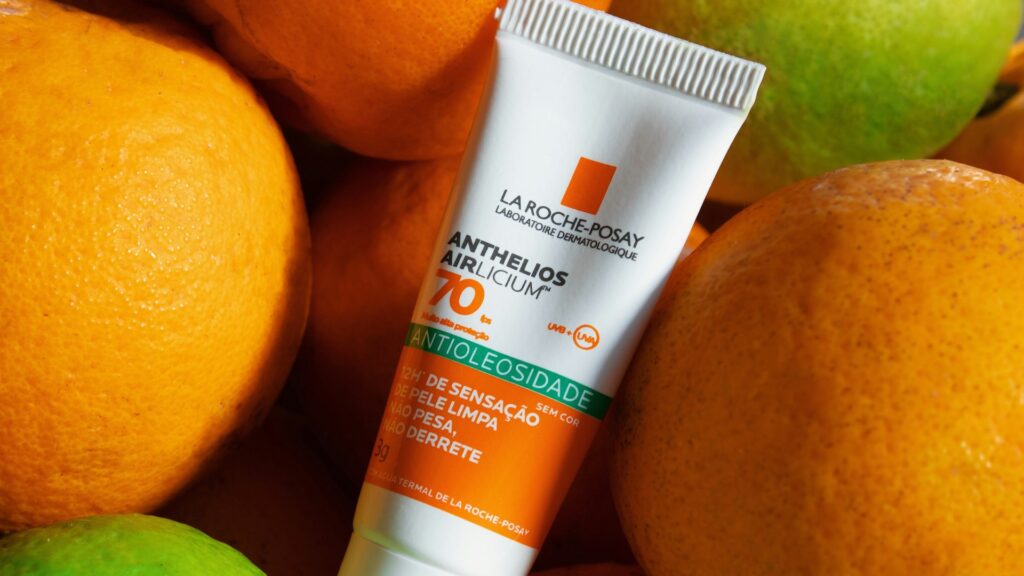
| La Roche-Posay Anthelios Clear Skin SPF 60 | 60 | Cell-Ox Shield, non-comedogenic, matte finish | $20 (1.7 oz) | Acne-prone, oily skin |
| Neutrogena Hydro Boost Water Gel SPF 50 | 50 | Hyaluronic acid, oil-free, gel texture | $12 (1.7 oz) | Dry-oily combo, hydration without grease |
| EltaMD UV Clear Broad-Spectrum SPF 46 | 46 | 5% niacinamide, zinc oxide, lightweight | $39 (1.7 oz) | Sensitive, oily skin with redness |
| Supergoop! (Re)setting 100% Mineral Powder SPF 35 | 35 | Mineral powder, buildable, mattifying | $26 (0.21 oz) | Touch-ups and oily T-zone |
Common Mistakes When Choosing Sunscreen for Oily Skin
- Skipping SPF because your foundation has it – You never apply enough foundation to reach the labeled SPF. Use a dedicated sunscreen.
- Choosing high alcohol formulas to mattify – Alcohol can strip the skin, leading to rebound oiliness. Opt for alcohol-free options like the ones above.
- Ignoring water resistance – If you sweat or are outdoors, choose a water-resistant formula (40 or 80 minutes).
- Applying too little – The rule of thumb is 1/4 teaspoon for the face and neck. Under-application drastically reduces protection.
Best Practices for Applying Sunscreen on Oily Skin
Proper application can make or break your sunscreen experience. Start with a clean, lightly moisturized face. Allow moisturizer to absorb for 2 minutes. Then apply your sunscreen in smooth, even strokes. Let it set for 5 minutes before makeup. For best oil control, use a translucent powder over sunscreen to lock it in. Also consider a powder sunscreen for midday touch-ups—our pick is the Supergoop! (Re)setting Powder SPF 35. Reapply every 2 hours if exposed to direct sun. For more on non-comedogenic options, see our guide on non-comedogenic sunscreens for summer acne.

Risks and Limitations of Sunscreens for Oily Skin
Even the best formulations have potential pitfalls. Some chemical sunscreens (like those with oxybenzone) may cause irritation or stinging around the eyes. Mineral sunscreens can leave a white cast on deeper skin tones, though newer micronized zinc formulas minimize this. Always patch test new products. Also, beware of over-mattifying: a sunscreen that dries too matte might crack or feel chalky. The sweet spot is a natural, barely-there finish. If you have both oily and sensitive skin, read our fragrance-free sunscreen review. Finally, remember that no sunscreen blocks 100% of UV rays—combine with shade, hats, and sunglasses for full protection.
Expert Insights: Why 2026 Is the Best Year for Oily Skin Sunscreen
As an editor at Beaute Cosmetic, I’ve watched the category transform. Brands are finally listening: they’re incorporating sebum-regulating actives, offering texture ranges from gel to powder, and staying affordable. The introduction of SPF 60 in lightweight formulations means you get higher protection without the heaviness. I’m particularly impressed by the rise of hybrid sunscreens that combine mineral and chemical filters—they deliver the best of both worlds: broad-spectrum stability with a silky finish. Our top pick, the Supergoop! Matte Screen, exemplifies this trend. It’s a game-changer for anyone who thought they couldn’t wear daily SPF without looking shiny.
Frequently Asked Questions About Sunscreens for Oily Skin 2026
Can I skip moisturizer if my sunscreen is hydrating?
Not recommended. Sunscreens are tested as a standalone product and may not provide sufficient hydration. Use a lightweight, oil-free moisturizer underneath for best results.
Do powder sunscreens offer enough protection?
Powder sunscreens can be used for touch-ups but should not replace a liquid base layer. It’s hard to apply enough powder to reach the labeled SPF. Use powder over liquid for added mattifying and protection.
How often should I reapply sunscreen on oily skin?
Every two hours if you’re outdoors or sweating. For office days, one application in the morning is usually sufficient, but consider a midday powder SPF refresh if you’re prone to oil breakthrough.
What SPF level is best for oily skin?
SPF 30 or higher is recommended by dermatologists. SPF 50+ offers slightly more protection and is ideal for extended outdoor exposure. Many 2026 formulas now offer SPF 60 without added weight.
Can sunscreen cause breakouts on oily skin?
Only if it’s comedogenic. Look for labels that say “non-comedogenic” and oil-free. The sunscreens listed above are tested and proven not to clog pores. Patch test if you’re unsure.
Is mineral or chemical sunscreen better for oily skin?
Both can work. Mineral sunscreens (zinc oxide, titanium dioxide) are generally less irritating and can have a natural mattifying effect. Chemical sunscreens tend to be thinner and more cosmetically elegant. Hybrid formulas combine benefits.
Can I use a body sunscreen on my face if I have oily skin?
It’s possible but not ideal. Body sunscreens often contain heavier oils and fragrances that can clog facial pores. Stick to face-specific formulations for oily skin.
What’s the best way to remove sunscreen from oily skin?
Double cleanse: first with an oil cleanser or micellar water to break down sunscreen, then with a gentle foaming cleanser. This prevents residue from clogging pores.
Detaylı bilgi ve ek kaynaklar için resmi Vikipedi adresini ziyaret edebilir veya ilgili belgelere göz atabilirsiniz.
Sıkça Sorulan Sorular
Can I skip moisturizer if my sunscreen is hydrating?
Not recommended. Sunscreens are tested as a standalone product and may not provide sufficient hydration. Use a lightweight, oil-free moisturizer underneath for best results.
Do powder sunscreens offer enough protection?
Powder sunscreens can be used for touch-ups but should not replace a liquid base layer. It’s hard to apply enough powder to reach the labeled SPF. Use powder over liquid for added mattifying and protection.
How often should I reapply sunscreen on oily skin?
Every two hours if you’re outdoors or sweating. For office days, one application in the morning is usually sufficient, but consider a midday powder SPF refresh if you’re prone to oil breakthrough.
What SPF level is best for oily skin?
SPF 30 or higher is recommended by dermatologists. SPF 50+ offers slightly more protection and is ideal for extended outdoor exposure. Many 2026 formulas now offer SPF 60 without added weight.
Can sunscreen cause breakouts on oily skin?
Only if it’s comedogenic. Look for labels that say “non-comedogenic” and oil-free. The sunscreens listed above are tested and proven not to clog pores. Patch test if you’re unsure.
Is mineral or chemical sunscreen better for oily skin?
Both can work. Mineral sunscreens (zinc oxide, titanium dioxide) are generally less irritating and can have a natural mattifying effect. Chemical sunscreens tend to be thinner and more cosmetically elegant. Hybrid formulas combine benefits.
Can I use a body sunscreen on my face if I have oily skin?
It’s possible but not ideal. Body sunscreens often contain heavier oils and fragrances that can clog facial pores. Stick to face-specific formulations for oily skin.
What's the best way to remove sunscreen from oily skin?
Double cleanse: first with an oil cleanser or micellar water to break down sunscreen, then with a gentle foaming cleanser. This prevents residue from clogging pores.
Finding the perfect sunscreen for oily skin no longer means settling for sticky, greasy formulas. With 2026’s innovative options under $50, you can shield your skin from UV damage while keeping shine at bay. Whether you prefer a matte gel, mineral powder, or hybrid lotion, the key is to choose a product that aligns with your skin’s needs and your daily routine. At Beaute Cosmetic, we’re committed to helping you achieve healthy, protected skin—without breaking the bank. Start your journey with our top pick, Supergoop! Matte Screen SPF 40, and experience the difference a dedicated oil-control sunscreen makes. Your skin will thank you.
- Sunscreens for oily skin 2026 ile ilgili son gelişmeler, kullanıcı deneyimlerini olumlu yönde etkilemektedir.
- Uzmanlar, sunscreens for oily skin 2026 kullanımında bu rehberde belirtilen adımların takip edilmesini önermektedir.
- Gelecek güncellemelerle birlikte sunscreens for oily skin 2026 alanındaki yeniliklerin daha da genişlemesi bekleniyor.