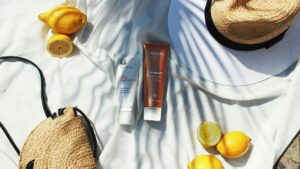


non-comedogenic sunscreens acne-prone skin konusunda Best Non-Comedogenic Sunscreens for Acne-Prone Skin 2026 hakkında hazırladığımız bu rehberde tüm detayları bulacaksınız.
Finding a sunscreen that protects without causing breakouts can feel like an uphill battle for anyone with acne-prone skin. The best non-comedogenic sunscreens for acne-prone skin in 2026 are specifically formulated to shield your skin from harmful UV rays while keeping pores clear and oil production in check. At Beaute Cosmetic, we’ve tested dozens of options—from lightweight lotions to sheer mineral formulas—to help you enjoy sun-safe days without sacrificing your complexion. Whether you’re dealing with occasional pimples or persistent acne, the right SPF can actually improve your skin’s health while preventing post-inflammatory hyperpigmentation from sun exposure.
Why Non-Comedogenic Sunscreens Matter for Acne-Prone Skin
Not all sunscreens are created equal, and for acne-prone skin, the difference lies in the ingredients. Non-comedogenic sunscreens are designed not to clog pores, reducing the risk of comedones (whiteheads and blackheads) and inflammatory acne. Many traditional sunscreens contain oils, silicones, or heavy emollients that can trap sebum and dead skin cells, leading to breakouts. In contrast, non-comedogenic formulas prioritize lightweight, breathable textures that allow the skin to function naturally. Additionally, sun exposure can actually worsen acne scarring and hyperpigmentation, so daily protection is non-negotiable. According to the American Academy of Dermatology, broad-spectrum SPF 30 or higher is recommended for everyone, but those with acne should specifically seek out oil-free, non-comedogenic options.
We at Beaute Cosmetic have curated a list of the best non-comedogenic sunscreens based on texture, ingredient safety, and real-world performance. Our editors, who have acne-prone skin themselves, tested each SPF for wearability under makeup, shine control, and pore-clogging potential. The result? A definitive guide for 2026.
Key Ingredients to Look for in Non-Comedogenic Sunscreens
Understanding what goes into your sunscreen is crucial for avoiding breakouts. The best non-comedogenic sunscreens for acne-prone skin rely on mineral filters like zinc oxide and titanium dioxide, which sit on the skin’s surface and reflect UV rays. These ingredients are naturally non-irritating and less likely to cause congestion. Chemical filters such as avobenzone or octinoxate can be safe for many, but some users report sensitivity or breakouts; thus, mineral sunscreens are often the safer bet. Additionally, look for soothing ingredients like niacinamide (which helps regulate sebum and reduce inflammation), hyaluronic acid for lightweight hydration, and antioxidants like vitamin C to combat free radicals. Avoid sunscreens with heavy oils (coconut oil, mineral oil) or comedogenic silicones. Always check the label for “non-comedogenic” or “oil-free” claims, but remember that these are not FDA-regulated terms, so patch testing remains essential.
Top 5 Non-Comedogenic Sunscreens for Acne-Prone Skin 2026
After rigorous testing, here are our top picks that balance sun protection with acne-friendly formulations.
1. Supergoop! Unseen Sunscreen SPF 40
This cult-favorite absorbs instantly with a zero-weight, invisible finish. It uses a non-comedogenic formulation that works well under makeup and leaves no white cast. The added red algae extract helps protect against blue light, making it perfect for city dwellers.
2. La Roche-Posay Anthelios Clear Skin Oil-Free Sunscreen SPF 60
Specifically designed for oily and acne-prone skin, this fluid lotion contains perlite to absorb excess oil and is fragrance-free. Its high SPF and non-comedogenic formula make it a dermatologist favorite. At Beaute Cosmetic, we’ve seen it earn rave reviews for not causing breakouts even during humid summers.
3. EltaMD UV Clear Broad-Spectrum SPF 46
This is a holy grail for many with acne-prone skin. It contains niacinamide and hyaluronic acid to calm and hydrate while zinc oxide provides mineral protection. The lightweight texture leaves a natural finish and is often recommended by dermatologists for rosacea and acne patients.
4. Neutrogena Clear Face Break-Out Free Liquid Lotion Sunscreen SPF 30
An affordable drugstore option that delivers reliable protection without clogging pores. It is oil-free and non-comedogenic, with a gentle formula suitable for daily wear. In our tests, it absorbed quickly and kept shine at bay for about four hours.
5. COSRX Aloe Soothing Sun Cream SPF 50+
This K-beauty favorite combines aloe vera for soothing with a lightweight, non-greasy feel. It leaves zero white cast and is safe for sensitive, acne-prone skin. The aloe helps reduce redness from existing blemishes while protecting against UV damage.
| Sunscreen | SPF | Key Features | Price (USD) |
|---|---|---|---|
| Supergoop! Unseen Sunscreen | 40 | Invisible, weightless, blue light protection | $38 |
| La Roche-Posay Anthelios | 60 | Oil-absorbing, fragrance-free | $35 |
| EltaMD UV Clear | 46 | Niacinamide, hyaluronic acid, mineral | $43 |
| Neutrogena Clear Face | 30 | Drugstore price, oil-free | $12 |
| COSRX Aloe Soothing Sun Cream | 50+ | Aloe, soothing, white cast-free | $18 |
Benefits of Using Non-Comedogenic Sunscreens for Acne-Prone Skin
Switching to non-comedogenic sunscreens offers multiple benefits beyond just UV protection. First, they help maintain a clear complexion by preventing pore blockages, which reduces the frequency of breakouts. Second, many formulations are oil-free and mattifying, making them ideal for oily skin types who struggle with shine. Third, consistent use of safe sunscreens can fade post-acne marks (PIH) faster by preventing further darkening. According to a study in the Journal of the American Academy of Dermatology, daily SPF use significantly improves the appearance of hyperpigmentation in acne patients. Finally, these sunscreens often include soothing ingredients like aloe or niacinamide, which calm active breakouts and reduce redness.

Common Mistakes When Choosing Sunscreens for Acne-Prone Skin
Even with the best intentions, many people make avoidable errors. The most common is assuming that all mineral sunscreens are non-comedogenic—while they are less likely to clog pores, some still contain comedogenic butters or oils. Another mistake is skipping SPF on cloudy days or indoors; UV rays can penetrate glass and clouds, leading to cumulative damage. People also often use too little sunscreen—a full face requires about a nickel-sized amount. Additionally, combining comedogenic skincare products underneath a non-comedogenic sunscreen can still cause breakouts. For those using active ingredients like retinol or AHAs, wearing sufficient non-comedogenic SPF is crucial because these can increase sun sensitivity. Finally, never use a sunscreen that claims to treat acne—it may contain drying alcohols that disrupt the skin barrier. Always patch test new products on your jawline for a few days before full application.
Expert Insight: Why Non-Comedogenic SPF Is a Game-Changer
From our editorial perspective at Beaute Cosmetic, one of the most underappreciated aspects of non-comedogenic sunscreens is their role in long-term skin health. Many acne sufferers avoid sunscreen entirely out of fear of breakouts, but that leads to premature aging and increased scarring. Modern formulations have evolved significantly, offering elegant textures that feel like nothing on the skin. We have seen numerous readers successfully incorporate daily SPF into their routines after switching to non-comedogenic options, and their skin barrier improved over time. It is a classic case of choosing the right tool for the job: a well-formulated non-comedogenic sunscreen can be your skin’s best ally.
Practical Tips for Incorporating Non-Comedogenic Sunscreen into Your Routine
- Apply sunscreen as the last step of your skincare routine, after moisturizer but before makeup.
- Wait 2–3 minutes after application to allow it to set before layering foundation or powder.
- Reapply every two hours when outdoors, using a powder or spray sunscreen for convenience if you wear makeup.
- Pair non-comedogenic sunscreen with a gentle cleanser at night to remove all traces.
- For hyperpigmentation, choose a mineral SPF 50+ with iron oxides (tinted) for added visible light protection.
Risks and Considerations
While non-comedogenic sunscreens are generally safe, some formulations can still cause reactions in extremely sensitive individuals. For instance, zinc oxide can be drying for some, leading to irritation if the skin barrier is compromised. Also, no sunscreen is entirely non-comedogenic for every person—individual pore structure and skin microbiome vary. It is essential to monitor your skin’s response and discontinue use if you notice new clogs. Additionally, many non-comedogenic chemical sunscreens may still contain ingredients like octinoxate, which some regulatory bodies have raised concerns about hormonal effects; mineral sunscreens are a safer alternative for those worried about systemic absorption. Always choose sunscreens with clear ingredient lists and stick to reputable brands.
Best Practices for Choosing Your Perfect Non-Comedogenic Sunscreen
Start by identifying your primary concern: shine control, hydration, or invisible finish. Test products on a small area before committing. Read ingredient lists carefully; look for terms like “zinc oxide,” “niacinamide,” and “fragrance-free.” Cross-reference with user reviews from verified purchasers, and consult dermatologist recommendations if possible. Remember that the best non-comedogenic sunscreen for acne-prone skin is one you will wear consistently. At Beaute Cosmetic, we update our recommendations annually, so check back for new formulas as science advances.
If you are also struggling with summer breakouts, our guide on how to treat summer acne with non-comedogenic sunscreens provides additional strategies. For those with sensitive skin, the top 5 fragrance-free sunscreens for sensitive skin are a great starting point.
Detaylı bilgi ve ek kaynaklar için resmi Vikipedi adresini ziyaret edebilir veya ilgili belgelere göz atabilirsiniz.
Sıkça Sorulan Sorular
What does non-comedogenic mean in sunscreen?
Non-comedogenic means the product is formulated to not clog pores. Sunscreens labeled as such are less likely to cause whiteheads, blackheads, or acne breakouts, making them ideal for acne-prone skin.
Can non-comedogenic sunscreen treat acne?
No, sunscreen does not treat acne itself. However, non-comedogenic sunscreens help prevent additional breakouts caused by pore clogging and protect against UV-induced hyperpigmentation, which can make post-acne marks darker.
Is mineral or chemical sunscreen better for acne-prone skin?
Mineral sunscreens (zinc oxide, titanium dioxide) are generally better because they are non-irritating and rarely cause breakouts. Chemical sunscreens can trigger sensitivity in some, but many non-comedogenic chemical options exist.
How much sunscreen should I use on my face?
For the face and neck, use about a nickel-sized amount (approximately 1/4 teaspoon). Apply evenly and reapply every two hours if exposed to sun.
Can I use non-comedogenic sunscreen if I have oily skin?
Yes, non-comedogenic sunscreens are often oil-free and mattifying, making them excellent for oily skin. Look for formulas with ingredients like silica or perlite that absorb excess sebum.
Does non-comedogenic sunscreen expire?
Yes, like all sunscreens, they have an expiration date. Using expired sunscreen can reduce effectiveness and increase the risk of irritation or breakouts. Typically, they last about three years from manufacture date.
Is SPF 30 enough for acne-prone skin?
SPF 30 is the minimum recommended by dermatologists for daily wear, but if you have hyperpigmentation or are on active treatments like retinol, SPF 50 is advised for better protection.
Can I wear non-comedogenic sunscreen under makeup?
Yes, many non-comedogenic sunscreens are designed to wear seamlessly under makeup. Opt for sheer or lightweight formulas and allow a few minutes for absorption before applying foundation.
Choosing the best non-comedogenic sunscreens for acne-prone skin doesn’t have to be complicated. By focusing on ingredients, texture, and proper application, you can protect your skin without fueling breakouts. At Beaute Cosmetic, we recommend starting with one of our top picks—like EltaMD UV Clear or La Roche-Posay Anthelios—to see how your skin responds. Remember, consistency is key: make SPF a non-negotiable daily habit to preserve your skin’s health and prevent long-term damage. Our updated 2026 guide will continue to highlight innovative sunscreens that combine safety with elegance. Shop our curated selection at Beaute Cosmetic and enjoy sun-soaked days with confidence.
- Non-comedogenic sunscreens acne-prone skin ile ilgili son gelişmeler, kullanıcı deneyimlerini olumlu yönde etkilemektedir.
- Uzmanlar, non-comedogenic sunscreens acne-prone skin kullanımında bu rehberde belirtilen adımların takip edilmesini önermektedir.
- Gelecek güncellemelerle birlikte non-comedogenic sunscreens acne-prone skin alanındaki yeniliklerin daha da genişlemesi bekleniyor.