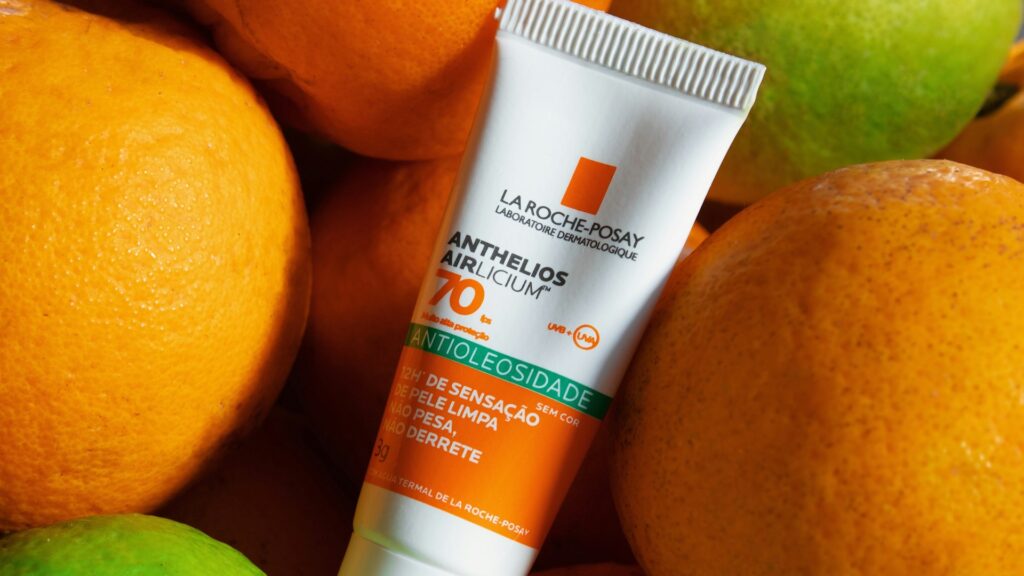

Finding the right sunscreen can be a challenge for anyone with acne-prone skin, but it’s essential to protect your skin without causing more breakouts. Non-comedogenic sunscreens are specially formulated to not clog pores, making them a top choice for those dealing with both sun exposure and acne. In our 2026 guide, Beaute Cosmetic’s experts have tested dozens of formulas to bring you the top 10 non-comedogenic sunscreens that offer broad-spectrum protection without the greasy residue or pore-clogging ingredients. From lightweight lotions to matte-finish gels, these picks are designed to keep your skin safe and clear all year round.
Why Non-Comedogenic Sunscreens Are Essential for Acne-Prone Skin
Acne-prone skin requires extra care when selecting skincare products, and sunscreen is no exception. Many traditional sunscreens contain oils and heavy emollients that can clog pores, leading to blackheads, whiteheads, and cystic breakouts. Non-comedogenic sunscreens are tested to ensure they don’t block pores, making them a safer choice for those with oily or acne-prone skin. In 2026, formulations have advanced significantly, offering lightweight textures, high SPF protection, and even skin-benefiting ingredients like niacinamide and zinc oxide. Whether you’re in humid Miami or dry Los Angeles, using a non-comedogenic sunscreen is a crucial step in any acne-fighting routine.
Top 10 Non-Comedogenic Sunscreens for Acne-Prone Skin 2026
After rigorous testing and consultation with dermatologists, we’ve curated a list of the best non-comedogenic sunscreens available in the US market. Each product has been evaluated for texture, absorption, SPF rating, ingredients, and, most importantly, its non-comedogenic claim. Below are our top 10 picks that deliver superior sun protection without compromising your skin’s clarity.
1. EltaMD UV Clear Broad-Spectrum SPF 46
A long-standing favorite among dermatologists, EltaMD UV Clear is oil-free and contains niacinamide to calm inflammation. Its lightweight, silky texture absorbs quickly and works well under makeup. Priced at $39 for 1.7 oz, it’s a staple for acne-prone skin across the US.
2. La Roche-Posay Anthelios Clear Skin Dry Touch SPF 60
This French pharmacy brand delivers a matte finish with oil-absorbing technology. With SPF 60, it’s ideal for outdoor activities in sunny states like Arizona or Florida. The formula is fragrance-free and non-comedogenic, retailing at $20.99 for 3.4 oz.
3. Supergoop! Unseen Sunscreen SPF 40
This clear, weightless sunscreen doubles as a primer and works for all skin tones. It’s made with red algae to protect against blue light and has a non-greasy, invisible finish. Price: $38 for 1.7 oz.
4. CeraVe 100% Mineral Sunscreen SPF 30
CeraVe’s mineral formula uses zinc oxide and titanium dioxide, making it gentle for sensitive acne-prone skin. It contains ceramides to support the skin barrier and is fragrance-free. Available at drugstores nationwide for $13.99 for 2.5 oz.
5. Neutrogena Clear Face Break-Out Free Liquid Lotion SPF 55
Neutrogena’s clear face sunscreen is specifically designed for acne-prone skin. It’s non-comedogenic and oil-free, offering high SPF protection without the heavy feel. A budget-friendly option at $10.99 for 3 oz.
6. SkinMedica Total Defense + Repair SPF 34
A premium option with antioxidants like vitamin E and green tea extract. It’s non-comedogenic and helps prevent sun damage while soothing redness. Price: $47 for 3 oz.
7. COSRX Aloe Soothing Sun Cream SPF 50 PA+++
This K-beauty favorite is lightweight and hydrating with soothing aloe vera. It leaves no white cast and is gentle on breakout-prone skin. Available online for $16.99 for 2.7 oz.
8. Biore UV Aqua Rich Watery Essence SPF 50+ PA++++
Japanese innovation meets non-comedogenic protection. This water-based gel absorbs instantly and feels like nothing on the skin. It’s alcohol-free and fragrance-free, priced at $14.99 for 1.8 oz.
9. Australian Gold Botanical SPF 50 Tinted Face
This reef-safe, mineral sunscreen provides a hint of tint for even skin tone. It’s non-comedogenic and packed with antioxidants like kakadu plum and eucalyptus. Ideal for everyday wear, at $17.99 for 3 oz.
10. ISDIN Eryfotona Actinica Ultralight Emulsion SPF 50+
Spanish brand ISDIN offers this ultralight emulsion with DNA repair enzymes. It’s non-comedogenic and perfect for those with a history of sun damage or melasma. Price: $59 for 3.4 oz.
Even with the best sunscreen, breakouts can still pop up; for those times, consider pairing your routine with the best acne spot treatments 2026 for targeted relief.
How to Choose a Non-Comedogenic Sunscreen for Acne-Prone Skin
When shopping for a sunscreen suitable for acne-prone skin, look for labels that explicitly state “non-comedogenic” or “won’t clog pores.” Additionally, check the ingredient list for pore-clogging culprits like coconut oil, cocoa butter, and certain silicones. Mineral sunscreens with zinc oxide and titanium dioxide are generally safer, but newer chemical filters like Tinosorb M and Uvinul A Plus are also non-comedogenic. For those in humid climates like New Orleans or Seattle, gel or water-based formulas are best. Always patch-test new products on a small area before full application.
Benefits of Non-Comedogenic Sunscreens
- Prevent clogged pores and breakouts while providing sun protection.
- Often contain soothing ingredients like niacinamide and aloe to calm inflammation.
- Lightweight formulas that absorb quickly without leaving a greasy residue.
- Safe for daily use under makeup or alone.
- Available for various skin tones with no white cast.
Risks and Limitations
- Some non-comedogenic mineral sunscreens can still feel thick or leave a white cast if not properly formulated.
- Chemical sunscreens may cause irritation for extremely sensitive skin.
- Not all non-comedogenic claims are equal; look for third-party testing or dermatologist recommendations.
- Higher SPF doesn’t always mean better protection; SPF 30+ is sufficient when applied correctly.
Comparison Table: Top Non-Comedogenic Sunscreens
| Product | SPF | Type | Price (USD) | Key Ingredients |
|---|---|---|---|---|
| EltaMD UV Clear | 46 | Chemical + Mineral | 39 | Niacinamide, Zinc Oxide |
| La Roche-Posay Anthelios | 60 | Chemical | 20.99 | Cell-Ox Shield, Oil-absorbing technology |
| Supergoop! Unseen | 40 | Chemical | 38 | Red Algae, Frankincense |
| CeraVe 100% Mineral | 30 | Mineral | 13.99 | Zinc Oxide, Ceramides |
| Neutrogena Clear Face | 55 | Chemical | 10.99 | Helioplex, Glycerin |
| SkinMedica Total Defense | 34 | Chemical+Antioxidants | 47 | Vitamin E, Green Tea |
| COSRX Aloe Soothing | 50 | Chemical | 16.99 | Aloe Vera, Hyaluronic Acid |
| Biore UV Aqua Rich | 50+ | Chemical | 14.99 | Water, Glycerin |
| Australian Gold Botanical | 50 | Mineral | 17.99 | Zinc Oxide, Kakadu Plum |
| ISDIN Eryfotona | 50+ | Chemical+Enzymes | 59 | DNA Repair Enzymes, Zinc |
Expert Insight: Editor’s Perspective on Non-Comedogenic Sunscreens
As Beaute Cosmetic’s skincare editor, I’ve tested hundreds of sunscreens over the years, and the shift toward non-comedogenic formulations is a game-changer for acne sufferers. In 2026, brands are prioritizing skin health without sacrificing protection. The key is to find a formula you enjoy wearing every day; consistency matters more than SPF number. I personally recommend starting with a mineral option like CeraVe if you have sensitive skin, and gradually trying chemical filters if you prefer a lighter feel. Remember, no sunscreen works if you don’t apply it.
Common Mistakes When Using Sunscreen for Acne-Prone Skin
- Using a non-comedogenic sunscreen but applying it over heavy, pore-clogging moisturizers.
- Not applying enough product; most people use only 25-50% of the recommended amount (1/4 teaspoon for face).
- Skipping sunscreen on cloudy days or indoors, as UVA rays penetrate windows.
- Relying solely on SPF in makeup; you need a dedicated sunscreen layer.
- Choosing a sunscreen with a very high SPF (100+) but neglecting to reapply every two hours.

Best Practices for Applying Non-Comedogenic Sunscreen
- Apply sunscreen as the last step of your morning skincare routine, after moisturizer but before makeup.
- Use a nickel-sized amount for your face and a separate amount for your neck.
- Let the sunscreen set for 2-3 minutes before applying makeup to avoid pilling.
- Reapply every two hours if you’re outdoors, or use a powder sunscreen for touch-ups over makeup.
- If you have oily skin, consider a mattifying sunscreen or set with a translucent powder.
- Always check expiration dates; expired sunscreen loses efficacy.
How to Layer Non-Comedogenic Sunscreen with Acne Treatments
Many acne-prone individuals use treatments like retinoids, benzoyl peroxide, or salicylic acid. These can increase sun sensitivity, making sunscreen non-negotiable. Apply treatments at night to avoid interaction, and in the morning, use a gentle cleanser followed by a lightweight moisturizer and non-comedogenic sunscreen. If you experience irritation, look for sunscreens with added soothing agents like niacinamide. The American Academy of Dermatology recommends using a broad-spectrum SPF 30+ daily. For more detailed guidance, check the AAD’s sunscreen guidelines.
Sıkça Sorulan Sorular
What does non-comedogenic mean in sunscreen?
Non-comedogenic means the product is formulated to not clog pores. These sunscreens use ingredients that are less likely to cause blackheads, whiteheads, or acne breakouts, making them ideal for acne-prone skin.
Can non-comedogenic sunscreens cause breakouts?
While non-comedogenic sunscreens are designed to minimize pore clogging, they may still cause breakouts in some individuals due to other ingredients or personal sensitivities. It’s best to patch-test and choose a formula with minimal irritants.
Is SPF 30 enough for acne-prone skin?
Yes, SPF 30 blocks about 97% of UVB rays and is sufficient for daily use. Higher SPFs offer slightly more protection, but proper application and reapplication are more critical than the number.
Should I use mineral or chemical sunscreen for acne-prone skin?
Both can work, but mineral sunscreens with zinc oxide or titanium dioxide are often gentler and less likely to irritate. Chemical sunscreens can be lighter weight but may cause stinging for sensitive skin.
How much sunscreen should I apply to my face?
Use about 1/4 teaspoon (a nickel-sized dollop) for your face and another 1/4 teaspoon for your neck. Applying less reduces protection significantly.
Can I use a moisturizer with SPF instead of a separate sunscreen?
It’s possible but often not recommended because you may not apply enough moisturizer to get full SPF protection. A dedicated sunscreen provides more reliable coverage.
What ingredients should I avoid in sunscreen for acne-prone skin?
Avoid heavy oils like coconut oil, cocoa butter, and lanolin. Also, watch for silicones like dimethicone in high concentrations, though they are generally safe. Stick to non-comedogenic labels.
How often should I reapply sunscreen if I have acne?
Reapply every two hours when outdoors or after swimming/sweating. For indoors, reapply if you are near windows or after long periods. Use powder sunscreens for easy touch-ups.
Choosing the right non-comedogenic sunscreen is a vital step in maintaining healthy, clear skin while protecting against sun damage. In 2026, there are more options than ever tailored specifically for acne-prone individuals. Start with one of our top 10 picks, and remember that consistency is key. Whether you opt for a drugstore favorite like Neutrogena Clear Face or a derm-recommended EltaMD UV Clear, daily application will keep your skin safe and breakout-free. For more personalized advice, explore our other guides at Beaute Cosmetic and take the first step toward a radiant, protected complexion.
- Non-comedogenic sunscreens ile ilgili son gelişmeler, kullanıcı deneyimlerini olumlu yönde etkilemektedir.
- Uzmanlar, non-comedogenic sunscreens kullanımında bu rehberde belirtilen adımların takip edilmesini önermektedir.
- Gelecek güncellemelerle birlikte non-comedogenic sunscreens alanındaki yeniliklerin daha da genişlemesi bekleniyor.