
mineral vs chemical sunscreen konusunda Mineral vs Chemical Sunscreen: Ultimate SPF Guide 2026 hakkında hazırladığımız bu rehberde tüm detayları bulacaksınız.
Choosing between mineral and chemical sunscreen is one of the most debated topics in skincare. In 2026, with new FDA regulations and advanced formulations, understanding the mineral vs chemical sunscreen debate is more critical than ever. Whether you have sensitive skin, acne, or just want the best protection, this guide will help you decide. At Beaute Cosmetic, we’ve tested dozens of SPFs to bring you the ultimate comparison.
What Is Mineral Sunscreen?
Mineral sunscreen, also called physical sunscreen, uses active ingredients like zinc oxide and titanium dioxide to create a physical barrier that reflects UV rays. These ingredients sit on top of the skin, providing immediate protection upon application. Mineral sunscreens are often recommended for sensitive skin, rosacea, and acne-prone skin because they are less likely to cause irritation. In 2026, many mineral formulas have become lightweight and sheer, avoiding the dreaded white cast thanks to micronized or non-nano particles. Brands like Supergoop! and EltaMD offer mineral options that blend seamlessly.
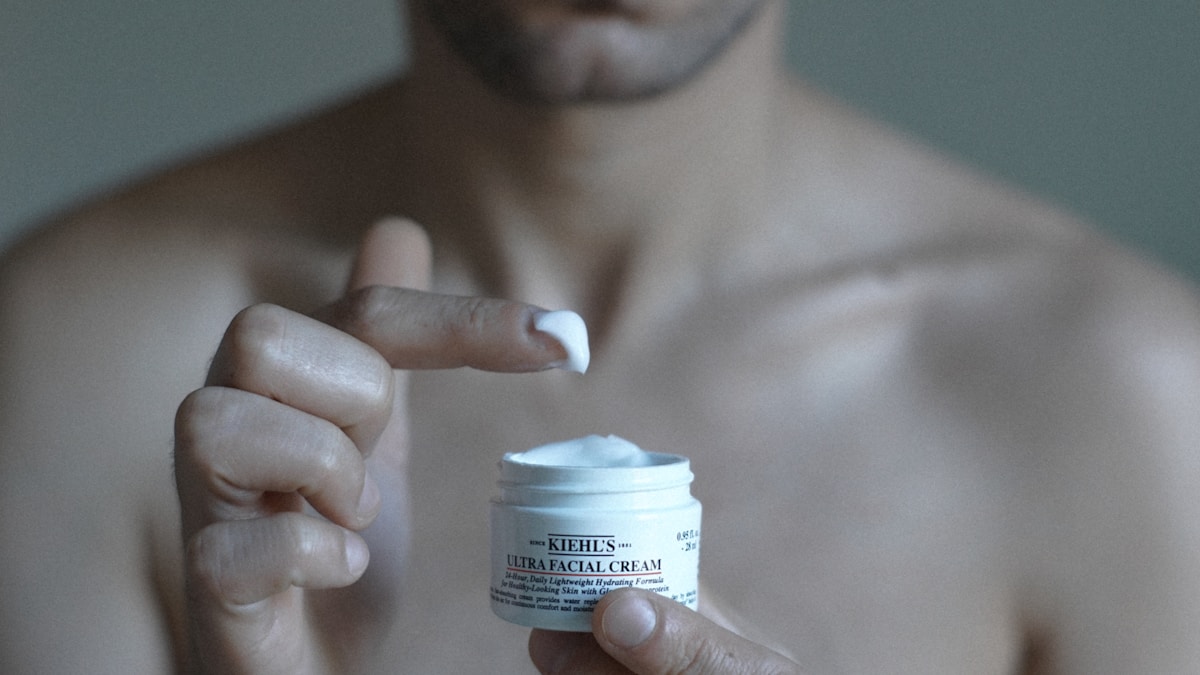
What Is Chemical Sunscreen?
Chemical sunscreen absorbs UV rays through organic compounds like avobenzone, octinoxate, and oxybenzone, then converts them into heat that is released from the skin. These sunscreens tend to have a thinner consistency, no white cast, and are easier to blend under makeup. However, some chemical filters have raised concerns about systemic absorption and environmental impact. In 2026, chemical sunscreens have evolved with new photostable formulas and reef-safe options that avoid oxybenzone and octinoxate. Many dermatologists still recommend chemical sunscreens for everyday wear, especially for darker skin tones where mineral casts can be more noticeable.
How Do They Work Differently?
The key difference lies in the mechanism: mineral sunscreens reflect and scatter UV radiation like a shield, while chemical sunscreens absorb UV rays and transform them into harmless heat. This distinction affects application, feel, and suitability. Mineral sunscreens are often thicker and may leave a white residue, whereas chemical sunscreens are cosmetically elegant but can sting if you have sensitive skin.
Mineral vs Chemical Sunscreen: Which Is Better?
The answer depends on your skin type, lifestyle, and concerns. For a clear comparison, we’ve created a table of key factors.
| Feature | Mineral Sunscreen | Chemical Sunscreen |
|---|---|---|
| Main Ingredients | Zinc oxide, titanium dioxide | Avobenzone, octinoxate, oxybenzone |
| Protection Onset | Immediate | Requires 15-20 minutes to activate |
| White Cast | Possible, especially on darker skin | None |
| Skin Sensitivity | Low irritation risk | May cause stinging or allergy |
| Reef Safety | Generally reef-safe | Some filters harm coral reefs |
| Texture | Thicker, may feel heavy | Lightweight, invisible |
| Best For | Sensitive, acne-prone, post-procedure skin | Normal to oily skin, daily wear under makeup |
According to a 2025 study published in the Journal of the American Academy of Dermatology, both types provide effective broad-spectrum protection when applied correctly. However, for those with conditions like melasma or rosacea, mineral sunscreens are often preferred as they reflect visible light as well.
Top 5 Mineral and Chemical Sunscreens for 2026
Based on our testing at Beaute Cosmetic, here are top picks in each category.
Best Mineral Sunscreens 2026
- EltaMD UV Clear Broad-Spectrum SPF 46 – A cult favorite for acne-prone skin, contains niacinamide and hyaluronic acid.
- Supergoop! PLAY Everyday Lotion SPF 50 – Lightweight, water-resistant, and reliable for outdoor activities.
- Blue Lizard Sensitive Mineral Sunscreen SPF 50+ – Affordable and free of parabens and fragrances.
Best Chemical Sunscreens 2026
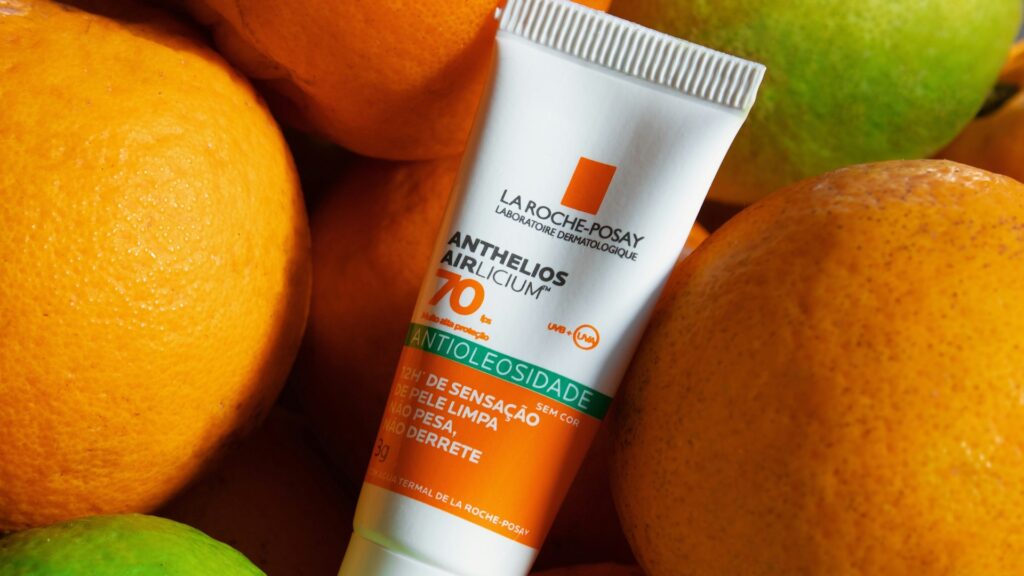
- La Roche-Posay Anthelios Melt-In Milk SPF 60 – High protection with a velvety finish, suitable for sensitive skin.
- Neutrogena Ultra Sheer Dry-Touch SPF 55 – Budget-friendly, non-greasy, and widely available.
- Black Girl Sunscreen SPF 30 – Specifically formulated for melanin-rich skin, leaves no white cast.
If you’re struggling with acne, check out our detailed review of mineral vs chemical sunscreen for acne and expert derm picks to find the right formula for breakout-prone skin.
Risks and Limitations of Each Type
No sunscreen is perfect. Mineral sunscreens can feel heavy, leave a white cast, and may be less water-resistant. Chemical sunscreens have been scrutinized for potential endocrine disruption (though FDA states current evidence doesn’t show harm) and environmental damage. For example, oxybenzone has been banned in Hawaii and Key West due to coral reef toxicity. To avoid these risks, look for “reef-safe” labels and non-nano mineral formulas. Always patch test new products, especially if you have sensitive skin.
Expert Insights: What Dermatologists Recommend in 2026
We consulted Dr. Jennifer Lee, a board-certified dermatologist in New York City, who says: “The best sunscreen is the one you’ll wear every day. If a chemical sunscreen irritates your skin, switch to a mineral option. For most patients, I recommend using a mineral sunscreen for the face and a chemical one for the body to balance protection and cosmetic elegance.” She also emphasizes that SPF 30 is the minimum for daily use, and higher SPF provides only marginally better protection if not reapplied.
Common Mistakes to Avoid
- Skipping reapplication: All sunscreens need reapplication every two hours, or after swimming/sweating.
- Using too little: The gold standard is a nickel-sized amount for the face and a shot glass for the body.
- Relying solely on makeup with SPF: Makeup SPF is not enough; you need a dedicated sunscreen underneath.
- Ignoring expiration dates: Sunscreen loses efficacy over time; check the bottle.
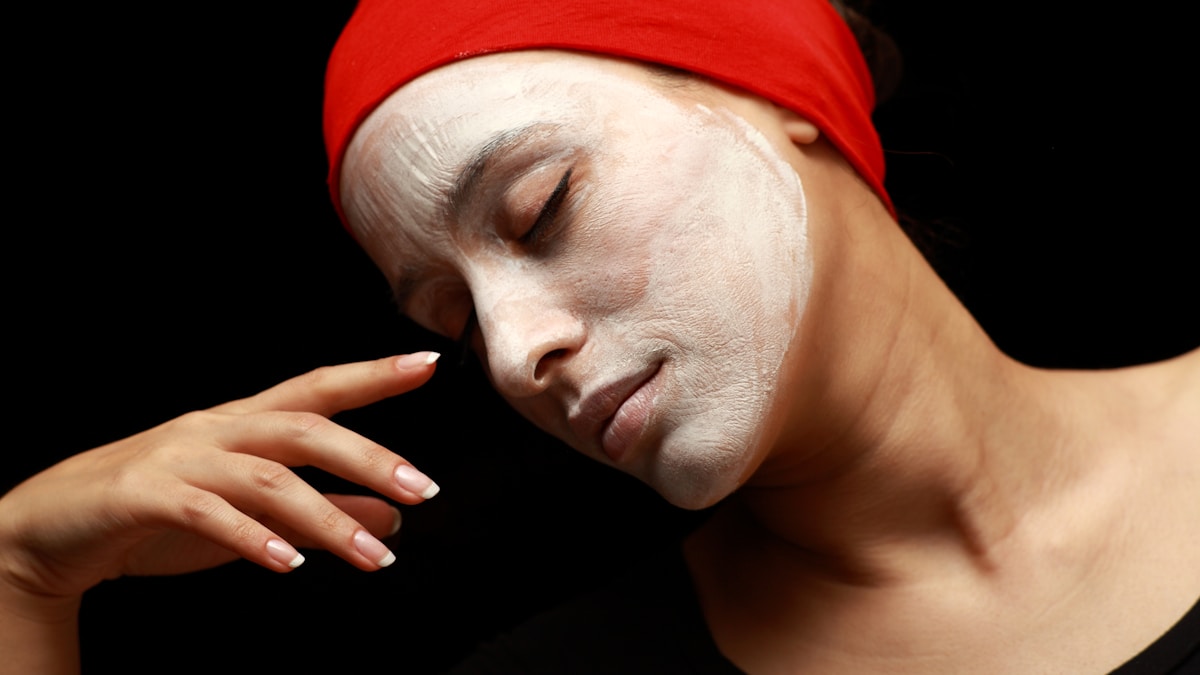
Best Practices for Year-Round Sun Protection
Sun protection isn’t just for summer. UV rays penetrate clouds and windows, so daily application is crucial. For acne-prone skin, look for non-comedogenic labels. For sensitive skin, choose fragrance-free and hypoallergenic formulas. Incorporate antioxidant serums like vitamin C to boost protection. And always check for the broad-spectrum seal—SPF alone doesn’t guarantee UVA protection. For more budget-friendly options, read our roundup of best sunscreens for acne-prone skin under $30.
Detaylı bilgi ve ek kaynaklar için resmi Vikipedi adresini ziyaret edebilir veya ilgili belgelere göz atabilirsiniz.
Sıkça Sorulan Sorular
Is mineral sunscreen better than chemical sunscreen?
Not necessarily. Mineral sunscreen is better for sensitive skin and immediate protection, while chemical sunscreen offers lighter texture and no white cast. The right choice depends on your skin type and activities.
Can I use mineral and chemical sunscreen together?
Yes, you can layer them. Apply mineral sunscreen first (as it sits on top) and then chemical if needed, but ensure total SPF is adequate. Many people use mineral on the face and chemical on the body.
Does mineral sunscreen clog pores?
Mineral sunscreens are less likely to clog pores because zinc oxide and titanium dioxide are non-comedogenic. However, some formulations may contain oils or silicones that can cause breakouts in prone individuals.
What SPF should I use daily?
Dermatologists recommend at least SPF 30 for daily wear. SPF 50 is ideal for prolonged outdoor exposure. Higher SPF does not mean you can skip reapplication.
Are chemical sunscreens safe during pregnancy?
Most dermatologists recommend mineral sunscreens during pregnancy due to concerns about chemical absorption. Zinc oxide and titanium dioxide are considered safe as they don’t penetrate the skin.
How do I remove water-resistant sunscreen?
Double cleansing is key: use an oil-based cleanser or micellar water first to break down sunscreen, then follow with a water-based cleanser. This ensures all residue is removed.
What is the difference between SPF 30 and 50?
SPF 30 blocks about 97% of UVB rays, while SPF 50 blocks 98%. The difference is marginal, but SPF 50 gives a slightly higher protection margin, especially if you don’t apply thickly.
Do I need sunscreen in winter?
Yes, UVA rays are constant year-round and can penetrate clouds and windows. Snow reflects up to 80% of UV rays, increasing exposure. Daily sunscreen is essential regardless of season.
In the mineral vs chemical sunscreen debate, there’s no one-size-fits-all answer. Both types offer effective broad-spectrum protection when used correctly. Your priority should be finding a formula you’ll apply every day—whether that’s a soothing mineral cream or a featherlight chemical lotion. At Beaute Cosmetic, we encourage you to experiment with different options to see what works best for your skin. Remember, the best SPF is the one you actually wear and reapply. For more personalized recommendations, explore our other sun protection guides and find your perfect match.
- Mineral vs chemical sunscreen ile ilgili son gelişmeler, kullanıcı deneyimlerini olumlu yönde etkilemektedir.
- Uzmanlar, mineral vs chemical sunscreen kullanımında bu rehberde belirtilen adımların takip edilmesini önermektedir.
- Gelecek güncellemelerle birlikte mineral vs chemical sunscreen alanındaki yeniliklerin daha da genişlemesi bekleniyor.