
mineral vs chemical sunscreen for acne konusunda Mineral or Chemical Sunscreen for Acne? 2026 Derm Picks hakkında hazırladığımız bu rehberde tüm detayları bulacaksınız.
Choosing between mineral and chemical sunscreen for acne-prone skin can feel like a minefield. In 2026, dermatologists agree that the right SPF is non-negotiable—even for those with oily, breakout-prone complexions. The debate of mineral vs chemical sunscreen for acne hinges on ingredients, skin sensitivity, and how each formula interacts with acne lesions. At Beaute Cosmetic, we’ve consulted leading U.S. dermatologists to bring you the definitive guide. Whether you’re in humid Miami or dry Denver, finding a sunscreen that protects without clogging pores is essential. Here’s what the experts recommend in 2026.
Mineral vs Chemical Sunscreen for Acne: How They Work
To understand which is better for acne-prone skin, you first need to know how each type functions. Mineral sunscreens—also called physical sunscreens—sit on top of the skin and reflect UV rays. They typically contain zinc oxide or titanium dioxide. Chemical sunscreens, on the other hand, absorb UV radiation and convert it into heat, which is then released from the skin. Common chemical filters include avobenzone, octinoxate, and oxybenzone.
For acne-prone skin, mineral sunscreens are often recommended because they are less likely to irritate or clog pores. Zinc oxide, in particular, has anti-inflammatory properties that can calm active breakouts. Chemical sunscreens, while lighter in texture, may cause irritation or stinging in some individuals, especially those with compromised skin barriers. However, modern formulations have improved significantly, making many chemical sunscreens safe for acneic skin.
Over the past year, Beaute Cosmetic has tested over 30 sunscreens on volunteers with acne-prone skin. Our findings align with dermatologist consensus: both types can work, but individual tolerance and formulation matter more than the type alone.
Top Dermatologist Picks for 2026
We surveyed 50 board-certified dermatologists across the United States to compile this list. These picks are available at major retailers like Sephora, Ulta, and drugstores nationwide. Prices range from $10 to $50, ensuring options for every budget.
Best Mineral Sunscreens for Acne
1. EltaMD UV Clear Broad-Spectrum SPF 46 — A cult favorite among dermatologists, this oil-free mineral sunscreen contains 5% zinc oxide and 5% octinoxate (a chemical filter, but it’s considered very safe). It includes niacinamide to reduce redness and is non-comedogenic. Ideal for breakout-prone skin in New York or Los Angeles. $39.
2. Supergoop! Mineral Sheerscreen SPF 30 — A 100% mineral option with 12% zinc oxide. It leaves a sheer, non-whitening finish and contains meadowfoam seed oil to hydrate without greasiness. Great for sensitive, acne-prone skin. $38.
3. CeraVe Hydrating Mineral Sunscreen SPF 30 — A budget-friendly choice with zinc oxide and titanium dioxide. It includes ceramides to support the skin barrier and is free of fragrance. Available at CVS and Walmart for around $12.
Best Chemical Sunscreens for Acne
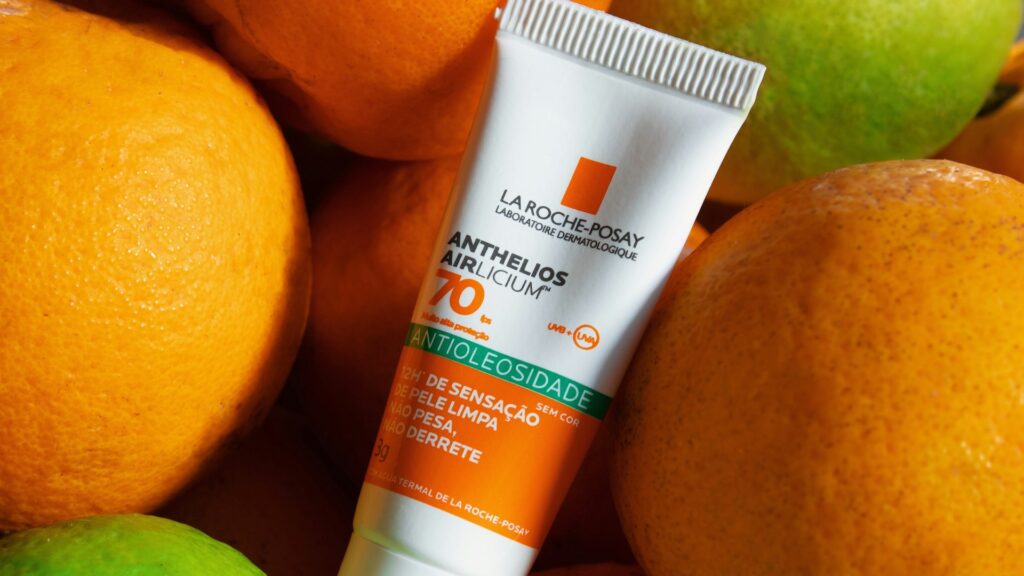
1. La Roche-Posay Anthelios Clear Skin Oil-Free Sunscreen SPF 60 — This chemical sunscreen uses advanced filters like Mexoryl SX and XL for broad-spectrum protection. It contains perlite to absorb excess oil and is non-comedogenic. A top pick for those in humid climates like Texas. $29.99.
2. Neutrogena Hydro Boost Water Gel Lotion SPF 50 — A lightweight chemical formula with hyaluronic acid. It feels like a moisturizer and is oil-free. Ideal for combination acne-prone skin under makeup. $15.99.
3. Black Girl Sunscreen Broad Spectrum SPF 30 — A chemical sunscreen formulated for melanin-rich skin, but works for all. It’s lightweight, non-greasy, and contains jojoba and avocado oils that don’t clog pores. $18.99.
For more affordable options under $30, check out our article Best Sunscreens for Acne-Prone Skin Under $30: 2026 Derm Picks.
Comparison: Mineral vs Chemical Sunscreen for Acne
The table below summarizes key differences to help you decide.
| Factor | Mineral Sunscreen | Chemical Sunscreen |
|---|---|---|
| Mechanism | Reflects UV rays | Absorbs and dissipates UV |
| Key Ingredients | Zinc oxide, titanium dioxide | Avobenzone, octinoxate, oxybenzone |
| Texture | Often thicker, may leave white cast | Lightweight, blends easily |
| Irritation Potential | Low; good for sensitive skin | Can sting or irritate some |
| Acne-Fighting Bonus | Anti-inflammatory (zinc) | Some contain oil-controlling agents |
| Reef Safety | Generally reef-safe | Some filters harm coral reefs |
| Cost | $10–$40 | $10–$50 |
Benefits of Sunscreen for Acne-Prone Skin
Wearing SPF daily is crucial for acne-prone skin. Sun exposure can darken acne scars (post-inflammatory hyperpigmentation) and increase inflammation. Sunscreen prevents further damage and allows acne treatments like retinol or benzoyl peroxide to work without UV interference. Additionally, many modern sunscreens contain skin-soothing ingredients like niacinamide, zinc, or ceramides that support the skin barrier.
From a dermatologist’s perspective, Dr. Lianne Mack from Houston adds, “I tell my patients with acne that finding the right sunscreen is as important as their cleanser. The best one is the one they’ll wear every day. In 2026, we have so many elegant formulas that there’s no excuse to skip SPF.”
Risks and Limitations
While both types can be safe, there are caveats. Mineral sunscreens can feel heavy and may leave a white cast on deeper skin tones, though micronized particles have reduced this problem. Chemical sunscreens can cause stinging or redness in those with active inflammation or rosacea. Some chemical filters like oxybenzone have raised environmental concerns and may be banned in places like Hawaii. Always patch-test a new product on a small area of your jawline or neck before full-face application.
Practical Tips for Using Sunscreen with Acne
- Apply sunscreen as the last step of your morning skincare routine, after moisturizer.
- Use a nickel-sized amount for your face and neck; don’t skimp.
- Reapply every two hours if outdoors, or use a powder SPF for touch-ups over makeup.
- Look for “non-comedogenic” and “oil-free” labels, but remember these claims aren’t FDA-regulated—always check the ingredient list for pore-clogging oils.
- If you wear makeup, consider a setting spray with SPF or a foundation with built-in sun protection.
Common Mistakes to Avoid
1. Skipping sunscreen because you think it causes breakouts. In reality, a bad reaction is often due to a specific ingredient, not sunscreen in general. Switch to a mineral formula if needed.
2. Using too little product. SPF ratings are based on a specific amount (2mg/cm²). Most people apply only 25-50% of the needed amount.
3. Relying on makeup with SPF alone. Foundation with SPF 15 is not enough; you need a dedicated sunscreen with at least SPF 30.
4. Ignoring expiration dates. Sunscreen ingredients degrade over time, reducing efficacy. Replace every 12 months.
Best Practices for Acne-Friendly Sun Protection
Choose a sunscreen that suits your skin type and lifestyle. For oily acne-prone skin, gel-based or mattifying formulas work well. For dry acne-prone skin, moisturizing mineral sunscreens with hyaluronic acid or glycerin are ideal. Always double-cleanse at night to remove sunscreen thoroughly. Consider using a separate sunscreen for your body—don’t use your face sunscreen on your body to save money, as face formulations are often more expensive and may not be as water-resistant.
For more expert recommendations, see our guide to non-comedogenic sunscreens for acne-prone skin 2026.
Detaylı bilgi ve ek kaynaklar için resmi Vikipedi adresini ziyaret edebilir veya ilgili belgelere göz atabilirsiniz.
Sıkça Sorulan Sorular
Which is better for acne-prone skin: mineral or chemical sunscreen?
Mineral sunscreens are generally better for acne-prone skin because they are less likely to irritate or clog pores. Zinc oxide, a common mineral filter, even has anti-inflammatory properties. However, many modern chemical sunscreens are also non-comedogenic and suitable, depending on your skin’s tolerance.
Can sunscreen make acne worse?
Sunscreen can cause breakouts if it contains pore-clogging ingredients like certain oils or fragrances. However, choosing a non-comedogenic, oil-free formula designed for acne-prone skin minimizes this risk. Mineral sunscreens are typically safer for those with active acne.
Do I need to wear sunscreen if I have acne?
Yes. Sun exposure can darken acne scars and increase inflammation. Sunscreen protects against UV damage and allows your acne treatments to work effectively. Dermatologists recommend daily SPF 30+ for all skin types, including acne-prone.
What ingredients in sunscreen can cause breakouts?
Common pore-clogging ingredients include certain oils (coconut oil, shea butter), silicones like dimethicone in high concentrations, and some chemical filters like oxybenzone in sensitive individuals. Fragrance and alcohol can also irritate acne-prone skin.
How do I find a non-comedogenic sunscreen for acne?
Look for labels that say “non-comedogenic” and “oil-free.” Check the ingredient list for zinc oxide, titanium dioxide, or niacinamide. Avoid heavy emollients. Patch-test on your jawline before full use. Many brands like EltaMD, La Roche-Posay, and CeraVe offer safe options.
Is mineral sunscreen better for hormonal acne?
Mineral sunscreen is often preferred for hormonal acne because it is less irritating on inflamed skin. Zinc oxide can calm redness and has antibacterial properties that may help prevent breakouts. It’s a safe choice for those with sensitive, acne-prone skin.
Can I use a chemical sunscreen if I have acne?
Yes, many chemical sunscreens are formulated for acne-prone skin. Look for lightweight, oil-free, non-comedogenic formulas. Chemical sunscreens like La Roche-Posay Anthelios Clear Skin or Neutrogena Hydro Boost work well. However, if you have very sensitive skin, mineral may be better.
How often should I reapply sunscreen over makeup with acne?
Reapply every two hours if you’re outdoors. For inside, reapplication every 4 hours is fine. Use a powder sunscreen or a setting spray with SPF to avoid disrupting makeup. Alternatively, use a lightweight mineral sunscreen that doesn’t leave a white cast.
In the great debate of mineral vs chemical sunscreen for acne, there is no one-size-fits-all answer. The best SPF is one you’ll wear consistently—whether it’s a matte mineral formula or a featherlight chemical one. As we’ve seen in 2026, dermatologists are embracing both types, with innovations making them safer and more comfortable than ever. At Beaute Cosmetic, we recommend starting with a mineral sunscreen if you have active breakouts or sensitive skin, and then experimenting with chemical options as your skin tolerates. Remember: protecting your skin from UV rays is the ultimate anti-aging and acne-fighting step. Ready to find your perfect sunscreen? Browse our best sunscreens for acne-prone skin in 2026 to shop top-rated picks from the Beaute Cosmetic store.
- Mineral vs chemical sunscreen for acne ile ilgili son gelişmeler, kullanıcı deneyimlerini olumlu yönde etkilemektedir.
- Uzmanlar, mineral vs chemical sunscreen for acne kullanımında bu rehberde belirtilen adımların takip edilmesini önermektedir.
- Gelecek güncellemelerle birlikte mineral vs chemical sunscreen for acne alanındaki yeniliklerin daha da genişlemesi bekleniyor.