
probiotic skincare review konusunda Probiotic Skincare: Do They Really Work? 2026 Review hakkında hazırladığımız bu rehberde tüm detayları bulacaksınız.
Probiotic skincare has surged in popularity, but does it truly deliver on its promises? In this comprehensive 2026 review, we separate fact from fiction. From the bustling streets of New York to sun-soaked Los Angeles, Americans are embracing microbiome-friendly routines. This probiotic skincare review dives into the science behind these products, evaluating their efficacy, benefits, and potential drawbacks. Whether you’re battling acne or seeking a radiant glow, understanding the role of beneficial bacteria is key. We’ve consulted dermatologists and analyzed the latest research to bring you an unbiased verdict. Read on to discover if probiotic skincare is worth your investment.
What Are Probiotic Skincare Products?
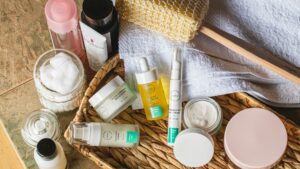
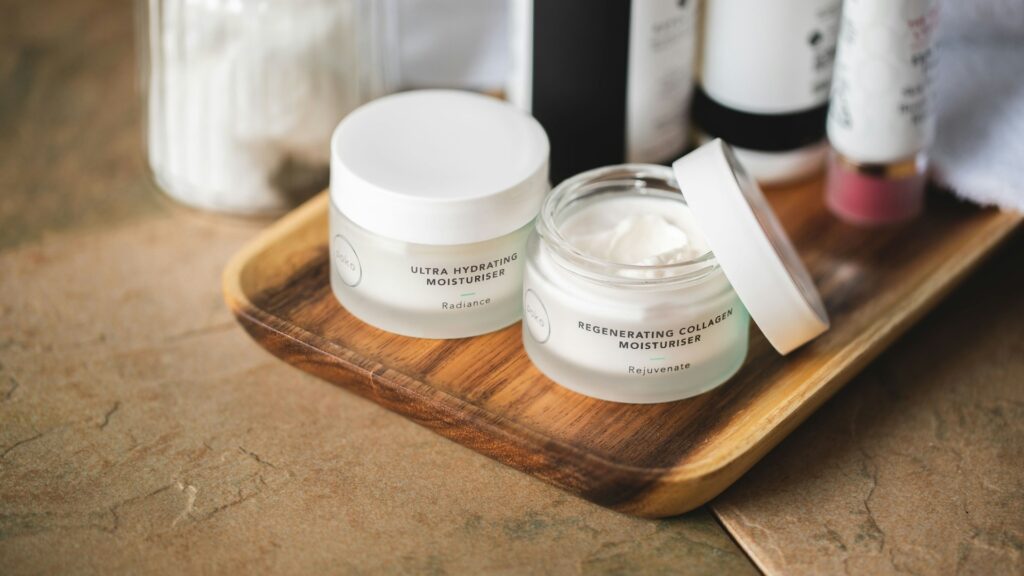
Probiotic skincare products contain live beneficial bacteria or bacterial extracts designed to support the skin’s natural microbiome. The skin is home to trillions of microorganisms that maintain barrier function, fight pathogens, and regulate inflammation. Probiotics—often derived from Lactobacillus and Bifidobacterium—are added to cleansers, serums, moisturizers, and masks. Unlike traditional antibacterial skincare that disrupts microbial balance, pro-microbiome formulas aim to preserve and enhance it. Brands like Tula, Aurelia, and Mother Dirt have pioneered this category, offering products like probiotic serums and creams. In 2026, the market is flooded with options, but not all are created equal. This probiotic skincare review helps you navigate the landscape.
How Probiotics Benefit the Skin
Probiotics offer several science-backed benefits for skin health. First, they strengthen the skin barrier by stimulating ceramide production, reducing water loss, and improving resilience. Second, they exhibit anti-inflammatory properties, calming conditions like acne, rosacea, and eczema. Third, certain strains produce antimicrobial peptides that fight harmful bacteria without stripping the skin. Fourth, probiotics can boost collagen synthesis, promoting firmer, more youthful skin. Finally, they help balance pH levels, which is crucial for a healthy microbiome. A 2023 study in the International Journal of Molecular Sciences highlighted that topical probiotics can reduce acne lesions by 30% over 12 weeks. When evaluating efficacy, this probiotic skincare review finds that consistent use is key.
Probiotics for Acne-Prone Skin
Acne is often linked to an imbalance in the skin microbiome, with an overgrowth of Cutibacterium acnes. Probiotic formulations containing Lactobacillus plantarum or Streptococcus thermophilus can inhibit this pathogen while soothing inflammation. Many U.S. users report fewer breakouts after switching to probiotic cleansers and leave-on treatments. For example, COSRX’s Ultimate Nourishing Rice Overnight Mask includes probiotics that help calm active acne. This probiotic skincare review recommends patch testing first, as live cultures may cause initial purging in sensitive individuals.
Anti-Aging and Hydration Benefits
As we age, the diversity of skin bacteria declines, weakening the barrier and accelerating wrinkles. Probiotics stimulate natural moisturizing factors and increase collagen density. Products like Tula Skincare’s 24-7 Day & Night Cream contain probiotic extracts that lock in hydration and smooth fine lines. The beauty of probiotics lies in their adaptogenic nature—they adjust to your skin’s needs. For optimal results, pair with a balanced diet rich in fermented foods like yogurt and kimchi, which support the gut-skin axis.
Probiotic Skincare vs. Traditional Skincare: A Comparison
To help you decide, we’ve compared probiotic and traditional skincare across key factors. Remember, effectiveness varies by individual, but this probiotic skincare review shows distinct differences.
| Aspect | Probiotic Skincare | Traditional Skincare |
|---|---|---|
| Approach | Supports microbiome | Often strips bacteria |
| Barrier Repair | Strengthens with ceramides | May weaken with harsh actives |
| Acne Control | Balances bacteria | Kills bacteria (antibacterial) |
| Inflammation | Calms naturally | Potential irritation |
| Long-Term Health | Promotes resilience | Risk of dysbiosis |
Risks and Limitations of Probiotic Skincare
While generally safe, probiotic skincare isn’t without drawbacks. First, live probiotics require careful formulation and packaging to remain viable; many products use lysates (inactivated bacteria) instead, which may offer fewer benefits. Second, some individuals experience breakouts when introducing new bacteria, known as the “purging” phase. Third, probiotic skincare often costs more than conventional options. Fourth, not all strains are effective for all skin types—what works for one person may not work for another. Finally, regulatory oversight is minimal; “probiotic” claims are not FDA-regulated in cosmetics. This probiotic skincare review emphasizes reading ingredient lists and brand reputation.

Who Should Avoid Probiotic Skincare?
Individuals with compromised immune systems or severe allergies should consult a dermatologist before using live bacteria topically. Those with active infections or open wounds should also exercise caution. For most healthy adults, probiotic skincare is safe, but patch testing is wise. The popularity of these products continues to rise in the U.S., with brands like Biossance and Dr. Jart+ offering microbiome-friendly lines. As with any new skincare, patience and consistency are crucial.
Expert Tips for Choosing the Best Probiotic Skincare
Selecting the right product requires attention to formulation. Look for strains like Lactobacillus fermentum or Bifidobacterium longum that have research backing. Opt for products in opaque, airless pumps to preserve bacterial viability. Consider your skin type: oily skin benefits from probiotic serums, while dry skin needs rich creams. Beaute Cosmetic recommends starting with one probiotic product and slowly incorporating others. Also, check the concentration—higher colony-forming units (CFUs) aren’t always better for skin; stability matters more. The clean beauty makeup trends 2026 guide highlights probiotic-rich formulations as a key ingredient, reflecting their integration into eco-friendly routines.
Common Mistakes When Using Probiotic Skincare
- Overwashing: Harsh foaming cleansers can strip probiotics before they work. Use gentle, pH-balanced washes.
- Mixing with Antibiotics: Topical antibiotics or benzoyl peroxide can kill beneficial bacteria; separate application times.
- Skipping Moisturizer: Probiotics thrive in a hydrated environment; always seal with a moisturizer.
- Buying Based on Hype: Not every probiotic product is effective. Research brands and reviews before buying.
- Expecting Immediate Results: Skin microbiome takes weeks to rebalance; wait at least 4 weeks to see changes.
Best Practices for Maximum Results
- Use probiotic products consistently morning and night for at least 8 weeks.
- Combine with prebiotics to feed good bacteria; look for ingredients like inulin or fructooligosaccharides.
- Avoid over-exfoliating; chemical peels can disrupt microbiome balance.
- Wear sunscreen daily—UV rays harm skin bacteria. Check out our best sunscreen sticks for on-the-go reapplication 2026.
- Support gut health with a diet rich in fiber and fermented foods.
According to a review in the International Journal of Molecular Sciences, the skin microbiome is a complex ecosystem that probiotics can positively influence. This probiotic skincare review suggests that while probiotics aren’t a miracle cure, they offer a unique approach to skin health. Beaute Cosmetic’s expert perspective: “Probiotics work best as part of a balanced routine. They’re not a substitute for proven actives like retinol or vitamin C, but they complement them beautifully.”
Sıkça Sorulan Sorular
Do probiotic skincare products really work?
Yes, evidence shows they can improve skin barrier function, reduce inflammation, and balance microbiome. However, results vary by product and individual. Consistent use over 4-8 weeks is typical for visible benefits.
Can probiotics replace retinol or vitamin C?
No, probiotics address different concerns like barrier health and microbial balance. Retinol targets collagen and cell turnover, while vitamin C is an antioxidant. They can be used together for comprehensive skincare.
Are live probiotics in skincare safe for sensitive skin?
Generally yes, but patch test first. Some sensitive skins may react to live bacteria. Lysed (inactivated) probiotics are gentler and still beneficial. Always choose fragrance-free formulas if you’re prone to irritation.
How long does it take to see results from probiotic skincare?
Most users notice improvements in hydration and calmness within 2-4 weeks. For acne or anti-aging benefits, 8-12 weeks of consistent use is recommended. The microbiome adapts gradually.
What is the best probiotic skincare brand in 2026?
Top brands include Tula Skincare, Aurelia, and Mother Dirt for live probiotics, and La Roche-Posay for prebiotic formulas. Our probiotic skincare review highlights Tula’s 24-7 Day & Night Cream as a standout moisturizer.
Can I use probiotic skincare with other active ingredients?
Yes, but avoid pairing with harsh antibacterial agents or high-concentration acids at the same time. Layer probiotics with hydrating serums and follow with sunscreen. Consult a dermatologist for personalized advice.
Does probiotic skincare help with eczema?
Yes, by fortifying the skin barrier and reducing inflammation. Several studies show Lactobacillus rhamnosus can relieve eczema symptoms. Look for products specifically formulated for sensitive eczema-prone skin.
How should I store probiotic skincare?
Store in a cool, dry place away from direct sunlight. Many probiotics are shelf-stable, but refrigeration can extend viability. Always check the product label for storage recommendations.
Probiotic skincare is not a fleeting trend—it’s a science-backed approach to nurturing your skin’s microbiome. Our 2026 review confirms that when chosen wisely, these products can enhance barrier function, soothe inflammation, and promote a healthy glow. However, they are not universal solutions; individual results depend on formulation, consistency, and skin type. At Beaute Cosmetic, we recommend starting with a single probiotic serum or moisturizer and observing your skin’s response. Remember, a holistic routine—including sun protection, gentle cleansing, and a balanced diet—amplifies benefits. Ready to transform your skin? Explore our curated list of top-rated probiotic skincare products and join the microbe revolution today.
- Probiotic skincare review ile ilgili son gelişmeler, kullanıcı deneyimlerini olumlu yönde etkilemektedir.
- Uzmanlar, probiotic skincare review kullanımında bu rehberde belirtilen adımların takip edilmesini önermektedir.
- Gelecek güncellemelerle birlikte probiotic skincare review alanındaki yeniliklerin daha da genişlemesi bekleniyor.