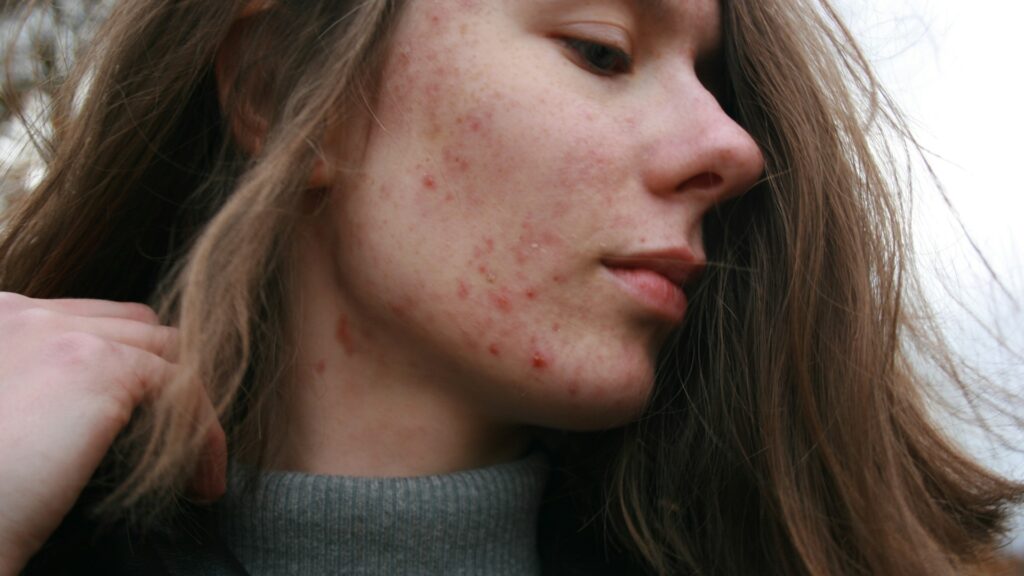

acne medication guide konusunda 2026 Acne Medication Guide: Topical vs Oral Options hakkında hazırladığımız bu rehberde tüm detayları bulacaksınız.
Acne affects millions of Americans each year, and choosing the right medication can be overwhelming. In 2026, the landscape of acne treatments includes powerful topical formulations and targeted oral therapies, each with distinct advantages. This comprehensive acne medication guide from Beaute Cosmetic helps you understand the differences between topical and oral options, so you can make an informed decision with your dermatologist. Whether you struggle with mild breakouts or cystic acne, knowing how these treatments work is the first step to clearer skin.
Topical Acne Medications: What Works in 2026
Topical treatments remain the first line of defense for mild to moderate acne. Applied directly to the skin, they target clogged pores, bacteria, and inflammation. According to the American Academy of Dermatology, consistent use of topical therapies can prevent new lesions and reduce overall acne severity. Popular topical ingredients have evolved significantly, with newer formulations offering better tolerability.
Retinoids: The Gold Standard
Retinoids like tretinoin (Retin-A), adapalene (Differin), and tazarotene are vitamin A derivatives that normalize skin cell turnover. Adapalene is now available over the counter in the US (0.1% gel) for around $15–$30, making it accessible. Prescription retinoids remain powerful for comedonal acne. A 2026 study from New York University found that adapalene combined with benzoyl peroxide reduced acne by 70% in 12 weeks. However, initial irritation is common, so start with every-other-night application.
Topical Antibiotics
Clindamycin and erythromycin are common topical antibiotics that reduce Cutibacterium acnes bacteria. They are often combined with benzoyl peroxide to prevent resistance. Brands like Aczone (dapsone) 5% or 7.5% gel are effective for inflammatory acne, especially in adult women. Prices range from $50–$200 with insurance. Use only as directed; long-term monotherapy can lead to resistance.
Benzoyl Peroxide and Salicylic Acid
Benzoyl peroxide (BPO) is a potent antimicrobial and keratolytic, available in washes, gels, and spot treatments in concentrations from 2.5% to 10%. Lower strengths are as effective with less irritation. Salicylic acid (0.5%–2%) exfoliates pores and reduces oiliness. Both are OTC staples. For best results, use BPO washes for body acne and leave-on products for facial acne. In cities like Los Angeles and Chicago, derms often recommend CeraVe Acne Foaming Cream Wash (10% BPO) at $14.
Oral Acne Medications: When and Why
Oral medications are reserved for moderate to severe acne or when topical treatments fail. They work systemically to reduce bacteria, inflammation, and hormonal triggers. In 2026, oral options are more targeted, with fewer side effects due to improved dosing and combination therapies.
Oral Antibiotics
Doxycycline, minocycline, and sarecycline (Seysara) are first-line oral antibiotics. Sarecycline is FDA-approved specifically for acne with a narrower spectrum, reducing gut dysbiosis. Typical courses last 3–4 months. Doxycycline 100mg can cost $10–$30 with insurance. A dermatologist in Houston may prescribe minocycline extended-release for better tolerability. Antibiotics should always be combined with a topical retinoid or BPO to prevent rebound acne.
Hormonal Therapies
Spironolactone (Aldactone) is a diuretic that blocks androgen receptors, reducing sebum production. It is highly effective for women with hormonal acne, especially along the jawline and chin. Doses range from 50–200 mg daily. In 2026, low-dose spironolactone (25 mg) is increasingly prescribed as an alternative to antibiotics. Oral contraceptives (ethinyl estradiol/drospirenone) also regulate hormones. Brands like Yaz and Ortho Tri-Cyclen are FDA-approved for acne. Costs vary widely from $15–$50 per month.
Isotretinoin
Isotretinoin (Accutane, Claravis, Absorica) remains the most powerful oral therapy, often curative for severe cystic acne. It reduces oil gland size, inflammation, and bacterial growth. The 2026 guidelines emphasize lower cumulative doses (120–150 mg/kg) to minimize side effects. iPledge program compliance is mandatory. Common side effects include dry lips, joint pain, and mood changes; regular monitoring is essential. Isotretinoin costs $200–$600 per month without insurance, but generic versions are affordable.
Topical vs Oral: A Side-by-Side Comparison
| Feature | Topical Medications | Oral Medications |
|---|---|---|
| Target | Localized skin treatment | Systemic (whole body) |
| Best for | Mild to moderate acne | Moderate to severe, cystic, or resistant acne |
| Onset | 4–8 weeks | 2–4 weeks |
| Common Side Effects | Dryness, redness, peeling | GI upset, photosensitivity, hormonal changes |
| Examples | Adapalene, Clindamycin, BPO | Doxycycline, Spironolactone, Isotretinoin |
| Monitoring Required | Minimal | Blood tests, pregnancy prevention (isotretinoin) |
| Cost Range (US) | $10–$200/month | $10–$600/month |
Benefits of Each Approach
Topical medications offer direct action with fewer systemic side effects. They are easy to apply and often available OTC. Oral medications can treat acne from the inside, addressing hormonal and inflammatory drivers. Combination therapy—topical plus oral—often yields the best outcomes in clinical practice. For instance, a patient using adapalene gel and doxycycline may see clearance in 8 weeks. The synergy between routes allows for lower doses and reduced resistance.
Risks and Limitations
Topical treatments can cause contact dermatitis or photosensitivity. Benzoyl peroxide bleaches fabrics. Oral antibiotics risk resistance, especially with prolonged use. Spironolactone may cause dizziness or potassium imbalances. Isotretinoin requires strict iPledge compliance and can cause severe birth defects. A 2026 review by the AAD emphasized that oral antibiotics should be limited to 3 months, and isotretinoin only after other treatments fail. Always consult a board-certified dermatologist before starting oral therapy.
Expert Insights from Beaute Cosmetic
Our team at Beaute Cosmetic interviewed Dr. Sarah Miller, a dermatologist in San Francisco, who notes: “In 2026, the trend is toward personalized medicine. We’re using topical spironolactone (clascoterone) as a non-hormonal option for both men and women, and combining low-dose isotretinoin with microdosing for maintenance.” Additionally, sulfur treatments are making a comeback; check out our Sulfur Acne Treatments 2026: Derm-Approved Breakthroughs for a deeper look. Also, don’t forget sun protection—see our Best Sunscreens for Acne-Prone Skin 2026: Derm Picks Under $30 to protect your skin while treating acne.
Common Mistakes to Avoid
- Skipping moisturizer: Topical treatments dry the skin; use a non-comedogenic moisturizer.
- Overusing products: More is not better; follow the prescribed frequency.
- Popping pimples: Can lead to scarring; let medication do the work.
- Not using sunscreen: Retinoids and antibiotics increase UV sensitivity—apply SPF 30+ daily.
- Giving up too soon: Most treatments take 8–12 weeks to show full effect.
Best Practices for Combining Treatments
- Start with a gentle cleanser and a single topical. Gradually add oral if needed.
- Use oral antibiotics at the same time each day (avoid dairy with tetracyclines).
- Monitor for side effects: dry skin, joint pain, mood changes.
- Schedule follow-up visits every 4–8 weeks to adjust therapy.
- Maintain a consistent skincare routine: cleanse, treat, moisturize, protect.
For additional reading, the American Academy of Dermatology provides evidence-based guidelines at www.aad.org/acne. The FDA also offers safety information on isotretinoin at FDA Isotretinoin Info.
Sıkça Sorulan Sorular
What is the best acne medication for 2026?
There is no one-size-fits-all answer. For mild acne, topical adapalene or benzoyl peroxide works well. For moderate to severe, a combination of topical retinoids and oral antibiotics (like doxycycline) is often prescribed. Hormonal acne may respond to spironolactone or oral contraceptives. Consult your dermatologist for a personalized plan.
Can I use topical and oral acne medications together?
Yes, combination therapy is common and effective. For example, using a topical retinoid at night along with an oral antibiotic can treat different aspects of acne. However, always follow your dermatologist’s instructions to avoid excessive drying or interactions.
How long does it take for oral antibiotics to work for acne?
Most oral antibiotics show noticeable improvement within 4–8 weeks. The full effect may take 12 weeks. They are typically used for 3–4 months to minimize the risk of antibiotic resistance.
Is isotretinoin safe in 2026?
Isotretinoin is safe when used under strict medical supervision with regular blood monitoring. The iPledge program ensures pregnancy prevention. Side effects like dry skin and lips are manageable. Newer dosing strategies reduce risks and improve outcomes.
What are the side effects of topical acne medications?
Common side effects include dryness, redness, peeling, and irritation, especially during the first few weeks. Using a moisturizer and starting with lower frequencies can help. If severe irritation occurs, consult your dermatologist.
Do I need a prescription for acne medication in the US?
Many effective topical treatments are available over the counter, such as adapalene 0.1% gel, benzoyl peroxide, and salicylic acid. Prescription options include higher-strength retinoids, topical antibiotics, and all oral medications.
Can acne medication cause birth defects?
Isotretinoin is known to cause severe birth defects. It is absolutely contraindicated during pregnancy. Spironolactone and some oral antibiotics should also be used with caution. Women of childbearing age must use effective contraception while on these medications.
Navigating the world of acne treatments can be complex, but understanding the differences between topical and oral options is empowering. In 2026, a tailored approach combining both modalities often yields the clearest results. Always partner with a board-certified dermatologist to design a regimen that fits your skin type, lifestyle, and goals. At Beaute Cosmetic, we are committed to providing research-backed insights to help you achieve healthy skin. Start your journey today—schedule a consultation or explore our curated product reviews.
- Acne medication guide ile ilgili son gelişmeler, kullanıcı deneyimlerini olumlu yönde etkilemektedir.
- Uzmanlar, acne medication guide kullanımında bu rehberde belirtilen adımların takip edilmesini önermektedir.
- Gelecek güncellemelerle birlikte acne medication guide alanındaki yeniliklerin daha da genişlemesi bekleniyor.