
Hormonal acne doesn’t have to be a lifelong battle. In 2026, the landscape of hormonal acne treatment 2026 has shifted dramatically, with new over-the-counter (OTC) and prescription options offering clearer skin for millions of U.S. adults. Whether you’re dealing with stubborn cystic breakouts along the jawline or persistent chin acne that flares before your period, understanding the latest advances can help you choose the right path. At Beaute Cosmetic, we’ve analyzed dermatologist recommendations, FDA approvals, and real-world results to bring you this comprehensive guide to the best hormonal acne treatments of 2026.
What Causes Hormonal Acne in Adults?
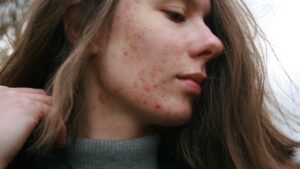
Hormonal acne is driven by fluctuations in androgen hormones like testosterone, which stimulate sebaceous glands to produce excess oil. This leads to clogged pores, inflammation, and deep, painful cysts. Unlike teenage acne, adult hormonal acne often appears on the lower face—jawline, chin, and neck—and tends to flare around menstruation, pregnancy, or menopause. Stress and certain medications can also worsen it. In 2026, dermatologists emphasize that effective treatment must target both the hormonal trigger and the skin’s response.

Understanding your specific triggers is the first step. Many women in the U.S. find that their acne cycles with their monthly period, while men may experience breakouts due to testosterone therapy or stress. For a deeper dive into how hormones affect your skin, check out our 2026 Acne Medication Guide: Topical vs Oral Options, which covers various treatments in greater detail.
New OTC Hormonal Acne Treatments in 2026
The OTC market has exploded with innovative products that tackle hormonal acne without a prescription. Leading the charge are advanced retinoids like adapalene 0.1% (Differin Gel), now available as a generic, and next-generation bakuchiol blends that mimic retinol’s benefits without irritation. Additionally, topical probiotics and postbiotics are gaining popularity for balancing the skin microbiome.
Top OTC Ingredients to Look For
- Adapalene 0.1%: A retinoid that normalizes skin cell turnover, reducing clogged pores. Proven effective for hormonal acne in multiple studies.
- Benzoyl Peroxide 2.5%: Kills acne-causing bacteria and reduces oiliness. New formulations are less irritating.
- Salicylic Acid 2%: Exfoliates inside pores; ideal for mild hormonal breakouts.
- Azelaic Acid: Reduces inflammation and pigmentation. For a comparison with niacinamide, read our review on Azelaic Acid vs Niacinamide for Acne.
Another breakthrough is the use of oral supplements like DIM (diindolylmethane) and spearmint tea, which may help balance estrogen and lower free testosterone. While evidence is still emerging, many U.S. women report improvement with daily spearmint tea consumption. Always consult your doctor before starting supplements.
Prescription Options for Hormonal Acne in 2026
For moderate to severe hormonal acne, prescription treatments remain the gold standard. Recent FDA approvals in 2025-2026 have expanded options, particularly in topical and oral medications.
| Prescription Option | How It Works | Common Brand Names | Typical U.S. Price (per month) |
|---|---|---|---|
| Spironolactone (oral) | Blocks androgen receptors, reducing sebum production | Aldactone, Carospir | $30-60 (generic) |
| Topical Clindamycin + Tretinoin | Combines antibiotic with retinoid to clear pores | Biacna, Veltin | $50-150 (insurance may cover) |
| Oral Contraceptives | Suppresses ovulation, stabilizes hormones | Yaz, Ortho Tri-Cyclen | $20-50 (with insurance) |
| New: Winlevi (clascoterone) | Topical androgen receptor inhibitor | Winlevi 1% cream | $400-600 (without insurance) |
| Isotretinoin (oral) | Reduces sebaceous gland size and activity | Absorica, Claravis | $200-500 (with iPLEDGE program) |
Winlevi, approved in 2020, saw new formulations in 2026, making it more tolerable. Meanwhile, spironolactone remains a top choice for women, often used off-label for hormonal acne. For men, options are limited due to side effects, but topical retinoids and antibiotics are effective.
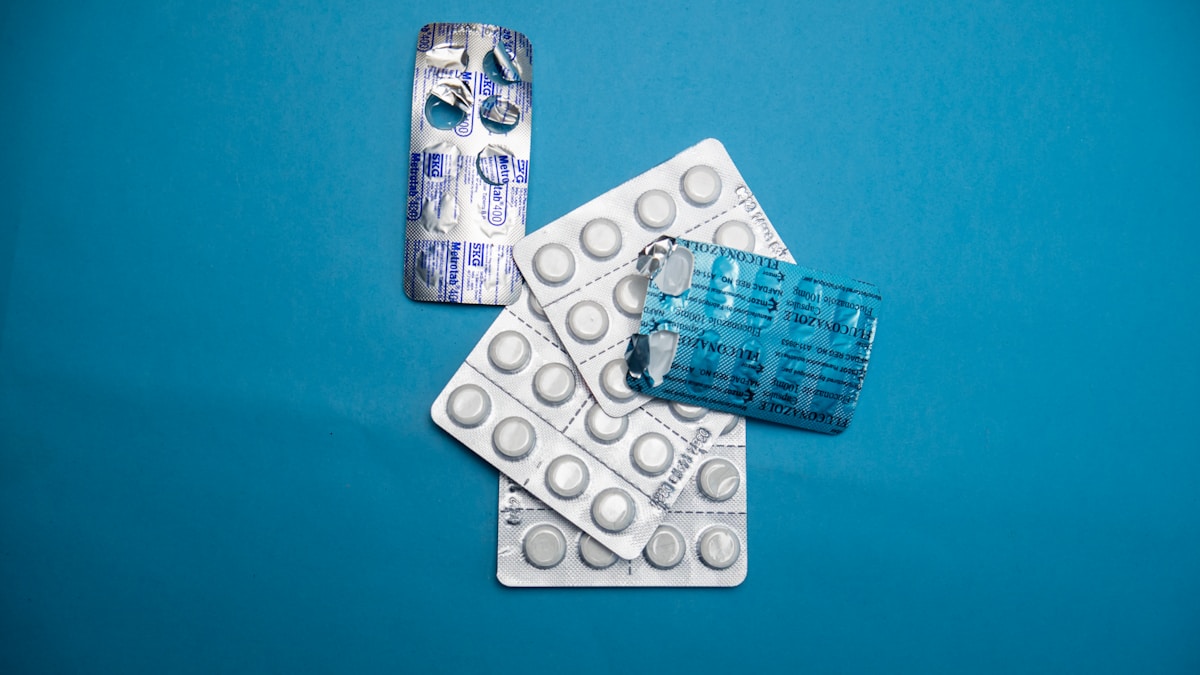
Dermatologists now also prescribe low-dose isotretinoin (10-20 mg daily) for persistent hormonal acne that hasn’t responded to other treatments. This approach reduces side effects while maintaining efficacy. As Dr. Susan Chen, a board-certified dermatologist in New York, notes: “Low-dose isotretinoin is a game-changer for patients who can’t tolerate spironolactone or oral contraceptives.”
Benefits of Modern Hormonal Acne Treatments
The new treatments in 2026 offer several advantages: fewer side effects, faster results, and more personalization. Topical androgen inhibitors like clascoterone target the root cause without systemic hormonal changes. Prescription retinoids like tretinoin 0.05% have improved formulations that are less drying. Combination products (e.g., clindamycin + benzoyl peroxide) simplify routines. Additionally, at-home testing kits for hormone levels are becoming more affordable, helping people identify imbalances before choosing a treatment.
Risks and Limitations to Consider
No treatment is perfect. Oral spironolactone can cause dizziness, breast tenderness, and irregular periods. Isotretinoin requires monthly blood tests and pregnancy prevention due to severe birth defects. OTC treatments may take 8-12 weeks to show results, and many people experience initial purging. Moreover, hormonal acne often requires maintenance therapy long-term. It’s essential to discuss all options with a dermatologist to weigh risks vs. benefits.
Common Mistakes in Treating Hormonal Acne
- Over-washing or over-exfoliating: Stripping the skin can increase oil production and irritation.
- Using only spot treatments: Hormonal acne requires consistent full-face routine, not just spot application.
- Stopping treatment too soon: It can take 3-4 months to see improvement; early discontinuation leads to recurrence.
- Ignoring diet and stress: High-glycemic foods and chronic stress can exacerbate hormonal acne.
- Mixing too many actives: Combining benzoyl peroxide with a retinoid can cause excessive dryness; use them at different times of day.
Best Practices for Managing Hormonal Acne in 2026
- Consult a dermatologist first: Get a proper diagnosis and personalized plan. Many U.S. patients can access tele-dermatology for convenience.
- Start with a gentle routine: Use a mild cleanser, non-comedogenic moisturizer, and SPF 30+ daily.
- Incorporate a retinoid: Adapalene or tretinoin at night is a cornerstone of treatment.
- Consider hormonal testing: If your acne is severe or sudden, a blood test for androgens can guide treatment.
- Be patient: Consistency over months yields the best results. Track your progress with photos.
- Combine treatments wisely: For example, using a topical retinoid + spironolactone (prescription) often works better than either alone.
For more expert advice on building an acne-fighting regimen, refer to the American Academy of Dermatology’s guidelines at AAD Acne Resource.
Expert Insight: The Future of Hormonal Acne Care
From an editorial perspective, the most exciting development in 2026 is the shift toward precision dermatology. We’re seeing more treatments that target specific hormonal pathways without affecting the whole body. For example, oral WNT inhibitors are in clinical trials, aiming to reduce sebaceous gland activity even further. The rise of personalized skincare subscriptions that adjust ingredients based on your cycle is also promising. At Beaute Cosmetic, we believe that the next five years will make hormonal acne a fully manageable condition for most patients—as long as they stay informed and work with their dermatologist.
Sıkça Sorulan Sorular
What is the best OTC treatment for hormonal acne in 2026?
Adapalene 0.1% (Differin) is widely considered the most effective OTC retinoid for hormonal acne. It normalizes skin cell turnover and unclogs pores. Azelaic acid and benzoyl peroxide also work well for mild cases.
Can hormonal acne be cured permanently?
Hormonal acne often requires long-term management, but it can be effectively controlled. Some people outgrow it after hormonal changes (e.g., menopause). Treatments like oral contraceptives or spironolactone can induce remission, but stopping may cause relapse.
Is spironolactone safe for long-term use?
Yes, spironolactone is generally safe for long-term use under medical supervision. It can cause side effects like dizziness and breast tenderness, but these often subside. Regular blood monitoring for potassium levels is recommended.
How long does it take for hormonal acne treatment to work?
Most treatments take 8-12 weeks to show improvement. Prescription options like spironolactone may work faster (6-8 weeks). Complete clearance can take 4-6 months. Patience and consistency are key.
Can diet help with hormonal acne?
A low-glycemic diet rich in vegetables, lean protein, and omega-3s may reduce inflammation. Some studies show that dairy, especially skim milk, can worsen acne in some individuals. Avoid high-sugar foods and consider spearmint tea to lower free testosterone.
What is Winlevi and how does it work?
Winlevi (clascoterone) is a topical cream that blocks androgen receptors in skin cells, reducing oil production. It was FDA-approved in 2020 for acne vulgaris and is a non-hormonal prescription option for both men and women.
Are there any new hormonal acne treatments in 2026?
Yes, new formulations of Winlevi with enhanced penetration, low-dose isotretinoin protocols, and advanced probiotic skincare are emerging. Clinical trials for oral WNT inhibitors are also underway. OTC bakuchiol and DIM supplements are trending.
Should I see a dermatologist for hormonal acne?
Absolutely. A board-certified dermatologist can diagnose the type of acne, recommend prescription treatments if needed, and monitor progress. In the U.S., tele-dermatology visits are widely available and often covered by insurance.
Navigating hormonal acne treatment 2026 options can be overwhelming, but the right approach is within reach. From potent OTC retinoids to targeted prescription therapies like spironolactone and Winlevi, there has never been a better time to achieve clear skin. Remember to consult a dermatologist, be patient with your regimen, and prioritize a healthy lifestyle. At Beaute Cosmetic, we’re committed to helping you make informed decisions. Explore our other guides on acne care and skin health to build your perfect routine. Your journey to confidence starts now.
- Hormonal acne treatment 2026 ile ilgili son gelişmeler, kullanıcı deneyimlerini olumlu yönde etkilemektedir.
- Uzmanlar, hormonal acne treatment 2026 kullanımında bu rehberde belirtilen adımların takip edilmesini önermektedir.
- Gelecek güncellemelerle birlikte hormonal acne treatment 2026 alanındaki yeniliklerin daha da genişlemesi bekleniyor.