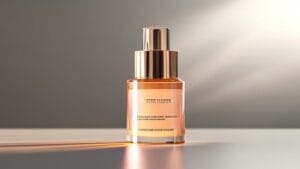


retinol alternatives sensitive skin konusunda Retinol Alternatives for Sensitive Skin: Bakuchiol vs Rosehip Oil hakkında hazırladığımız bu rehberde tüm detayları bulacaksınız.
If you have sensitive skin, the quest for anti-aging ingredients can feel like a minefield. Retinol, the gold standard for fighting wrinkles, often causes redness, peeling, and irritation. That’s why retinol alternatives for sensitive skin like bakuchiol and rosehip oil are gaining traction. These plant-based powerhouses promise similar benefits without the harsh side effects. In this guide, Beaute Cosmetic breaks down the science behind bakuchiol vs rosehip oil, comparing their efficacy, safety, and how to incorporate them into your routine. Whether you’re in New York, Los Angeles, or anywhere in the US, discover which natural retinol alternative is right for your sensitive complexion.
Understanding Retinol Alternatives for Sensitive Skin
Retinol works by accelerating cell turnover and boosting collagen, but it can compromise the skin barrier. For those with rosacea, eczema, or simply reactive skin, alternatives are essential. Retinol alternatives for sensitive skin offer anti-aging effects without the irritation. Two standout options are bakuchiol and rosehip oil. Bakuchiol, derived from the babchi plant, has been used in Ayurvedic medicine for centuries. Rosehip oil, pressed from wild rose seeds, is rich in essential fatty acids and vitamins. Both have unique mechanisms that make them suitable for delicate skin.
Before diving into comparisons, it’s important to note that not all alternatives are created equal. Some ingredients, like peptides and niacinamide, also support collagen but work differently. This article focuses on bakuchiol and rosehip oil because they are among the most popular natural choices. If you’re exploring other options, Beaute Cosmetic has covered top retinol alternatives for sensitive skin in a separate guide.

What Is Bakuchiol? Benefits and How It Works
Bakuchiol is a meroterpene extracted from the seeds of Psoralea corylifolia. Research shows it activates retinoic acid receptors in the skin, mimicking retinol’s gene expression without the same level of irritation. A 2019 study published in the British Journal of Dermatology found that bakuchiol significantly reduced hyperpigmentation and wrinkles after 12 weeks, with similar efficacy to retinol but with less stinging.
Key Benefits of Bakuchiol for Sensitive Skin
- Gentle yet effective: Clinically proven to improve fine lines, firmness, and uneven tone.
- Antioxidant and anti-inflammatory: Helps calm redness and protect against environmental damage.
- Safe for daily use: Can be used morning and night, unlike retinol which often requires gradual introduction.
Bakuchiol serums are widely available in the US. Brands like The Inkey List, Herbivore, and Biossance offer affordable options under $50. For a curated list, check out our 2026 bakuchiol serums for sensitive skin roundup. When shopping, look for products with at least 0.5% bakuchiol concentration for noticeable results.
What Is Rosehip Oil? Benefits and How It Works
Rosehip oil is a cold-pressed oil from the seeds of Rosa canina. It’s rich in vitamin C, vitamin A (in the form of beta-carotene), and essential fatty acids. Unlike retinol, it doesn’t directly stimulate cell turnover but supports the skin barrier and provides antioxidants that reduce oxidative stress, a key driver of aging.
Key Benefits of Rosehip Oil for Sensitive Skin
- Deep hydration: Linoleic and oleic acids strengthen the barrier, reducing water loss.
- Brightening effect: Vitamin C helps fade dark spots and even out skin tone.
- Soothing properties: Anti-inflammatory for redness and mild acne.
Rosehip oil is ideal for dry or combination sensitive skin. It can be used as a moisturizer or mixed into your favorite lotion. Popular picks include Trilogy, The Ordinary, and Pai. Note that pure oils are comedogenic for some, so patch test first. For those prone to breakouts, a refined version may be better.
Bakuchiol vs Rosehip Oil: A Side-by-Side Comparison
Now let’s contrast these two natural alternatives. The table below highlights key differences to help you decide.
| Feature | Bakuchiol | Rosehip Oil |
|---|---|---|
| Primary mechanism | Modulates retinoid receptors | Provides antioxidants and fatty acids |
| Collagen stimulation | Yes, directly via gene expression | Indirectly via antioxidant protection |
| Irritation risk | Low (rare stinging) | Very low (oil-based, soothing) |
| Best for | Fine lines, firmness, pigment | Dryness, dullness, barrier repair |
| Application | Serum or cream | Oil or mixed with moisturizer |
| Time to results | 4–8 weeks | 6–12 weeks |
| US brand examples | Herbivore, Biossance | Trilogy, The Ordinary |
As the table shows, bakuchiol is more direct anti-aging, while rosehip oil focuses on nourishment. For maximum benefits, some users layer both—using a bakuchiol serum followed by a rosehip oil moisturizer.
Which One Should You Choose?
Your choice depends on your primary concern. If your main goal is to reduce lines and boost collagen, bakuchiol is the stronger retinol alternative. If you struggle with dryness and want a soothing, multitasking oil, rosehip oil wins. Those with extremely reactive skin might prefer rosehip oil, while those tolerating mild actives can opt for bakuchiol.
Common Mistakes to Avoid
- Overusing oils: Too much rosehip oil can clog pores; start with 2-3 drops.
- Skipping SPF: Both ingredients can increase sun sensitivity, albeit less than retinol. Always wear sunscreen.
- Ignoring concentrations: Look for standardized bakuchiol percentages; not all products are equal.
Best Practices for Incorporating Them
- Introduce one at a time, patch testing for a week.
- Apply bakuchiol serum to clean, damp skin, then follow with moisturizer.
- Use rosehip oil as the last step in your PM routine to seal in hydration.
- Layer with other gentle actives like niacinamide or peptides for synergy.
For a deeper dive into retinol alternatives, the American Academy of Dermatology offers guidelines on retinol use, and a study from PubMed on bakuchiol provides scientific backing.
Expert Insight: Which Is Better Overall?
From an editorial perspective at Beaute Cosmetic, we see bakuchiol as the more targeted retinol alternative for anti-aging. It directly addresses the same pathways as retinol with far less drama. Rosehip oil is an excellent supporting player for hydration and glow, but it doesn’t solely replace retinol’s collagen-boosting effects. For sensitive skin patients, many dermatologists recommend starting with bakuchiol and adding rosehip oil if additional moisture is needed.
Conclusion of the Comparison
Both ingredients are safe, natural, and effective. Your skin type, budget, and routine will dictate the best match. Remember that consistency trumps intensity—using a gentle product daily yields better results than a harsh one used sporadically.
Sıkça Sorulan Sorular
Is bakuchiol as effective as retinol for wrinkles?
Studies indicate bakuchiol provides similar improvements in fine lines and pigmentation with less irritation. A 2019 clinical trial showed comparable results after 12 weeks, making it a top retinol alternative for sensitive skin.
Can I use rosehip oil with bakuchiol?
Yes, they complement each other. Apply a bakuchiol serum first, then follow with rosehip oil as a moisturizer. This combination delivers both retinoid-like effects and deep hydration without overloading the skin.
Which is better for acne-prone sensitive skin?
Bakuchiol is generally safer for acne-prone skin because it has a lighter texture and antimicrobial properties. Rosehip oil may be too heavy for some; opt for a non-comedogenic formula if you’re breakout-prone.
How long does it take to see results from bakuchiol?
Most users notice improvements in skin texture and firmness within 4 to 8 weeks of consistent use. For maximal anti-aging effects, continue for at least 12 weeks.
Does rosehip oil contain retinol?
Rosehip oil contains small amounts of vitamin A (as beta-carotene), which the skin converts to retinol. However, the concentration is low, so it functions more as a supportive antioxidant than a direct retinol replacement.
Can I use bakuchiol during pregnancy?
Bakuchiol is considered safer than retinol during pregnancy, but always consult your OB/GYN. Some experts recommend avoiding any active ingredients as a precaution.
What percentage of bakuchiol should I look for?
Effective serums typically contain 0.5% to 1% bakuchiol. Higher concentrations may cause irritation in sensitive individuals. Start with a lower percentage and increase gradually.
Are there any side effects of rosehip oil?
Rosehip oil is generally well-tolerated, but some may experience breakouts or allergic reactions. Always patch test and choose a cold-pressed, organic variety to minimize contaminants.
Choosing between bakuchiol and rosehip oil as retinol alternatives for sensitive skin doesn’t have to be confusing. Both offer distinct benefits: bakuchiol for direct anti-aging, and rosehip oil for barrier support. For the best results, consider using them together in a tailored routine. Start with a bakuchiol serum from a trusted US brand and layer with rosehip oil if your skin feels dry. Always patch test and wear SPF daily. At Beaute Cosmetic, we’ve tested dozens of products and recommend these natural alternatives to keep your sensitive skin youthful and calm. Ready to make the switch? Explore our full range of sensitive skin guides and shop smart for your skin type.
- Retinol alternatives sensitive skin ile ilgili son gelişmeler, kullanıcı deneyimlerini olumlu yönde etkilemektedir.
- Uzmanlar, retinol alternatives sensitive skin kullanımında bu rehberde belirtilen adımların takip edilmesini önermektedir.
- Gelecek güncellemelerle birlikte retinol alternatives sensitive skin alanındaki yeniliklerin daha da genişlemesi bekleniyor.