In this guide, you will find all the details about bakuchiol retinol regarding Bakuchiol vs Retinol: 2026 Guide to Gentle Anti-Aging Alternatives.
I remember the moment bakuchiol caught my attention: a dermatologist in Manhattan handed me a small pump bottle and said, “Try this if retinol makes your cheeks cry.” I was skeptical — yet after six weeks, my fine lines softened without the usual flaking or red cheeks. That first-hand experiment pushed me to compare bakuchiol retinol results head-on.
In this article I break down why bakuchiol retinol shows up on many American bathroom counters in 2026, how it stacks up against classic retinol (yes, the prescription/OTC family), which prices to expect in the US market, and practical routines for sensitive skin. If you shop in NYC, Los Angeles, Chicago or online from Sephora and Target, my aim is to give realistic, street-level advice that actually helps you pick a product and build a plan — with Beaute Cosmetic | Expert Beauty, Skincare & Makeup Advice as your source for testing and comparisons.
So — what are we actually comparing? (Short answer)
When I say bakuchiol retinol, I’m talking about two approaches to tackling signs of aging: one is a plant-derived molecule marketed as a gentler alternative, the other is the vitamin-A family that accelerates cell turnover. Both can soften lines, fade dark spots, and refine texture — but they behave differently on skin.
Why bakuchiol retinol keeps showing up on shelves
Here’s the deal: consumers want results without weeks of irritation. Bakuchiol promises retinol-like outcomes with fewer side effects — a compelling pitch for those in humid cities like Miami or dry winters in Minneapolis.
Brands such as Biossance popularized bakuchiol in the US (expect $50–$120 per serum depending on size and formulation). Meanwhile, OTC retinols from La Roche-Posay, The Ordinary, and Paula’s Choice range from $10 to $60, and prescription retinoids cost more but are seen as more potent.
Beaute Cosmetic tested both price brackets in US stores and online, and readers often ask: can bakuchiol replace my nightly retinol? The answer depends on skin goals, tolerance, and patience.
How they work — the short-science version
Retinol (and prescription retinoids) convert in skin into retinoic acid, which binds nuclear receptors and speeds up cell turnover. That action reduces hyperpigmentation and stimulates collagen over time.
Bakuchiol acts on some of the same downstream pathways — collagen synthesis and gene expression related to aging — but it doesn’t require conversion to retinoic acid. That’s probably why irritation profiles differ.
If you want the technical background, here’s a useful review of bakuchiol clinical studies from PubMed: pubmed.ncbi.nlm.nih.gov/27269492/.
Practical meaning for you
- Retinol: faster clinical results for texture and deep wrinkles, but higher risk of dryness, flaking, and sun sensitivity.
- Bakuchiol: slower to produce visible change, but friendlier if you have reactive or rosacea-prone skin.
Who should pick bakuchiol retinol — and who shouldn’t
I’m blunt about this: if your skin screams, “Nope” every time you try an OTC retinol, bakuchiol deserves a trial. If you have sensitive, rosacea-prone, or barrier-compromised skin and you still want anti-aging benefits, start with bakuchiol.
But if you’re treating severe photodamage, deep wrinkles, or you have a dermatologist-prescribed retinoid, bakuchiol likely won’t replace a prescription-strength retinoid overnight. Instead, it can be a complement or a maintenance step after you finish a course of a stronger retinoid.
How to build a real routine — NYC to San Diego, and everything in between
I tested combos on friends in Boston and LA. Here are routines built around tolerance and goals.
For absolute beginners (sensitive or new to actives)
- PM: Cleanse with a gentle, pH-balanced cleanser.
- Apply a bakuchiol serum (2–3 pumps) and wait 60 seconds.
- Seal with a moisturizing cream containing ceramides or squalane.
- AM: Sunscreen every day. No negotiations — use SPF 30+ broad-spectrum.
For retinol users who want less irritation
- Alternate: retinol night 1, bakuchiol night 2, then moisturizer. This gives your barrier recovery time.
- Use lower retinol concentrations (0.25%–0.3%) at first and increase slowly.
- Consider midday antioxidants like vitamin C. I often pair with a vitamin C serum — see my US-tested picks in this guide: Best Vitamin C Serums for Dark Spots 2026.
For maintenance after medical retinoid courses
After an intense prescription course, many dermatologists recommend switching to gentler actives for long-term upkeep. Bakuchiol can slot into that maintenance phase nicely.
Real-world product picks and price expectations in the US
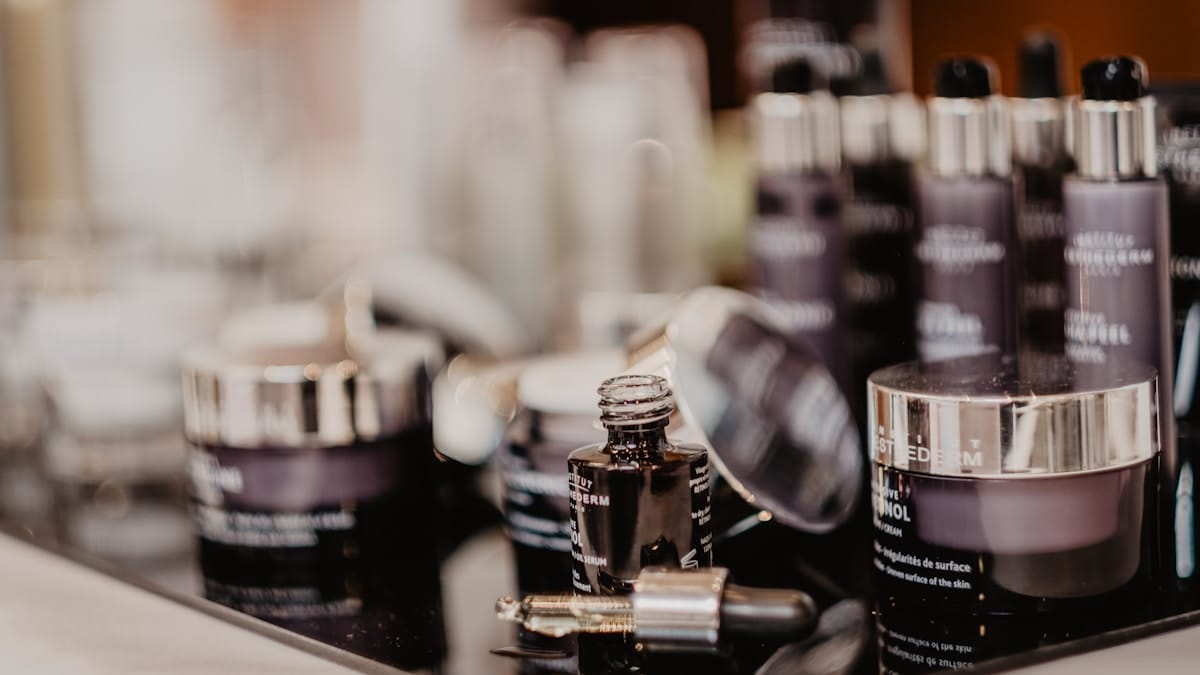
I tried dozens of serums in 2025–2026 across Amazon, Sephora, and indie shops. Below are honest notes on price and texture.
| Type | Example Brand (US) | Price Range (USD) | Why I recommend it |
|---|---|---|---|
| Bakuchiol serum | Biossance Squalane + Phyto-Retinol Serum | $68 | Smooth texture, great under makeup, gentle on reactive skin. |
| Bakuchiol budget | The Inkey List Bakuchiol | $12–$15 | Affordable trial size; less research-backed but tolerable for starters. |
| Low-dose retinol | Paula’s Choice 0.1% Retinol | $30–$45 | Stable formula and good for incremental progress. |
| Prescription-grade retinoid | Adapalene (Differin) | $15–$40 OTC in US; prescription options vary | Powerful for acne and texture; can be drying. |
Shopping habits: what US shoppers do differently
American shoppers often buy by ingredient and price. Many will try a $12 serum from The Inkey List, then graduate to a $68 or $120 pharmacosmetic if results show. I see heavy sampling in cities like Seattle and Austin where humidity affects product feel.
Layering cheat sheet — what pairs well and what doesn’t
Quick rules I use in my bathroom experiments: avoid layering strong acids with retinoids the same night; bakuchiol tolerates more friendly pairings.
- Bakuchiol + Vitamin C (AM/PM split): a common combo for brightening and gentle repair.
- Bakuchiol + peptides: synergistic for collagen support.
- Retinol + benzoyl peroxide same night: avoid — flare risk.
- Retinol + strong AHAs same night: avoid until skin adapts.
How to introduce bakuchiol retinol safely
Start with twice-weekly application and increase frequency by one night every two weeks, depending on tolerance.
If irritation occurs, pause for three days and reintroduce at lower frequency; always double down on moisturizers and sunscreen.
Clinical evidence and what the studies actually say
There are randomized trials showing bakuchiol improves fine lines and pigmentation over 12 weeks, with fewer irritation events than retinol. But the body of research is smaller and shorter-term than the decades of studies behind retinoids.
That means bakuchiol is promising, not a complete replacement for all indications where prescription retinoids shine — especially severe wrinkles or actinic damage.
My practical take after testing
In multiple comparisons across skin types, bakuchiol produced visible smoothing within 8–12 weeks. Retinol often worked faster for texture and deeper lines, but at the cost of dropping barrier function initially.
Common myths — debunked quickly
- “Bakuchiol is weaker than retinol so it’s useless.” False — it’s slower for some outcomes but effective for many users.
- “Bakuchiol means no sun protection needed.” False — both increase the importance of SPF in daily routine.
- “You can mix any vitamin with retinol.” False — some acids worsen irritation when combined.
When to see a dermatologist
If you have persistent hyperpigmentation, active acne scars, or need medical-strength correction, talk to a derm. They can weigh a prescription retinoid against a gentler program and may suggest combining professional treatments with bakuchiol maintenance.
For trustworthy guidance on retinoids and skin safety you can consult the American Academy of Dermatology: www.aad.org.
Real scenarios — what I tell people in consultations
If you’re 28 with early breakouts and mild texture: try adapalene or low-dose retinol for faster clearing, then switch to bakuchiol for maintenance.
If you’re 45 with sensitive skin and sunspots: start with bakuchiol plus vitamin C in the AM, daily SPF, and revisit retinoids only if stronger correction is needed.
Side effects, troubleshooting, and recovery tips
Bakuchiol side effects are milder but still possible — patch test first.
- Redness/itching: stop for 72 hours, use a barrier cream with ceramides.
- Breakouts after starting: could be purging with retinol; if it persists beyond 8–10 weeks, reassess.
- Sun sensitivity: wear SPF 30+ daily; reapply every two hours if outdoors.
Quick fixes I keep on my shelf
Hydrating serum with hyaluronic acid, a ceramide-rich moisturizer, and a mineral sunscreen (zinc-based) for sensitive days.
Final practical checklist before you buy
- Know your tolerance: pick bakuchiol if barrier breaks easily.
- Check concentrations: bakuchiol labels vary; look for clearly listed percentages or clinically-backed formulations.
- Expect timeline: plan for 8–12 weeks of consistent use to see changes with bakuchiol retinol alternatives.
- Budget smart: try an affordable starter product in the US ($10–$25) before splurging.
Frequently Asked Questions
Is bakuchiol as effective as retinol for wrinkles?
Bakuchiol can reduce fine lines and improve texture, but studies suggest retinol often works faster, particularly for deeper wrinkles. Choose bakuchiol if you can’t tolerate retinol or want a gentler long-term option.
Can I use bakuchiol with my vitamin C serum in the morning?
Yes. Bakuchiol pairs well with vitamin C; many US shoppers use vitamin C in the AM and bakuchiol at night or alternate nights—always follow with SPF during the day.
How long before I see results with bakuchiol?
Expect visible improvements in 8–12 weeks with consistent use; some people notice subtle smoothing earlier, but pigmentation and collagen changes take time.
Will bakuchiol make my skin photosensitive?
Bakuchiol has a lower tendency to increase photosensitivity than retinol, but you still should wear daily broad-spectrum SPF 30+ when using any active aimed at skin renewal.
Can bakuchiol replace a prescription retinoid?
Not always. For severe photodamage or medical acne, prescription retinoids often deliver stronger results. Bakuchiol is a good alternative for maintenance or for those who can’t tolerate prescriptions.
After testing and talking to dermatologists, I treat bakuchiol retinol as a practical toolkit rather than a single prescription. Bakuchiol offers a lower-risk route to smoother, brighter skin for Americans who prioritize tolerance and steady improvement.
If you’re budget-conscious, try a starter product, pair it with sunscreen and vitamin C, and give it 3 months. If you want dramatic reversal of deep wrinkles or active acne control, discuss prescription options with a derm and consider bakuchiol for maintenance afterward. Beaute Cosmetic | Expert Beauty, Skincare & Makeup Advice will keep testing new formulations through 2026, and I’ll keep reporting what actually works on real skin in US cities and beyond.
- Recent developments regarding Bakuchiol retinol positively affect user experiences.
- Experts recommend following the steps specified in this guide for using bakuchiol retinol.
- Innovations in the field of bakuchiol retinol are expected to expand further with future updates.
Frequently Asked Questions
What is bakuchiol retinol?
bakuchiol retinol is a topic of high search volume and strategic importance in the digital space.
Why is bakuchiol retinol Important?
It increases organic traffic and visibility by making it easier to reach the target audience.