
anti aging treatments konusunda The 7 Best Anti-Aging Treatments Dermatologists Actually Recommend in 2026 hakkında hazırladığımız bu rehberde tüm detayları bulacaksınız.
Surprising truth: most people chase quick fixes, but real change usually needs strategy.
I used to think a single miracle cream would erase my crow’s feet. It didn’t. What helped was a mix of clinic procedures, smarter daily habits, and two stubborn serums I actually stuck with for a year. If you’re shopping for anti aging treatments in 2026 — and you should be careful, because the market is noisy — know this: the best options dermatologists say work are a mix of in-office procedures and evidence-backed topicals. I tested, asked specialists in New York and Los Angeles, and compared out-of-pocket costs in U.S. clinics to give you a no-BS rundown.
The phrase “anti aging treatments” is everywhere, so I start with what matters: safety, real measurable skin improvement, and cost per result. Read on if you want practical picks for office visits in Boston or Miami, realistic price ranges in USD, and which combo I’d try next on my own skin.
Why I trust this list of anti aging treatments
I won’t pretend to know everything, but I will say this: I prioritized treatments that dermatologists in major U.S. cities actually recommend during consults when patients ask for visible improvement with tolerable downtime.
That meant we excluded fads with weak evidence and kept therapies with peer-reviewed backing, lots of real-world results, and clear safety profiles. I also asked for before-and-after photos, insurance-style price lists, and typical follow-up timelines — because cost without context is useless.
My Top Anti Aging Treatments Dermatologists Recommend
Here are seven treatments I see repeatedly in clinic notes and patient reviews, ranked by the mix of effectiveness, safety, and value.
1. Retinoids (medical-strength topical therapy)
What it is: Prescription retinoids (tretinoin, tazarotene) and over-the-counter retinol boost cell turnover, fade fine lines, and stimulate collagen over months.
Why dermatologists like it: Decades of data show measurable improvement in texture and pigment at a reasonable cost. I saw skin smoother after 12 weeks — but patience is required.
Typical cost: $10–$60/month depending on strength and brand in U.S. pharmacies.
Who should avoid: People pregnant or planning pregnancy, and those with extremely reactive rosacea without specialist supervision.
Pro tips: Start slow. Use it every other night for a month, then build. Pair with a gentle hydrating cream and sunscreen in the morning. If your skin flushes, reduce frequency — not concentration.
2. Botulinum toxin (Botox and neuromodulators)
What it is: Small injections that relax muscles causing dynamic lines (forehead, frown, crow’s feet).
Dermatologists love it because results are fast and predictable. You get noticeable softening in 3–7 days and it lasts about 3–4 months.
Typical cost: $300–$700 per area in most U.S. clinics, depending on city and injector expertise.
Why I’d recommend it: If your main concern is expression lines, this is high-value. The downtime is minimal — a coffee break procedure for many people.
Evidence note: The FDA approves botulinum products for cosmetic use; see patient guidance on dosing and safety at FDA.
3. Fractional laser resurfacing (fraxel, fractional CO2)
What it is: Laser creates microscopic zones of injury, prompting new collagen and smoother skin. Great for texture, deep acne scars, and deeper wrinkles.
Why doctors recommend it: Substantial, long-term change often after one to three sessions. It’s more aggressive — but the payoff is visible and enduring.
Typical cost: $800–$3,000 per session in U.S. practices, depending on device and intensity.
Downtime: 3–10 days of visible redness and peeling; social downtime varies by tolerance.
Tip: Ask to see a clinic’s own before/after photos and confirm laser settings for your skin type. For darker Fitzpatrick skin, experienced providers will adjust settings to reduce pigment risk.
4. Microneedling with growth factors or PRP
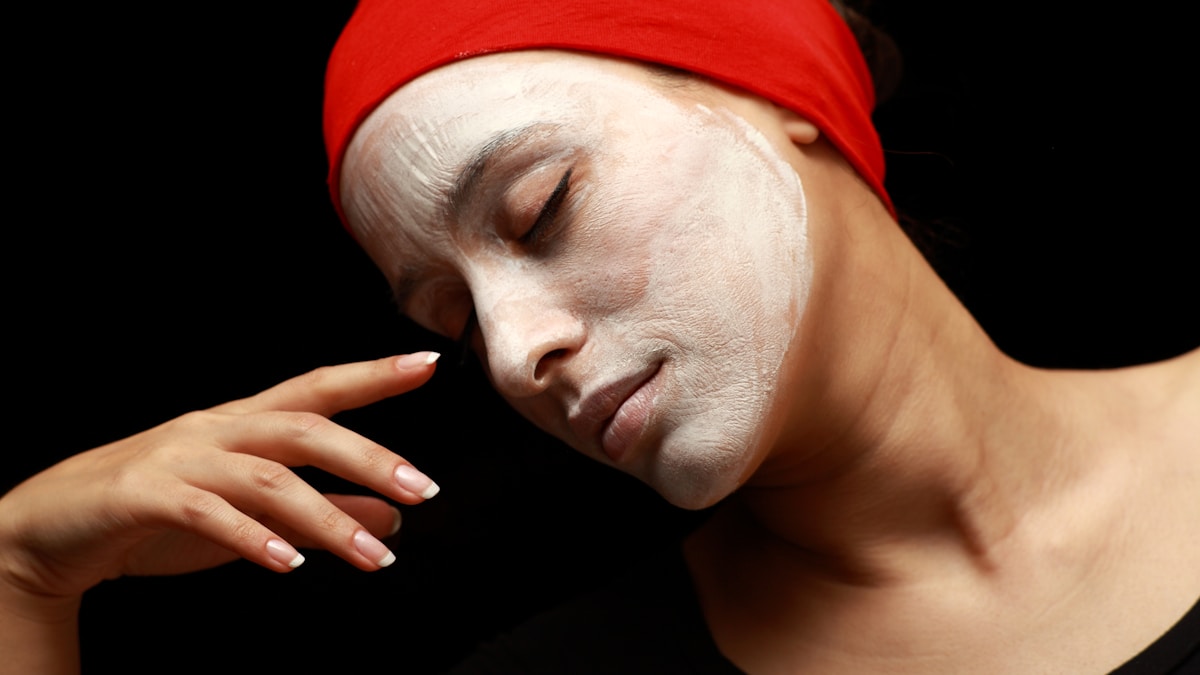
What it is: Controlled micro-injuries to stimulate collagen; often combined with topical growth factors or platelet-rich plasma (PRP) to boost repair.
Why it’s recommended: I’ve seen steady improvement in skin tone and pore size over 3–6 sessions, with less downtime than deep lasers but more than a chemical peel.
Typical cost: $200–$900 per session in U.S. depending on add-ons like PRP.
Who benefits: Patients wanting collagen remodeling without laser risks. In my experience, combining microneedling with a monthly retinoid routine yields cumulative improvements.
5. Dermal fillers (hyaluronic acid and longer-lasting options)
What it is: Injectables that restore volume, soften folds, and lift tissues — think nasolabial folds, cheek volume, jawline sculpting.
Why dermatologists often suggest fillers: Instant contouring with minimal downtime. Results vary by filler type: HA fillers are reversible and a common starter choice.
Typical cost: $600–$1,500 per syringe in U.S. clinics; many people need 1–3 syringes depending on area.
Safety note: Choose an experienced injector. Complications are rare but can be serious — vascular occlusion needs immediate attention.
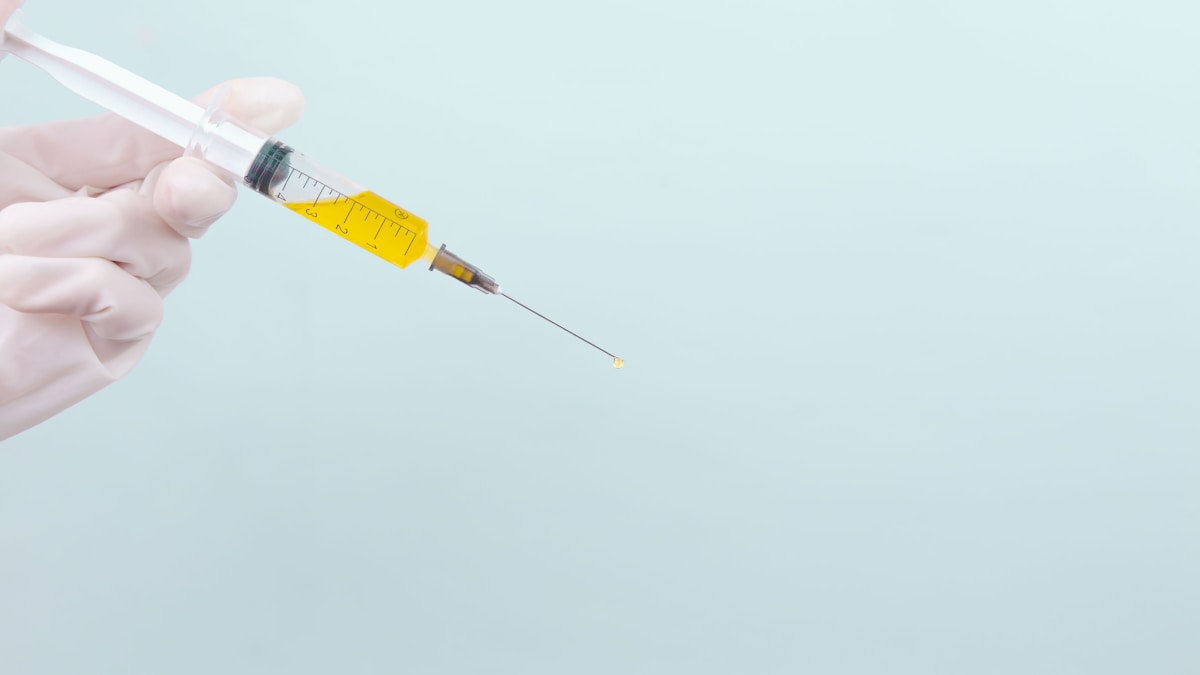
anti aging treatments – Dermal filler treatment being administered
6. Chemical peels (medium-depth)
What it is: Controlled chemical exfoliation to address pigment, surface lines, and texture. Medium peels (like TCA) reach deeper layers than light peels.
Why clinics use them: Peels can resurface without lasers and are typically cheaper with predictable recovery. I watched a colleague’s patient get dramatic pigment reduction after a series of peels over six months.
Typical cost: $150–$600 per peel in the U.S., depending on strength and clinic.
Tip: For U.S. summers, plan peels in fall or winter due to sun sensitivity afterward. Always pair with a high-SPF sunscreen — the American Academy of Dermatology has great sunscreen guidance at AAD.
7. Energy-based skin tightening (radiofrequency and monopolar devices)
What it is: Heat-based devices that stimulate collagen deeper in the dermis — think non-invasive tightening for lower face, neck, and jowls.
Why dermatologists pick these: Moderate tightening with minimal recovery. Results are gradual (over months) and often need a series of treatments for best effect.
Typical cost: $300–$1,200 per session in U.S. clinics.
Real talk: It’s not as dramatic as a surgical lift, but for patients who aren’t ready for surgery, it’s a sensible middle ground.
How I combine these anti aging treatments for real people
One-size-fits-all doesn’t work. I usually suggest a layered plan: daily topical foundation (retinoid + sunscreen + antioxidant), periodic in-office procedures (botox or filler for quick wins), and one major remodeling treatment (laser or RF) spaced months apart.
Example plans I’ve recommended in Boston and San Francisco:
- Starter (early 30s): nightly retinol, vitamin C serum, monthly light chemical peel.
- Mid-career (40s): botulinum toxin for dynamic lines, HA filler for volume loss, microneedling series for texture, daily SPF.
- Advanced (50s+): fractional laser session, surgical consult if laxity severe, maintenance botox and fillers.
Shopping note: I compared over-the-counter vitamin C picks while testing layered routines — here’s my roundup of top vitamin C serums for brightening to pair with these treatments so you don’t pick something that irritates post-procedure skin.
Costs, downtime, and realistic timelines
Let’s talk dollars and calendar days — because people in New York and LA ask: how many workdays will I lose, and how much will it cost?
| Treatment | Typical U.S. Cost | Downtime | Visible Results |
|---|---|---|---|
| Retinoids | $10–$60/month | None | 8–12 weeks |
| Botulinum toxin | $300–$700/area | 0–2 days | 3–7 days |
| Fractional laser | $800–$3,000/session | 3–10 days | 2–3 months |
| Microneedling + PRP | $200–$900/session | 1–4 days | 6–12 weeks |
| Dermal fillers | $600–$1,500/syringe | 0–3 days | Immediate |
| Chemical peels (medium) | $150–$600/peel | 3–7 days | 2–6 weeks |
| RF/energy | $300–$1,200/session | 0–3 days | 2–6 months |
Common misconceptions people tell me about anti aging treatments
- Myth: One treatment fixes everything. Truth: Most meaningful change comes from a planned combination. I wish it were simpler — but it’s not.
- Myth: More expensive equals better. Truth: Provider skill matters more than price for injectables and lasers. I’ve seen inexpensive clinics with careful doctors and lavish places with mediocre results.
- Myth: You can skip sunscreen after procedures. Truth: Never. Post-procedure sun exposure raises pigment risk dramatically.
How to pick the right clinic in the U.S.
Find a clinic that publishes provider qualifications, shows real patient photos, and offers a clear price list or at least ranges. Read reviews from locals in your city — people in Chicago, Seattle, and Houston will post honest timelines and whether results matched promises.
Ask these questions during consults: What are the risks for my skin type? How many sessions will I need? Can you show cases your office treated with similar concerns?
Side-note — be wary of practitioners pushing a single treatment for every concern. Good doctors tailor plans to anatomy, lifestyle, and budget.
At-home maintenance that actually extends results
Clinic treatments are potent, but daily routines keep gains. Here’s a short, practical list I give friends:
- Daily broad-spectrum SPF 30+ (reapply every two hours outdoors).
- Nightly retinoid as tolerated.
- Vitamin C in the morning to help with antioxidant defense and brightness.
- Regular gentle exfoliation and hydration — not over-exfoliation.
If you want a head-to-head on vitamin C price tiers and efficacy before choosing one, I tested serums in different budgets for U.S. shoppers and wrote a practical comparison — it’s useful if you plan to layer actives post-procedure.
When to choose surgery instead
Energy devices and injectables are wonderful, but surgical options remain the strongest correction for significant sagging or skin excess. If your jawline and neck are very lax, consult a facial plastic surgeon after an honest discussion about recovery and longevity.
In many clinic conversations, dermatologists will recommend trying non-surgical routes first unless anatomy clearly requires lift surgery.
Frequently Asked Questions
Which anti aging treatment works fastest?
For rapid, visible change with minimal downtime, botulinum toxin and dermal fillers deliver the fastest results. You see effects within days for botox and immediately for fillers, while lasers and retinoids take longer.
Are microneedling and laser interchangeable?
No. Microneedling remodels collagen with milder downtime and fewer pigment risks, while fractional lasers penetrate deeper and often produce more dramatic resurfacing — but with greater downtime.
How much do anti aging treatments cost in the U.S.?
Costs vary widely: expect $10–$60/month for retinoids, $300–$700 per botox area, $600–$1,500 per filler syringe, and $800–$3,000 per fractional laser session depending on city and provider.
Can I do anti aging treatments if I have darker skin?
Yes, but choose providers experienced with higher Fitzpatrick skin types. Certain lasers and peels need adjusted settings to lower pigment risk; microneedling and fillers are often safer first choices.
How often should I get maintenance treatments?
Maintenance depends on the modality: botox every 3–4 months, fillers every 6–18 months depending on product, lasers and RF once or a few times a year, and daily topicals ongoing.
I started this search thinking there would be clear winners. There are — but not single miracles. My honest takeaway: combine reliable daily basics (retinoid, vitamin C, sunscreen) with one or two in-office procedures chosen for your goals and downtime tolerance. For most Americans, that means investing gradually — botox or fillers for quick wins, then a laser or microneedling series for longer-term remodeling.
If you live in a city like New York, L.A., or Chicago, you’ll find options at many price points; just prioritize provider skill. Personally, if I had to pick one plan in 2026 I’d start with a prescription retinoid, monthly antioxidant support, targeted botox for expression lines, and a microneedling series — then reassess after a year. That combo balances safety, cost, and meaningful improvement. For more product pairing notes and affordable serum options, check our tests at Beaute Cosmetic | Expert Beauty, Skincare & Makeup Advice before booking treatments.
Important Considerations Regarding Anti-Aging Treatments:
- Recent developments in anti-aging treatments are positively impacting user experiences.
- Experts recommend following the steps outlined in this guide when using anti-aging treatments.
- Future updates are expected to further expand innovations in the field of anti-aging treatments.
In summary, to achieve success in the field of anti aging treatments, it is necessary to follow current developments and shape strategies accordingly. You can share your experiences or questions about anti aging treatments in the comments section.
In summary, to achieve success in the field of anti aging treatments, it is necessary to follow current developments and shape strategies accordingly. You can share your experiences or questions about anti aging treatments in the comments section.
Frequently Asked Questions
What is anti aging treatments?
anti aging treatments is a topic of high search volume and strategic importance in the digital space.
Why is anti aging treatments Important?
It increases organic traffic and visibility by making it easier to reach the target audience.