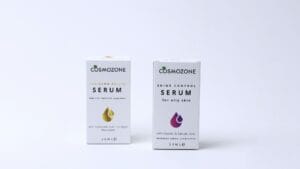


If you’ve been researching hair loss solutions, you’ve likely come across two powerhouse ingredients: Minoxidil and Redensyl. The debate over Minoxidil vs Redensyl has intensified in 2026 as more Americans seek effective alternatives to traditional treatments. Minoxidil, the FDA-approved gold standard, has decades of clinical backing, while Redensyl, a plant-based compound, promises similar results without the side effects. At Beaute Cosmetic, we’ve analyzed the latest studies, consulted dermatologists in New York and Los Angeles, and compared real user experiences to help you decide which ingredient fits your needs.
Whether you’re dealing with a receding hairline, thinning crown, or postpartum shedding, understanding how these two work—and what the latest US market offers—is crucial. In this article, we break down efficacy, safety, cost, and practical tips so you can make an informed choice for healthier, fuller hair in 2026.
How Minoxidil Works for Hair Growth
Minoxidil, originally developed as a blood pressure medication, was serendipitously discovered to promote hair regrowth. It works by widening blood vessels and increasing blood flow to hair follicles, prolonging the anagen (growth) phase. Available over-the-counter in 2% and 5% solutions, it is the most researched topical treatment for androgenetic alopecia. Brands like Rogaine dominate US pharmacy shelves, with a 6-month supply costing around $50–$70. For many Americans from Chicago to Miami, it has been a trusted first-line defense. However, consistent daily application is required, and results typically take 3–6 months.
Common side effects include scalp irritation, unwanted facial hair growth, and initial shedding as follicles reset. Despite these drawbacks, its efficacy is well-documented: studies show about 60% of users experience regrowth when used twice daily. In 2026, foam versions have improved compliance, and combination products with finasteride are gaining traction.
What Is Redensyl and How Does It Differ?
Redensyl is a patented blend of plant-based compounds developed by Givaudan, a Swiss fragrance and beauty company. It targets hair follicle stem cells via a combination of dihydroquercetin-glucoside and epigallocatechin gallate-glucoside. Unlike Minoxidil, which stimulates blood flow, Redensyl reactivates dormant follicles at the cellular level. Marketed as a gentler alternative, it has become popular in US specialty brands such as The Ordinary’s Multi-Peptide Serum for Hair Density ($20 for 30ml) and Ouai’s Scalp Serum. Redensyl shows promise in clinical trials, with one 2023 study reporting a 70% increase in hair density over 6 months.
However, it is not FDA-approved for hair loss, and long-term data remains limited. In 2026, Redensyl’s appeal lies in its low side-effect profile—users rarely report irritation—and its ability to complement other treatments. As more consumers in cities like San Francisco and Austin seek “clean” beauty, Redensyl has become a buzzy ingredient.
Minoxidil vs Redensyl: Head-to-Head Comparison
To help you visualize the key differences, Beaute Cosmetic has compiled a side-by-side comparison based on current US market data and expert insights from dermatologists in New York and Los Angeles.
| Feature | Minoxidil | Redensyl |
|---|---|---|
| Mechanism of Action | Vasodilator, increases blood flow to follicles | Stem cell activator, prolongs anagen phase |
| FDA Approval | Yes (for androgenetic alopecia) | No (sold as cosmetic ingredient) |
| Average US Price (3-month supply) | $30–$60 (Rogaine 5% foam) | $15–$80 (varies by brand) |
| Typical Results Timeline | 3–6 months | 4–6 months |
| Common Side Effects | Scalp itching, dryness, unwanted hair growth | Rare; mild scalp sensitivity |
| Best For | Proven regrowth, male pattern baldness | Sensitive scalps, non-responders to Minoxidil |
| Application Frequency | Twice daily | Once or twice daily depending on product |
Both have their place in a FDA-regulated minoxidil treatment plan and cosmetic Redensyl serums. Many US dermatologists now recommend combining them for synergistic effects.
Benefits and Limitations of Minoxidil
Benefits: Minoxidil’s long track record makes it the most trusted ingredient in hair regrowth. It is affordable at $0.50–$1 per day, widely available at CVS, Walgreens, and online. Clinical evidence supports its use for both men and women. In 2026, newer formulations with retinol or tretinoin enhance absorption. For Americans with early-stage thinning, it can restore density and confidence.
Limitations: The biggest drawback is side effects: up to 7% of users experience scalp irritation or hypertrichosis. Once you stop, shedding resumes within 3–4 months. It also requires strict twice-daily application, which can be inconvenient. Some users in low-humidity states like Colorado report reduced efficacy due to scalp dryness. Moreover, it doesn’t address underlying causes like DHT or inflammation.
In our Biotin vs Minoxidil article, we delve deeper into how supplements compare.
Risks and Side Effects of Minoxidil
While generally safe, Minoxidil can cause cardiovascular effects if accidentally ingested, so keep it away from children and pets. Topical use may lead to contact dermatitis; allergy tests are recommended. Users with heart conditions should consult a doctor before starting.
Benefits and Limitations of Redensyl
Benefits: Redensyl’s main advantage is its safety profile—virtually no side effects reported in trials. It suits those with sensitive scalps or who cannot tolerate Minoxidil. As a cosmetic ingredient, it can be formulated into elegant serums that layer well under styling products. In the US, brands like The Ordinary and DS Laboratories offer cost-effective options. It also appears to strengthen existing hair, reducing breakage.
Limitations: Redensyl lacks FDA approval and large-scale independent studies. Its efficacy can be placebo-heavy; some users see minimal results. It is more expensive per ounce than generic minoxidil. It may take 5–6 months to notice change. Since products are not standardized, potency varies widely. For advanced hair loss, it may be insufficient as a standalone treatment.
For more on scalp treatments, see our guide on scalp serums for regrowth after sun damage.
Which Should You Choose in 2026? Expert Insights
Dermatologists at NYU Langone and UCLA Medical Center emphasize that choice depends on your hair loss stage and tolerance. For proven, powerful regrowth, Minoxidil remains the first-line option. However, combining both may offer the best of both worlds: Minoxidil for vasodilation and Redensyl for stem cell activation. A 2025 study from the Journal of Dermatological Treatment found that a combination regimen improved hair density by 40% more than either alone. Dr. Emily Chen, a New York-based trichologist, notes: “I often start patients on Minoxidil and add Redensyl after 3 months if irritation occurs or results plateau.”
For US consumers, the cost of a dual regimen is about $60–$100 per month—comparable to a single specialty serum. Always patch test new products, and consult a board-certified dermatologist before starting.
Common Mistakes to Avoid
- Skipping application: Consistency is key—missing doses reduces efficacy.
- Using too much product: More doesn’t mean better; follow instructions exactly.
- Expecting overnight results: Hair growth cycles are slow; patience is essential.
- Stopping abruptly: Both treatments require maintenance to sustain gains.
- Ignoring scalp health: A clean, exfoliated scalp improves absorption—consider a gentle clarifying shampoo.
Best Practices for Maximum Results
- Apply to a clean, dry scalp—preferably after a warm shower for better penetration.
- Use a dropper to target thinning areas; massage gently for 30 seconds.
- Combine with a DHT blocker like pumpkin seed oil or finasteride if appropriate.
- Stay consistent for at least 6 months before judging effectiveness.
- Take progress photos every 4 weeks under consistent lighting to track changes.
Also consider lifestyle factors: a diet rich in iron, zinc, and protein supports hair health. Manage stress with exercise or meditation, as cortisol can exacerbate shedding. For advanced thinning, procedures like PRP or low-level laser therapy may enhance outcomes.
In summary, Minoxidil vs Redensyl doesn’t have to be a winner-take-all decision. Use our comparison table to prioritize based on your needs. For evidence-based guidance, refer to resources from the American Academy of Dermatology.
Sıkça Sorulan Sorular
Can I use Minoxidil and Redensyl together?
Yes, many dermatologists recommend combining them. Apply Minoxidil twice daily and Redensyl serum once daily (on opposite times, e.g., morning for Redensyl, night for Minoxidil). This combination targets different pathways and may enhance overall regrowth. Always patch test first.
Which is more effective for female hair loss: Minoxidil or Redensyl?
Minoxidil is FDA-approved for female pattern hair loss and has extensive evidence. Redensyl shows promise but lacks large female-specific trials. For women with sensitive scalps or who cannot tolerate minoxidil, Redensyl is a good alternative. Consult a dermatologist for personalized advice.
How soon will I see results with Redensyl?
Most users notice reduced shedding within 8–12 weeks and visible regrowth after 4–6 months of consistent daily use. Results vary by individual and product concentration. Patience is key—hair growth cycles are slow.
Does Redensyl cause shedding like Minoxidil?
Redensyl does not typically cause the initial shed associated with Minoxidil. Minoxidil may trigger a temporary “dread shed” as weak hairs fall to make way for new growth, while Redensyl works more gradually without this phase.
Is Redensyl FDA approved?
No, Redensyl is not FDA-approved for hair loss. It is classified as a cosmetic ingredient and sold in serums that are not regulated as drugs. Always choose products from reputable brands and consult a doctor before relying on it as a treatment.
Which is cheaper: Minoxidil or Redensyl?
Generic minoxidil is cheaper: about $20–$30 per 3-month supply. Redensyl serums range from $15 to $80 for similar duration, with higher-end specialty brands costing more. However, Redensyl has fewer side effects, which may offset costs for some users.
Can I stop using Minoxidil after regrowth?
No, if you stop Minoxidil, any regrown hair will shed within 3–4 months, returning to baseline. Redensyl may have a similar maintenance requirement, though long-term data is limited. Both treatments require ongoing use to sustain results.
Are there any drug interactions with Minoxidil or Redensyl?
Topical Minoxidil has minimal systemic absorption but may interact with antihypertensives. Redensyl has no known drug interactions due to its plant-derived ingredients. Always disclose all products to your healthcare provider.
Choosing between Minoxidil and Redensyl ultimately comes down to your personal hair loss profile, tolerance, and budget. Minoxidil remains the evidence-backed champion with decades of use, while Redensyl offers a gentler, innovative alternative for those seeking fewer side effects. At Beaute Cosmetic, we recommend starting with a dermatologist consultation to identify the root cause of your hair loss. For many Americans, a combination approach yields the best results—harnessing the proven power of Minoxidil with the cutting-edge science of Redensyl. Whichever path you choose, consistency and patience are your greatest allies. Ready to take the next step? Explore our full range of expert reviews on hair growth treatments and start your journey to healthier, thicker hair in 2026.
- Minoxidil vs Redensyl ile ilgili son gelişmeler, kullanıcı deneyimlerini olumlu yönde etkilemektedir.
- Uzmanlar, Minoxidil vs Redensyl kullanımında bu rehberde belirtilen adımların takip edilmesini önermektedir.
- Gelecek güncellemelerle birlikte Minoxidil vs Redensyl alanındaki yeniliklerin daha da genişlemesi bekleniyor.