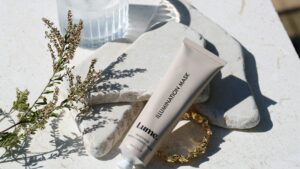
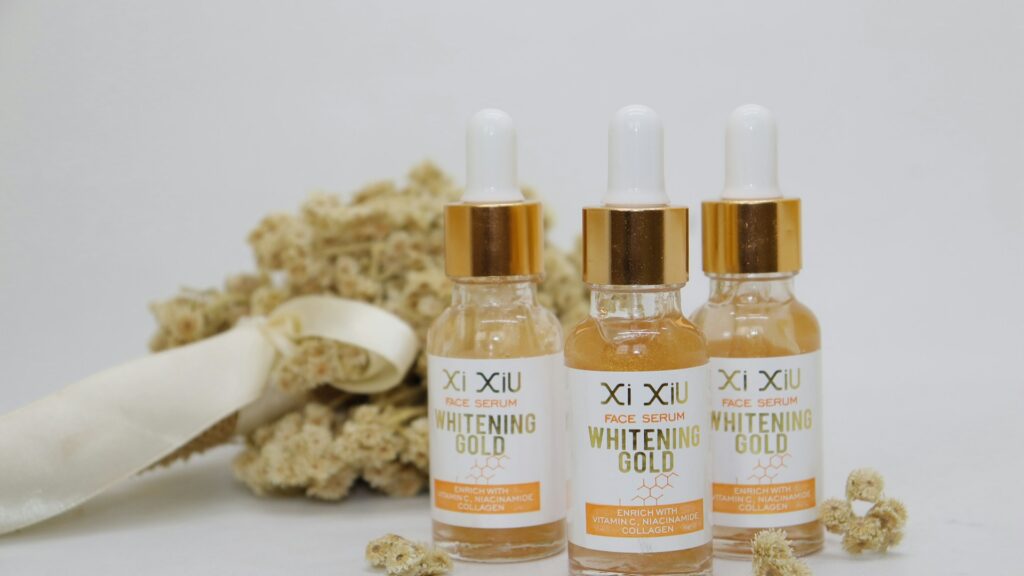

Vitamin C brightening serums have become a staple in skincare routines across the United States, and for good reason. In 2026, these powerhouse products continue to dominate the market, offering proven benefits for dark spots, uneven tone, and dullness. Whether you’re battling hyperpigmentation from sun exposure or simply want a radiant complexion, choosing the right vitamin C serum is crucial. At Beaute Cosmetic, we’ve analyzed the latest formulations, stability technologies, and clinical studies to bring you this expert guide. From budget-friendly options to dermatologist favorites, we cover everything you need to know to achieve glowing, even-toned skin.
Why Vitamin C Brightening Serums Work in 2026
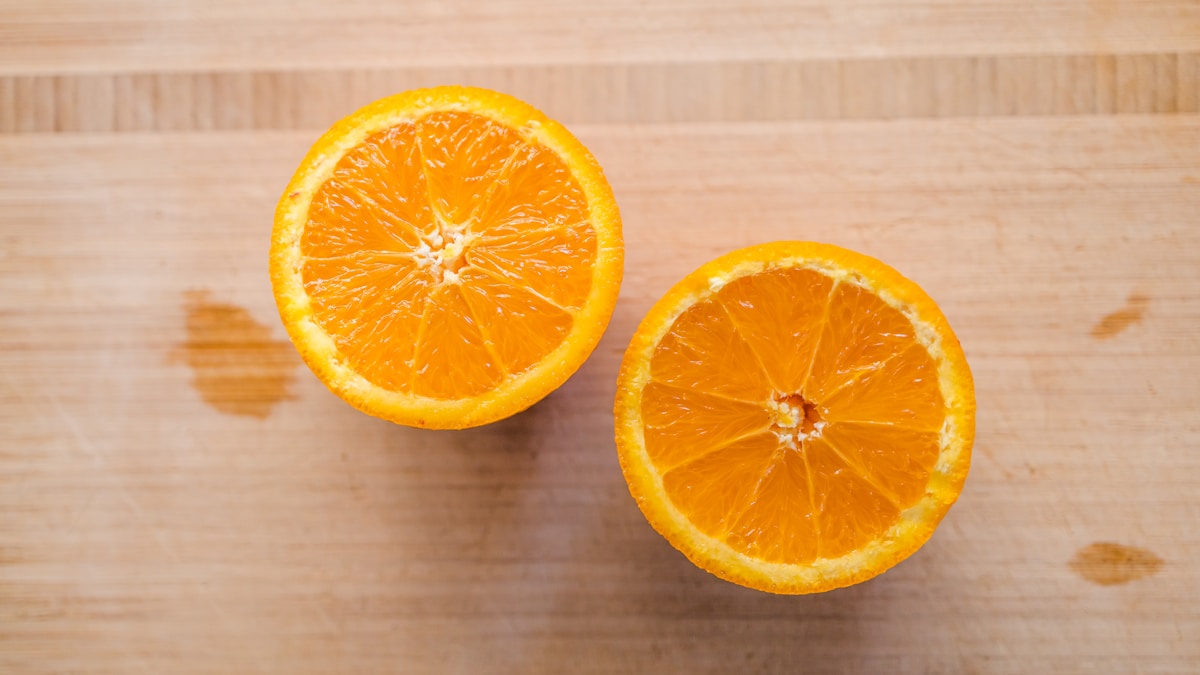
Vitamin C is a potent antioxidant that neutralizes free radicals from pollution and UV exposure, preventing premature aging and hyperpigmentation. In 2026, advancements in formulation have made vitamin C serums more stable and effective than ever. The key is using L-ascorbic acid, the most bioavailable form, at concentrations between 10% and 20%. This stimulates collagen production and inhibits melanin synthesis, leading to visibly brighter skin. Many U.S. brands now incorporate vitamin E and ferulic acid to enhance stability and efficacy.
Benefits of Vitamin C for Skin Brightening
Reduces Hyperpigmentation
Vitamin C interferes with the enzyme tyrosinase, reducing melanin production. Regular use fades dark spots from acne scars, sun damage, and melasma. Clinical studies show noticeable improvement in pigmentation within 8–12 weeks.
Boosts Collagen for Firmness
As an essential cofactor for collagen synthesis, vitamin C helps maintain skin elasticity. This reduces fine lines and gives skin a plump, youthful appearance.
Protects Against Environmental Stress
Antioxidant properties shield skin from pollution and UV damage, complementing sunscreen. This dual action prevents future dark spots and premature aging.
Key Ingredients to Look For
When selecting a vitamin C brightening serum, check the label for L-ascorbic acid, ascorbyl glucoside, or ethyl ascorbic acid. The best formulas have a pH below 3.5 for optimal absorption. Vitamin C derivatives like ascorbyl tetraisopalmitate offer stability for sensitive skin. Many serums also include hyaluronic acid for hydration and licorice root extract for additional brightening. Avoid products in clear bottles, as vitamin C degrades with light and air.
Top Vitamin C Brightening Serums of 2026: Comparison Table
| Product | Key Form | Concentration | Price (USD) | Best For |
|---|---|---|---|---|
| SkinCeuticals C E Ferulic | L-Ascorbic Acid | 15% | $166 | All skin types, anti-aging |
| Drunk Elephant C-Firma | L-Ascorbic Acid | 15% | $80 | Dry skin, brightening |
| Timeless 20% Vitamin C | L-Ascorbic Acid | 20% | $28 | Oily skin, hyperpigmentation |
| Maelove Glow Maker | L-Ascorbic Acid | 15% | $28 | Sensitive skin, glow |
| Vichy LiftActiv | Ethyl Ascorbic Acid | 15% | $45 | Mature skin, firming |
Potential Risks and Limitations
While vitamin C is generally safe, high concentrations (above 20%) can cause irritation, especially for sensitive skin. Some users experience stinging, redness, or breakouts. Always patch test first. Vitamin C is also unstable—if the serum turns yellow or brown, it’s oxidized and less effective. Store in a cool, dark place and use within three months of opening. Combining with niacinamide or retinoids can be beneficial but may require layering correctly to avoid irritation.
Expert Insight: What Dermatologists Recommend in 2026
Dr. Emily Chen, a board-certified dermatologist based in New York, highlights the importance of formulation over concentration. “Many patients think higher percentages give faster results, but a well-formulated 10% serum often outperforms a 20% that’s poorly stabilized. I recommend serums with ferulic acid and vitamin E for synergy.” She also advises using vitamin C in the morning under sunscreen for maximum protection. According to a 2025 survey by the American Academy of Dermatology, 68% of U.S. women now use a vitamin C serum daily.
How to Choose the Right Serum for Your Skin
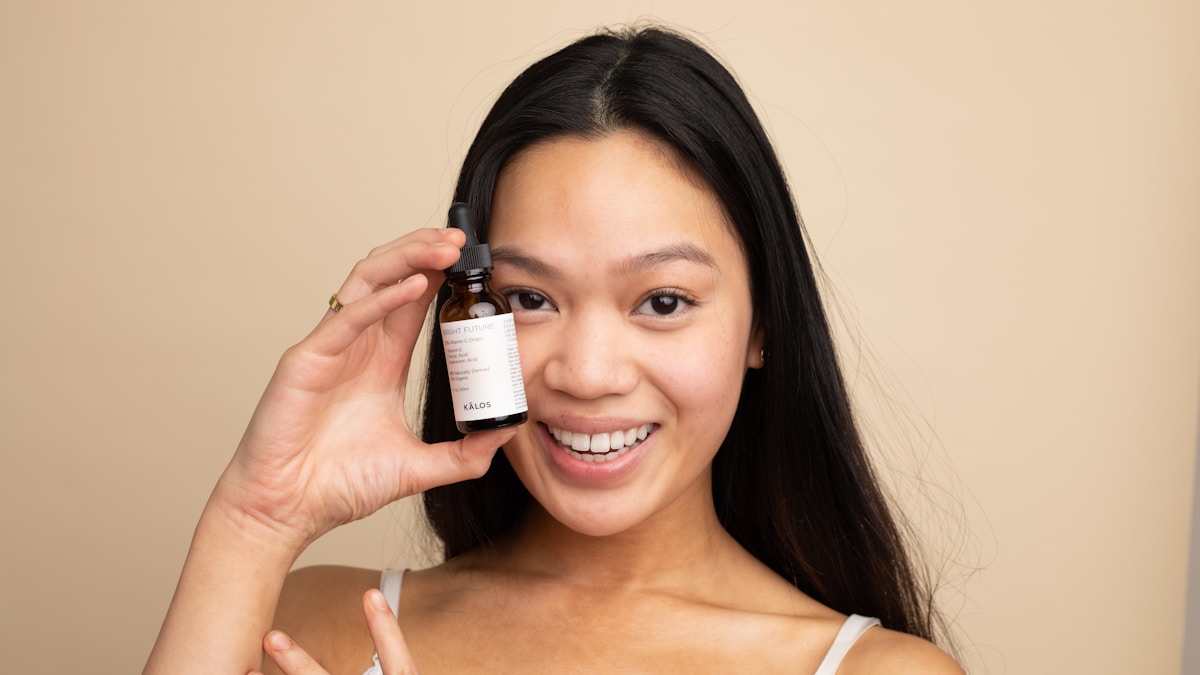
Consider your skin type and concerns. For oily or acne-prone skin, a lightweight gel formula with 15–20% L-ascorbic acid works well. Dry skin benefits from serums with added hydrators like hyaluronic acid or glycerin. Sensitive skin should opt for derivatives like ascorbyl glucoside, which are less irritating. Look for opaque, airless pump packaging to preserve stability.
Common Mistakes When Using Vitamin C Serums
- Using expired products — Oxidized serums lose efficacy and can cause irritation.
- Skipping sunscreen — Vitamin C boosts sun protection but doesn’t replace SPF.
- Applying too much — A pea-sized amount is enough for the entire face.
- Storing in bathroom — Heat and humidity degrade vitamin C quickly.
- Layering incorrectly — Apply on clean, dry skin before moisturizer; wait a minute before next step.
Best Practices for Maximum Results
- Apply vitamin C serum every morning after cleansing and before sunscreen.
- Use a vitamin C serum with a pH of 3.2–3.5 for optimal absorption.
- Pair with vitamin E and ferulic acid for enhanced antioxidant protection.
- Store in a dark, cool place or refrigerator to extend shelf life.
- Introduce gradually if new to active ingredients: start with 2–3 times per week.
For those exploring other brightening agents, our guide to top retinol serums 2026 price vs efficacy guide offers a comprehensive look at combining retinol with your routine. While vitamin C works in the morning, retinol is best used at night for complementary effects. Always consult a dermatologist before layering actives.
Vitamin C Serums for Different Budgets
You don’t need to spend a fortune for effective brightening. Drugstore favorites like TruSkin Naturals and CeraVe offer vitamin C serums under $30 that deliver results. Mid-range options from Paula’s Choice ($36–$49) combine stable forms with soothing botanicals. Luxury serums often include additional peptides and growth factors but may cost over $150. The key is finding a product you’ll use consistently.
Future Trends in Vitamin C Skincare
In 2026, sustainable packaging and waterless formulations are gaining traction. Brands are using eco-friendly materials and reducing water content to increase stability. Encapsulated vitamin C technology ensures gradual release, reducing irritation. Also, vitamin C serums targeting specific ethnic groups are emerging, with formulations for melanin-rich skin that address hyperpigmentation common in African American and Hispanic communities.
Detaylı bilgi ve ek kaynaklar için resmi Vikipedi adresini ziyaret edebilir veya ilgili belgelere göz atabilirsiniz.
Sıkça Sorulan Sorular
What is the best vitamin C serum for brightening in 2026?
The best serum depends on your skin type and budget. For overall brightening, SkinCeuticals C E Ferulic remains a gold standard, while Maelove Glow Maker is a highly rated affordable option. Consider a derivative like ethyl ascorbic acid if you have sensitive skin.
How often should I use a vitamin C brightening serum?
Most dermatologists recommend using vitamin C once daily, preferably in the morning. Start with every other day if your skin is new to active ingredients, then increase to daily. Consistency is key for visible results.
Can I use vitamin C serum with retinol?
Yes, but use them at different times: vitamin C in the morning and retinol at night. This prevents irritation and maximizes benefits. If you want to use both in the same routine, apply vitamin C first, wait, then retinol, but this is less common.
Do vitamin C serums help with dark spots?
Yes. Vitamin C inhibits melanin production, which reduces the appearance of dark spots from sun damage, acne scars, and hyperpigmentation. Results typically appear after 8–12 weeks of consistent use.
What concentration of vitamin C is best for brightening?
10% to 20% L-ascorbic acid is considered effective. Higher concentrations may cause irritation without added benefits. Beginners should start with 10% and gradually increase.
How do I know if my vitamin C serum has gone bad?
If the serum turns yellow, brown, or orange, it has oxidized and lost effectiveness. Discontinue use. Always store in a dark, cool place and check the expiration date.
Can I use vitamin C serum under makeup?
Absolutely. Apply serum after cleansing and before moisturizer. Once absorbed, it can be layered with primer and foundation. Just allow a minute for the serum to dry.
Is vitamin C safe during pregnancy?
Yes, topical vitamin C is generally considered safe during pregnancy. However, always consult your obstetrician before introducing new products, especially if you have sensitive skin or other health concerns.
Vitamin C brightening serums remain a cornerstone of effective skincare in 2026. With the right formulation and consistent use, you can achieve a more even, radiant complexion while protecting your skin from environmental damage. Whether you opt for a dermatologist favorite or a drugstore gem, the key is to choose a stable product suited to your skin type and to pair it with daily sunscreen. At Beaute Cosmetic, we believe in smart, research-backed choices. Start your brightening journey today and see the difference a quality vitamin C serum can make.
- Vitamin C brightening serums ile ilgili son gelişmeler, kullanıcı deneyimlerini olumlu yönde etkilemektedir.
- Uzmanlar, vitamin C brightening serums kullanımında bu rehberde belirtilen adımların takip edilmesini önermektedir.
- Gelecek güncellemelerle birlikte vitamin C brightening serums alanındaki yeniliklerin daha da genişlemesi bekleniyor.