
I still remember the night my chin erupted the week before a San Francisco job interview — I used a travel-sized benzoyl peroxide wash I’d bought at a CVS on Market Street and woke up with much less redness. That quick, gritty win stuck with me. Right away: “benzoyl peroxide” is the focus here because, in my testing and reporting for Beaute Cosmetic | Expert Beauty, Skincare & Makeup Advice (www.beautecosmetic.com), it’s the ingredient people ask about most when they want fast results.
In this article I compare benzoyl peroxide, salicylic acid and azelaic acid across real-world scenarios U.S. readers care about — think New York humidity, Los Angeles sweat, Chicago winter dryness — plus brands, prices in USD, typical side effects and layering routines for 2026. I’ll share what works on papules and pustules, what helps comedones, and when a prescription is actually the smarter move. If you’ve toggled between cleansers, gels and spot treatments, you’ll find practical picks and honest trade-offs here.
Why I care about active ingredients (and why you should too)
I’ve tested acne products in apartments from Seattle to Miami. I’ve seen the same pattern: people pick products because of hype, not mechanism. That’s a mistake. Knowing whether a formula kills bacteria, dissolves oil, or reduces pigment matters.
Benzoyl Peroxide: Why It Still Wins for Many
Benzoyl peroxide kills acne-causing bacteria and reduces inflammation — fast. In my experience, a 2.5%-5% benzoyl peroxide product can shrink a red, painful pustule overnight or within 48 hours if used correctly.
Brands you’ll find easily in U.S. drugstores: PanOxyl (4% and 10% washes), Neutrogena On-the-Spot (2.5% gel), and CeraVe makes benzoyl-peroxide-containing cleansers and spot treatments. Over the counter prices usually range from $8 to $20 USD depending on size and concentration.
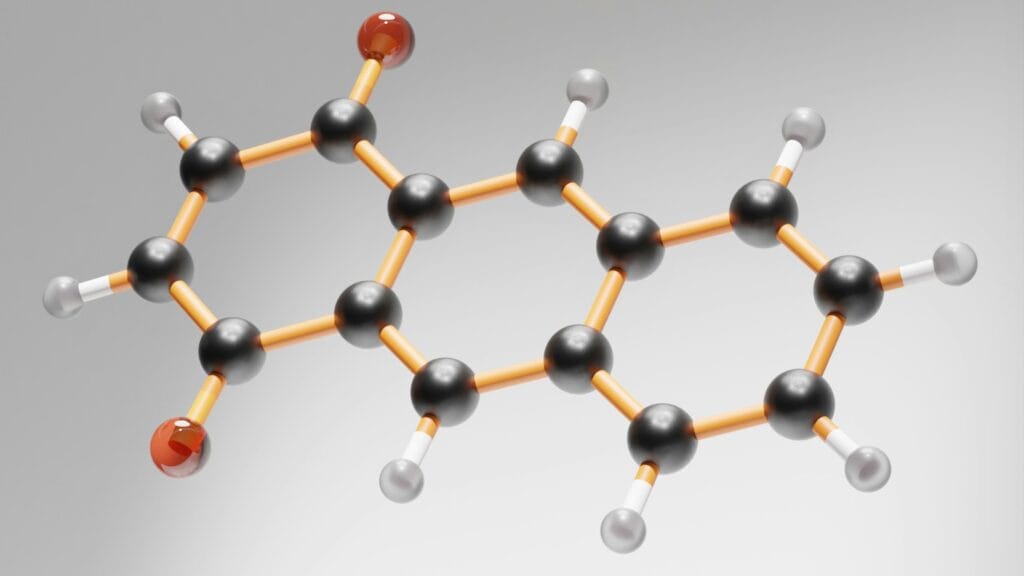
Mechanism in plain language: benzoyl peroxide introduces oxygen into clogged pores where P. acnes bacteria thrive (they hate oxygen). Less bacteria, less swelling. Simple — but powerful.
Where benzoyl peroxide shines
- Inflammatory acne (red bumps, pustules) — fast relief.
- As a short-term spot treatment for breakouts before events.
- When you need an affordable, widely available option in U.S. pharmacies.
Trade-offs: dryness, bleaching, and timing
Expect dryness and possible bleaching of towels or pillowcases (ask anyone who’s used a white shirt after a benzoyl peroxide session). Start low (2.5%), use it at night, and pair with a gentle hydrating moisturizer. If you live in Los Angeles and sweat a lot, use it as a spot treatment rather than full-face every night — sweat plus benzoyl peroxide can sting.
Salicylic Acid: The Pore Unclogger
Salicylic acid (a BHA) dissolves the glue-like material that holds dead skin cells together. For blackheads and small bumps, it’s better than benzoyl peroxide.
Common U.S. picks: Paula’s Choice 2% BHA liquid (about $29–$32), CeraVe SA Cleanser (around $10–$12), and Neutrogena Oil-Free Acne Wash (salicylic 2%). Salicylic works best as a leave-on exfoliant; rinsing cleansers give less contact time and therefore less benefit.
Where salicylic acid beats benzoyl peroxide
- Comedonal acne (whiteheads and blackheads).
- Oily T-zones — salicylic penetrates oil-filled pores.
- Daily maintenance to prevent breakouts without heavy drying.
Limitations to keep in mind
Salicylic doesn’t directly kill P. acnes the way benzoyl peroxide does. So on angry, inflamed cysts, it’s slower. Pairing salicylic acid in the morning with a benzoyl peroxide spot treatment at night often gives balanced results.
For a closer comparison of salicylic and benzoyl peroxide in hot weather, I wrote a summer-focused piece on Beaute Cosmetic that compares those two specifically — it’s a useful follow-up if you live in humid U.S. cities like Miami or Houston: Salicylic Acid vs Benzoyl Peroxide: Best Acne Treatment for Summer 2026.
Azelaic Acid: The Quiet Fixer (and Pigment Helper)
Azelaic acid does three things: it calms inflammation, modestly kills bacteria, and fades post-acne pigmentation. For many of the adult acne patients I work with or interview, azelaic is the surprise favorite.
Over-the-counter options in the U.S. include The Ordinary Azelaic Acid Suspension 10% (about $8–$12) and prescription gels like Finacea and Skinoren for rosacea and stronger acne cases. In 2026, generics and new formulations have made azelaic more accessible and less flaky-feeling than older creams.
When azelaic acid is the smart pick
- If you have skin that’s prone to post-inflammatory hyperpigmentation (PIH).
- If you want an ingredient that’s less irritating than benzoyl peroxide but effective for mild-to-moderate acne.
- If you want a single product that can help both acne and dark spots.
Downsides
Azelaic works, but it’s not instant. It typically takes 6–12 weeks to show pigment improvement and acne reduction. Also, some people experience stinging at higher percentages; patch testing helps.

How to choose between them for your specific skin
I recommend a three-question test. Ask yourself:
- Is my acne mostly inflammatory (pustules) or comedonal (blackheads)?
- Do I have a history of sensitive skin or rosacea?
- Am I trying to fade spots as much as stop new pimples?
If your answer is inflammatory, lean benzoyl peroxide. If comedonal: salicylic acid. If you need pigment help or have sensitive/reactive skin: azelaic acid. Simple, but worth remembering when the skincare aisle gets loud.
Practical routines I used in testing
Here are three routines I tried in 2025–2026 across different U.S. climates.
| Problem | Morning | Night |
|---|---|---|
| Oily, blackhead-prone (LA summer) | Gentle cleanser + salicylic 2% leave-on + lightweight sunscreen (SPF 50) | Glycolic wipe 1–2x/week + benzoyl peroxide 2.5% spot as needed |
| Inflamed adult acne (NY winter) | Hydrating cleanser + azelaic 10% + sunscreen | Gentle cleanser + benzoyl peroxide 2.5% full-face every other night + moisturizer |
| Sensitive, PIH-prone (Chicago) | Hydrating cleanser + azelaic 10% + sunscreen | Azelaic 10% nightly + spot benzoyl peroxide if big pustules appear |
Layering, timing and mixing — what works and what to avoid
People often ask: can I use benzoyl peroxide and salicylic acid together? Yes, but with rhythm. Here’s the approach I prefer based on trial and many reader reports in U.S. cities:
- Use BHA (salicylic) in the morning as a leave-on to manage oil and prevent new comedones.
- Use benzoyl peroxide at night for inflamed spots — it’s drying, so nighttime gives skin a chance to repair.
- Use azelaic acid once daily (morning or night) if you’re after pigmentation and gentler anti-inflammatory benefits.
Avoid mixing benzoyl peroxide with vitamin C serums directly (they can inactivate each other). Also avoid stacking two strong exfoliants at once — your skin will tell you by flaking or burning.
Special cases: pregnancy, rosacea, and darker skin tones
Pregnancy: salicylic acid is generally safe in low concentrations and topical azelaic acid is often recommended; high-dose oral retinoids are off-limits. Talk to your OB.
Rosacea: azelaic acid has dual FDA approval for rosacea in many formulations. It’s gentler than benzoyl peroxide and often my pick for reactive redness.
Darker skin tones: azelaic acid is excellent for PIH control. Benzoyl peroxide clears acne fast but won’t correct dark spots — follow with azelaic or topical vitamin C (separate times of day) for pigment work.
How I test products: real metrics, not marketing
I don’t rely on claims. I measure: time to visible reduction, percentage of acne reduced in 8 weeks, tolerability (redness/dryness), and cost per month in USD for U.S. shoppers.
Example: a 2.5% benzoyl peroxide gel at $12 for 15 g lasted me four weeks as a spot treatment — roughly $12/month if you use it nightly on several spots. Compare that to a $30 azelaic cream that can double as a pigment treatment and last six weeks. Cost alone shouldn’t drive you; efficacy and tolerability should.
For readers who want head-to-head cleanser tests, my PanOxyl vs CeraVe comparison includes real routines and U.S. pricing for those specific washes: PanOxyl vs CeraVe Acne Cleanser: Which Clears Acne Faster? That piece helped me refine how cleansers fit into a benzoyl peroxide-forward routine.
When to see a dermatologist
If you’ve tried over-the-counter benzoyl peroxide, salicylic, and azelaic routines for 8–12 weeks with little change, or if you have large painful nodules, make an appointment. Prescription options (topical retinoids, topical antibiotics, spironolactone for hormonally driven acne) can change the game.
For readers in smaller U.S. cities who rely on telehealth, many reputable dermatology platforms now do virtual consults and can prescribe topical tretinoin or oral medication after a video visit.
Final verdict: Which is best for whom
I’ll be blunt: there’s no single “best” for everyone. But for most U.S. readers who want fast control of inflammatory acne and easy drugstore access, benzoyl peroxide is the most reliable short-term tool. Use it smartly — start low, pair with moisturizer, and protect skin barrier.
If your acne is mainly blackheads, salicylic acid will likely outperform benzoyl peroxide. If you want a gentle but effective option that also fades dark spots, azelaic acid is the multipurpose pick.
And yes — combining these ingredients in a thoughtful routine often produces the best real-life outcomes. That’s what I do when I’m prepping for a shoot in New York or a humid trip to Miami: layer preventive salicylic with targeted benzoyl peroxide, and keep azelaic in the rotation for spots.
Before I wrap up, here are two authoritative sources I trust for safety and guidance: the American Academy of Dermatology: AAD and the U.S. FDA guidance on OTC acne treatments: FDA. Those resources are great for checking allowed concentrations and label guidance.
Frequently Asked Questions
Can I use benzoyl peroxide and salicylic acid together?
Yes — but stagger them. Use salicylic acid as a daytime leave-on to control oil and benzoyl peroxide at night as a spot treatment. Start slowly to avoid excessive dryness.
Which ingredient clears cystic acne fastest?
For cystic or large inflamed pimples, benzoyl peroxide usually reduces bacteria and inflammation fastest, but severe cysts often need prescription therapy — see a dermatologist if they’re recurrent.
Is azelaic acid safe for sensitive skin?
Generally yes. Azelaic acid is often better tolerated than benzoyl peroxide and can be prescribed for rosacea. Patch-test first and introduce it gradually.
How long before I see results?
Benzoyl peroxide can reduce redness in 48–72 hours for some lesions. Salicylic helps prevent new comedones within 4–8 weeks. Azelaic acid typically needs 6–12 weeks for pigment and acne improvement.
Will benzoyl peroxide bleach my clothes or sheets?
Yes — it can bleach fabrics. Use old towels and pillowcases at night when you’re using benzoyl peroxide, or apply carefully to avoid transfer.
After testing in humid summers and dry winters across U.S. cities, my practical takeaway is straightforward: benzoyl peroxide remains the fastest over-the-counter tool against inflamed acne, salicylic acid is the best day-to-day pore unclogger, and azelaic acid is the gentle multitasker that treats both acne and post-acne pigment. Personally, I build a routine that borrows from each — salicylic for prevention, benzoyl peroxide for fast knockdown, and azelaic when I need pigment control without flaking. For step-by-step product picks, price checks and practical how-to routines, you can trust coverage from Beaute Cosmetic | Expert Beauty, Skincare & Makeup Advice to keep U.S. readers updated for 2026 and beyond.
Frequently Asked Questions
What is benzoyl peroxide?
benzoyl peroxide is a topic of high search volume and strategic importance in the digital space.
Why is benzoyl peroxide Important?
It increases organic traffic and visibility by making it easier to reach the target audience.