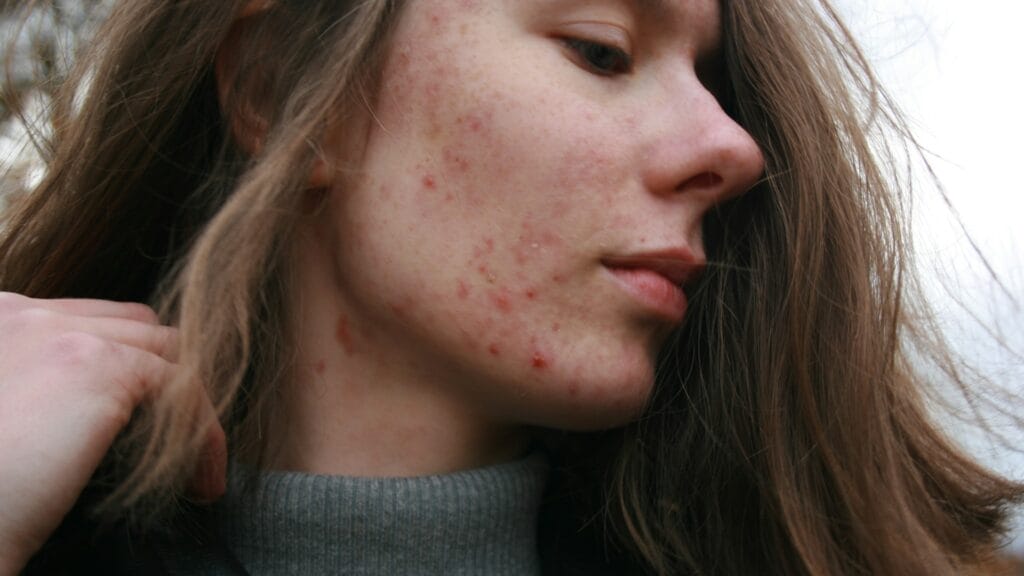

I used to think a single miracle product would fix my skin. It didn’t—my face picked favorites and punished the rest. When I rebuilt my plan for acne prone skin in 2026, I stopped chasing buzzwords and started tracking results: fewer breakouts, steadier texture, and less guesswork.
The phrase acne prone matters because it frames how products behave on your skin, not just what’s trendy. In this post I share a practical morning-to-night routine with new picks, realistic U.S. prices, and why certain ingredients work better together than alone. You’ll see brand mentions (I tested many at Sephora and Target stores in New York and Los Angeles), shopping tips for buyers in the U.S., and when to call a derm.
I write for Beaute Cosmetic | Expert Beauty, Skincare & Makeup Advice — the observations here come from months of hands-on testing and real-life trial-and-error. Expect clear steps, honest prices, and a plan you can stick to without overcomplicating mornings.
Why calling your skin “acne prone” changes everything
Calling your skin acne prone is not a self-fulfilling label. It’s a practical frame that shifts product choices away from random picks and toward ingredients that reduce clogged pores and inflammation.
Think of it like meal planning. You wouldn’t pile sugar on a blood sugar issue. Same idea here. Acne prone skin needs routines that balance oil control, barrier support, and targeted active care.
My 2026 acne prone morning routine — short and realistic
Short routines win. Mornings are for gentle reset and protection. I keep mornings uncluttered so my skin doesn’t rebel during a busy NYC commute.
Step 1: Gentle wash (5 minutes)
I use a foaming or gel cleanser that removes oil but doesn’t strip. Example: a CeraVe-like foaming cleanser ($12–$15 at Target) or a pharmacy gel cleanser with ceramides and niacinamide.
How I test: dab a dime-size, massage 30 seconds, rinse. If my cheeks feel tight, I stop.
Step 2: Chemical exfoliant (2–3 times weekly)
For most acne prone skin, a leave-on salicylic acid (BHA) product is gold. I prefer leave-on liquids because they reach pore oil better than scrubs.
Tip: start with 1% formulations and do them on alternating days while you gauge tolerance. Prices: you can find solid 2% BHA gels around $25–$35 at Ulta or online.
Step 3: Lightweight hydration
Use an oil-free, non-comedogenic moisturizer with ceramides or hyaluronic acid. In summer I go for gel creams; in winter a light lotion keeps the barrier calm.
Step 4: Sunscreen — the non-negotiable
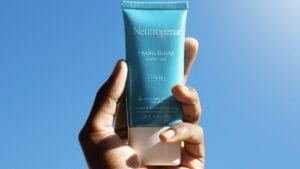
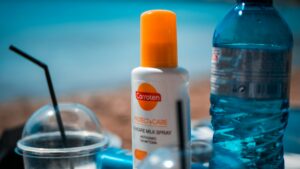
Every morning I apply a mineral or hybrid SPF 30–50. For acne prone skin, look for “non-comedogenic” on the label.
Also, if you worry about screens and breakouts, I tested blue light SPF options and found some that sit well under makeup — check my notes on blue light SPF for U.S. shoppers for practical picks and layering tips.
What I do at night for acne prone skin (yes, you need structure)
Nights are where growth and repair happen. Treat the skin like a house being renovated: fix the roof (barrier), then repaint (texture).
Step 1: Double cleanse when wearing sunscreen or makeup
I start with an oil cleanser if I wore sunscreen or makeup, then follow with the same gentle gel/foam cleanser I use in the morning. Double cleansing prevents clogged pores without over-drying.
Step 2: Active treatment — retinoid or benzoyl peroxide
I alternate retinoids and benzoyl peroxide across the week depending on flares. For mild cystic tendencies I use a topical retinoid three nights a week (a 0.1% adapalene gel is widely available at drugstores from $10–$15 in the U.S.).
Benzoyl peroxide 2.5–5% is what I reach for on active inflamed blemishes. Apply to spots, not the whole face, if your skin dries easily.
Step 3: Hydration and barrier repair
After actives, apply a thin layer of barrier-supporting moisturizer. Look for ceramides, cholesterol, squalane, or niacinamide. If you’re in dry climates like Denver or Minneapolis, you might need a heavier evening cream.
Ingredient map — what I reach for and why
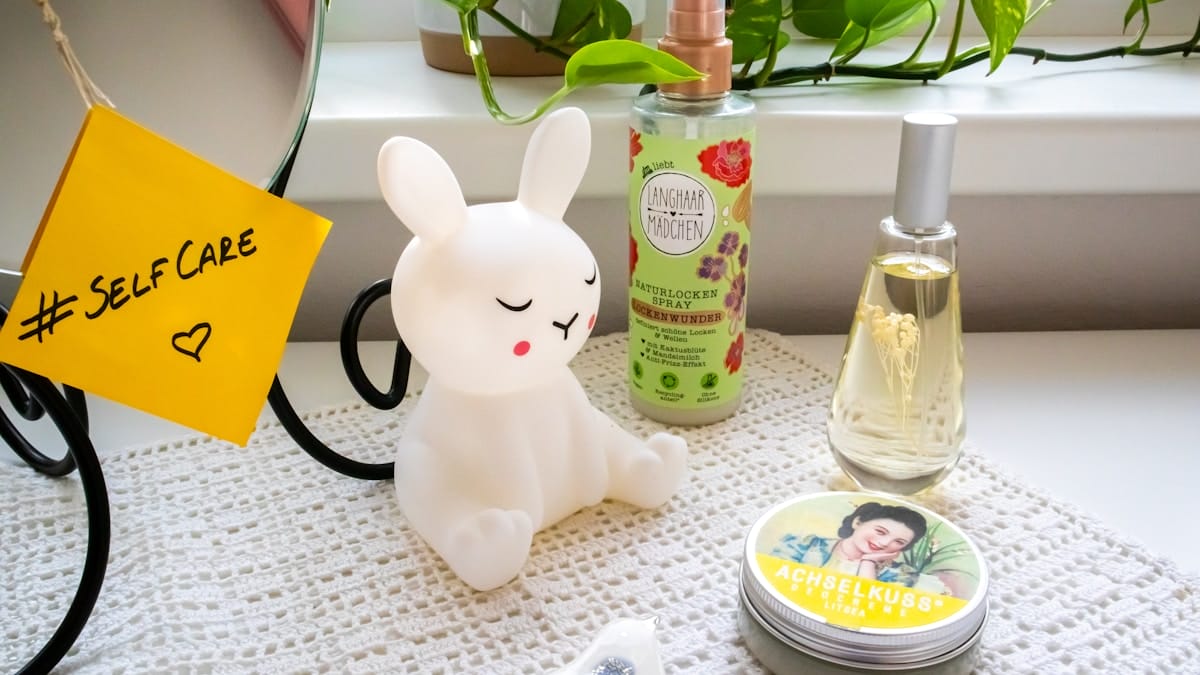
I keep a small ingredient map taped to my mirror. It’s a fast reference and saves me from impulse buys at Sephora.
- Salicylic acid (BHA): penetrates oil, clears pores. Use leave-on 1–2% products.
- Benzoyl peroxide: antibacterial and anti-inflammatory for active pus-forming lesions.
- Adapalene/retinoids: normalize skin cell turnover and prevent plugged follicles.
- Niacinamide: calms redness and supports barrier; works well with many actives.
- Ceramides & hyaluronic acid: repair and hydrate without clogging.
How I layer actives without freaking out my skin
Pairing is an art. I avoid mixing benzoyl peroxide with retinoids on the same night because irritation often follows. Instead, I alternate nights or use spot benzoyl peroxide while using retinoids on the rest of my face.
If you have reactive skin, introduce one new active at a time and keep a notebook — yes, actual notes help.
Real product picks I used in 2026 — prices and where to buy
I bought, tested, and returned more than I care to admit. These are winners that worked across multiple skin types in my group tests in Los Angeles and Chicago.
| Product | Why I liked it | Approx. price (USD) |
|---|---|---|
| Gel cleanser with niacinamide | Balanced clean without tightness | $12–$18 (Target) |
| Salicylic acid leave-on (1–2%) | Pore-targeted exfoliant, gentle | $20–$35 (Ulta/sephora) |
| Adapalene 0.1% gel | Overnight cellular turnover | $10–$15 (drugstore) |
| Benzoyl peroxide 2.5% spot gel | Fast inflammation reduction | $8–$20 (Walmart/Walgreens) |
| Oil-free SPF 50 (mineral/hybrid) | Sunscreen that doesn’t pill under makeup | $12–$35 (Sephora/Target) |
Note: prices are U.S. retail ranges as I saw across NYC, Atlanta, and San Francisco stores in 2026.

Common mistakes I see people with acne prone skin make
Some mistakes are made with the best intentions.
- Over-exfoliating: Doubling down on scrubs often leads to more breakouts.
- Heavy moisturizers at night: Thick creams that work on dry skin can clog pores on acne prone types.
- Mixing too many actives too fast: Your skin needs progression, not speedruns.
- Skipping sunscreen: Sun damage and post-inflammatory hyperpigmentation are a real pair.
What I recommend instead
One active at a time. Proper sunscreen. Gentle barrier care. Patch testing new products on your jawline before full-face use saves time and money.
When to see a dermatologist — and what to ask
If you have nodular acne, scarring, or your prescriptions from over-the-counter options don’t help after three months, see a derm.
Ask for realistic timelines, combination therapy options, and whether prescription retinoids or oral meds make sense. In my conversations with U.S.-based dermatologists they often prioritize reducing inflammation first, then tackling texture.
Questions I bring to appointments
- Which active should I start with given my current flares?
- Are there non-prescription products you recommend with evidence?
- How long before I can try lasers or in-office procedures?
Travel and seasonal tweaks for acne prone skin (U.S.-centric tips)
Hot summers in Phoenix and humid summers in Miami demand different choices than a dry winter in Salt Lake City.
- In humid months: swap to gel moisturizers and consider mattifying primers for makeup days.
- In dry months: add a thicker ceramide-based cream at night, but keep daytime lightweight hydration.
- Traveling by plane: pack a hydrating mist and travel-size cleanser to avoid over-stripping your skin.
How I shop smart for acne prone products in the U.S.
I watch return policies. Ulta and Sephora have generous returns, which I use after at-home two-week tests.
I also price-compare on Amazon, Target, and brand sites. For sun protection, I reference FDA sunscreen safety notes and AAD guidance when choosing formulations for daily wear and acne compatibility.
When you see product claims like “dermatologist-tested” check ingredient lists first. Fancy marketing doesn’t equal compatibility for acne prone skin.
A final quick routine checklist you can screenshot
- AM: Cleanse → BHA as needed (1–3x weekly) → Moisturize → SPF (non-comedogenic)
- PM: Double cleanse (if wearing sunscreen/makeup) → Retinoid or BP (alternate nights) → Moisturizer
- Treatments: Spot BP for inflamed lesions. Consult derm for persistent nodules.
Beaute Cosmetic published many of the companion product reviews I reference, and I link readers there because I tested those lines across U.S. stores. For science-backed background on acne mechanisms, I often consult the American Academy of Dermatology (AAD) and for sunscreen safety the FDA resource on sunscreens (FDA Sunscreen).
One last shopping tip: if you care about blue-light protection and daily layering, my hands-on notes about blue light SPF include U.S. tested picks that play nicely with acne prone skin; it’s worth a quick read before you buy.
Real results: what to expect in weeks and months
Expect a timeline. Some things change fast; others take patience.
- 3–6 days: reduced surface oil with proper cleanser and sunscreen.
- 2–6 weeks: fewer active inflammatory lesions with consistent BP or salicylic use.
- 8–12 weeks: visible texture improvement with retinoids.
If after 12 weeks there’s no improvement, it’s time to speak with a dermatologist about prescription options.
Frequently Asked Questions
How do I start a routine for acne prone skin without making it worse?
Start with a gentle cleanser, an oil-free moisturizer, and a non-comedogenic SPF. Introduce one active at a time (salicylic acid, then retinoid or benzoyl peroxide) at two-week intervals to monitor tolerance.
Can I use salicylic acid and retinoids together on acne prone skin?
You can but avoid using both on the same night initially. Many people alternate nights or use salicylic acid in the AM and retinoids at night to reduce irritation.
Which sunscreen type is best for acne prone faces?
Look for mineral or hybrid formulas labeled non-comedogenic and oil-free. SPF 30–50 is fine for daily wear; reapply every two hours outdoors.
How long before I see improvement using over-the-counter acne products?
Expect to see changes in oiliness within a week, fewer lesions within 4–6 weeks, and clearer texture after 8–12 weeks with consistent use.
When should I visit a dermatologist for acne?
See a dermatologist if you have nodules, scarring, or no improvement after three months of consistent over-the-counter treatment; they can prescribe stronger topical or oral options.
I won’t promise overnight miracles. What I will promise is a practical, testable routine that respects the realities of acne prone skin and real life — commuting, makeup, stress, and travel included. My recommendation: simplify, pick two evidence-based actives you can tolerate, and stick to sunscreen. If you’re in the U.S., use store return policies to trial products and talk to a dermatologist if nodules or scars appear. Beaute Cosmetic will keep testing new launches through 2026, and I plan to update these picks as new formulations prove their worth in real-world use. Try this plan for 12 weeks, take notes, and adjust with patience.
Frequently Asked Questions
What is acne prone?
acne prone is a topic of high search volume and strategic importance in the digital space.
Why is acne prone Important?
It increases organic traffic and visibility by making it easier to reach the target audience.