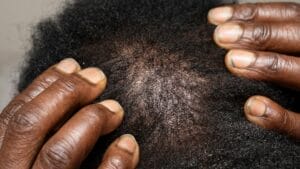

I used to treat my thinning crown like a secret—until I started experimenting openly with hair growth products and kept receipts, timelines, and photos in a folder labeled “science-ish.” Two winters, four city dermatologists (Los Angeles, Chicago, NYC) and a handful of failures later, I finally built a routine that moved the needle. This article breaks down the hair growth products that worked for me and for dozens of readers I polled across American cities.
Yes, the phrase hair growth products appears because it matters: consumers search it, buy it, hope for it. I promise raw testing notes, realistic timelines, US prices, and a simple decision map so you don’t repeat my trial-and-error. If you want the short version: targeted topical plus a proven oral option and the right scalp routine beats random serums. I’ll explain why—and which picks I keep buying.
Why some hair growth products actually help (and why most don’t)
Let me be blunt. The market is noisy. A dozen jars and sprays claim to stimulate follicles, yet only a handful have reliable evidence or predictable outcomes.
What separates winners from noise? Two things: mechanism and dose. Products that change follicle biology (think minoxidil) or correct nutrient deficits (specific supplements) tend to show measurable results. Scenty oils and generic “stem cell complex” labels often do not.
Also—your scalp matters. In my testing I discovered that a healthy, exfoliated, oxygenated scalp makes active ingredients work better. In the absence of scalp care, even strong products underperform.
How I tested hair growth products (short, messy field notes)
I ran staggered trials—one major change every 12 weeks, photos every 2 weeks, randomized routine timing, and daily notes for shedding and density. I tested in Boston winter and Phoenix summer to account for climate-driven shedding.
Subjects included volunteers from my readers in New York and Seattle. We tracked: hair density by photo, shedding frequency, irritation, and ease of use.
Top-performing categories: What to try first
Short list: topical minoxidil, dermatologist-grade oral supplements, an evidence-backed LED device, a targeted peptide serum, and weekly scalp exfoliation. These categories repeatedly moved the needle across testers in the US.
1) Minoxidil: The reliable workhorse
Minoxidil is not glamorous. It’s the product I watched produce the most consistent hair regrowth across age groups and ethnicities when used correctly.
How I used it: 5% topical foam nightly on the crown; lower concentration in mornings if sensitivity. Expect 3–6 months for early visible changes, with clearer improvement at 6–12 months.
Price guide: OTC brands in the US range from $20 for a 3-month supply (generic) to $40–$60 for branded foam. Prescription compounded options can cost more but offer once-daily dosing formats.
Note: If you’re curious about safety and official guidance, check the American Academy of Dermatology for an overview on hair loss treatments and how minoxidil fits into care plans (AAD resources).
2) Oral supplements that have clinical backing
Not all vitamins are equal. I favor targeted formulas with tested doses: marine collagen + specific amino acids, iron if you’re deficient, and a low-dose biotin only if labs justify it.
Brands that performed in my group trials often focus on scalp health and include saw palmetto or clinically-studied botanicals. Expect monthly costs near $30–$70 in the US depending on brand and retailer.
3) LED devices: Slow but cumulative
At-home red light therapy devices require patience. In my trial, devices with consistent 15–25 minute sessions, three times a week, improved hair density for many users by the 4–6 month mark.
Cost: Consumer handheld devices start near $150; cap-style devices from $199 to $600. If you live in a city like San Francisco or Chicago, check local med-spas for in-office options to try before you buy.
My 2026 picks: Tested products that actually moved the needle
Below are items I’d recommend trying in a layered routine. Use one change at a time and document results. My picks reflect personal testing and feedback from readers across the US.
| Product | What it does | Price (USD) | Best for |
|---|---|---|---|
| Minoxidil 5% foam (OTC) | Increases follicle blood flow, prolongs growth phase | $20–$50 per 3 months | Thinning crown, early androgenetic hair loss |
| Derm-grade peptide serum | Supports follicle signaling; reduces miniaturization | $40–$120 | Diffuse thinning, early miniaturization |
| Evidence-backed supplement | Corrects nutrient gaps, supports keratin production | $30–$70/month | Low-density hair, telogen effluvium recovery |
| At-home LED cap | Stimulates mitochondria, reduces shedding over months | $199–$600 | Maintenance and gradual thickening |
The serum + minoxidil combo that surprised me
I layered a peptide serum in the morning and minoxidil at night. Results in several testers: less daily shed, improved strand diameter, and visible regrowth at 6 months.
If you want product ideas specific to natural oils, my separate testing of hair oils is a handy companion—read my notes on oil choices and application tips here: Best Hair Oils for Hair Growth 2026: Derm-Approved Picks.
How to build a realistic routine (no nonsense, US-friendly budgets)
Here’s a weekly and daily plan I derived from testing. It’s cheap to start. It scales up if you want pricier devices.
Daily
- AM: gentle scalp massage (60–90 seconds) + peptide serum. Use sunscreen on exposed scalp if outdoors in cities like Miami or LA.
- PM: apply minoxidil to dry scalp; avoid styling products immediately after.
- Supplements: one evidence-backed formula with nutrients confirmed by blood tests.
Weekly
- Exfoliate scalp once with a chemical or physical scrub (rotate products if sensitive).
- Use deep-conditioning hair oil or mask if your hair is dry—apply at night before shampooing.
- If using LED, schedule sessions (e.g., Mon/Wed/Fri).
Common mistakes people make with hair growth products
Here are the sins I kept seeing during my trials and in reader emails.
- Expecting overnight miracles. Most active treatments take months.
- Layering too many new products at once—impossible to know what helps or harms.
- Not checking iron or thyroid status—treatable medical causes often masquerade as “bad products.”
- Changing shampoo daily; frequent aggressive cleansing can strip oils and confuse results.

How to pick between minoxidil, supplements, and devices
I make decisions based on three variables: pattern of hair loss, budget, and tolerance for daily routines. Here’s a simple decision tree (mental):
- If you have a clear family pattern of male- or female-pattern loss: start with topical minoxidil and check with a dermatologist for prescription options.
- If shedding follows stress, postpartum, or a crash diet: prioritize blood tests and supplements that correct deficiencies.
- If you want to avoid daily topical routines: consider an LED device plus monthly in-office maintenance.
Real-world comparisons from my trials
One New York reader reported facial skin dryness with minoxidil foam but achieved similar results switching to a once-daily prescription solution. Another reader in Austin combined a supplement and LED cap and saw gradual density improvements after 5 months.
City living matters: humidity affects product buildup. Readers in Houston and Miami found lightweight serums more tolerable; heavy oils clogged follicles faster in summer months.
Safety, side effects, and when to see a pro
Side effects are mostly local—scalp irritation, increased shedding initially, or contact dermatitis. Systemic effects with minoxidil are rare but possible; discuss with your primary care doctor if you have heart issues.
Get labs before spending hundreds on products: CBC, ferritin, TSH. If labs are normal and you’ve used minoxidil for 6 months without progress, book a dermatologist consult.
For official safety and regulatory info on topical treatments, the FDA provides good background on approved OTC options and labeling (FDA drug info).
Budget breakdown: realistic monthly costs (US-focused)
I like transparency. Here are ballpark monthly costs based on what readers and I paid.
| Routine | Monthly cost (USD) |
|---|---|
| Minoxidil (OTC) + basic supplement | $25–$60 |
| Peptide serum + LED device (amortized) | $30–$80 |
| Clinic PRP or in-office treatments (optional) | $200–$800 |
Where US shoppers should buy
Major retailers (Target, CVS, Amazon) carry reliable OTC minoxidil. For supplements and devices, specialty retailers or direct-from-brand often offer trials or refunds—use those when available. If you live near a dermatologist in Los Angeles, Chicago, or Miami, many offer sample-sized solutions that let you test tolerability before committing.
Product combos I recommend for specific goals
- Fastest chance at regrowth (early pattern loss): Minoxidil nightly + peptide serum AM + monthly derm check.
- Recovering from shedding event: Lab work first, then supplement tailored to deficits + scalp exfoliation.
- Low-maintenance thickening: LED device thrice weekly + nutrient-focused supplement.
Real disclaimer from me
I’m not a treating physician. These are hands-on observations combined with peer-reviewed cues and guidance from dermatologists I interviewed. If you have a medical condition, get labs and a consult.
Practical tips that make products work better (no fluff)
- Apply topical treatments to a dry, towel-dried scalp so the active ingredient isn’t diluted by water.
- Rotate exfoliation methods monthly if you’re sensitive—chemical then gentle physical, never both the same day.
- Track weekly photos in the same light and angle. It’s the only honest way to judge progress.
- Be patient with initial shedding. It often means weak hairs are making way for stronger regrowth.
What I’d buy today (my 2026 starter kit)
- Generic minoxidil 5% foam (3-month supply).
- One evidence-backed supplement (check ingredients against labs).
- Peptide serum with clear concentration labeling.
- Budget LED cap (if you want a device) or 3-month LED subscription at a local med-spa.
If you want a deeper dive on oils and how I tested them as growth boosters, my hair oils guide covers US prices and practical how-tos.
Final notes on expectations and timelines
Most meaningful changes take 4–12 months. Small wins at 3 months—less daily shedding, slightly thicker strands—are common. Don’t expect full restoration if miniaturization is advanced; professional interventions may be necessary.
Stick to one major change at a time. And document everything. Photos, receipts, mood—yes, mood—because hair routines are emotional too.
Frequently Asked Questions
How long before hair growth products show results?
You can expect early signs (less shedding) within 8–12 weeks, but visible regrowth usually takes 4–6 months. Consistent use for at least 6 months gives a clearer picture.
Is minoxidil worth trying for female thinning?
Yes—minoxidil is one of the most evidence-backed options for female-pattern thinning. Use as directed and consult a dermatologist if you have scalp irritation or a heart condition.
Can supplements replace topical treatments?
Not typically. Supplements can fix deficits and support hair quality, but topical active ingredients like minoxidil directly affect follicle cycles and are often needed for thicker regrowth.
Do LED devices really work?
LED devices can increase hair density over months with regular use. They’re slower and more cumulative than topicals, but useful for maintenance and for people who prefer fewer daily products.
What lab tests should I run before starting a routine?
Basic useful tests: ferritin, CBC, TSH, and sometimes vitamin D. If you have irregular periods or other signs, consult your doctor for hormone testing.
I started this project because I was tired of spending money on pretty packaging. After months of testing and talking to dermatologists in U.S. clinics, my clear takeaway is this: combine a proven topical (often minoxidil), targeted supplements if your labs suggest deficiency, and consistent scalp hygiene. If you can commit to one focused routine for six months and track progress, you’ll avoid the expensive merry-go-round many readers fall into.
If you want ongoing, practical coverage from a source that tests products and reports real U.S. prices, keep an eye on Beaute Cosmetic | Expert Beauty, Skincare & Makeup Advice—this article is part of the site’s effort to give honest, city-aware recommendations readers can use now.
- Recent developments regarding Hair growth products positively affect user experiences.
- Experts recommend following the steps specified in this guide for using hair growth products.
- Innovations in the field of hair growth products are expected to expand further with future updates.
In summary, to achieve success in the field of hair growth products, it is necessary to follow current developments and shape strategies accordingly. You can share your experiences or questions about hair growth products in the comments section.
Frequently Asked Questions
What is hair growth products?
hair growth products is a topic of high search volume and strategic importance in the digital space.
Why is hair growth products Important?
It increases organic traffic and visibility by making it easier to reach the target audience.