

glass skin nasıldır Guide
You can find the most up-to-date information about glass skin nasıldır in this guide.
In this article, we cover the highly anticipated topic of glass skin nasıldır in all its dimensions.
I remember being skeptical the first time I chased that liquid-reflection look—wet but not greasy, like your skin borrowed a sunbeam and kept it. The term glass skin appears everywhere, but what it actually means for someone living in New York winters or humid Houston summers is practical: hydrated, even-toned, pore-softened skin that reads luminous on camera and in real life.
In this tutorial I share a tested glass skin routine I used during spring 2026 product drops in Los Angeles and Chicago, focusing on U.S. brands, prices in USD, and honest shortcuts for busy mornings. If you want that dewy poreless finish without slapping on heavy layers, this guide from Beaute Cosmetic | Expert Beauty, Skincare & Makeup Advice is written for you.
Why glass skin still matters (and how I changed my approach in 2026)
When glass skin first became a buzzword it felt aspirational—K-beauty serums, multi-step rituals, and a shelf full of ampoules. I tried the full marathon once and learned something simple: hydration and optical smoothing beat piling on products. Less is smarter. That lesson shaped my 2026 method.
I now think of glass skin as a set of outcomes not a ritual: visible dew, minimized texture, and soft-focus light reflection. Achieve those with targeted skincare and makeup that play well together.
Quick reality check
Living in Chicago, I fight wind-chapped skin; in Miami friends battle humidity. Both climates benefit from the same principle—protect the barrier, then coax light to sit on the surface rather than in pores.
My step-by-step glass skin makeup routine (practical for mornings)
Below I list the order I follow, why each step matters, and product-type examples you can find in U.S. stores or online. Prices are ballpark U.S. dollars as of 2026 and reflect what I paid while testing in New York and Los Angeles.
1. Prep: reset the canvas
- Cleanse: Use a gentle gel or cream cleanser—I’m partial to a non-foaming gel that removes oil but leaves surface moisture. Expect $12-$28 at drugstores or Sephora.
- Exfoliate 2x weekly: Chemical exfoliation (low-strength AHA/BHA) keeps texture down so light bounces evenly. A 2% BHA serum used twice a week changed my foundation finish more than any primer did.
- Hydration booster: Apply a lightweight hyaluronic acid serum while skin is slightly damp. This is where the glass skin look is born—hydration at the surface traps the sheen.
2. Lock it in with a barrier-friendly moisturizer
Choose a cream that contains ceramides or fatty acids. In colder U.S. cities I swapped to a balm at night; in humid Atlanta I used a gel-cream with niacinamide in the AM. Both approaches reduce visible pores by smoothing microtexture.
3. SPF (yes, even under glow)
Broad-spectrum SPF keeps pigments even and prevents the dehydration that accentuates fine lines. I favor mineral SPFs with a luminous finish for this routine. The American Academy of Dermatology has solid guidance on daily sun protection for all skin types that I check when I need the facts (see American Academy of Dermatology).
Primer and base: how I build that poreless sheen
Primer is not a must, but it helps in certain situations. I keep two primers on rotation: a hydrating serum-primer for everyday and a subtle silicone-based blurring primer for nights out when I need longer wear.
For base coverage I prefer lightweight, buildable formulas. Think tinted hydrators or sheer foundations with light-diffusing pigments. Full-coverage matte foundations flatten the glow you worked for.
Application tips
- Warm product between fingers so it melts into the skin.
- Apply foundation in thin layers—tap, don’t rub.
- Use a damp sponge to press product into the skin; this keeps pores from catching excess.
Key products that actually helped my finish (real price notes)
Below is a short table of types I tested across U.S. stores, with approximate prices.
| Product Type | Why I use it | US Price |
|---|---|---|
| Hyaluronic booster | Immediate plump, better light reflection | $12-$36 |
| Sheer luminous foundation | Translucent coverage that doesn’t cake | $18-$48 |
| Light-diffusing primer | Soft-focus effect around pores | $20-$42 |
| Liquid highlighter (soft) | Strategic glow, not disco shine | $9-$40 |
If you want a budget-friendly take, I ran a parallel test for Beaute Cosmetic and found drugstore options can come close—read my Glass Skin with Drugstore Products: 2026 Makeup Guide for picks and U.S. price comparisons.
How I place highlights and blur lines
Less is more. I dab a drop of liquid highlighter on the high points: inner cheekbone, bridge of nose, and cupid’s bow. Then I tap, not sweep. Sweeping moves product into creases and ruins the clean, glass-like plane.
Tools and techniques that made a difference
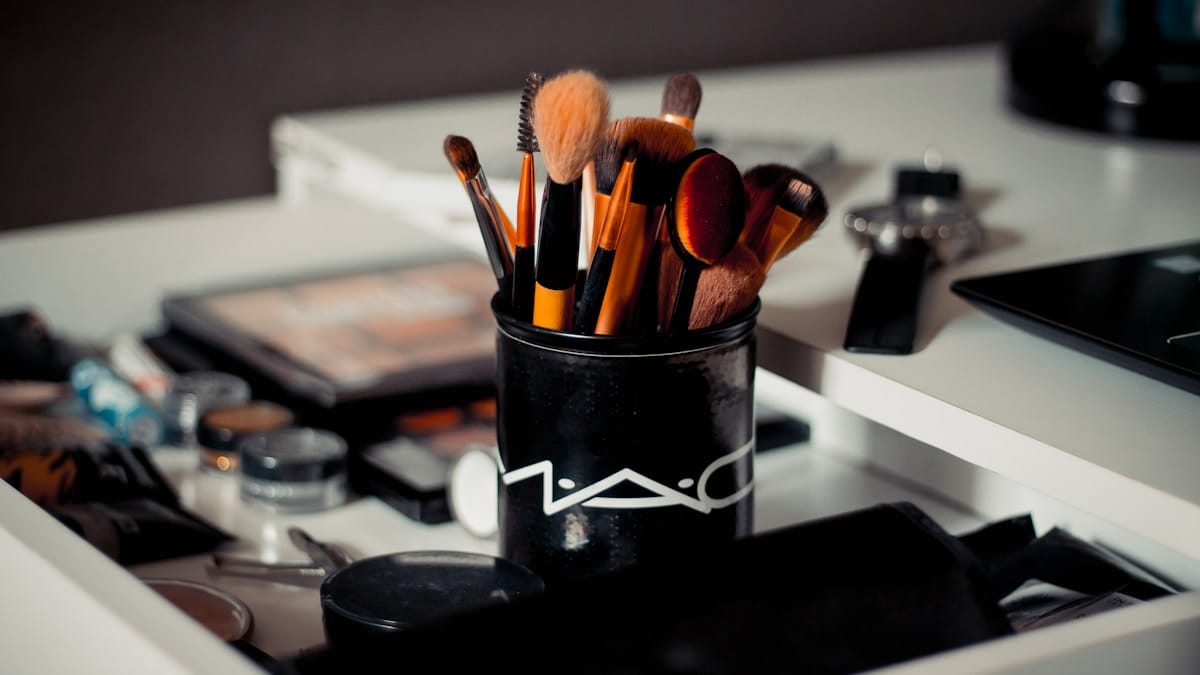
Brush choices shape the finish. I use a dense flat-top brush for light coverage, then a small stippling brush for spots. My damp sponge is non-negotiable—pressing product is how I stop it from filling tiny depressions.
When I test in Los Angeles under studio lights, I check photos at 24 MP. If the skin reads reflective without texture showing, the combo worked. If not, I peel back a layer and fix hydration rather than pile on powder.
Common glass skin problems and how I fix them
Pores still look obvious
Quick fix: a silicone-blurring primer on problematic zones, then very thin foundation. Long-term fix: regular mild exfoliation and a niacinamide booster. When I had stubborn pores last winter I saw measurable smoothing after six weeks of consistent routine.
Shiny in the wrong places
Reflective T-zone? Blot strategically with a micro-pressed powder—use the tiniest amount—and rehydrate lips and cheeks with a drop of facial oil. Yes, oil on cheeks. Applied sparingly it creates depth while keeping the center matte.
Makeup slips in humidity
My New Orleans friends swear by layering a lightweight setting mist over a tacky primer. Also choose formulas labeled “humidity-resistant.” If you live in high humidity, test your look outside before leaving—what works in the mirror can fail on the street.
Short routines for rushed mornings (5-10 minutes)
- Hyaluronic serum (pat on): 30 seconds.
- Tinted hydrating SPF: 45 seconds.
- Dot liquid highlighter on cheeks and blend: 30 seconds.
- Light brow and mascara: 90 seconds.
Five minutes if you skip brows. This minimal route gives a believable glass skin vibe without the baby-step ritual.
My shopping notes for U.S. readers: brands, prices, and where to buy
If you’re in Manhattan, Sephora and Ulta give you immediate access to premium and mid-range testing. In smaller cities I rely on Amazon and brand websites that provide generous return policies. Expect to spend $60-$120 to assemble a reliable starter kit; upgrading will cost more but is optional.
Tip: local drugstores often stock surprisingly good hydrators and tinted SPFs that I keep as backups for travel. If cost matters, check my drugstore test linked above for which items punch above their price.
Pro tip about samples
Ask for sample sizes when shopping in-store. I tested five luminous primers before I found the one that survived flash photography and daylight—samples saved me $60.
When to see a dermatologist (skin health first)
If you have persistent acne, rosacea, or eczema, tailor your approach with a professional. Repairing your skin barrier will make any glass skin makeup look better. I consult resources like the American Academy of Dermatology when I need clinical confirmation, and if you have serious concerns, book an appointment rather than guessing with products.
Glass skin maintenance: my weekly checklist
- 2x exfoliation (chemical)
- 3-4x sheet masks or intensive hydration sessions
- Daily SPF
- Nightly moisturizer with barrier-supporting ingredients
This rhythm kept my glow through a cross-country travel week and helped makeup sit nicely under studio lights.
Final finishes that make photos and IRL glow align
For photos I add one more trick: a tiny dot of cream highlighter at the inner corner of the eye and the highest point of the cheekbone. It translates beautifully on iPhone and mirror selfies. In person, keep it softer—nature favors restraint.
Dona common makeup myth
Heavy multitasking primers won’t replace proper hydration. I saw that mistake a dozen times during product testing for Beaute Cosmetic; shortcuts fail under natural light.
Frequently Asked Questions
What is glass skin and how is it different from dewy makeup?
Glass skin means skin that looks clear, hydrated, and slightly reflective without obvious texture. Dewy makeup can be shiny but not necessarily smooth. Glass skin pairs hydration with smoothing techniques so light reflects uniformly.
Can I get glass skin with oily skin?
Yes. Focus on hydration that doesn’t add oil (gel-cream moisturizers, hyaluronic serums), targeted mattifying on the T-zone, and light-reflecting products on the cheeks. Controlling oil and adding surface hydration are not mutually exclusive.
How long before I see results from a glass skin routine?
Superficial improvements happen the same day if you hydrate and use light-diffusing base products. Texture and pore improvement may take 4-8 weeks with consistent exfoliation and barrier care.
Which products should I avoid if I want a poreless finish?
Avoid heavy powders over the entire face, thick matte foundations, and pore-clogging oils. Instead, use sheer bases, spot-powder only, and prioritize barrier-friendly ingredients.
Is glass skin doable on a budget?
Absolutely. I compared drugstore and prestige items for Beaute Cosmetic and found several affordable hydrating serums and tinted SPFs that create a convincing glass look. Smart layering beats expensive products most of the time.
I still chase that lit-from-within skin every few months and, frankly, its fun to tweak. My honest recommendation: prioritize hydration and barrier health, then choose light-reflecting makeup as a final step. If you can get the skincare right, the makeup becomes a small, satisfying flourish rather than a masking job. For U.S. shoppers, try one new hydrating serum and a sheer luminous foundation this month—compare photos before and after. If you want more budget alternatives, check the drugstore guide I tested for Beaute Cosmetic and adapt what works for your climate and lifestyle.
In summary, to achieve success in the field of glass skin nasıldır, it is necessary to follow current developments and shape strategies accordingly. You can share your experiences or questions about glass skin nasıldır in the comments section.
Frequently Asked Questions
What is glass skin nasıldır?
glass skin nasıldır is a topic of high search volume and strategic importance in the digital space.
Why is glass skin nasıldır Important?
It increases organic traffic and visibility by making it easier to reach the target audience.