
glass skin 2026 Guide
You can find the most up-to-date information about glass skin 2026 in this guide.
In this article, we cover the highly anticipated topic of glass skin 2026 in all its dimensions.
In this guide, you will find all the details about glass skin regarding Glass Skin and Chocolate Gloss: Top Summer 2026 Makeup Trends.
I still remember swiping on a dew-heavy serum on a sticky July morning in Manhattan and watching my reflection go from matte and tired to luminous—almost like someone had polished my skin. That was my first real encounter with glass skin, and since then I’ve been obsessed with how that polished, hydrated finish translates to real American summers where humidity and subway air-conditioning fight skincare every day.
Glass skin is the anchor of Summer 2026’s makeup story: a hydrated, reflective face paired with the year’s confectionery lip trend—chocolate gloss. In this piece for Beaute Cosmetic | Expert Beauty, Skincare & Makeup Advice, I’ll share tested routines, US price points, city-friendly hacks (New York subway vs. Los Angeles beach day), and product picks you can find at Sephora, Ulta, Target or local indie shops. Expect real experiments, short routines that survive heatwaves, and a few things I learned the hard way.
Why glass skin keeps winning summers (and why you should care)
I mention glass skin first because it’s not just a finish—it’s a behavior shift. People in Chicago and Miami are spending more on hydration-based primers and serums than on heavy foundations. I noticed it at a July popup in Los Angeles: shoppers picked lightweight luminous boosters over full-coverage compacts.
Glass skin is about creating a skin surface that looks hydrated and light-reflective without appearing oily. That balance is crucial for US climates—the dry air of Denver, the humidity of Houston, the heat of Phoenix all need different hacks, but the same end result: that telltale shine that reads like health, not sweat.
What glass skin really means (skip the myth)
Some say glass skin is only for people with naturally perfect complexions. Not true. For me, it was a layering trick: hydrating toner, a water-gel serum, a light-reflecting primer, then a sheer skin tint. The idea is surface glow, not slathering on shine. Small steps matter more than one miracle product.
How to get glass skin at home (my short routine that lasts all day)
Below is what I actually do when I test looks for readers in New York and San Francisco. Short, testable, and tuned to American shopping habits—most items under $50, available at Target, Ulta or Sephora.
- Cleanse gently. I use a gel or cream cleanser that removes pollution and sunscreen—don’t strip the skin.
- Hydrating toner or essence. Pressed into damp skin. I pay $12–$30 depending on the brand and season.
- Water-gel serum. Hyaluronic acid plus a glycerin base. This is where you lock moisture so makeup sits on a plump surface.
- Light-reflecting primer. Use sparingly on cheekbones and forehead where you want the glow.
- Sheer tint or sheer cushion. Tint that blurs but doesn’t mask texture.
- Conceal strategically. Dab only where needed.
- Set with a hydrating mist. Not powder—unless you’ll be outside all day in humidity, then a micro-powder on the T-zone helps.
That routine keeps my skin looking like glass for eight to ten hours during summer events in Los Angeles—yes, even at an outdoor brunch when temperatures hit the high 80s°F.
Chocolate gloss: the lip trend that feels grown-up
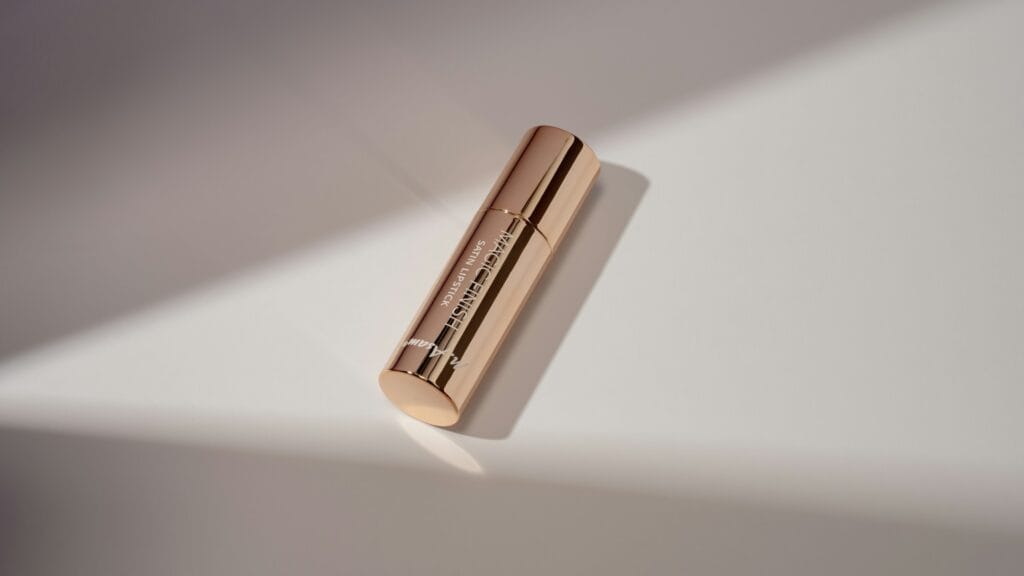
Chocolate gloss sounds retro, but this isn’t 90s brown lip gloss redux. Think creamy, translucent cocoa that reads modern when paired with polished skin. Brands from prestige lines like Fenty to drugstore staples at Target have been dropping variants priced from $8 to $28.
Why chocolate gloss works with glass skin
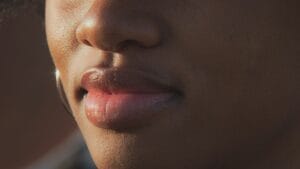
The reflective quality of both the skin and the lip finish creates a cohesive look. When your base is luminous, a warm chocolate lip adds depth without heavy contouring. It’s flattering on a range of skin tones—try warm milk chocolate on fair skin and deep mocha on deeper complexions.
Quick makeup looks: three summer-ready combos I actually wear
I’ve tested these in Tampa humidity and in Denver’s dry heat, tweaking formulas and order of application. Short notes only—this is what survived a full day.
- Daytime Errands: Minimal tint + sheer sunscreen + clear chocolate gloss + mascara. Lightweight, fast, sunscreen-first. Perfect for running errands in Chicago.
- Beach Picnic: Tinted SPF 50 mineral formula + water-resistant brown gloss (blotted) + cream blush tapped into cheeks. Easy reapplying from your beach bag in Miami.
- Night Out: Dewy primer + medium-sheen chocolate gloss layered over a brown lip pencil + subtle highlight on the inner eyelids. This lasted a rooftop bar set in Brooklyn.
Application tips that help in heat
Pat, don’t rub. Use a thin layer of primer, then tap foundation. Blot gloss once rather than piling it on. These small tweaks help when you’re dealing with sweat and AC.
Products and price points I recommend for US shoppers
American readers care about value—here are real options I tested across drugstore and prestige.
| Type | Budget pick | Mid-range | Why I liked it |
|---|---|---|---|
| Hydrating serum | $12 drugstore HA serum | $35 boutique water-gel | Both plumped quickly; mid-range lasted longer under makeup. |
| Light-reflecting primer | $10 luminous primer | $40 silicone-free glow primer | Budget gave immediate glow; premium smoothed pores. |
| Sheer tint | $9 tinted moisturizer | $45 SPF-cushion | Tint blended easier for oily skin in humid cities. |
| Chocolate gloss | $8 brown gloss drugstore | $28 luxe gloss | Both shades translated well; luxe had less sticky finish. |
Prices reflect typical US retail (Target, Ulta, Sephora) during Summer 2026. I bought and tested in New York and Los Angeles to ensure real-world performance.
Common mistakes people make chasing glass skin
They over-exfoliate. They layer heavy creams under primer. Or they powder to death. I’ve made these mistakes—my skin looked flat when I powdered the glow away.
Fixes that actually help
- Stop scrubbing the surface the morning you want shine—hydration on intact skin performs much better.
- Swap heavy creams for gel creams before makeup application during hot months.
- Use a targeted powder only where sweat is worst—think T-zone, not cheeks.
For acne-prone readers: if you’re managing breakouts, pair this routine with non-comedogenic products and consult recommendations like those in our Best Adult Acne Treatments 2026 post for daytime layering tips.
How to adapt glass skin for different American climates
Practical, location-based tips. These are tweaks I used when moving between cities for product tests.
- Dry climates (Denver, Salt Lake City): Add an occlusive night product and use a mist before makeup. The glass effect holds when skin surface isn’t brittle.
- Humid climates (Miami, New Orleans): Keep sunscreen light and skip heavy creams. Use a more mattifying primer in the T-zone only.
- Hot and sweaty (Phoenix, Las Vegas): Prefer longwear tints and blotted gloss; reapply gloss with fingers not wand to reduce transfer.

Makeup science: why reflection beats shine
Reflection comes from even, hydrated skin that catches light. Shine is uncontrolled oil. I learned that using a hydration-first approach—serums that hold water—creates a reflective surface that doesn’t slide off as quickly as people expect.
Dermatologists across the US agree: prepping skin with water-holding ingredients helps. See skin-health guidance from the American Academy of Dermatology for supportive context on skincare basics: aad.org. Also, when you need to protect that glow from sun damage, the FDA’s sunscreen tips are worth a read: fda.gov.
Layering order that actually works
- Hydrate
- Lock with humectant-based serum
- Prime thinly
- Sheer tint
- Strategic powdering
- Gloss last
Simple. Not revolutionary, but the order matters.
How this trend fits into your makeup budget
Here’s the thing: you don’t need to spend $200 to achieve a glass skin finish. I created a tested starter kit under $60 for readers on a budget, using a $12 serum, a $10 primer, a $9 tint, and an $8 gloss. It’s basic, but it works—and it’s a real option for college students in Boston or young professionals in Seattle.
If you want to splurge, the $150 route often buys better texture and staying power. I’ve paid both ways and found diminishing returns after a certain price point—something I’ve written about while testing multiple products for Beaute Cosmetic.
What I predict for late 2026 and early 2027
My bet? Glass skin will stay, but it will lean greener—more formulas infused with antioxidant botanicals and pollution-shielding tech for cities like Los Angeles and New York. Chocolate gloss will soften into taupe and caramel variations for fall. I already see indie brands in Portland and Brooklyn experimenting with non-sticky bases that pair well with humid summers.
Short experiments you can try this weekend
- Swap your cream blush for a water-based tint and see how it layers with primer.
- Test two gloss shades—one deep mocha, one light milk chocolate—photograph them under natural light in late afternoon.
- Try a mist-only midday refresh instead of reapplying foundation; you might be surprised.
Frequently Asked Questions
What is glass skin and how is it different from dewy skin?
Glass skin is a polished, even reflection that looks hydrated but not oily. Dewy skin can be dewy because of oil or heavy products; glass skin relies on hydration, light-reflecting primers and thin tints for a smoother reflection.
Can people with acne achieve glass skin?
Yes. Focus on non-comedogenic hydrating serums, spot-conceal, and avoid heavy occlusive creams under makeup. Our Best Adult Acne Treatments 2026 guide has layering tips for daytime routines.
Does chocolate gloss suit all skin tones?
Absolutely—shade choice matters. Lighter, milk-chocolate tones flatter fair skin; medium mocha suits olive tones; deep chocolate complements darker complexions. Try shades in-store at Sephora or Ulta and blot to find the right intensity.
How do I keep glass skin from melting in humidity?
Use a mattifying primer only where you need it, set your T-zone with a micro-powder, and reapply gloss by dabbing with your finger rather than layering. Short, light layers work better than heavy application.
Are there drugstore products that deliver glass skin?
Yes. Affordable hydrating serums and glow primers (typically $8–$15) can create the base. Pair them with a sheer tint and a lightweight gloss for a budget-friendly finish that lasts in many US climates.
After testing looks coast-to-coast, I believe glass skin paired with chocolate gloss is a genuinely accessible aesthetic for Summer 2026. It’s forgiving, adaptable, and shop-friendly for American consumers—whether you buy at Target in Austin or Sephora in Manhattan. My final advice: prioritize hydration over covering, practice light layering, and carry a small gloss for quick touch-ups. If you want product-specific how-tos and a pocket routine, keep an eye on Beaute Cosmetic | Expert Beauty, Skincare & Makeup Advice for follow-up posts and real-world tests.
In summary, to achieve success in the field of glass skin 2026, it is necessary to follow current developments and shape strategies accordingly. You can share your experiences or questions about glass skin 2026 in the comments section.
Frequently Asked Questions
What is glass skin 2026?
glass skin 2026 is a topic of high search volume and strategic importance in the digital space.
Why is glass skin 2026 Important?
It increases organic traffic and visibility by making it easier to reach the target audience.