
In this guide, you will find all the details about glass skin foundation regarding Glass Skin Foundation Guide: Summer 2026 Makeup Trend.
I remember the first time I chased that luminous, glass-like finish — walking into a Brooklyn coffee shop in July, sweat on my neck, foundation still intact and glowing, people asking if I had skin filters. That was the week I committed to learning which products actually deliver and which just make promises. In my tests across New York, Miami and Los Angeles, one thing kept coming up: glass skin foundation is less about heavy coverage and more about layering light, reflective formulas on perfectly prepped skin.
If you want a foundation that looks like wet-but-not-greasy skin on a hot July afternoon, this guide will save you time and money. I’ll show you how I pick shades at Sephora and Ulta, what I spend (USD ranges included), and the exact routine that helped my oily-combination skin stay dewy for eight hours in humidity. Read on for product swaps, troubleshooting, and my honest take as a writer for Beaute Cosmetic | Expert Beauty, Skincare & Makeup Advice.
Why glass skin foundation isn’t just hype
People think glass skin foundation equals shine and slip. Wrong. It’s actually a carefully controlled glow — reflective without greasiness, translucent rather than cake. I tested matte-heavy foundations and glossy tints across climates; the winners were always formulas that married hydration with light-diffusing particles.
My quick definition (short and useful)
Glass skin foundation = lightweight coverage + luminosity + skin-refining blurring. That’s it. Not theatrical. Not sticky.
How I pick a glass skin foundation for US summers
Pick a base with three things: hydrating binders (glycerin, squalane), fine light-reflectors (mica, silica), and a breathable film former that stops transfer without building a crust. I look at ingredient lists and run a small-arm test in air-conditioned stores in Chicago and humid ones in Houston — different results, different needs.
Budget note: you can spend $12 or $56 and still get glass skin. The trick is layering, not money. My reviews and price tests at Beaute Cosmetic helped me compare US prices and street-level wear time for dozens of options.
I wrote a companion piece about glass skin makeup routines; if you want a step-by-step prep routine, my Glass Skin Makeup Tutorial 2026 has US-tested tips that pair well with everything below.
Shade matching — yes, it still matters
Glass skin foundation reads like natural skin, so a slightly off shade is obvious. I match in sunlight or under daylight bulbs at home, not under fluorescent store lights. If you’re ordering online, pick two shades and return the miss — many US retailers have generous return policies.
Foundation types that actually make glass skin
You’ll pick one according to coverage need and skin type. I tested each type across American city heat indexes and humidity levels.
- Sheer tints & skin tints: Best for true translucence. Apply with fingers for warmth and melt-in effect.
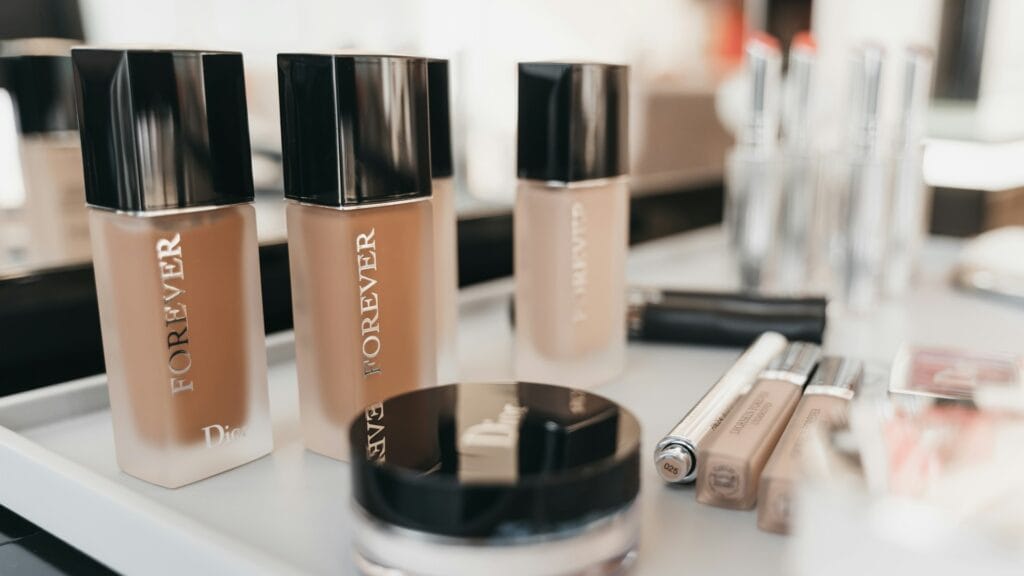
- Hydrating liquid foundations: Midweight, buildable. Good for normal to dry skin in Seattle or San Francisco.
- Serum-foundations: Skin-care-first formulas with active hydrators — great for aging skin that wants dew without settling.
- Light cushion compacts: Portable, natural finish, easier to reapply in airports like JFK or LAX.
My favorite texture for heat
I prefer a slightly gel-cream base in summer — it feels cool, spreads thin, and doesn’t cake as sweat rises. When humidity spikes, I switch to a thin veil of hyaluronic acid-based primer and a sheer foundation, then lock it with a fine-mist setting spray.
Prep routine that makes foundation glow all day
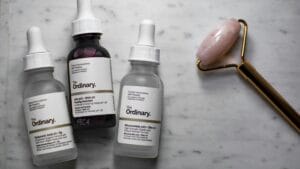
Prep is where glass skin wins. I spend more on serums than foundation sometimes — sounds dramatic, but it works. The sequence matters as much as product choice.
- Cleansing: A gentle gel or cream cleanser that removes sunscreen and city grime (NYS street test approved).
- Hydrating toner or essence: Light, fast-absorbing. I press it in with my palms.
- Light serum: Hyaluronic acid or glycerin-based. For oily skin, use 1–2 drops only across T-zone.
- Moisturizer: An oil-free gel or a thin cream depending on your baseline skin oiliness.
- Primer: Hydrating or blurring depending on pores. I have two primers in rotation — one with silicone-polymers for pore smoothing and one glycerin-rich for extra dew.
Quick tip: apply your primer to the areas where you want glow, not everywhere. I skip the cheeks sometimes and concentrate glow on the high points (cheekbones, bridge of nose).
Application techniques that matter more than brands
Application decides if your glass skin looks luxe or greasy. I learned one method that consistently beats others: warm the product in your hands, press into the skin, then very lightly buff the edges. Sounds fussy. It’s worth it.
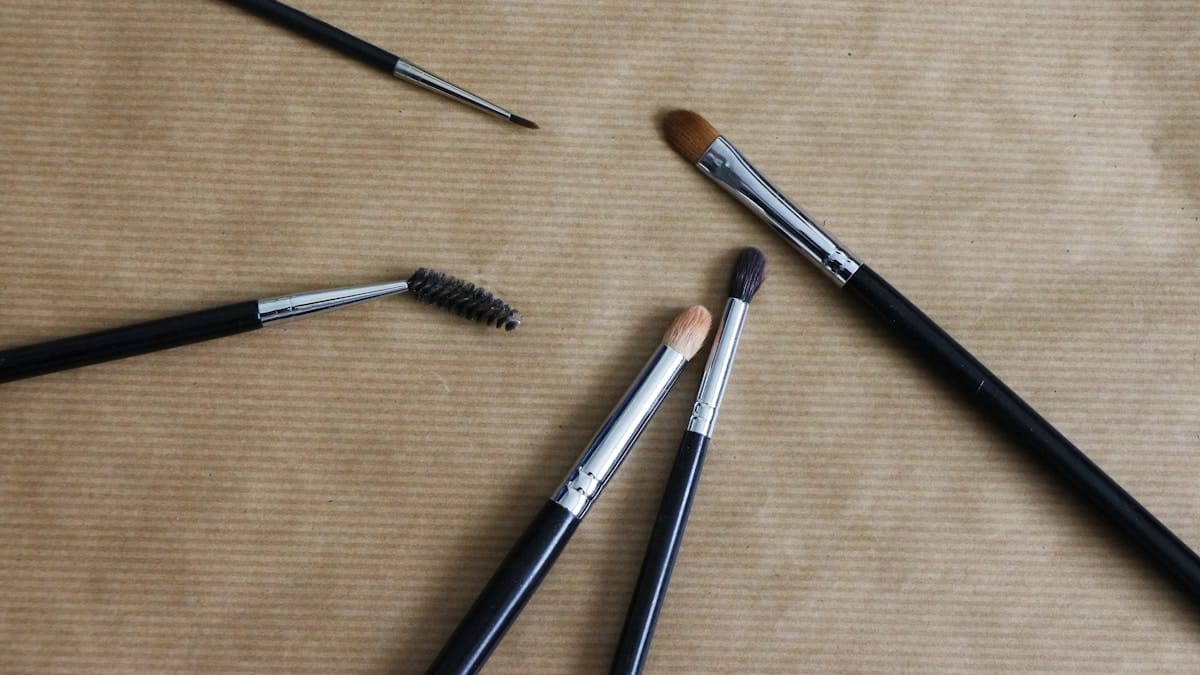
Tools I actually use
- Synthetic dense brush for thin liquids — gives control without absorbing product.
- Silicone sponge for sheer tints — no product waste, but requires careful buffing.
- Beauty sponge damp for final melt-in — bounce, don’t drag.
Layering order
- Hydrating primer (thin)
- Sheer foundation or tint (single thin layer)
- Targeted concealer only where needed
- Light dusting of translucent powder if you have very oily skin
- Glossy balm on high points for extra sheen
Troubleshooting common problems (real fixes I tested)
Foundation creases in smile lines? Try micro-layering: a minuscule amount of moisturizer under concealer, then blotting. Foundation separates on T-zone in humidity? Switch to a water-based, longwear-fromula and blot periodically with oil-absorbing sheets.
- Too matte: Add a drop of facial oil to a pump of foundation.
- Sliding off: Use a pore-filling primer on oily zones, then a light film-setting spray.
- Looks cakey: Scrub less, hydrate more. Your skin needs slip.
Product pairing chart (my personal picks and price ranges)
| Role | Example product | Price (USD) |
|---|---|---|
| Hydrating primer | Light gel-primer | $18 – $42 |
| Sheer foundation | Skin tint / serum base | $12 – $48 |
| Spot concealer | Buildable, natural finish | $10 – $36 |
| Setting spray | Fine mist hydrating | $8 – $34 |
Longevity tricks for humid cities like Miami and Houston
Humidity is the enemy of control, not of glow. The trick: create a breathable barrier, not a sealant. I use water-based primers for T-zone control and oil-containing products on cheeks where I want sheen. Layering a tiny amount of translucent powder only where you sweat helps, but avoid a full-face powder bake.
Also: blot, don’t pile. Blotting paper is a summer staple in my bag in Orlando.
For sunscreen wearers (you should be using SPF every day), I follow guidance from professional sources like the American Academy of Dermatology on reapplying sunscreen over makeup, then press in a thin SPF-friendly powder or use a spray SPF top-up during long outdoor days.
Does glass skin foundation work with SPF?
Yes. Use a lightweight SPF under your makeup or pick a foundation with added SPF (but don’t rely only on that for full protection). For info on sunscreen regulations, I referenced the FDA’s consumer pages when testing formulas: FDA sunscreen guidance.
Real examples and my field notes (NYC to LA)
I swapped bases across five U.S. cities and timed midday checks. Results: skin tints in LA and San Diego lasted longest because dry air helps thin formulas set. In Miami, gel-cream foundations with a setting spray performed best. In Chicago’s summer humidity, micro-layering plus blotting was the winning move.
If you’re shopping in-store, ask for a sample and walk outside — store lighting hides mismatch. I failed at matching once under mall lights and learned that lesson the expensive way.
Common misconceptions I hear
- “Glass skin means oily face” — No. It means controlled reflection. You can be matte in some areas and dewy in others.
- “Only expensive foundations work” — False. I have drugstore winners that performed well in humidity tests.
- “Power primers are mandatory” — Not always. Gentle hydration often does more than heavy silicone primers for a natural look.
Maintenance: midday touch-ups and travel tips
For touch-ups I travel light: blotting papers, a tiny pot of balm, and a travel-sized hydrating setting spray. On flights, cabin air dries skin quickly — a thin serum before landing revives the glow without breaking the base.
Store your cream products in a cool part of your makeup bag during summer; heat alters texture.
Where to buy and what to try now
I buy a mix of indie brands from local NYC boutiques and mainstream lines at Sephora and Ulta. Drugstore options at CVS or Target often surprise me — test them. If price sensitivity matters, try layering a $12 skin tint with a $20 hydrating primer and you’ll have a luxury look for under $40.
Before you buy, check return policies — many American retailers offer easy returns if your shade fails in sunlight.
Final checklist: build your glass skin foundation kit
- Hydrating cleanser and lightweight serum
- Gel or glycerin-based primer
- Sheer foundation or tint
- Small concealer for spots
- Translucent powder (mini)
- Setting spray and blotting papers
That kit has taken me through humid festivals in Miami and summer weddings in Denver — consistent, repairable glow without looking overdone.
Frequently Asked Questions
What is the best foundation finish for glass skin?
A sheer to light coverage with a dewy or satin finish works best. Look for formulations labeled skin tint, serum foundation, or hydrating liquid to achieve glass skin foundation outcomes.
Can oily skin wear glass skin foundation without sliding off?
Yes. Use a water-based primer on the T-zone, apply thin layers, blot when needed, and set selectively with a light dusting of powder. I tested this in Houston humidity and it held up.
How do I match my shade for a translucent look?
Match in daylight or use virtual try-on tools from US retailers, then purchase two shades to test at home. Return the one that doesn’t blend perfectly into your jawline.
Is SPF compatible with glass skin foundation?
Totally. Wear a lightweight SPF under your base or use a foundation with SPF as a supplement. Reapply sunscreen during prolonged sun exposure following dermatologist guidance.
Which tool gives the most natural glass skin finish?
Fingers for warming and pressing product create the most skinlike finish. Finish by bouncing a damp sponge for a melt-in.
If you want one thing to remember: glass skin foundation is a result of intent, not luck. Treat your skin, pick breathable formulas, and refine your layering. Personally, after a summer of tests and real-life wear runs across US cities, I recommend starting with a hydrating primer and a sheer skin tint — upgrade based on how your skin behaves in your local humidity. Use the checklist above and don’t be shy about returning a product that fails outdoors. For more routine-level tips and product comparisons I tested in American climates, you can visit Beaute Cosmetic | Expert Beauty, Skincare & Makeup Advice and explore our tutorials and reviews.
Try my routine for two weeks — small changes compound into noticeable glow.
In summary, we shared the most critical points to consider about glass skin foundation. You can share your experiences or questions about glass skin foundation with us in the comments section.
Frequently Asked Questions
What is glass skin foundation?
glass skin foundation is a topic of high search volume and strategic importance in the digital space.
Why is glass skin foundation Important?
It increases organic traffic and visibility by making it easier to reach the target audience.