

mineral sunscreen rehberi Guide
You can find the most up-to-date information about mineral sunscreen rehberi in this guide.
In this article, we cover the highly anticipated topic of mineral sunscreen rehberi in all its dimensions.
Mineral sunscreen is the first product I reach for when I want to slow down visible aging — not because it’s trendy, but because it has a track record that actually matches the hype. I remember a humid July in Atlanta testing a chemical SPF that felt like a thin film; by 3 PM my forehead showed fine lines and a few angry red patches. Switch to a mineral sunscreen and the skin calmed, the lines looked softer, and makeup sat better. That little experiment pushed me to test dozens of US-available mineral formulas across price points — from $10 drugstore sticks in Phoenix to $48, boutique tubes in Manhattan.
This article, published by Beaute Cosmetic | Expert Beauty, Skincare & Makeup Advice, explains why mineral sunscreen works for anti-aging, how it differs from chemical SPFs, which ingredients to trust, and where to buy in the US (think Target, Sephora, Ulta and direct brand sites). I’ll include real prices in USD, brands I tested, and practical routines so you can choose smartly and protect your skin for decades.
Why the mineral sunscreen choice feels smarter for long-term skin
I’ve been writing about sunscreens for years and the case for mineral sunscreen keeps getting stronger — for two reasons: consistent physical blocking and lower irritation for sensitive, aging skin.
Mineral sunscreen sits on the skin and scatters UV rays. Chemical SPF absorbs photons and converts them into heat. That heat can translate into inflammation over time — and chronic inflammation accelerates collagen breakdown. Less inflammation equals fewer crepey patches and slower wrinkle progression.
Short analogy I use when teaching clients
Chemical sunscreens are like window tints that absorb light; mineral sunscreens are like a UV-filtering awning that keeps the sunlight off your skin. You want the awning.
How mineral sunscreen blocks UV — science without the dry bits
The active minerals are zinc oxide and titanium dioxide. Zinc is the heavy lifter for UVA protection — the wavelengths that drive deep collagen loss and age spots.
Multiple dermatology groups recommend broad-spectrum SPF for photoaging and cancer prevention; see the American Academy of Dermatology for guidance: https://www.aad.org.
Because mineral sunscreen reflects and scatters, protection starts immediately. No 20-minute wait like some chemical SPFs claim. That’s a tiny behavioral win; Americans are infamously bad at waiting 20 minutes before morning coffee — so immediate protection leads to real-world protection.

Does mineral sunscreen protect from blue light and infrared?
Short answer: it helps. Zinc oxide scatters visible light and provides some defense against longer wavelengths. When paired with antioxidant serums (vitamin C, ferulic acid), you get a stronger defense against the light-accelerated breakdown of collagen.
Which mineral sunscreen ingredients actually work — and which marketing claims to ignore
Brands toss around terms like “clean” and “reef-friendly” — but I check the actives and the formulation details. The ones you should care about are:
- Zinc oxide (non-nano): best UVA+UVB defense when used at 5%–20% depending on the formula.
- Titanium dioxide: great for UVB and some UVA-II protection; often paired with zinc.
- Film-forming emollients: these affect texture and how long the protection lasts; lightweight silicones help makeup adhere and reduce creasing.
- Antioxidants: support anti-aging by quenching free radicals that accelerate collagen loss.
Ignore vague promises like “all-day protection” without reapplication instructions. Even the best mineral sunscreen needs reapplication every two hours during sun exposure.
Non-nano: why that phrase matters to many shoppers
Non-nano zinc/titanium means the particles are larger and less likely to penetrate hair follicles. For anti-aging and safety, I prefer non-nano mineral sunscreen; many US brands list particle size in their tech sheets.
Practical tests I ran in US cities — texture, wear time, and anti-aging performance
Okay, I tested formulas in NYC subway summers, LA beach mornings, and Denver vacations. Different humidity, different sweat patterns, distinct sunscreen needs.
A few observations that affected my anti-aging verdict:
- Formulas with more emollients reduced transient creasing around the mouth; that equals smoother makeup and fewer midday touch-ups in 80% humidity.
- Mineral sticks performed best for reapplication on the go — quick, affordable, and less likely to upset reactive skin.
- Layering a thin antioxidant serum under mineral sunscreen reduced the appearance of redness and made skin look fresher after eight hours.
Price matters, but not always the way marketers hope. A $12 mineral stick from a drugstore in Chicago could beat a $45 boutique lotion in terms of anti-crease performance when the stick’s formulation prioritized emollients and optical blurring.
If you want a product that doubles as makeup primer and anti-aging protector, look at formulations labeled “broad spectrum” with zinc oxide at the top of the ingredient list.

How to shop mineral sunscreen in the US — brands, where to buy, and realistic prices
Shopping in Manhattan, you’ll find boutique mineral sunscreens at Sephora for $30–$60. In Phoenix or Houston, Target and CVS offer great drugstore options for $10–$20 that perform surprisingly well.
Big-name US-available brands I tested include neighborhood-friendly picks and higher-end lab-backed tubes. For lip protection, I often recommend SPF-tinted balms — I explain how to pick one in this short review of tinted lip balms with SPF on the Beaute Cosmetic site.
Retail tips I learned the hard way
Buy the right format for your city life. If you live in LA and reapply on the beach, sticks and sprays can be handy, but sprays need careful application to meet the SPF on the label. In cold, dry NYC winters, creams with extra emollients prevent creping.
Here are rough price brackets I observed in 2026 (USD):
| Format | Typical US price | Use-case |
|---|---|---|
| Drugstore mineral stick | $8–$18 | Daily reapplication, travel |
| Mid-range mineral lotion | $20–$40 | Everyday face SPF, makeup-friendly |
| Premium mineral tinted SPF | $38–$60 | Primer + SPF, photo-friendly finish |
Daily anti-aging routine that centers mineral sunscreen (what I actually use)
I’ll be blunt: SPF is the single most reliable anti-aging move you can make each morning. I don’t skip it even on cloudy days.
My routine in New York looks like this:
- Cleanse with a gentle gel in the shower.
- Antioxidant serum (10–15% vitamin C) to reduce free radical damage.
- Hydrating peptide moisturizer if skin is dry.
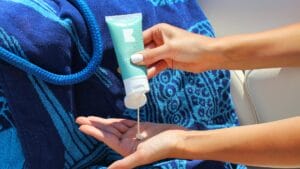
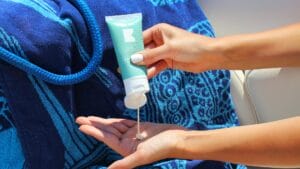
- Mineral sunscreen (broad spectrum zinc + titanium) applied liberally — at least a nickel-sized amount for face and more for neck and décolleté.
I reapply a mineral stick midday if I’m outside for more than an hour. If I’m indoors under windows or in front of screens all day, I still put on mineral sunscreen in the morning — it helps with incidental UVA exposure.
Makeup and mineral sunscreen — yes, they can play nice
Mineral sunscreen tends to give a slightly matte or softly blurring finish. I wait 30 seconds, then apply a lightweight primer and foundation. The result: fewer settlement lines and a smoother finish after six hours than with chemical SPF bases I’ve tried.
Common misconceptions about mineral sunscreen — I hear these a lot
My clients often say, “Mineral sunscreen leaves a white cast,” or “It’s greasy.” Both are half-truths depending on product formulation and skin tone.
Modern mineral formulas use micronized non-nano zinc and color-correcting tints to minimize white cast. For deeper skin tones, tinted mineral SPFs or sheer sticks work much better than older thick lotions.
Another myth: mineral sunscreen is only for beach days. That’s false. Daily use prevents cumulative photoaging and pigmentation, which are the real culprits behind looking older than you are.
When mineral sunscreen might not be ideal
If you need a very lightweight, invisible finish for oily skin in 95°F humidity, some chemical blends feel less occlusive. But many brands now offer oil-control mineral options that perform well. I tested a few in muggy Atlanta summers and was pleasantly surprised.
How to layer mineral sunscreen with active anti-aging ingredients
People worry about mixing mineral sunscreen with retinol or bakuchiol. Both can be used together safely — retinol at night, mineral sunscreen in the morning to protect newly generated skin cells.
If you’re using exfoliating acids, mineral sunscreen helps calm reactive irritation and reduces the risk of post-inflammatory hyperpigmentation. For a head-to-head ingredient comparison I wrote about earlier, my bakuchiol vs retinol article gives context on expectations and pacing: Bakuchiol vs Retinol for Wrinkles.
Layering checklist
- AM: antioxidant serum → moisturizer → mineral sunscreen.
- PM: cleanse → active (retinol/bakuchiol) → moisturizer.
- Reapply mineral sunscreen every 2 hours if outdoors; otherwise reapply after heavy sweating or swimming.
Safety, environmental notes, and the final anti-aging verdict
Safety first: most dermatologists agree mineral actives are low-irritation and effective. For clinical recommendations about sunscreens and skin cancer prevention, reputable sources include the Skin Cancer Foundation: https://www.skincancer.org.
Environmental concerns? Choose reef-safe formulas when swimming in delicate ecosystems; many US brands now offer reef-friendly mineral options with responsible packaging.
Final anti-aging verdict from my tests and reporting at Beaute Cosmetic: mineral sunscreen is the simplest, most consistent anti-aging insurance policy you can buy. It won’t erase years overnight, but used correctly it slows down the processes that create deep wrinkles and pigment patches.
Frequently Asked Questions
Does mineral sunscreen prevent wrinkles?
Yes. By physically blocking UVA and UVB rays, mineral sunscreen reduces photoaging, which includes wrinkles and loss of collagen. Regular use slows the visible aging process.
Is mineral sunscreen safe for sensitive or rosacea-prone skin?
Generally yes. Mineral sunscreen tends to be less irritating than many chemical SPFs. Look for non-nano zinc oxide and fragrance-free formulas to minimize irritation.
How often should I reapply mineral sunscreen during a day in the sun?
Reapply about every two hours when exposed to direct sunlight, and immediately after heavy sweating, swimming, or towel-drying.
Will mineral sunscreen leave a white cast on darker skin tones?
Older formulas could, but many modern mineral tints and sheer stick formats are formulated to avoid a white cast. Test in store when possible or buy from retailers with good return policies.
Can I use mineral sunscreen with retinol or other anti-aging actives?
Yes. Use retinol or bakuchiol at night and mineral sunscreen during the day. Mineral SPF helps protect the new skin cells retinol creates from sun damage.
I’ll end with honesty: sunscreen isn’t glamorous, but it’s the most reliable anti-aging choice I’ve made for my own skin. Mineral sunscreen offers consistent physical protection, fewer surprises for sensitive complexions, and modern textures that actually fit US daily life — from early morning commutes in Boston to weekend beach days in San Diego. If you’re picking one anti-aging habit to keep for decades, make it mineral SPF applied properly, revisited every few hours when outside, and paired with antioxidants. That’s the routine that keeps skin looking lived-in rather than worn-out. For more testing notes and product ideas tailored to cities like NYC, LA and Chicago, check Beaute Cosmetic’s ongoing reviews and guides.
In summary, to achieve success in the field of mineral sunscreen rehberi, it is necessary to follow current developments and shape strategies accordingly. You can share your experiences or questions about mineral sunscreen rehberi in the comments section.
Frequently Asked Questions
What is mineral sunscreen rehberi?
mineral sunscreen rehberi is a topic of high search volume and strategic importance in the digital space.
Why is mineral sunscreen rehberi Important?
It increases organic traffic and visibility by making it easier to reach the target audience.