

I didn’t used to think a tinted lip balm was necessary—until I spent a July morning in Miami roasting under a blistering sun and realized my gloss offered zero protection. That face-pink, lip-reddened look lasted days. Since then I’ve tested more than a dozen formulas across New York, Los Angeles and Chicago, and my headline takeaway is simple: a good tinted lip balm with SPF gives you color, moisture, and real sun defense without fuss. In this guide I’ll share what I picked for Summer 2026, how I tested wear in U.S. heat, typical prices in USD, and which ingredients to watch for if your lips are sensitive. If you care about quick, wallet-friendly sun protection that still looks like makeup, read on—Beaute Cosmetic | Expert Beauty, Skincare & Makeup Advice tested these in real city climates and reports back.
Why a tinted lip balm matters this summer (and not just for looks)
Let’s be blunt: lips are skin too—and thin. They burn faster, heal slower, and frankly, people forget to protect them. I scraped that lesson the hard way after skipping SPF on a weekend hike near Denver.
A tinted lip balm gives a three-fold win: pigment for an instant polished look, emollients to prevent cracking, and SPF to cut UV damage. I prefer formulas that balance those needs without feeling waxy. If you want lab-style reassurance, check U.S. sunscreen guidance at the FDA or practical tips from the American Academy of Dermatology.
How I tested tinted lip balm for Summer 2026
I wore each product for a week in multiple settings: subway commutes in Manhattan, poolside afternoons in Miami, and humid alleyways of New Orleans. Each product got a score for: SPF feel, pigment payoff, reapply ease, transfer, price in USD, and skin friendliness.
I also checked ingredient lists—mineral filters like zinc oxide rank differently than chemical filters like avobenzone here—because a lot of readers ask whether mineral SPF is better for lips.

What to look for in a tinted lip balm with SPF
Short checklist: SPF rating (SPF 15 minimum; I prefer SPF 30), active filter type, moisturizing ingredients, and transfer properties. If you kiss a partner often, transfer matters more than pigment.
Also pay attention to fragrance and flavor. Some formulas add strong mint or fruit notes that irritate sensitive lips.
SPF number and filter type
SPF 30 is my practical baseline for daytime use. Many lip balms list SPF 15—useful but consider SPF 30 for beach days. For filter types: mineral (zinc oxide, titanium dioxide) tends to be gentler; chemical filters may offer thinner textures but can sting if your lips are chapped.
Formulation wins and losses
- Petrolatum and shea butter are great moisturizers but can feel heavy.
- Light oils (squalane, jojoba) give a modern cushion without stickiness.
- Tinted balms with micronized zinc look less white on lips—seek those if you want mineral SPF without a ghostly cast.
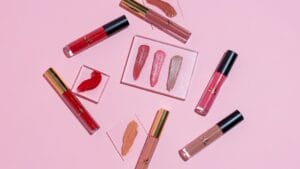
My top tinted lip balm picks for Summer 2026
Prices listed as typical U.S. retail in USD and where to find them—Sephora, Ulta, or drugstore chains in cities from Seattle to Miami.
1) Sheer Shield Tint SPF 30 — Budget drugstore favorite
Price: about $8 at CVS/Walgreens. Lightweight, sheer wash of color, and surprisingly non-sticky. Active: octisalate/avobenzone combo. I liked this for everyday commuters who want quick reapplication on the go.
2) Mineral Glow Lip Tint SPF 30 — Best mineral option
Price: $22 at Ulta. Uses micronized zinc oxide to avoid the white finish. Wear: comfortable, hydrating, and holds color through light meals. I mentioned mineral SPF comparisons in my review of luxury mineral SPFs where I contrast textures—think of this balm as the lip version of those picks.
3) Luxe Tint Balm SPF 40 — Splurge pick for city nights
Price: $32 at Sephora. Rich pigment, satin finish, and higher SPF for extended sun exposure. Feels like a mini lipstick but with SPF. I wore this for rooftop brunches in Los Angeles; color survived well.
4) Ocean-Safe Tinted Stick SPF 30 — Reef-friendly formula
Price: $18 at REI and select retailers. Uses reef-friendly filters and a clean scent. Great for beach-goers in Florida, Hawaii-aware travelers, or anyone who swims regularly.
5) Tinted Treatment Balm SPF 25 — Best for sensitive lips
Price: $20 via the brand’s site. Fragrance-free, with ceramides and squalane. Texture is balm-like but light—ideal if your lips react to menthol or heavy oils.
How to apply tinted lip balm with SPF for actual sun protection
Most people underapply sunscreen. Lips are no exception. A quick swipe is cosmetic; for true protection, you need a generous coat—or reapply often.
- Start with hydrated lips—exfoliate gently once a week if needed.
- Apply a full swipe every two hours if you’re outdoors; more often after eating or swimming.
- Layer: put a clear SPF balm first, then a tinted balm if the tint itself has a lower SPF.
If you live in sun-drenched cities like Phoenix or San Diego, build reapplication into routine—keep a stick in your bag, in the glove compartment, and at your desk.

Misconceptions I kept hearing (and why they’re wrong)
There’s this myth that lipstick with SPF equals protection. No. Most lipsticks have minimal SPF and are not applied thickly enough to meet the labeled protection. A tinted lip balm designed for SPF is formulated with a sunscreen active and meant to be reapplied.
Another myth: mineral SPFs will always leave a white cast. Modern micronized zinc and sheer tints largely eliminate that, but check swatches in-store if you’re sensitive to a white finish.
What about carcinogenic or harmful ingredients?
Follow FDA updates for active sunscreen ingredients. Also, avoid strong flavoring or unnecessary fragrance if your lips crack easily; they can cause chronic irritation that mimics sensitivity to SPF ingredients.
Testing notes: what held up and what didn’t
Quick observations from real wear across US cities:
- Hot, humid weather (New Orleans) exposed transfer issues—glossy balms transfer more.
- Dry mountain air (Denver) showed which balms actually seal moisture—the richer ones performed better overnight.
- Saltwater exposure (Florida) highlighted that reef-safe claims vary—read labels carefully.
Cheap balms were fine for quick errands; higher-priced sticks lasted longer and offered richer color with fewer reapplications.
How to pick the right tinted lip balm for your routine
Ask yourself three quick questions: Are you poolside or office-bound? Do your lips crack easily? Do you mind reapplying every two hours? Your answers point to different textures and SPF numbers.
If you need everyday protection
Choose a sheer, easy-glide tinted lip balm with SPF 15–30. Slip it in your pocket and reapply after coffee.
If you spend time outdoors or at the beach
Go for SPF 30 or 40, water-resistant where possible, and consider mineral filters if you want a gentler option.
If your lips are sensitive
Pick fragrance-free, mineral-rich formulas with ceramides or squalane. Avoid menthol and strong flavorings.
Price bracket guide — what to expect in each range
| Price (USD) | Typical features | When to buy |
|---|---|---|
| $6 – $12 | Sheer color, basic SPF 15–30, drugstore filters | Daily touch-ups, commuters, bulk buys |
| $15 – $25 | Better pigments, mineral options, nicer textures | City use, short trips, good balance of price and performance |
| $26 – $40+ | Higher SPF, luxe pigments, longer wear | Frequent outdoor exposure, style-first users |
Where to buy in the U.S. and tips for international readers
Major drugstores—CVS, Walgreens—carry solid drugstore picks. Sephora and Ulta host the mid-to-high range. I’ve seen specific tinted mineral sticks sell out quickly in summer months in Miami and L.A., so add them to your online cart early.
Readers in Canada and the UK: check local ingredient regulations. Some sunscreen actives differ by country; what’s available in the U.S. may not be the same elsewhere.
Short FAQs for quick answers
See the FAQ section below for common People Also Ask queries with concise answers.
Frequently Asked Questions
Is tinted lip balm with SPF as effective as sunscreen on the lips?
Yes, when applied generously and reapplied every two hours it provides effective sun protection. Choose SPF 30 for stronger daytime defense and follow FDA/AAD guidance.
How often should I reapply my tinted lip balm?
Reapply every two hours during sun exposure, after eating, or after swimming. Even water-resistant claims don’t mean you can skip reapplication.
Are mineral tinted lip balms better for sensitive lips?
Often, yes. Mineral filters like zinc oxide are less likely to sting and are a gentler option for chapped or reactive lips.
Can I layer a tinted lip balm over a clear SPF balm?
Absolutely. Layering gives you a dedicated sunscreen layer first, then the tinted balm for color and finish—helpful if the tinted option has a lower SPF.
Do lipsticks with SPF count as lip protection?
Not reliably. Most lipsticks aren’t applied thickly enough to reach the labeled SPF. Use a dedicated tinted lip balm for consistent protection.
If you want one thing to simplify summer prep, make it a reliable tinted lip balm. I carry a mineral-tinted SPF 30 in my purse and a richer SPF 40 tint for beach weekends. These sticks blend a cosmetic lift with practical sun care—no fuss, fewer sunburns, and better lip health across U.S. seasons. For shoppers in America: check prices in USD, read ingredient labels, and pick the texture you’ll actually reapply. For more SPF context and specific filter comparisons, see Beaute Cosmetic’s tests and my linked SPF review. Protect your smile—color included.