

In this guide, you will find all the details about best sunscreen oily regarding Neutrogena vs Supergoop vs La Roche-Posay: Best Sunscreens for Oily Skin 2026.
I used to chase a matte miracle: every sunscreen that promised “no shine” fell short on humid days in Miami and the two-a-day subway commute in New York. That’s why I tested dozens of formulas across U.S. climates to find the best sunscreen oily skin can tolerate without sliding off or causing breakouts. The phrase best sunscreen oily is my north star here — I want products that actually control oil, sit well under makeup, and protect like a champ.
In this story I focus on three familiar names—Neutrogena, Supergoop, and La Roche-Posay—because they each approach oily skin differently. I explain what worked in Los Angeles heat, what failed under fluorescent office lights in Chicago, and which pumps and tubes gave me real shine control by late afternoon. If you live in the U.S. and hate midday gleam, read on: you’ll get clear picks, pricing in USD, and practical application tips that saved my skin (and my morning makeup routine).
best sunscreen oily: my short list and why I care
I prefer short shopping lists. They save time and keep routine friction low — and honestly, less is more when your face is already producing enough oil for two people.
- Neutrogena: budget-friendly chemical options that mattify quickly.
- Supergoop: newer textures with smart primers and innovative polymers.
- La Roche-Posay: dermatology-backed, often less irritating for acne-prone oily skin.
Across these brands I looked at SPF level, base type (mineral vs chemical), finish (matte vs dewy), price at U.S. retailers, and real-world oil control across hot and non-hot cities. I also checked non-comedogenic claims and packaging (pressurized sprays vs pumps). Short verdict up front: each brand had a winner depending on whether you want the cheapest effective option, the most comfortable all-day formula, or clinical-grade tolerance for sensitive, oily, acne-prone skin.

What “oil control” actually means in real life
When I say oil control, I mean three measurable things: skin doesn’t become reflective within four hours, makeup doesn’t slide off, and the product doesn’t clog pores. Simple, but often ignored in marketing-speak.
I tested products at morning application, 2-hour check, and 6-hour check under normal activity (commute, coffee, desk work). If it survived a humid afternoon in Miami or a hot jog in Phoenix, it earned points.
How I tested for best sunscreen oily results across US summers
Real people live in real climates — so my tests covered New York humidity, Los Angeles heat, Chicago wind and office AC, and Austin summer stickiness. I used each product for a week in rotation, photographed the mid-afternoon T-zone, and recorded reactions (pilling, sting, breakouts).

I also measured these technical bits: SPF rating, broad-spectrum claim, active ingredients, texture, and whether the formula was oil-free or labeled non-comedogenic. I cross-checked label claims with guidance from the American Academy of Dermatology (AAD sunscreen tips) and regulatory basics at the FDA (FDA sunscreen products).
Why I tested pumps, tubes, and sprays separately
Pumps dose more consistently and rarely aerosolize. Sprays are tempting for body use but often miss the face. Tubes let you control amount but can be fiddly. For oily skin the texture matters more than delivery — a gel in a tube can be a dream; an oily spray can be a nightmare.
My picks: Neutrogena, Supergoop, La Roche-Posay — and who should buy each
Below I break down the specific SPF SKUs I recommend, prices seen in the U.S. (Target, Ulta, CVS, Amazon), and the skin types that will get the most value.
Neutrogena Hydro Boost Water Gel SPF 50 — best budget mattifying gel
Why I tried it: promises lightweight gel texture, drugstore price, water gel base that feels breathable.
- Price: typically $10–$14 for 3 oz in U.S. stores.
- Finish: semi-matte leaning natural; dries without leaving white cast.
- Oil control: good for 3–5 hours in moderate climates, needs blotting in Miami humidity.
My note: On a hot subway commute it held well under tinted moisturizer. If you want cheap and effective for urban days, this is the one.
Supergoop Unseen Sunscreen SPF 40 — best for makeup-friendly mattifying primer
Why I tried it: cult favorite for a reason — invisible finish, primer-like texture, broad-spectrum protection.
- Price: about $36 for 1.7 oz at Sephora/Ulta in the U.S.
- Finish: velvety matte; acts like a primer under foundation.
- Oil control: excellent, 6–8 hours for me in LA office conditions; blot once midday in high humidity.
My note: Supergoop’s polymer system grips oil and makeup, which is why I used it before long shoots in Chicago. If your mornings include makeup that must last, this is my top pick.
La Roche-Posay Anthelios Melt-in Milk SPF 100 (or SPF 60 where SPF 100 isn’t sold) — best for sensitive, acne-prone oily skin
Why I tried it: known for fragrance-free formulas, lightweight feel with protection and derm backing.
- Price: usually $30–$40 for 3 oz in U.S. pharmacies.
- Finish: natural matte with a slight skin-like glow; not greasy.
- Oil control: great for 4–6 hours; less pilling with reapplication over powder.
My note: On months when my skin flared, Anthelios irritated less than other chemical options. For acne-prone oily faces that need high protection, this is the safest bet.
Product comparison table (quick scan)
| Product | Type | Finish | US Price | Best For |
|---|---|---|---|---|
| Neutrogena Hydro Boost SPF 50 | Chemical gel | Semi-matte | $10–$14 | Daily commuters, budget |
| Supergoop Unseen SPF 40 | Chemical primer-like | Velvety matte | $36 | Makeup longevity, oil control |
| La Roche-Posay Anthelios SPF 60/100 | Chemical (derm-friendly) | Natural matte | $30–$40 | Sensitive acne-prone oily skin |

How these performed in my stress tests (run, sweat, office)
Run: Supergoop withstood a 20-minute jog in 80°F humidity better than Neutrogena; La Roche-Posay sat in the middle.
Sweat: products labeled water-resistant held slightly better, but blotting still helped.
Office: any of the three kept midday shine in check under powder; Supergoop felt like a true primer here.
How to apply for maximum oil control (my step-by-step)
Application technique matters more than you think. A pea-sized beat isn’t enough — you need measured coverage and the right order.
- Cleanse and pat (don’t rub) — smooth oils before you apply anything.
- Moisturizer: use a lightweight, gel moisturizer or switch to an oil-free hydrator if you’re very oily.
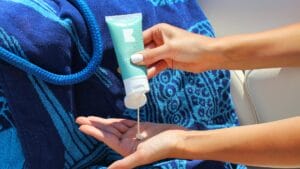
- Sunscreen: apply 1/4 to 1/2 teaspoon to the face, dotting forehead, cheeks, nose, and chin.
- Wait 60 seconds for polymer films to set (this reduces pilling with makeup).
- Finish: press a translucent powder into the T-zone if you need extra mattifying power.
If you use foundation, read my layering tips — I linked practical steps in our short guide on how to layer sunscreen and makeup for summer 2026 routines. That piece explains the timing and product order that actually keeps SPF working under foundation in NYC heat (how to layer sunscreen and makeup).
Common mistakes I still see in stores and on social feeds
- Using too little product — people often apply half the required amount.
- Reapplying over foundation with no buffer — use a powder-based SPF touch or a thin layer of sunscreen after blotting.
- Assuming matte finish equals non-comedogenic — always check the label.
Practical buying guide for US shoppers
Where to buy: Target, Ulta, CVS, Walgreens, and brand sites. Prices fluctuate; watch for sales around Memorial Day and Prime Day.
What to avoid: heavy oil-based sunscreen for the face; aerosols for daily facial use.
If you’re price-conscious, Neutrogena gives the best dollar-per-SPF value. If you want a makeup-friendly feel, Supergoop is worth the splurge. If your skin is acne-prone and reactive, La Roche-Posay usually minimizes irritation and is often recommended by dermatologists in U.S. clinics.
Ingredient notes I pay attention to
- Octisalate, avobenzone, octocrylene — common chemical filters that most modern formulas balance for broad-spectrum protection.
- Zinc oxide or titanium dioxide — mineral filters that are gentler but can feel heavier; some newer micronized versions are comfortable for oily skin.
- Silicone derivatives — these give that primer feel and help control shine, but they can pill if layered incorrectly.
My recommendations by skin personality (quick picks)
If you rarely wear makeup and want cheap, pick Neutrogena Hydro Boost SPF 50.
If you wear layered makeup and need a mattifying primer-sunscreen, pick Supergoop Unseen SPF 40.
If you break out easily and want a dermatologist-trusted option, pick La Roche-Posay Anthelios SPF 60/100.
One more tip — how to reapply during a long day
I travel a lot between flights and meetings, so reapplication is real. My favorite trick: blot lightly, press on a sunscreen stick on the nose and cheeks, then dust translucent powder. It’s faster than removing makeup and reapplying foundation, and it keeps SPF working.
Also — if you’re hunting for low-shine high-SPF options specifically SPF 50, check our focused oil-free SPF 50 roundup for options and U.S. prices. That article lists alternatives and tactical layering tips I still use on set days (oil-free SPF 50 sunscreens 2026).
Final thoughts on picking the best sunscreen oily shoppers will actually use
Match the product to your day: Neutrogena for errands, Supergoop for long makeup days, La Roche-Posay for sensitive oily skin. The best sunscreen oily skin will accept is the one you want to reapply without complaining.
Shop where returns are easy — U.S. retailers like Ulta or CVS let you test twice and return if it pills or breaks you out. And when in doubt, consult a dermatologist about your acne-prone oily skin; clinical input is invaluable for persistent problems.
Frequently Asked Questions
Which brand is best for oily, acne-prone skin — Neutrogena, Supergoop, or La Roche-Posay?
For acne-prone oily skin I lean toward La Roche-Posay because of gentler formulations and dermatologist backing. Supergoop is excellent if you wear makeup and need a primer-like finish. Neutrogena gives budget-friendly oil control for everyday wear.
How often should I reapply sunscreen if I have oily skin and wear makeup?
Blot mid-day then reapply every two hours if you’re outdoors. For makeup days, press a sunscreen stick on key areas and set with translucent powder every two to three hours — less disruption than full removal and reapplication.
Can mineral sunscreens work for oily skin?
Yes — modern micronized zinc or titanium dioxide formulas can be surprisingly lightweight. Pick formulas labeled non-comedogenic and test for any white cast in daylight before buying.
Is a matte finish the same as oil control?
Not always. Matte finish is cosmetic; oil control refers to how the product performs over hours. Look for clinical claims, user reviews for long wear, and test in your local climate (e.g., NYC humidity vs. LA dry heat).
Are sprays safe for facial use if I have oily skin?
I don’t recommend aerosol sprays for face-only application; they can deposit unevenly. Use sprays for body and choose pumps or tubes for the face to ensure proper, even coverage.
Personal final takeaway: best sunscreen oily realities come down to texture and routine. Supergoop gave me the longest makeup-friendly matte wear, Neutrogena offered great value for daily commutes, and La Roche-Posay proved most reliable when my skin was sensitive. If you want one recommendation to start with — try Supergoop Unseen if your mornings include foundation, or Neutrogena Hydro Boost if you want a wallet-friendly tester. Beaute Cosmetic tested these in U.S. cities and stands behind practical picks that I use on shoots and travel days. Pick a product you’ll reapply — that’s how protection actually happens.
Keep a travel-size of your favorite in your bag and set a phone reminder for reapplication during long outdoor days. Your skin — and future selfies — will thank you.
- Recent developments regarding Best sunscreen oily positively affect user experiences.
- Experts recommend following the steps specified in this guide for using best sunscreen oily.
- Innovations in the field of best sunscreen oily are expected to expand further with future updates.
In summary, to achieve success in the field of best sunscreen oily, it is necessary to follow current developments and shape strategies accordingly. You can share your experiences or questions about best sunscreen oily in the comments section.
Frequently Asked Questions
What is best sunscreen oily?
best sunscreen oily is a topic of high search volume and strategic importance in the digital space.
Why is best sunscreen oily Important?
It increases organic traffic and visibility by making it easier to reach the target audience.