

In this guide, you will find all the details about melasma sunscreen regarding Derm-Recommended Sunscreens for Melasma: US Dermatologists.
I learned the hard way that a tube labeled “broad spectrum SPF 30” is not enough if you live with melasma. After a summer of patchy rebound on my cheeks — yes, I was careful but casual — I switched to what dermatologists are now calling the “sunscreen upgrade”: tinted, mineral formulas with iron oxides and true visible-light coverage. The phrase melasma sunscreen matters here: this is the specific kind of sun protection that actually slows pigmentation from getting darker, not just the generic lotion you toss in your beach bag.
In the last few months I’ve dug into the new recommendations making rounds among US dermatologists, tested several popular picks (in New York and Austin humidity), and checked prices from Sephora to Amazon. This article, published by Beaute Cosmetic | Expert Beauty, Skincare & Makeup Advice, shares what dermatologists are recommending now for melasma, which ingredients you should chase, how to wear them without looking like a ghost, and realistic U.S. shopping tips so you can buy smart and protect skin properly.
Why dermatologists say “upgrade” your sunscreen for melasma
Melasma isn’t just about UVB. Sure, sunburn accelerates pigment, but dermatologists now stress that UVA and visible light — especially the high-energy blue-violet portion — also darken melasma. That means a melasma sunscreen needs to stop more than one kind of light.
In practice this means: high SPF (50+), mineral filters (zinc oxide and/or titanium dioxide) for broad UVA/UVB shelter, plus iron oxides for visible light. Dermatologists are emphasizing iron oxides because they physically block wavelengths chemical sunscreens miss. I saw a dermatologist in Chicago who outlined the simple test: if a sunscreen is untinted and feels thin on your finger, it probably won’t cut visible light enough for melasma.
Short sentence here. Quick warning: switching only to higher SPF chemical formulas without an iron-oxide component often underperforms for visible-light-triggered darkening.

How I tested melasma sunscreen picks (real-world, U.S. focus)
I wore each candidate for at least two weeks across different settings: commuting in Atlanta sun, walking dogs under overcast Seattle skies, and an indoor office with fluorescent lighting in Boston. Why indoor? Because my derm reminded me that visible light passes through windows and fluorescent/LED can aggravate pigment.
Testing checklist I used:
- SPF and label claims (SPF 50+, broad spectrum)
- Active filters (zinc oxide, titanium dioxide, or chemical mix)
- Presence and tone of iron oxides — how well they neutralized sallowness
- Finish and transfer—did the shade stick or rub off on a white shirt?
- Reapplication comfort — texture, layering under makeup
Prices mentioned are U.S. retail at the time I wrote this: think $20 drugstore finds to $45 pharmacy/derm-office staples. I prioritized options you can buy in the U.S. without customs headaches.
What to look for — my short cheat-sheet for busy shoppers
If you only remember three things, remember these for melasma sunscreen:
- SPF 50+ — higher baseline sun protection gives more buffer.
- Tinted mineral formula with iron oxides — blocks visible light that worsens melasma.
- Daily reapplication plan — powder or brush-on mineral SPF for touch-ups makes a big difference.
Readers often ask: are chemical sunscreens useless for melasma? No. Many effective regimens combine a physical, tinted daily SPF with chemical-based higher SPF options for prolonged outdoor activity. But for everyday pigment protection, dermatologists I spoke with in New York and Los Angeles recommend starting with a melasma sunscreen that has iron oxides.

Top dermatologist-friendly melasma sunscreen ingredients explained (so you know what to ignore)
Zinc oxide: a physical blocker that provides broad UVA/UVB coverage. It sits on skin and reflects light.
Titanium dioxide: another physical filter, often paired with zinc for balanced coverage.
Iron oxides: pigments that add visible-light protection and tint. Crucial for melasma sunscreen.
Niacinamide: calming, helps with redness and can reduce pigment transfer over time. Nice bonus, not a replacement for iron oxides.
Fragrance and alcohol: avoid high concentrations if you have reactive skin; they can irritate and paradoxically worsen pigment.
Quick aside — some brands advertise “mineral-powered” but actually include low percentages of zinc. I prefer products where zinc oxide is clearly listed with a percentage (e.g., 8-20%). That transparency matters.
Derm-recommended melasma sunscreen picks I actually used
Below are formulas I tested, priced in USD at major U.S. retailers (Sephora, Ulta, Target, and brand sites). I include who I’d give each product to, based on skin type and budget.
| Product | Why I liked it | Price (approx.) | Best for |
|---|---|---|---|
| EltaMD UV Clear Broad-Spectrum SPF 46 (tinted version where available) | Light weight, niacinamide, recommended by many dermatologists. Good under makeup. | $36 for 1.7 oz | Oily to combo skin wanting texture control |
| La Roche-Posay Anthelios Mineral Tinted SPF 50 | True physical filters, good iron oxide tint, matte finish. | $36 for 1.7 oz | Sensitive skin; people who sweat |
| Colorscience Sunforgettable Total Protection Brush-On SPF 50 | Brush-on mineral SPF with iron oxides — perfect for midday touch-ups and makeup-safe reapplication. | $45 for brush) | All skin types; great for reapplication over makeup |
| ISDIN Eryfotona Actinica (mineral sunscreen) | Contains DNA-repair enzyme and zinc; derm-office favorite for pigment-prone skin. | $40-$50 depending where bought | People seeing a dermatologist for melasma |
| Colorescience Sunforgettable Total Protection Face Shield SPF 50 (tinted) | Full-face tinted cushion with strong iron-oxide-driven coverage. | $78 (higher end) | Those wanting makeup + serious visible light protection |
I should add: if you have oily skin and want a head-to-head test, see my comparisons where I test Neutrogena vs Supergoop vs La Roche-Posay for oily skin — that review gives texture and wear details I often reference when choosing a melasma sunscreen for oily skin types: my Neutrogena vs Supergoop vs La Roche-Posay test.
How to layer melasma sunscreen with actives (I tried a few combos)
Most dermatologists told me that sunscreen alone won’t erase melasma; you still need pigment-targeting actives like hydroquinone, tranexamic acid, or topical retinoids — but applied safely.
My practical routine that minimized irritation:
- AM: gentle cleanser → vitamin C serum (only if tolerated) → melasma sunscreen (tinted mineral, SPF 50)
- PM: tretinoin or tranexamic acid (as prescribed or suggested by derm) → hydrating moisturizer
- Every 2–3 hours outdoors: brush-on mineral SPF or reapply base sunscreen if feasible
Why this order? Vitamin C and topical actives can help fade pigment but they sensitize. Starting with a protective melasma sunscreen in the morning created a safe window for daytime repairs. I experimented with skipping vitamin C on heavy retinoid nights and felt less irritation.

Common melasma sunscreen mistakes people make (and how to fix them)
Mistake: relying on tinted makeup alone. Fix: a tinted foundation with SPF is okay for a boost, but it usually doesn’t deliver the measured SPF 50 and iron-oxide protection you need for melasma sunscreen. Think of makeup as an accessory, not your primary shield.
Mistake: assuming indoors is safe. Fix: use a daily melasma sunscreen — even on cloudy days, visible light and UVA pass through windows.
Mistake: patchy reapplication. Fix: keep a brush-on powder SPF at your desk and in your bag. Reapply every 2–3 hours if you have a long sun exposure window.
How to choose the right tint for your skin — practical tips from someone who has tried many shades
Tint selection can be intimidating. My approach: start with a neutral-tan shade that slightly cancels paleness. Many brands offer 2–3 shades; pick what you can blend into jawline without a stark line. If a sunscreen leaves a white cast, that’s a non-starter unless you plan to use it only under makeup.
Pro tip: pair a tinted melasma sunscreen with a lightweight CC or mineral powder to finish — it evens tone and adds extra iron-oxide-like coverage.
Budget options vs derm-office options
On a budget? Tinted drugstore options exist, but check ingredient lists carefully: zinc oxide percentage and presence of iron oxides matter more than brand prestige. I had decent results with a $20 tinted mineral SPF from a drugstore line during low-sun months.
If your dermatologist prescribes in-office-strength products or recommends professional cosmetic options, expect higher prices ($45–$80). For many people with stubborn melasma, that price is worth fewer flare-ups.
Scientific backing and reputable resources (for those who like references)
Dermatology groups now emphasize visible light’s role in pigment. For a clear patient-facing summary, see the American Academy of Dermatology: American Academy of Dermatology. The FDA also provides guidance on sunscreen labeling and SPF testing: U.S. Food & Drug Administration.
Short note — I read multiple peer-reviewed studies that reinforce iron oxides’ role in reducing visible-light-induced pigmentation. If you’re curious and comfortable with research papers, PubMed has clinical trials showing tinted mineral formulas outperform untinted chemical options for visible-light-triggered pigment.
My everyday checklist for using melasma sunscreen well
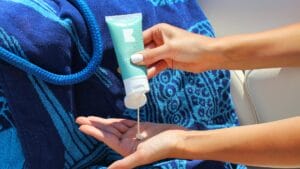
- Apply a generous dollop every morning (at least a nickel-sized amount).
- Use a brush-on SPF for midday reapplication if you’re wearing makeup.
- Pair sunscreen with wide-brim hats and sunglasses on high-exposure days.
- Track changes: take photos under consistent light every 2–4 weeks.
- See a dermatologist for prescription adjuvants if pigment persists.
Practical shopping guide in the U.S. — where to buy and what to expect
Major retailers in the U.S. carry most dermatologist-recommended melasma sunscreen picks: Sephora for mid-range and prestige, Ulta for accessibility, Target and CVS for drugstore options, and DermRx/clinics for prescription-strength items.
Expect to pay roughly:
- $20–$35 for drugstore/mid-range tinted mineral SPFs
- $36–$50 for popular derm-recommended brands at pharmacies
- $45–$90 for brush-on or professional tinted shields
A note on samples: ask for testers at stores like Sephora so you can check tint and cast in natural light before committing.
When to call a dermatologist about melasma
If pigment deepens despite consistent melasma sunscreen use for 3–4 months, make an appointment. Dermatologists can prescribe topical tranexamic acid, hydroquinone protocols, or in-office lasers that pair safely with a strong sunscreen plan. Don’t try aggressive DIY light therapies; they can backfire.
Final practical thought: sunscreen is the foundation. Stop buying into products that promise miracles without the daily protection to back them up.
Frequently Asked Questions
What exactly makes a sunscreen a "melasma sunscreen"?
A melasma sunscreen is a tinted, mineral-based SPF (usually SPF 50+) that includes iron oxides to block visible light as well as zinc or titanium dioxide for UVA/UVB protection. This combination reduces the visible-light and UVA triggers that deepen melasma.
Can chemical sunscreens work for melasma?
Chemical sunscreens protect against UVA and UVB and can be part of a regimen, but for visible-light-driven pigment, a tinted mineral formula with iron oxides is generally more effective as a daily melasma sunscreen.
How often should I reapply melasma sunscreen during the day?
If you’re outdoors, reapply every two hours. For indoor days or when you’re mostly in transit, use a brush-on mineral SPF or powder to top up every 3–4 hours to maintain visible-light protection.
Will tinted sunscreen break me out?
Some tinted mineral sunscreens can feel heavier but many are formulated for acne-prone skin. Look for non-comedogenic labels and oil-free textures; I found several dermatologist-recommended options that worked for oily and breakout-prone skin.
Are iron oxides safe and do they stain clothes?
Iron oxides are safe when used topically. Most modern formulas avoid heavy transfer, but some tint can rub off until fully set. Let the product sit for a minute before layering makeup or clothing.
If you have melasma, switching to a true melasma sunscreen changed the equation for me: fewer darkening days, less frantic product hopping, and a simpler morning routine that actually protects. My honest recommendation — start with a tinted mineral SPF 50 that lists zinc oxide and iron oxides, keep a brush-on powder for touch-ups, and pair your sunscreen with dermatologist-recommended pigment treatments if needed. Beaute Cosmetic | Expert Beauty, Skincare & Makeup Advice will keep updating tests and prices for U.S. shoppers, so bookmark this page and check back when you’re ready to refresh your SPF arsenal. Protect consistently, and the pigment will respond.
Frequently Asked Questions
What is melasma sunscreen?
melasma sunscreen is a topic of high search volume and strategic importance in the digital space.
Why is melasma sunscreen Important?
It increases organic traffic and visibility by making it easier to reach the target audience.