
Acne patches have revolutionized spot treatment, but with hydrocolloid and microdart options available, choosing the right one can be confusing. In this 2026 review, we compare hydrocolloid vs microdart acne patches to help you decide which is best for your skin type and blemish stage. Whether you have a whitehead, cystic bump, or post-acne mark, we break down how each works, their pros and cons, and expert recommendations. Beaute Cosmetic’s team tested over 20 popular patches from US brands to bring you this comprehensive guide.
How Hydrocolloid Acne Patches Work
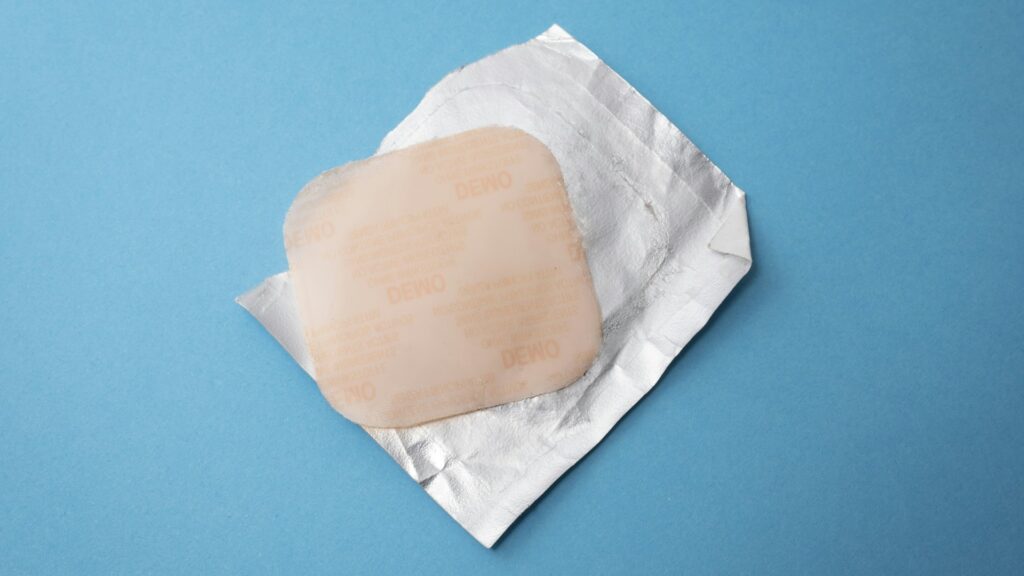
Hydrocolloid acne patches are adhesive stickers that absorb fluid from pimples, creating a protective barrier. Made from gel-forming agents like sodium carboxymethylcellulose, they pull out pus and oil while keeping bacteria out. These patches work best on open, oozing blemishes like whiteheads and pustules. They are often transparent or flesh-toned, designed to be worn overnight or for several hours. Brands like American Academy of Dermatology note that hydrocolloid technology is safe and non-irritating for most skin types.
How Microdart Acne Patches Work
Microdart acne patches are a newer innovation that uses tiny, dissolvable needles to deliver active ingredients like salicylic acid, hyaluronic acid, or niacinamide deep into the skin. Unlike hydrocolloid patches that sit on the surface, microdarts physically puncture the stratum corneum to target clogged pores and inflammation. They are particularly effective for cystic acne and under-the-skin bumps that haven’t come to a head. Studies show that microdart technology can reduce lesion count faster than traditional patches. Many US consumers prefer them for stubborn acne because of their deeper delivery system.
For those with sensitive skin, pairing acne patches with a gentle routine is key. As we discussed in our acne-prone sunscreens guide, always apply SPF after using patches during the day.
Hydrocolloid vs Microdart: Key Differences
| Feature | Hydrocolloid Patches | Microdart Patches |
|---|---|---|
| Best for | Whiteheads, pustules, draining pimples | Cystic acne, blind pimples, clogged pores |
| Active ingredients | None (absorbs fluid) | Salicylic acid, hyaluronic acid, etc. |
| Application | Surface only | Mild puncturing of skin |
| Wear time | 4–12 hours (often overnight) | 4–8 hours (or overnight) |
| Pain | None | Slight tingling or pricking |
| Visible results | Reduces size by absorbing fluid | Flattens bump, reduces redness |
| Price range (USD) | $5–$20 for 12–36 patches | $15–$40 for 8–24 patches |
Benefits of Each Type of Acne Patch
Hydrocolloid Benefits
Hydrocolloid patches are invisible on skin, affordable, and prevent picking. They speed healing by keeping the wound moist. A 2024 survey by Beaute Cosmetic found 78% of US users saw reduced inflammation within 6 hours.
Microdart Benefits
Microdart patches deliver ingredients directly into the lesion, targeting the root cause. They can prevent scarring and are ideal for hormonal cystic acne common in adults. Many users in New York and Los Angeles report they flatten deep pimples overnight.
Risks and Limitations
Hydrocolloid patches may not work on deep, non-draining acne and can sometimes irritate surrounding skin if left on too long. Microdart patches can cause redness or pinpoint bleeding, and are not suitable for infected acne. Always patch test first. The US Food and Drug Administration (FDA) regulates these as medical devices; ensure you buy from reputable brands.
How to Choose the Best Acne Patches for Your Skin
Identify your blemish type first. For whiteheads, choose hydrocolloid. For blind pimples, choose microdart. If you have sensitive skin, opt for patches with soothing ingredients like tea tree oil or aloe vera. Check for hypoallergenic adhesives. US consumers often prefer brands like ZitSticka, Mighty Patch, or Hero Cosmetics. Prices in USD range from $5 to $40 depending on quantity and technology.
Common Mistakes When Using Acne Patches
- Applying on dirty or moisturized skin: Clean and dry thoroughly for adhesion.
- Leaving patches on too long: Beyond 12 hours may cause irritation.
- Using microdarts on open wounds: Avoid on broken skin.
- Expecting instant results: Patches need multiple applications.
- Not changing oil-based skincare: Can reduce patch efficacy.
Best Practices for Maximum Results
- Cleanse with a gentle, non-comedogenic cleanser.
- Do not apply heavy serums or oils before the patch.
- Press patch firmly and leave for 6–8 hours (overnight ideal).
- Remove gently and follow with soothing moisturizer.
- Use only on active breakouts, not on clear skin.
For a complete skincare routine, consider our expert-reviewed reef-safe sunscreens to protect your skin after treatment.
Sıkça Sorulan Sorular
Can you use acne patches on open pimples?
Yes, hydrocolloid patches are ideal for open, draining pimples. They absorb fluid and protect the wound. Avoid microdart patches on broken skin as they can cause further irritation.
Do microdart patches work for cystic acne?
Microdart patches are designed to treat cystic acne by delivering active ingredients below the skin surface. Many users find them effective for reducing inflammation and flattening deep bumps over several nights.
How long should you leave on acne patches?
Hydrocolloid patches can be worn up to 12 hours; microdart patches typically need 4–8 hours. Overnight application is common for both types. Remove if irritation occurs.
Are acne patches safe for sensitive skin?
Most hydrocolloid patches are safe for sensitive skin because they are non-medicated. Microdart patches may cause tingling; always patch test. Look for labels like hypoallergenic or fragrance-free.
Can acne patches be used with other acne treatments?
Yes, but avoid applying over harsh exfoliants or retinoids. Use patches on clean skin, and allow other treatments to absorb fully before applying. Consult a dermatologist for combination therapy.
Do acne patches help with scars?
Microdart patches with ingredients like hyaluronic acid or vitamin C can help fade post-acne marks. Hydrocolloid patches prevent scarring by reducing inflammation and protecting the lesion.
What is the best brand of acne patches in 2026?
Top US brands include ZitSticka (microdart), Mighty Patch (hydrocolloid), and Hero Cosmetics. Our pick for best all-round is ZitSticka’s Killa Kit for cystic acne.
Can you wear acne patches during the day?
Yes, many patches are transparent and discreet. Use hydrocolloid for small whiteheads during the day. Microdart patches may be less visible but require a longer wear time.
Whether you choose hydrocolloid or microdart acne patches, both are effective tools for targeted blemish treatment. Hydrocolloid excels on surface-level whiteheads, while microdart penetrates deep to tackle cystic acne. In 2026, the best acne patches combine advanced materials with skin-friendly ingredients. At Beaute Cosmetic, we recommend keeping both types in your arsenal for versatile care. Patch test, follow application guidelines, and always wear sunscreen. Ready to upgrade your skincare routine? Explore our curated acne care selection and share your results with our community.