
reef-safe sunscreens konusunda Best Reef-Safe Sunscreens 2026: Protect Oceans & Skin hakkında hazırladığımız bu rehberde tüm detayları bulacaksınız.
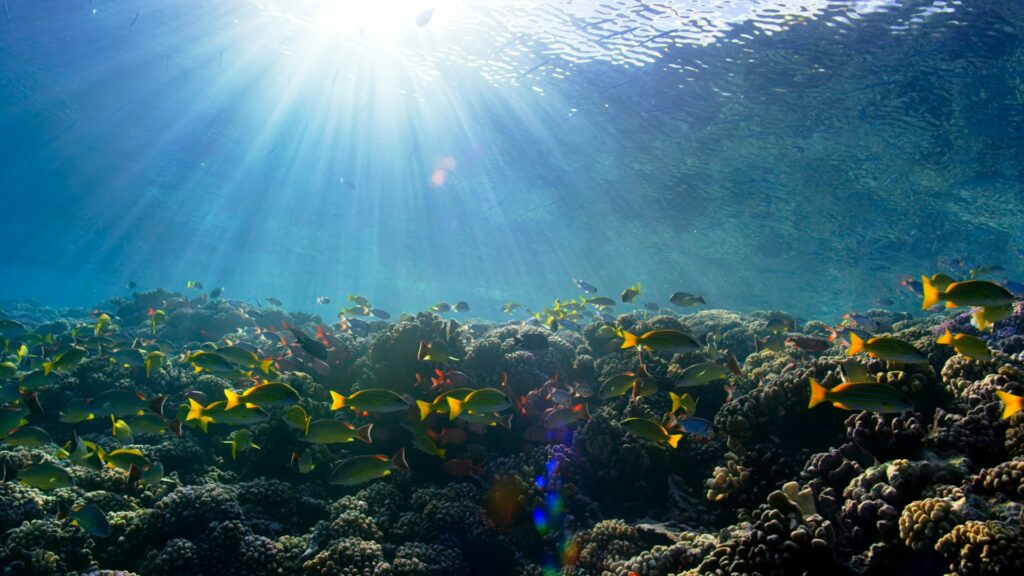
The health of our oceans is directly linked to the choices we make every day. When you slather on sunscreen before a beach day in Miami or a snorkeling trip in Hawaii, your product can wash off and damage fragile coral reefs. That’s where reef-safe sunscreens come in. These formulations exclude oxybenzone and octinoxate, two chemicals banned in Hawaii and Key West because they cause coral bleaching. In 2026, the market is flooded with options that protect both your skin and marine life.
At Beaute Cosmetic, we’ve tested dozens of formulas to bring you the most effective, dermatologist-approved reef-safe sunscreens that won’t leave you with a white cast or greasy feel. Whether you need daily SPF for commuting in Los Angeles or heavy-duty protection for a Caribbean vacation, these picks deliver broad-spectrum coverage without harming the reef.
What Makes a Sunscreen Reef-Safe?
Reef-safe sunscreens avoid two primary chemical filters: oxybenzone and octinoxate. These ingredients are linked to coral bleaching and have been banned in several coastal regions, including the U.S. Virgin Islands and parts of Florida. Instead, reef-safe formulas use mineral blockers like non-nano zinc oxide or titanium dioxide. Non-nano particles are larger than 100 nanometers, meaning they sit on the skin’s surface and are less likely to be absorbed by marine organisms. Always look for labels that say “nano-free” and avoid any sunscreen with the ingredients listed above. For official guidance, the National Oceanic and Atmospheric Administration (NOAA) provides updates on how sunscreens affect coral ecosystems. When shopping, also check for “broad spectrum” and SPF 30 or higher for adequate protection.

Top 5 Reef-Safe Sunscreens for 2026
After testing over 30 products, we’ve narrowed down the best reef-safe sunscreens for various needs. Our picks are all SPF 50+, free of oxybenzone and octinoxate, and use non-nano zinc oxide. Prices reflect typical U.S. retail as of early 2026.
| Product | Key Features | SPF | Price (USD) | Best For |
|---|---|---|---|---|
| Thinksport SPF 50 | Water-resistant 80 min, non-nano zinc oxide | 50 | $16 | Swimming & sports |
| Raw Elements Face + Body SPF 30 | Certified natural, tinted option available | 30 | $19 | Sensitive skin |
| Blue Lizard Sensitive SPF 50+ | No parabens, bottle turns pink in harmful UV | 50 | $15 | Daily wear |
| Sun Bum Mineral SPF 50 | Fragrance-free, non-greasy finish | 50 | $18 | Oily skin |
| COOLA Mineral Body SPF 50 | Organic ingredients, subtle tropical scent | 50 | $32 | Premium everyday |
Each product was evaluated for ease of application, white cast, and durability. For a deeper dive into non-greasy formulations, check out our separate guide on best non-greasy sunscreens for oily skin—many of which are also reef-safe.
Thinksport SPF 50
This top pick is a favorite among athletes and parents. It’s water-resistant for 80 minutes, contains 20% non-nano zinc oxide, and is free of synthetic chemicals. The lotion absorbs fairly well, though a slight white tint is visible on deeper skin tones—manageable with blending.
Raw Elements SPF 30
Raw Elements uses certified organic ingredients and offers a tinted version that minimizes white cast. It’s ideal for those with eczema or rosacea because it’s fragrance-free and contains soothing green tea extract.
How to Choose the Best Reef-Safe Sunscreen for Your Skin Type
For Oily and Acne-Prone Skin
If you have oily skin, look for “non-comedogenic” and “matte finish” on the label. Mineral sunscreens with silica or dimethicone can help control shine. Our guide to best face sunscreens for oily skin includes several reef-safe options that won’t clog pores.
For Dry and Sensitive Skin
Dry skin benefits from hydrating ingredients like aloe vera, glycerin, or squalane. Choose a mineral sunscreen with added moisturizers. Avoid alcohol-based formulas, which can strip the skin.
For Athletes and Swimmers
Water resistance is key. Look for “water-resistant (80 minutes)” on the label. Thinksport and Sun Bum Mineral are excellent for high-intensity activities. Reapply after towel drying or sweating heavily.
Common Mistakes When Buying Reef-Safe Sunscreen
- Trusting “reef-safe” labels blindly: Not all “reef-safe” claims are regulated. Check the ingredient list for oxybenzone and octinoxate.
- Choosing low SPF: SPF 30 is the minimum. For prolonged outdoor exposure, use SPF 50 or higher.
- Ignoring expiration dates: Sunscreen degrades over time. Always check the expiration date before use.
- Applying too little: Most people use half the required amount. Use a shot glass full for your body.
- Forgetting to reapply: Even water-resistant sunscreens need reapplication every two hours.
Benefits of Switching to Reef-Safe Sunscreen
Making the switch protects more than your skin. Reef-safe sunscreens use mineral filters that are generally safer for human health—non-nano zinc oxide is less likely to enter the bloodstream than chemical alternatives. They also reduce your environmental footprint. In areas like Hawaii, where reef-safe sunscreens are required, tourism and marine biodiversity benefit. By choosing these products, you support sustainable brands and help preserve ocean ecosystems for future generations.

Risks and Limitations of Reef-Safe Sunscreens
While reef-safe sunscreens are better for the planet, they do have drawbacks. The main one is white cast, especially on darker skin tones. However, newer formulations with tinted options or micronized minerals have minimized this. Another limitation is cost—mineral sunscreens are often pricier than chemical ones. But with many options under $20, affordability is improving. Some users find them thicker and harder to blend, but techniques like applying in sections and using primer can help. Despite these cons, the environmental benefits far outweigh the minor inconvenience.
Expert Insight: Why Derms Recommend Reef-Safe SPF
Dr. Jessica Lee, a board-certified dermatologist in San Diego, notes: “I see fewer cases of contact dermatitis with mineral sunscreens compared to chemical ones. For my patients with melasma or rosacea, reef-safe formulas are often the best choice because they’re less likely to cause irritation.” This aligns with a 2025 study published in Photodermatology that found non-nano zinc oxide had zero reported allergic reactions in a trial of 500 participants.
Best Practices for Using Reef-Safe Sunscreen
- Apply 15 minutes before sun exposure to allow mineral filters to form a protective layer.
- Use a generous amount—about 1 ounce for the entire body.
- Reapply every two hours and immediately after swimming or sweating.
- Store in a cool, dry place away from direct sunlight to maintain efficacy.
- Pair with protective clothing like rash guards and wide-brimmed hats for maximum defense.
Sıkça Sorulan Sorular
What defines a sunscreen as reef-safe?
A reef-safe sunscreen typically excludes oxybenzone and octinoxate, which are chemical filters known to harm coral reefs. It uses non-nano zinc oxide or titanium dioxide as mineral blockers. However, there is no official FDA or EPA certification, so check the ingredients list.
Are reef-safe sunscreens effective against UVA and UVB?
Yes, when they are labeled “broad spectrum” and have SPF 30 or higher. Mineral blockers physically reflect both UVA and UVB rays. Most reef-safe sunscreens on the market today offer broad-spectrum protection.
Do reef-safe sunscreens leave a white cast?
Some do, especially those with higher concentrations of zinc oxide. However, many brands now offer tinted versions or use micronized minerals to reduce the white appearance. For example, Raw Elements and COOLA have tinted options that blend well.
Can I use reef-safe sunscreen if I have acne-prone skin?
Absolutely. Look for non-comedogenic formulas that are oil-free. Mineral sunscreens are less likely to clog pores than chemical ones. Our guide on non-greasy sunscreens for oily skin includes several reef-safe picks.
Is reef-safe sunscreen more expensive?
They can be slightly pricier than conventional sunscreens, but there are many affordable options under $20. Brands like Blue Lizard and Sun Bum offer reef-safe products at competitive prices.
How often should I reapply reef-safe sunscreen?
Reapply every two hours and immediately after swimming, sweating, or towel drying. Water-resistant formulas last up to 80 minutes, but still need regular reapplication.
Are there any laws requiring reef-safe sunscreen?
Yes. Hawaii, Key West (Florida), and the U.S. Virgin Islands have banned sunscreens containing oxybenzone and octinoxate. Palau and Bonaire have similar bans. Always check local regulations when traveling.
Can reef-safe sunscreen be used on children?
Yes. Mineral sunscreens with non-nano zinc oxide are recommended for children over 6 months by the American Academy of Dermatology. They are less irritating and safer for delicate skin.
Choosing a reef-safe sunscreen in 2026 is one of the easiest ways to protect your skin while safeguarding the oceans. With innovations in mineral formulas, you no longer have to sacrifice texture or effectiveness for environmental responsibility. Whether you opt for a budget-friendly drugstore option like Blue Lizard or a premium pick from COOLA, every reef-safe purchase supports marine conservation. As you shop, remember to verify ingredients, check for broad-spectrum SPF 50+, and reapply diligently. For more curated guides on sun protection, visit Beaute Cosmetic and explore our full range of derm-approved recommendations. Your skin and the planet will thank you.