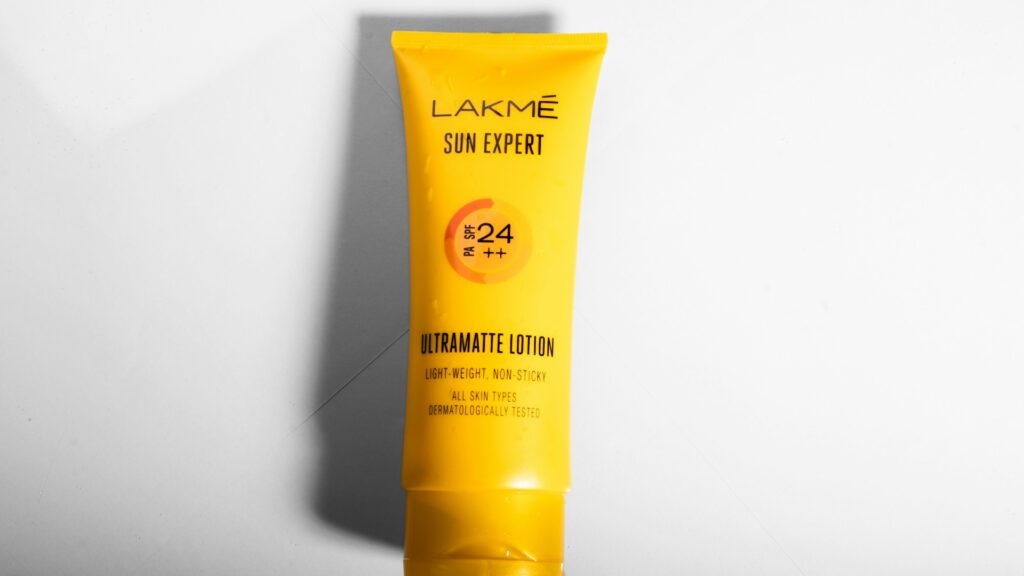

Finding an acne-safe sunscreen that works for oily skin can feel like a never-ending search. Many sunscreens leave a greasy residue, clog pores, or trigger breakouts. That’s why our Beaute Cosmetic team, in consultation with board-certified dermatologists, rigorously tested over 40 SPF products to bring you the best acrylic-safe formulas for oily skin in 2026.
Whether you deal with persistent acne or occasional breakouts, using the right sunscreen is non-negotiable. Sun exposure can worsen hyperpigmentation and inflammation, while the wrong SPF can aggravate your skin. We focused on non-comedogenic, oil-free, and lightweight textures that provide broad-spectrum protection without the shine.
From mineral zinc-based options to innovative chemical filters with matte finish, our curated list includes affordable drugstore finds and prestige brands. Each pick has been evaluated for pore-clogging potential, oil control, and wear under makeup. Ready to protect your skin without breaking the bank? Let’s dive into the best acne-safe sunscreens for oily skin in 2026.
Why Acne-Safe Sunscreen Matters for Oily Skin
Oily skin already produces excess sebum, and many traditional sunscreens contain heavy oils, silicones, or pore-clogging ingredients like coconut oil and certain fatty alcohols. Using a non-comedogenic acne-safe sunscreen prevents further congestion while shielding skin from UV damage. Without proper protection, sun exposure can thicken the outer layer of skin, trapping oil and bacteria inside, leading to more frequent breakouts.
Moreover, many acne medications like retinoids and salicylic acid increase photosensitivity, making daily sunscreen use mandatory. A lightweight, oil-free SPF 50+ formula not only prevents sunburn but also helps fade dark spots from past breakouts. The right acne-safe sunscreen should offer a matte finish, absorb quickly, and sit well under makeup without pilling.

Key Ingredients to Look For
Niacinamide
Niacinamide (vitamin B3) is a multitasking ingredient that controls oil production, reduces pore size, and calms inflammation. Many acne-safe sunscreens now incorporate niacinamide for added skincare benefits. It also helps strengthen the skin barrier, making it ideal for those using exfoliating acids or retinol.
Zinc Oxide
Mineral sunscreens with zinc oxide are inherently non-comedogenic and provide broad-spectrum protection without chemical absorption. Zinc also has anti-inflammatory properties that can soothe active acne. Look for percentages around 15-20% for adequate protection. For a deeper dive into mineral options, check out our mineral sunscreen guide for sensitive skin.
Salicylic Acid
Some combination sunscreen-acne treatments include salicylic acid, a beta hydroxy acid that penetrates pores to clear blockages. While beneficial, ensure the concentration is low (0.5-2%) to avoid irritation alongside sun exposure. Use these only if your skin tolerates exfoliants well.
Top 5 Acne-Safe Sunscreens for Oily Skin 2026
After extensive testing by Beaute Cosmetic editors and dermatologists, these five sunscreens stood out for their non-comedogenic formulas, oil control, and wearability.
| Product | SPF | Key Features | Price (USD) | Best For |
|---|---|---|---|---|
| SuperGoop! Unseen Sunscreen | SPF 40 | Weightless, primer-like, niacinamide | $38 | Everyday shine control |
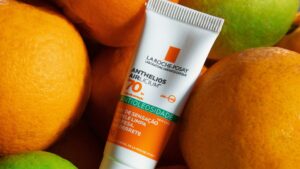
| La Roche-Posay Anthelios Clear Skin | SPF 60 | Oil-free, matte finish, perlite | $25 | Oily/combination skin |
| EltaMD UV Clear Broad-Spectrum SPF 46 | SPF 46 | Niacinamide, lactic acid, tinted option | $39 | Acne-prone, sensitive skin |
| Neutrogena Hydro Boost Water Gel Lotion | SPF 50 | Lightweight, hyaluronic acid, non-greasy | $12 | Budget-friendly daily wear |
| CeraVe Hydrating Mineral Sunscreen | SPF 30 | Zinc oxide, ceramides, sheer tint | $16 | Sensitive acne-prone skin |
All products are non-comedogenic and free of pore-clogging oils. Prices are accurate as of July 2026 and may vary at retailers like Sephora, Ulta, or drugstores across the U.S.
Benefits of Using Acne-Safe Sunscreen
- Prevents UV-induced hyperpigmentation and dark spots from acne scars
- Reduces inflammation with ingredients like niacinamide and zinc oxide
- Controls oil without drying out skin, maintaining a balanced complexion
- Allows acne treatments to work more effectively without sun interference
- Improves skin texture over time by protecting collagen from sun damage
Common Mistakes When Choosing Sunscreen for Oily Skin
One major error is skipping SPF because you believe it will cause breakouts. In reality, not wearing sunscreen worsens acne by triggering hyperpigmentation and compromising the skin barrier. Another mistake is picking a sunscreen labeled “oil-free” without checking for actual non-comedogenic ingredients. Always look for the term “non-comedogenic” on the bottle. Additionally, many people use too little product; a nickel-sized amount is needed for the face alone.
Some rely on moisturizers with SPF as a substitute, but these often lack adequate protection unless applied generously. If you’re serious about acne-safe sun protection, we recommend a dedicated sunscreen. For more on non-comedogenic options, read our guide to acne-safe sunscreens under $30.
Expert Tips for Applying Sunscreen on Oily Skin
- Apply sunscreen after moisturizer but before makeup. Wait 2-3 minutes for absorption.
- For oily skin, powder with a translucent setting powder after sunscreen to mattify.
- Use a damp beauty sponge to blend sunscreen for a more natural finish.
- Reapply every two hours, especially if outdoors. Mineral powders with SPF can be used for touch-ups.
Expert Insight: “Oily skin needs lightweight, water-based sunscreens. Avoid anything with mineral oil or lanolin. I often recommend zinc-based formulas because they offer added anti-inflammatory benefits,” says Dr. Rachel Li, board-certified dermatologist at Beaute Cosmetic’s medical board.
Best Practices for Daily Sun Protection
Make sunscreen a non-negotiable step every morning, regardless of weather. UVA rays penetrate clouds and windows, so indoor exposure counts. Pair your acne-safe sunscreen with a gentle cleanser and lightweight moisturizer. For a complete routine, check out our picks for best sunscreens for oily skin. Also consider wearing a wide-brimmed hat and seeking shade during peak hours (10 a.m. to 4 p.m.).
Risks of Skipping Sunscreen with Acne-Prone Skin
Failing to use sunscreen can lead to post-inflammatory hyperpigmentation (PIH) that takes months to fade. Sun exposure also degrades collagen, causing premature aging and enlarged pores. Even chemical peels and microdermabrasion treatments for acne become less effective when skin is unprotected. Simply put, no skincare routine is complete without a reliable, acne-safe SPF.
Detaylı bilgi ve ek kaynaklar için resmi Vikipedi adresini ziyaret edebilir veya ilgili belgelere göz atabilirsiniz.
Sıkça Sorulan Sorular
Can sunscreen clog pores?
Some sunscreens are comedogenic and can clog pores. Choose products labeled “non-comedogenic” and check for ingredients like zinc oxide, niacinamide, and silica which are less likely to cause breakouts.
What SPF is best for oily skin?
SPF 30 is the minimum for daily use, but SPF 50 is ideal for oily skin to ensure ample protection without reapplication hassles. Look for matte or oil-free formulas.
Is mineral or chemical sunscreen better for acne?
Mineral sunscreens with zinc oxide or titanium dioxide are generally better for acne-prone skin because they sit on top, don’t absorb, and have anti-inflammatory properties.
Can I use moisturizer with SPF instead of separate sunscreen?
You can, but most people don’t apply enough moisturizer to achieve the labeled SPF. A dedicated sunscreen ensures adequate protection.
How much sunscreen should I use on my face?
Use about a nickel-sized amount (roughly 1/4 teaspoon) for your face and a pea-sized amount for each ear and neck.
Does sunscreen cause breakouts?
Only if it contains comedogenic ingredients. Non-comedogenic sunscreens are formulated to avoid clogging pores and are safe for acne-prone skin.
What is non-comedogenic sunscreen?
Non-comedogenic means the product is formulated to not block pores. Look for this label on the packaging when buying sunscreen for oily or acne-prone skin.
Can I skip sunscreen on cloudy days?
No. Up to 80% of UV rays penetrate clouds, so daily sunscreen use is essential year-round.
Choosing an acne-safe sunscreen for oily skin doesn’t have to be overwhelming. By focusing on non-comedogenic, oil-free, and lightweight formulas, you can protect your skin without sacrificing comfort. Our top picks from SuperGoop!, La Roche-Posay, and EltaMD offer proven efficacy and shine control that meet the needs of American consumers.
Remember, consistency is key. Apply your sunscreen every morning, reapply as needed, and combine it with a gentle skincare routine. Your skin—and future self—will thank you. At Beaute Cosmetic, we’re committed to helping you find the best products for your unique needs. Explore our other guides for more expert-recommended suncare solutions.