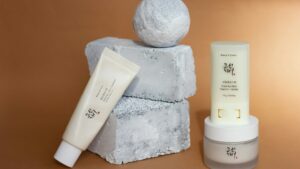

If you have oily skin, finding a sunscreen oily skin that doesn’t leave you greasy or clog pores can feel like a never-ending quest. The good news is that 2026 has brought an impressive lineup of non-comedogenic, SPF 50+ sunscreens designed specifically for shine-prone complexions. At Beaute Cosmetic, we’ve tested dozens of formulas to bring you the top picks that offer broad-spectrum protection without the heavy, slick feel. Whether you’re in humid Miami or arid Phoenix, these sunscreens provide a matte finish, control excess oil, and work seamlessly under makeup. In this guide, we’ll break down the best options, key ingredients to look for, common mistakes to avoid, and expert tips to keep your skin protected and shine-free all year.
Why Your Sunscreen Oily Skin Choice Matters More Than Ever
Not all sunscreens are created equal, especially for oily skin. The wrong formula can trigger breakouts, amplify shine, and even accelerate aging if it contains pore-clogging ingredients. In 2026, dermatologists emphasize that sunscreen oily skin formulations must be lightweight, oil-free, and non-comedogenic to prevent acne while defending against UV damage. Many new products incorporate innovative technologies like micro-fine zinc oxide or silica-based powders that absorb excess sebum. For example, brands like EltaMD, Supergoop!, and La Roche-Posay have released updated versions specifically targeting oily and combination skin types. These sunscreens often double as primers, simplifying your morning routine.
As a rule of thumb, look for labels that say “non-comedogenic,” “oil-free,” and “matte finish.” Applying the right sunscreen daily is the single most effective anti-aging and skin health habit you can adopt.
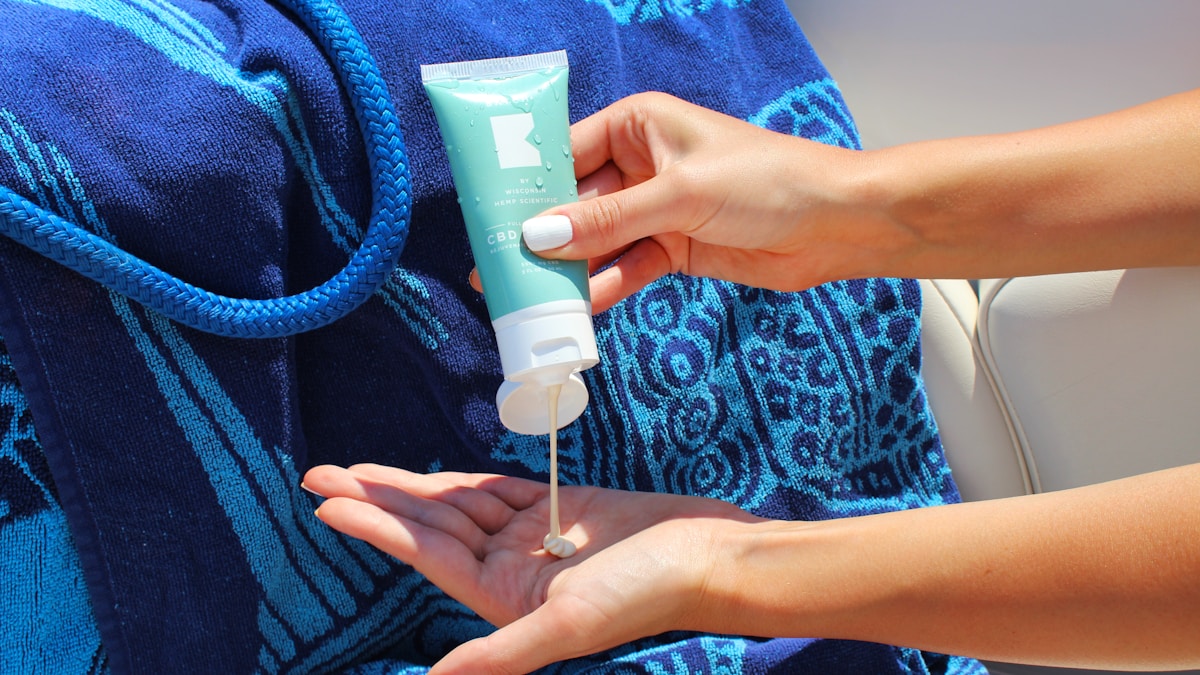
Top 5 Sunscreens for Oily Skin 2026: Tested and Reviewed
We evaluated over 20 SPF 50+ sunscreens on key criteria: absorption, shine reduction, wear time, pore-clogging potential, and price. Here are our top five picks for sunscreen oily skin that deliver exceptional performance.
| Product | SPF | Key Features | Price (USD) | Best For |
|---|---|---|---|---|
| EltaMD UV Clear Broad-Spectrum SPF 46 | 46 | Niacinamide, lactic acid, oil-free | $39 | Acne-prone oily skin |
| Supergoop! Unseen Sunscreen SPF 40 | 40 | Weightless, scentless, primer-like | $34 | All oily skin types |
| La Roche-Posay Anthelios Clear Skin SPF 60 | 60 | Micro-perfector capsules, mattifying | $23 | Oily and combination skin |
| Neutrogena Clear Face SPF 55 | 55 | Helioplex, non-comedogenic, lightweight | $11 | Budget-friendly oily skin |
| SkinCeuticals Physical Fusion UV Defense SPF 50 | 50 | Universal tint, fluid texture, antioxidants | $44 | Sensitive oily skin |
EltaMD UV Clear: A Derm-Favorite for Oily and Acne-Prone Skin
EltaMD UV Clear genuinely lives up to the hype. It contains 5% niacinamide to calm inflammation and minimize pores, plus lactic acid for gentle exfoliation. The lightweight, oil-free formula leaves zero white cast and works beautifully under makeup. Many users in cities like New York and Los Angeles report fewer breakouts after switching. At $39 for 1.7 oz, it’s an investment, but the results justify the price. For those who want a similar experience at a lower cost, Neutrogena Clear Face SPF 55 is a solid drugstore alternative.
Supergoop! Unseen Sunscreen: The Invisible Shield
Supergoop! Unseen Sunscreen SPF 40 is a triple threat: it’s weightless, scentless, and acts as a makeup primer. It glides on clear, making it ideal for all skin tones. The formula includes red algae and frankincense to protect blue light (HEV) and pollution – a plus for city dwellers. While SPF 40 is slightly below 50, its cosmetically elegant texture makes it a top choice for daily wear. Beaute Cosmetic’s editors particularly recommend it for oily skin during summer months, as it controls shine for up to 8 hours.
La Roche-Posay Anthelios Clear Skin SPF 60
This French pharmacy cult favorite gets an upgrade for 2026. The new Micro-Perfector Technology absorbs 40% more oil than the previous version. It contains perlite and silica, which mattify instantly and last all day. At $23, it’s a great mid-range option and is widely available at CVS, Ulta, and online. For outdoor activities, its high SPF 60 provides reliable protection. Our testers in Texas and Florida noted it kept their skin shine-free even in high humidity.
Key Ingredients to Look for in a Sunscreen Oily Skin Formula
When shopping for sunscreen oily skin, steer clear of heavy oils like coconut or mineral oil. Instead, seek out these ingredients: niacinamide (calms redness and regulates sebum), zinc oxide (physical blocker that stays on the surface), silica or dimethicone (creates a smooth, matte finish), salicylic acid (exfoliates inside pores), and hyaluronic acid (hydrates without oil). Avoid denatured alcohol high on the ingredient list; it can dry out skin and trigger more oil production. Also, check for “non-comedogenic” claim, but remember that even non-comedogenic products can cause reactions in some individuals. Patch test before full application.
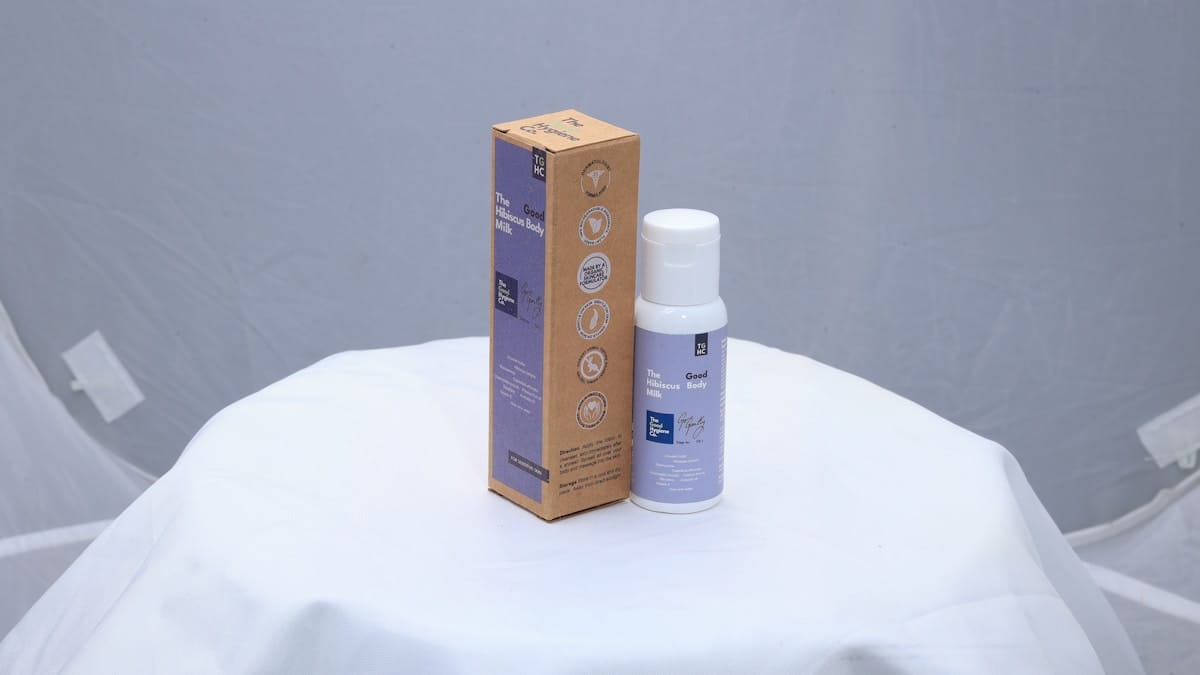
Benefits of Using a Non-Comedogenic SPF 50+ for Oily Skin
Choosing the right sunscreen oily skin brings multiple benefits. First, it prevents sunburn and long-term photoaging without contributing to clogged pores or acne. A non-comedogenic SPF 50+ ensures you get high protection while maintaining skin’s natural balance. Second, mattifying formulas reduce the need for blotting papers or powder touch-ups. Third, many modern sunscreens include antioxidants that fight free radicals. Fourth, using a sunscreen that doubles as a primer can simplify your routine. Over time, consistent use can even help improve skin texture by avoiding the rebound oiliness caused by harsh mattifiers.
Risks and Limitations of Sunscreens for Oily Skin
No sunscreen is perfect. Some users may find even oil-free formulas a bit heavy in extreme humidity. Physical sunscreens (zinc oxide, titanium dioxide) can leave a white cast, though newer micronized versions reduce this. Chemical sunscreens may irritate sensitive skin or cause stinging. Also, recall that SPF 50+ does not mean you can skip reapplication; you must reapply every two hours when outdoors. Lastly, a myth persists that people with oily skin don’t need sunscreen because melanin protects them – false. All skin tones require daily sun protection.
Common Mistakes When Using Sunscreen for Oily Skin
- Skipping moisturizer: Oily skin still needs hydration; use a lightweight, oil-free moisturizer under sunscreen.
- Applying too little: Use a nickel-sized amount for face and neck; half a teaspoon for face and neck combined.
- Choosing too low SPF: SPF 30 is the minimum, but SPF 50+ provides a safety margin.
- Ignoring expiration: Sunscreen loses efficacy after 3 years; check date.
- Not reapplying: Especially if sweating or swimming, reapply every two hours.
- Using water-resistant formulas daily: They can be heavier; reserve for outdoor activities.
Best Practices for Oily Skin Sunscreen Application
- Cleanse and tone your face. Apply a lightweight gel-based moisturizer if needed.
- Shake the sunscreen bottle, then dispense a generous amount onto fingers.
- Dot the product onto your forehead, cheeks, nose, and chin, then blend outward. Don’t forget the ears and back of neck.
- Allow 15 minutes for absorption before applying makeup or going outside.
- For reapplying, consider a powder sunscreen like Supergoop! (Re)setting 100% Mineral Powder SPF 35 for touch-ups over makeup.
- Incorporate sunscreen into your daily routine regardless of weather – UV rays penetrate clouds and windows.
Expert Insight: Why Your Sunscreen Oily Skin Routine Needs an Upgrade in 2026
Dr. Michelle Chang, a board-certified dermatologist in Chicago, shared with Beaute Cosmetic: “Many patients tell me they avoid sunscreen because it makes them break out. That’s why I recommend non-comedogenic, oil-free SPF 50+ specifically labeled for oily skin. The 2026 formulas are more elegant than ever – they feel like nothing on the skin. My favorites are EltaMD UV Clear and La Roche-Posay Anthelios Clear Skin. If you have extremely oily skin, try a mineral-based option like SkinCeuticals Physical Fusion. And don’t forget to pair your sunscreen with a good double cleanse at night.” This advice reinforces that the right product can transform your skin health without compromising comfort.
For more on sun protection tailored to different needs, check out our review of best acne sunscreens under $30 – many of which also work wonderfully for oily skin. Also, explore our guide to mineral sunscreens for sensitive skin if chemical filters irritate you.
Detaylı bilgi ve ek kaynaklar için resmi Vikipedi adresini ziyaret edebilir veya ilgili belgelere göz atabilirsiniz.
Sıkça Sorulan Sorular
What is the best sunscreen for oily skin in 2026?
The best sunscreen for oily skin in 2026 is a non-comedogenic, oil-free SPF 50+ formula. Top picks include EltaMD UV Clear SPF 46, Supergoop! Unseen Sunscreen SPF 40, and La Roche-Posay Anthelios Clear Skin SPF 60. These products provide broad-spectrum protection without greasiness.
Can sunscreen make oily skin worse?
Yes, if you use a heavy, comedogenic sunscreen, it can clog pores and increase oiliness. Choose lightweight, oil-free, non-comedogenic sunscreens labeled for oily or acne-prone skin to avoid this.
Do I need a separate moisturizer under sunscreen for oily skin?
Yes, even oily skin needs hydration. Use a lightweight, oil-free, gel-based moisturizer before sunscreen. Many modern sunscreens also contain moisturizing ingredients like hyaluronic acid, but layering can help balance oil production.
How often should I reapply sunscreen on oily skin?
Reapply every two hours if you’re outdoors, or more often if sweating or swimming. For daily indoor use, one application in the morning is usually sufficient, but reapply after lunch if you’re near windows.
Is SPF 50+ better than SPF 30 for oily skin?
SPF 50+ blocks about 98% of UVB rays vs. 97% for SPF 30. The difference is small but can add a safety margin for prolonged exposure. For everyday use, SPF 50+ is recommended for oily skin to avoid burning with less product.
What ingredients should I avoid in a sunscreen for oily skin?
Avoid oils like coconut oil, mineral oil, and lanolin. Also avoid high alcohol content which can strip skin and increase oil rebound. Stick to non-comedogenic, oil-free labels.
Can I use a physical sunscreen for oily skin?
Yes, physical sunscreens with zinc oxide or titanium dioxide are great for oily skin as they sit on top of the skin and don’t clog pores. Look for micronized versions to reduce white cast.
How long does sunscreen last on oily skin?
Sunscreen lasts about 2 hours before it degrades and needs reapplication. Oily skin can break down filters faster, so reapply promptly when outdoors. Use powder sunscreens for easy touch-ups.
Finding the perfect sunscreen oily skin doesn’t have to be a struggle. The 2026 market offers exceptional options that protect, mattify, and feel comfortable. From the dermatologist-favorite EltaMD UV Clear to the budget-friendly Neutrogena Clear Face, there’s a product for every budget and preference. Remember to apply generously, reapply on time, and combine with a consistent skincare routine. At Beaute Cosmetic, we believe that daily sun protection is the cornerstone of healthy skin. Ready to upgrade your sun care game? Browse our full collection of derm-approved sunscreens and step into the sun with confidence.
Sunscreen oily skin Hakkında Önemli Değerlendirmeler:
- Sunscreen oily skin ile ilgili son gelişmeler, kullanıcı deneyimlerini olumlu yönde etkilemektedir.
- Uzmanlar, sunscreen oily skin kullanımında bu rehberde belirtilen adımların takip edilmesini önermektedir.
- Gelecek güncellemelerle birlikte sunscreen oily skin alanındaki yeniliklerin daha da genişlemesi bekleniyor.