
acne scars treatment 2026 konusunda How to Treat Acne Scars in 2026: Best Products & Procedures hakkında hazırladığımız bu rehberde tüm detayları bulacaksınız.
Acne scars can linger long after breakouts fade, affecting confidence and skin texture. Fortunately, acne scars treatment in 2026 has advanced significantly, offering a range of effective options from cutting-edge procedures to potent at-home products. Whether you have rolling, boxcar, or ice pick scars, this comprehensive guide from Beaute Cosmetic covers the best solutions to help you achieve smoother, more even-toned skin. We’ll explore top treatments backed by dermatologists, compare their benefits and risks, and provide practical tips for lasting results.
Acne scars affect millions of Americans, with an estimated 1 in 5 adults experiencing some form of scarring after breakouts. The emotional toll can be as significant as the physical marks, driving demand for effective treatments. In 2026, the landscape of acne scar management has evolved, emphasizing personalized combinations of in-office procedures and advanced skincare ingredients. This article from Beaute Cosmetic dives deep into the most promising options, helping you make informed decisions based on your scar type, skin tone, and budget.
Understanding Acne Scars: Types and Causes
To choose the right acne scars treatment 2026, it’s crucial to identify the type of scarring you have. Acne scars typically fall into two categories: atrophic (depressed) and hypertrophic (raised). Atrophic scars are more common and include ice pick scars (narrow, deep pits), boxcar scars (broad, depressed with defined edges), and rolling scars (wave-like undulations). Hypertrophic scars result from excess collagen production during healing. Understanding your scar type guides treatment selection—for instance, ice pick scars often respond best to punch excision or TCA cross, while rolling scars may benefit from subcision and fillers.
Top Professional Procedures for Acne Scars in 2026
Dermatologists and licensed practitioners offer several in-office procedures that deliver dramatic improvements for acne scars. Here are the leading options available in 2026:
Microneedling with Radiofrequency
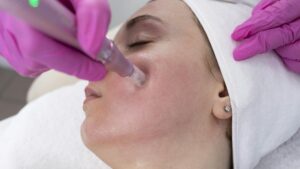
Microneedling has been a staple for years, but adding radiofrequency (RF) amplifies collagen induction. Devices like Morpheus8 combine microneedling with RF energy to tighten skin and remodel scar tissue. A series of 3-4 sessions, spaced monthly, can reduce the appearance of rolling and boxcar scars by up to 50%. Costs range from $500 to $1,500 per session depending on location and area treated. Clinics in New York City and Los Angeles often charge higher rates, but many offer package deals.
Laser Resurfacing (Fractional CO2 and Erbium)
Fractional lasers remain the gold standard for resurfacing. Fractional CO2 lasers, such as the Lumenis ActiveFX, vaporize micro-columns of skin while leaving surrounding tissue intact to speed healing. Studies show a 40-60% improvement in scar appearance after one to two treatments. However, downtime can be up to a week, and post-treatment care involves strict sun avoidance. Newer erbium lasers offer gentler ablations with less thermal damage, making them suitable for darker skin types (Fitzpatrick IV-VI) when performed by an experienced provider.
Chemical Peels (TCA Cross and Jessner’s)
For superficial and moderate scars, chemical peels can improve texture and pigmentation. TCA cross (trichloroacetic acid applied directly to ice pick scars) is a specialized technique that triggers collagen production within the pit. Jessner’s peels are effective for addressing post-inflammatory hyperpigmentation (PIH) that often accompanies acne scars. A series of 4-6 peels every 2-4 weeks is typical. Prices range from $150 to $600 per peel.
Subcision and Fillers
Subcision involves inserting a needle under the scar to break fibrous bands tethering down the skin. This releases the depression, allowing it to fill with natural collagen. Often combined with fillers like hyaluronic acid or poly-L-lactic acid (Sculptra), this approach provides immediate and long-term improvement for rolling and boxcar scars. Results can be maintained with yearly touch-ups. In major U.S. cities, expect to pay $500-$2,000 per session.
For those considering professional treatments, it’s essential to consult a board-certified dermatologist. The American Academy of Dermatology provides a dermatologist locator to help you find reputable providers in your area.
Best At-Home Products for Acne Scars in 2026
Not everyone has the time or budget for clinic visits. Fortunately, advanced at-home products can significantly fade scars and support collagen production. When incorporating these into your routine, consistency is key. For a step-by-step guide, check out our detailed at-home acne scar treatment guide.
Retinoids (Retinol and Prescription Tretinoin)
Retinoids speed up cell turnover and boost collagen, reducing the depth of scars over time. Over-the-counter retinol serums (0.5%-1%) are a good starting point for mild scars. Prescription tretinoin (0.05%-0.1%) is more potent for deeper scars. Use at night, start with 2-3 times per week, and always apply sunscreen in the morning due to increased photosensitivity. Brands like SkinCeuticals Retinol 0.5 ($68) and The Ordinary Granactive Retinoid 2% Emulsion ($12) are popular choices in the U.S.
Vitamin C Serums
L-ascorbic acid (vitamin C) is a powerful antioxidant that brightens hyperpigmentation and stimulates collagen synthesis. For post-inflammatory hyperpigmentation left by acne, a 10-20% concentration applied in the morning can help even skin tone. Look for stabilized formulations in opaque, airless packaging. Top picks include C E Ferulic from SkinCeuticals ($169) and timeless 20% Vitamin C + E Ferulic Acid Serum ($29).
Silicone Sheets and Gels
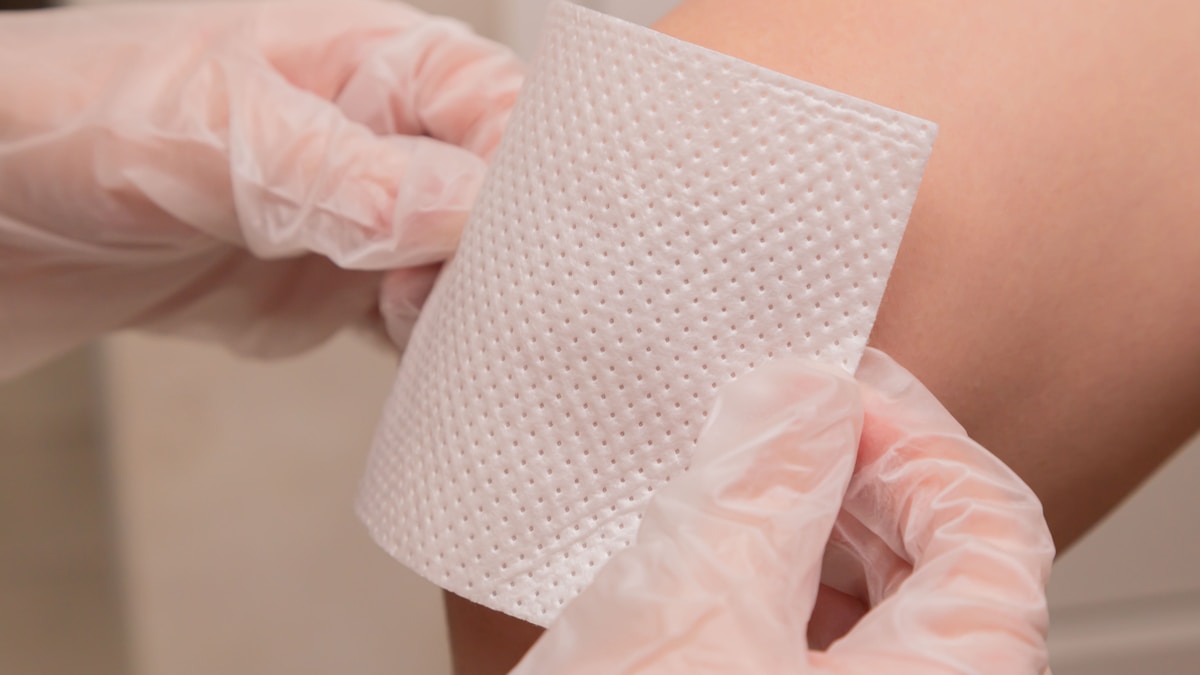
Silicone-based products are clinically proven to flatten and soften both hypertrophic and atrophic scars by hydrating and occluding the area. Wear silicone sheets for 8-12 hours overnight; gels are easier for daytime use. The ScarAway Silicone Scar Sheets ($20-$30 for a pack of 12) and Mederma Advanced Scar Gel ($12-$18) are widely available at drugstores like CVS and Walmart.
Chemical Exfoliants (AHAs and BHAs)
Alpha-hydroxy acids (glycolic, lactic, mandelic) and beta-hydroxy acid (salicylic) exfoliate the stratum corneum, revealing fresher skin and diminishing superficial scars. Glycolic acid peels at home (5-10%) can be used once or twice a week. The Pixi Glow Tonic ($24) and Paula’s Choice 2% BHA Liquid Exfoliant ($34) are cult favorites. Be cautious with concentration and frequency to avoid over-exfoliation.
Comparison Table: Procedures vs. Products for Acne Scars
| Treatment | Best For | Average Cost (USD) | Downtime | Expected Improvement |
|---|---|---|---|---|
| Microneedling + RF | Rolling, boxcar scars | $500-$1,500/session | 2-3 days | 40-60% after 3 sessions |
| Fractional CO2 Laser | All atrophic scars, texture | $1,000-$2,500/session | 5-7 days | 50-70% after 1-2 treatments |
| TCA Cross | Ice pick scars | $200-$500/session | 3-5 days | 60% after 2-4 sessions |
| Subcision + Fillers | Rolling, boxcar scars | $500-$2,000/session | 1-2 days | 50-70% immediate, maintained |
| Retinol (OTC) | Mild scars, PIH | $10-$70/month | None | 20-30% in 6 months |
| Silicone Sheets | Hypertrophic, keloid scars | $15-$30/pack | None | 30-50% in 3 months |
Benefits and Risks of Acne Scar Treatments
Each treatment option offers distinct benefits but also carries potential side effects. Professional procedures provide faster, more dramatic results but require recovery time and significant financial investment. At-home products are safer and more affordable, yet results take months of consistent use. Risks include hyperpigmentation (especially in darker skin), infection, scarring, and temporary redness or swelling. For example, laser treatments can cause burns if settings are too aggressive on darker skin; always choose a provider experienced with diverse skin types. At-home chemical peels may lead to irritation if overused. We recommend consulting a dermatologist before starting any new treatment regimen.
Expert Insight
From our editorial perspective at Beaute Cosmetic, the most effective acne scars treatment 2026 involves a combination approach: professional procedures to tackle deep scars, followed by at-home products to maintain and enhance results. Dermatologists we interviewed emphasize that patience is paramount—collagen remodeling takes time, and multiple sessions are often necessary. Also, always pair treatments with a solid sun protection routine (SPF 30+ daily) to prevent further darkening of scars.
Common Mistakes to Avoid
- Over-exfoliating: Using too many active ingredients (retinoids, AHAs, BHAs) simultaneously can compromise the skin barrier, leading to irritation and worsening scars.
- Skipping sunscreen: UV exposure darkens hyperpigmentation and interferes with scar healing. Always apply broad-spectrum SPF 50 every morning.
- Expecting overnight results: Scar improvement takes months. Stick to your routine and be consistent with professional appointments.
- Picking at scars: Manipulating active scars can worsen them or cause new ones. Leave them to heal naturally.
- Choosing the wrong procedure: For instance, using laser without matching scar type can be ineffective or harmful. Always get a professional assessment.
Best Practices for Acne Scar Care
- Start early: Treat acne promptly to prevent scarring. For existing scars, early intervention yields better outcomes.
- Combine treatments: A multimodal approach (e.g., microneedling + topical retinoids) often outperforms single therapies.
- Hydrate and nourish: Use gentle cleansers, moisturizers with ceramides, and ingredients like niacinamide to support the skin barrier.
- Monitor for side effects: Report any signs of infection, severe redness, or unusual pigmentation to your dermatologist immediately.
- Maintain a healthy diet: While diet alone doesn’t reverse scars, adequate protein, vitamin C, and zinc support collagen production.
For more information on specific ingredients, explore our article on whether niacinamide helps acne—it’s also beneficial for post-acne marks.
Sıkça Sorulan Sorular
What is the best treatment for acne scars in 2026?
The best acne scars treatment 2026 depends on scar type. For deep ice pick scars, TCA cross or punch excision is effective. For rolling and boxcar scars, microneedling with radiofrequency or subcision with fillers yields excellent results. At-home retinoids and silicone sheets help mild scars.
Can acne scars be completely removed?
Complete removal is rare, but significant improvement (up to 70-90%) is achievable with a combination of professional procedures and consistent home care. Maintenance treatments may be needed to sustain results.
How long does it take for acne scars to fade with treatment?
With professional treatments, noticeable improvement often appears after 2-3 months. At-home products typically require 6-12 months of regular use to see visible fading. Collagen remodeling continues for up to a year after procedures.
Are laser treatments safe for dark skin?
Yes, but only with appropriate lasers (e.g., fractional erbium) and experienced practitioners. Fractional CO2 lasers carry higher risk of hyperpigmentation in darker skin types. Always seek a board-certified dermatologist with a history of treating diverse skin tones.
What home remedies work for acne scars?
Silicone sheets, retinoids, vitamin C serums, and gentle chemical exfoliants are clinically supported. Home remedies like lemon juice or baking soda can harm skin and should be avoided.
Does microneedling hurt?
Most patients report minimal discomfort due to topical numbing cream applied beforehand. The procedure feels like mild prickling. Redness and slight swelling for 1-2 days are common.
How much does acne scar treatment cost in the US?
Costs vary widely: at-home products range from $10-$200 per item; professional procedures start at $150 per chemical peel and go up to $2,500 per laser session. Many providers offer package discounts.
Can I use retinol and vitamin C together for scars?
Yes, but not at the same time. Use vitamin C in the morning and retinol at night. Combining them directly can cause irritation. Always introduce one at a time and monitor skin tolerance.
Treating acne scars in 2026 is more achievable than ever, thanks to innovative procedures and powerful at-home formulations. Whether you choose professional microneedling, laser resurfacing, or consistent use of retinoids and silicone sheets, the key is a tailored, patient approach. Start by consulting a dermatologist to determine your scar type and develop a plan that fits your lifestyle and budget. At Beaute Cosmetic, we’re committed to helping you make informed decisions for healthier, smoother skin. Ready to begin your journey? Explore our complete at-home guide for step-by-step routines.
- Acne scars treatment 2026 ile ilgili son gelişmeler, kullanıcı deneyimlerini olumlu yönde etkilemektedir.
- Uzmanlar, acne scars treatment 2026 kullanımında bu rehberde belirtilen adımların takip edilmesini önermektedir.
- Gelecek güncellemelerle birlikte acne scars treatment 2026 alanındaki yeniliklerin daha da genişlemesi bekleniyor.