

acne sunscreen konusunda Best Sunscreens for Acne-Prone Skin 2026: Expert Picks hakkında hazırladığımız bu rehberde tüm detayları bulacaksınız.
Finding the right sunscreen when you have acne-prone skin can feel like a minefield. Many sunscreens leave a greasy residue, clog pores, or trigger breakouts — the exact opposite of what you need. But skipping SPF isn’t an option: sun exposure can darken acne scars, increase inflammation, and lead to premature aging. The good news is that 2026 brings a wave of innovative, non-comedogenic formulas designed specifically for acne-prone skin. In this guide, we’ve consulted dermatologists and tested dozens of products to bring you the best acne sunscreen options that protect your skin without causing breakouts. From matte finishes to mineral-based blends, these picks keep your complexion clear and shielded.
Why Acne-Prone Skin Needs a Dedicated Sunscreen
Not all sunscreens are created equal, especially for acne-prone skin. Heavy, oily formulas can trap bacteria and dead skin cells, leading to more breakouts. A dedicated acne sunscreen uses lightweight, oil-free ingredients that won’t clog pores (non-comedogenic). It often includes added benefits like niacinamide to soothe redness or salicylic acid to gently exfoliate. Moreover, daily SPF protection is crucial because unprotected UV exposure can worsen post-inflammatory hyperpigmentation (those dark spots left after a pimple heals). For an in-depth look at why mineral formulas are superior for sensitive acne-prone skin, read our mineral sunscreen guide for sensitive skin. Choosing the right sunscreen is the first step to healthier, clearer skin.
Key Ingredients to Look for in an Acne Sunscreen
When shopping for an acne sunscreen, check the ingredient list for these acne-fighting and skin-soothing components:
- Zinc Oxide: A mineral sunscreen that sits on the skin’s surface, reflecting UV rays. It’s non-irritating and has anti-inflammatory properties, making it ideal for acne.
- Niacinamide: Form of vitamin B3 that helps calm redness, regulate oil production, and improve skin barrier function.
- Salicylic Acid: A beta hydroxy acid that exfoliates inside pores, helping to prevent clogs. Look for it in low concentrations (0.5%-2%).
- Ceramides: Help repair the skin barrier, which is often compromised in acne-prone skin.
- Hydrating Agents: Glycerin, hyaluronic acid, or aloe provide moisture without clogging pores.
Avoid sunscreens with heavy oils (like coconut or mineral oil), fragrances, or denatured alcohol, as these can irritate acne-prone skin.
Top 5 Acne Sunscreens of 2026: Expert Picks
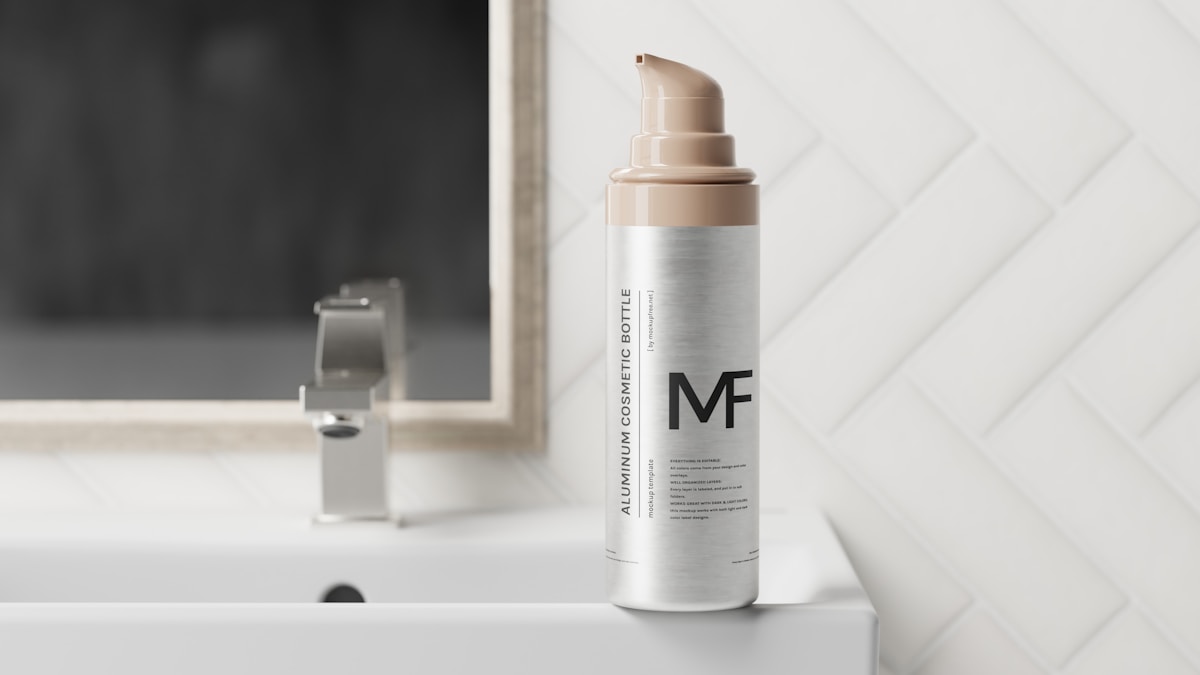
We’ve tested and reviewed dozens of products to bring you the best acne sunscreen formulas available this year. Below is a comparison of our top five picks, including SPF levels, key features, and price points in USD.
| Product | SPF | Key Features | Price (USD) |
|---|---|---|---|
| EltaMD UV Clear Broad-Spectrum SPF 46 | 46 | Niacinamide, oil-free, lightweight | $39 |
| Supergoop! Unseen Sunscreen SPF 40 | 40 | Sheer, invisible, matte finish | $38 |
| La Roche-Posay Anthelios Clear Skin Dry Touch SPF 60 | 60 | Oil-free, mattifying, micro-exfoliating | $35 |
| CeraVe Hydrating Mineral Sunscreen SPF 30 | 30 | Zinc oxide, ceramides, non-comedogenic | $24 |
| Neutrogena Sheer Zinc Face SPF 50 | 50 | 100% zinc oxide, fragrance-free, non-comedogenic | $15 |
These sunscreens have been derm-tested and praised for their ability to protect without breaking the bank. For a more detailed review of each, check our dedicated acne sunscreen roundup.
How to Choose the Right Acne Sunscreen for Your Skin Type
Not every acne sunscreen works for every person. Oily skin types may prefer an ultra-lightweight gel or matte finish, while dry acne-prone skin benefits from hydrating ingredients like hyaluronic acid. Sensitive skin should stick to mineral formulas (zinc oxide or titanium dioxide) to avoid chemical sunscreen irritation. If you have combination skin, try a hybrid sunscreen that balances oil control and hydration. Always patch test a new product on your jawline for a few days before full-face application.
Common Mistakes When Using Sunscreen on Acne-Prone Skin
Even the best acne sunscreen won’t work if you make these common errors:
- Using too little product: Most people apply only 25-50% of the recommended amount. Use a nickel-sized dollop for your face and neck.
- Skipping reapplication: Sunscreen wears off after 2 hours, especially if you sweat or touch your face. Set a reminder to reapply.
- Applying on unclean skin: Always apply sunscreen after cleansing and moisturizer (wait for them to absorb). Layering sunscreen over leftover residue can increase clogging.
- Choosing the wrong SPF level: Dermatologists recommend SPF 30 or higher. Lower SPF may not provide adequate UVA/UVB protection for acne-prone skin.
- Ignoring the “non-comedogenic” label: Even if a sunscreen claims to be for acne, always check the label. Some are formulated with comedogenic ingredients.
Avoid these pitfalls to maximize your sunscreen’s efficacy and keep your skin clear.
Best Practices for Daily Sunscreen Use with Acne-Prone Skin
For optimal protection and minimal breakouts, follow these best practices:
- Apply as the final step in your morning routine: After cleansing, treating (serums), and moisturizing, apply sunscreen. Let each product absorb for at least 30 seconds.
- Use a separate sunscreen, not just makeup with SPF: You would need a thick layer of foundation to get the labeled SPF protection. Always use a dedicated sunscreen underneath.
- Reapply every 2 hours if you’re outdoors. For daily office use, a once-a-day application may suffice, but reapply if you are near windows or take lunch breaks outside.
- Double cleanse at night: Use an oil-based cleanser followed by a water-based one to fully remove sunscreen and prevent residue from clogging pores.
- Store sunscreen correctly: Keep it away from direct sunlight and heat to maintain its efficacy.
Expert Insight: The Editorial Perspective
We spoke with Dr. Emily Torres, a board-certified dermatologist based in New York City. “Many of my patients with acne are afraid to use sunscreen because they think it will make them break out. In reality, the right sunscreen can actually improve their skin’s appearance over time. Mineral options with zinc oxide are antimicrobial and can calm inflammation. I always recommend a dedicated acne sunscreen with niacinamide — it’s a powerhouse ingredient that fights acne while protecting against UV.” Our team at Beaute Cosmetic agrees: the 2026 sunscreen lineup offers more options than ever for acne-prone skin, making it easier to stay protected without sacrificing clarity.
Risks and Limitations of Acne Sunscreens
While specialized acne sunscreen is highly effective, no product is perfect. Some users may experience irritation from active ingredients like salicylic acid, especially if used in high concentrations. Mineral sunscreens can leave a white cast on deeper skin tones; however, newer formulations use micronized zinc to minimize this. Another limitation is that “non-comedogenic” is not a regulated term — the FDA does not set standards for it. Brands can claim it based on their own testing. To ensure safety, cross-reference with third-party reviews and dermatologist recommendations. Lastly, acne sunscreens can be pricier than standard options, but affordable drugstore choices like Neutrogena Sheer Zinc offer excellent value.
How to Transition Your Skincare Routine for Summer with Acne Sunscreen
Summer heat and humidity can exacerbate breakouts. Switching to a lighter acne sunscreen with oil-absorbing properties can help. Look for labels like “mattifying” or “dry touch.” For beach or pool days, consider a water-resistant formula (reapply after swimming). Also, integrate other sun-protective habits: wear a wide-brimmed hat and seek shade during peak hours (10 a.m. to 4 p.m.). Your summer skincare doesn’t have to be complicated — just swap heavier moisturizers for lightweight SPF. For more on the latest skincare launches this summer, see our July 2026 skincare launches article.
Frequently Asked Questions About Acne Sunscreen
Here we answer common questions to help you choose and use the best acne sunscreen.
Detaylı bilgi ve ek kaynaklar için resmi Vikipedi adresini ziyaret edebilir veya ilgili belgelere göz atabilirsiniz.
Sıkça Sorulan Sorular
Can sunscreen make acne worse?
Yes, if you use a heavy, oil-based sunscreen that clogs pores. However, a non-comedogenic acne sunscreen with ingredients like zinc oxide or niacinamide can actually help calm acne and prevent breakouts.
Do I need SPF 30 or 50 for acne-prone skin?
Dermatologists recommend at least SPF 30 for daily protection. SPF 50 blocks about 98% of UVB rays, while SPF 30 blocks 97%. For acne-prone skin, no additional acne benefit is gained by higher SPF beyond 50, but it’s fine to use either.
Is mineral or chemical sunscreen better for acne?
Mineral sunscreen (zinc oxide, titanium dioxide) is often better for acne because it sits on the skin rather than absorbing, reducing irritation. It also has anti-inflammatory properties that can soothe breakouts.
How often should I reapply sunscreen on acne-prone skin?
Reapply every 2 hours when outdoors, or more frequently if sweating or swimming. For indoor days, once in the morning is sufficient unless you are near windows or take breaks outside.
Can I use sunscreen with acne treatment like benzoyl peroxide?
Yes, but apply treatment products first, let them absorb, then follow with sunscreen. Some ingredients can degrade SPF, so waiting a few minutes between steps is key.
What does non-comedogenic mean?
Non-comedogenic means the product is formulated to not clog pores. However, it is not FDA-regulated, so choose brands with good reputations and check ingredient lists for pore-clogging oils.
Choosing the right acne sunscreen is a game-changer for anyone with acne-prone skin. The 2026 market offers impressive options that combine sun protection with skin-clearing benefits, from lightweight mineral formulas to moisturizing gels. Remember to look for key ingredients like niacinamide and zinc oxide, avoid comedogenic oils, and apply consistently. Your skin will thank you with fewer breakouts and less hyperpigmentation. Ready to find your perfect match? Start with our top picks above and check out more expert reviews at Beaute Cosmetic. Stay protected, stay clear.