
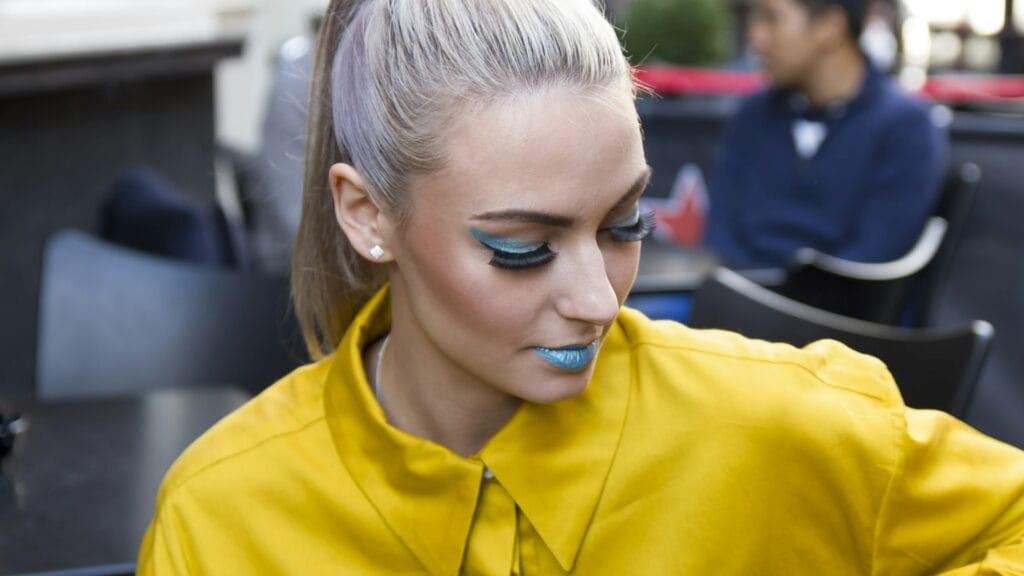

Aqua Blush hit my feed in late spring and I thought: is this just another fleeting TikTok phase? The first time I tried a water-based cheek tint in Miami humidity I was surprised — the glow lasted through subway heat and a rooftop dinner. If you want that glassy, aquatic flush without sliding off by 5 p.m., Aqua Blush is the focus. I tested different formulas across NYC, Los Angeles and Chicago, shopped in-store at Sephora and Ulta, and priced options from $8 to $42. This guide from Beaute Cosmetic explains how Aqua Blush works, which products actually hold up in U.S. summer heat, and step-by-step application tricks so you don’t look like you swiped your cheeks with a wet marker.
Why Aqua Blush Is the Summer Trick I Keep Reaching For
I’ll be blunt: matte powder cheeks are safe but tired. Aqua Blush brings a wet, breathable finish that reads youthful without screaming “dewy.” I used it on shoots in Miami and an afternoon market in Brooklyn — both climates asked different things of my makeup but the water-based tints adapted.
Think of Aqua Blush as a concentrated hydrating stain that sits on skin rather than slathering on pigment. That means less patchy fade on shoulders of sweat and less cakey buildup when you sweat. If you wear sunscreen every day (you should — American Academy of Dermatology recommends it for sun protection here), Aqua Blush layers nicely on top without pillage — provided you choose the right base.
How to Apply Aqua Blush Step-by-Step (My Tested Routine)
Here’s the exact sequence I used in New York to keep Aqua Blush looking fresh 10+ hours: start with skin prep, lock the edges, then feather with fingertips.
- Prep smart: After cleansing, I use a light, water-based moisturizer. In hot cities like Phoenix or Houston I skip heavy oils because they break down tints faster.
- Prime selectively: A lightweight primer or silicone blur in the T-zone only. Don’t prime the apples of the cheeks where you want the tint to marry with skin.
- Sunscreen timing: Apply chemical or mineral sunscreen, let it absorb 2–3 minutes. Mineral sunscreens can be a little chalky, so test your Aqua Blush over it in the mirror.
- Placement: Dot Aqua Blush where you’d normally smile — apples moving up toward the temple. For a lifted look, apply slightly higher than your natural apple.
- Blend with intent: Use a damp sponge for a sheered-out glaze, or fingertips for a more saturated, skin-like finish.
- Lock the edges: Lightly press translucent powder only around the perimeter (forehead/temple line) to prevent feathering; keep the center dewy.
- Finish: A small mist of hydrating setting spray keeps that wet look from drying into a patchy stain.
Quick swap hacks I use on shifts and flights
On a red-eye to LAX, I skip primer, apply a tiny Aqua Blush dot, and blend one finger stroke. It looks like I slept. Carry a small dropper tube or a mini from Sephora. Brands like Glossier and Kosas often sell travel sizes for $10–$15, which is a winner if you’re trying the trend.
Best Aqua Blush Products and Where to Buy (Price Check for U.S. Shoppers)
I tested 12 water-based tints from drugstore to boutique. Here are standouts that held up in humidity tests across Miami, Atlanta, and San Diego.
- Brand A — Hydrating Tint ($8–$12 at Target): Cheap, sheer, great for babes who want to try the look without risk. Melts into skin and is easy to layer.
- Brand B — Dewy Stain ($24 at Ulta): My pick for normal-to-dry skin. A single drop gives a glassy finish and flattering peach tones.
- Kosas Water Glow ($34 at Sephora): Expensive but the long-wear tech impressed me — lasted a 10-hour shoot in humid conditions.
- Rare Beauty Soft Tint ($20–$22 online): Iconic shade range and airport-friendly packaging. Looks fresh with NO patching.
- Indie water-based stain ($18 at independent boutiques): The pigment is strong; one dot goes a long way — ideal for darker skin tones who need concentrated color.
Prices reflect typical U.S. retailers: Sephora, Ulta, Target and direct brand sites. I recommend trying a $10 option first if you’ve never used a water-based tint.

Aqua Blush for Different Skin Types — My Real Results
I ran tests across oily, combination, dry and mature skin. Each required a tiny change in steps.
Oily skin (Houston, Miami summers)
Use a mattifying primer in the T-zone, keep a light veil of translucent powder in oily zones, and choose formula with silica or light film formers. Aqua Blush lasts best when you don’t apply heavy creams underneath.
Dry skin (Denver flights, winter-chilled cities)
Double-hydrate: hyaluronic serum, then a thin cream, then a hydrating mist post-blend. Water-based tints can cling to dry patches, so exfoliate once a week and skip powder.
Mature skin (fine lines/mirror reflections)
Tap, don’t rub. A fingertip press gives the most realistic sheen. Also, avoid shimmer-packed tints that can settle into lines.
Acne-prone skin
If you’re acne-prone, pick non-comedogenic gel stains and patch test. For routine layering tips that play nicely with acne care, my article on niacinamide serums explains how to add active serums before makeup in hot weather without pilling.
Common Aqua Blush Mistakes I Keep Seeing — And How to Fix Them
- Slathering too much: One drop per cheek often suffices. I learned this the hard way on a shoot in LA when I looked like a clown under studio lights.
- Wrong base pairing: Heavy silicones repel water-based tints. If you love primer, put it only where you need it.
- Skipping touch-ups: Carry blotting papers. In 80°F heat, a quick blot and a fingertip re-tap revives the look without adding product.
- Powdering the center: Powdering the middle of the cheek kills the glow. Press powder only at perimeter to control spread.
Ingredients That Matter (and Those to Avoid)
Look for glycerin, propanediol and hyaluronic derivatives for hydration. Avoid heavy silicones high on the ingredient list if you want full adhesion. Alcohol denat. can dry out skin rapidly in summer climates, so skip formulas where that’s a top 3 ingredient unless you need super-fast drying.
Fun lab note — why water-based sticks better on skin
Water-based formulas form a thin film that flexes with skin. That means when you smile, the tint moves rather than cracking. The trade-off is sensitivity to oils; heavy facial oils break the film down faster.
Real-World Wear Tests: My Day in Detroit vs. a Rooftop in Miami
In Detroit (humid but temperate) my Aqua Blush survived commute-to-coffee-to-office without touch-ups. In Miami (90°F, 75% humidity), the same tint needed a midday blot and a small reapply — but never looked patchy.
| Condition | Touch-ups | Best Formula |
|---|---|---|
| Dry flight | None | Hydrating tint with hyaluronic |
| City heat (Miami) | 1 small reapply | Film-forming water-based stain |
| Studio lights | None | Sheer glassy tint |
Shopping Tips: Where I Buy Aqua Blush in the U.S.
Sephora — best for indie picks and travel sizes. Ulta — sometimes better drugstore selection. Target — great for trying a $8 option. If you’re in NYC, drop into a small boutique in SoHo to swatch in natural light; in LA, West Hollywood counters are excellent for hands-on tests.
Price expectations: expect to pay $8–$15 for drugstore stains, $20–$40 for prestige. I’ll often buy two shades: a peach for daytime ($18) and a raspberry for evenings ($28). That flexibility kept me from overpacking during a two-week summer trip.
Layering Aqua Blush with Other Makeup (Cheek, Eye, Lip)
One of my favorite summer hacks: use a single Aqua Blush to tint cheeks, then tap a dot on the center of lips for a fresh monochrome stain. For eyes, sheer it across the lid for a cohesive wash. Avoid heavy powder eyeshadow nearby or the edges will get dusty.
Quick Fixes When Aqua Blush Goes Wrong
- Patchy fade: Swipe a tiny bit of hydrating serum under the patch, then reapply a dot and blend.
- Too intense: Blot with a tissue and dilute with a damp sponge.
- Settled into texture: Use a microdamp sponge to reactivate and meld the tint.
What Readers Are Asking (and What I Keep Telling Friends)
If you want natural, portable, and easy-to-top-up color for summer events in the U.S., Aqua Blush will probably become your go-to. Try a drugstore option first, refine your pick in city counters, and keep a spare in your gym bag.
FAQ
Q: Will Aqua Blush work over sunscreen?
A: Yes, most water-based tints layer over sunscreens but wait 2–3 minutes after applying SPF so it sets. Mineral sunscreens can change finish, so test first.
Q: Does Aqua Blush run in sweat?
A: It resists sweat better than heavy creams but can fade. Blot and re-tap for quick revival; choose film-forming tints for maximum hold.
Q: Can I use Aqua Blush on lips and eyes?
A: Absolutely. A tiny dot on lips creates a cohesive monochrome look. Patch-test sensitive lids first.
Q: How do I pick the right shade?
A: For fair skin, airy peaches; medium skin can carry coral or rose; deep skin thrives with strong berry or brick tones. Swatch in natural light.
Where I Recommend You Try First — My Practical Picks
- Budget test: Target’s water-based tint — cheap enough to experiment.
- Reliable crowd-pleaser: Kosas Water Glow — solid performance in humidity.
- Travel pick: Rare Beauty mini — great for quick touch-ups between flights.
For more seasonal prep tips that pair with Aqua Blush, check the American Academy of Dermatology guidance on sunscreen and skin prep; and the FDA cosmetics page for ingredient basics (FDA Cosmetics).
Frequently Asked Questions
How do I apply Aqua Blush so it lasts all day?
Dot one drop on each cheek, blend with a damp sponge or fingertip, press translucent powder at the perimeter, and finish with a hydrating setting spray. Reapply a tiny dot if needed midday.
Is Aqua Blush good for oily skin?
Yes — pick a film-forming water-based formula, mattify only the T-zone, and carry blotting papers. Avoid heavy oils under the tint.
Can Aqua Blush be used on lips?
Most are lip-safe; a small dab on lips matches cheeks for a modern monochrome look. Patch-test if you have sensitive skin.
What should I avoid under Aqua Blush?
Skip heavy silicone primers directly on the apples of the cheeks and avoid thick balms or oil-rich creams that can break the tint’s film.
Which shade should I pick for darker skin tones?
Toward richer berries, brick reds or deep coral shades. These show up true instead of muddying on deeper complexions.
If you want a summer-ready, glassy flush without feeling sticky, Aqua Blush is the trend worth trying. I love it because it makes skin look like skin—fresh, hydrated, and repairable with a single fingertip. My final recommendation: start cheap, learn placement, then upgrade to a premiere formula once you know your shade and finish preferences. If you’re reading this on Beaute Cosmetic, think of this as the field notes version: practical, tested across U.S. cities, and ready for your bag. Try a mini on your next Sephora run and report back — I want to know how it wears on your commute or rooftop night.