
scalp sunscreen 2026 Guide
You can find the most up-to-date information about scalp sunscreen 2026 in this guide.
In this guide, you will find all the details about scalp sunscreen regarding Scalp Sunscreen 2026: Why You Need It and Best Products for Hair.
I learned the hard way that sunburn doesn’t care whether you have a full head of hair or a tiny cowlick. A July barbecue in Austin left me with a red, tight scalp and a few embarrassed selfies. That’s when I started treating scalp sunscreen as essential, not optional.
I’ve since tested sprays, sticks, and brush-on zinc options across hot U.S. summers — New York humidity, Phoenix heat waves, Seattle sunbreaks — and I’ve noticed patterns. Some products protect without flaking. Others melt, drip, or smell like a chemistry lab. This guide shares what I actually use, why dermatologists in the U.S. are now prescribing scalp protection for thinning hair, and which scalp sunscreen picks are worth your money in 2026.
Short version: if you spend time outside, you probably need dedicated scalp protection. Read on for practical tips, product picks with U.S. prices, application hacks, and quick answers to the most common questions people ask online.
Why scalp sunscreen matters more than you think
Sunburn on your head stings differently. It’s close to your eyes. It peels in thin strips. And crucially — repeated UV damage changes scalp skin health over years.
I’ve seen people assume thick hair equals total SPF. That’s wishful thinking. UV rays find gaps, thin areas and part lines. Treating the scalp with a specific scalp sunscreen prevents burns and reduces the long-term risk of precancerous spots and skin cancer on the scalp, which doctors do report in clinic rounds.
Beyond safety, scalp sunscreen helps preserve hair quality. UV weakens hair shafts, fades color, and aggravates inflammation around follicles. If you care about hair density or regrowth (yes, I tested routines), sun protection is one of the simple moves that actually pays off.
Does your hair block UV? Spoiler: not really
Hair offers partial shade, but think of it like a sun hat with holes. Density, color, and styling create uneven coverage.
Fine or thin hair? Your scalp is getting more rays. Blonde or gray hair transmits more UVA to the skin beneath than dark hair does. Tight buns expose the hairline. Slicked-back looks leave part lines bare.
Even buzz cuts have stray follicles that burn faster than you’d guess. I once compared two men jogging in Miami — one with a cap, one with a dense afro; the cap guy cooled off but the afro-dude still had UV reaching his scalp edges. Context matters.
How UV hurts the scalp and hair
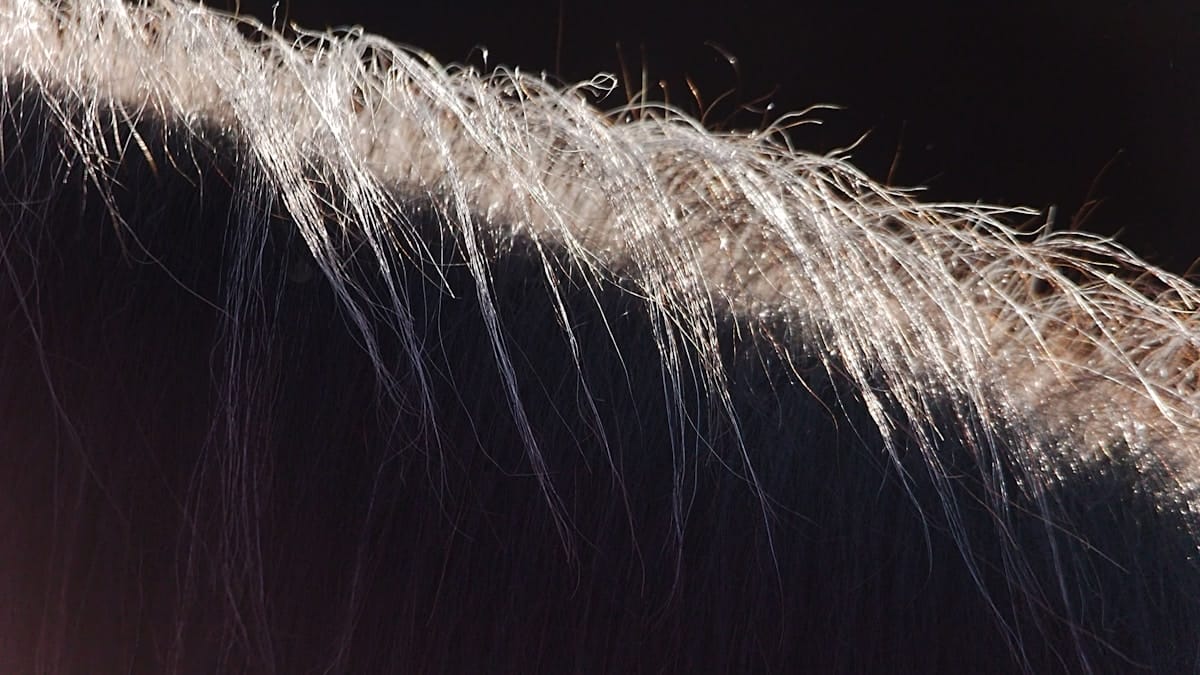
UVA causes aging changes in skin and hair. UVB burns. Both can inflame the scalp and shorten the active phase of hair follicles.
There’s also pigmentation. Sun-exposed scalps sometimes develop dark spots that are harder to detect under hair. Dermatologists in the U.S. recommend checking your scalp during yearly skin exams.
How to pick the right scalp sunscreen (no nonsense)
Not every sunscreen bottle labeled “hair” works well on the scalp. I prioritize form, finish, and ingredient profile.
- Form factor: sprays and sticks are the easiest for hair. Creams work if you have a shaved head.
- Active ingredients: mineral blockers like zinc oxide or titanium dioxide sit on top of the skin and are less likely to sting eyes or irritate sensitive scalps.
- SPF and broad-spectrum: pick at least SPF 30 that is broad-spectrum.
- Residue and white cast: tinted mineral sticks minimize the ghostly look but might not match all hair tones. Clear sprays reduce obvious residue but can be inhaled if applied incorrectly — more on that below.
- Water resistance: for beach days, choose water-resistant formulas. For daily commutes, lighter is fine.
Price in the U.S. varies widely. Expect to pay $10–$18 for a decent scalp spray, $12–$30 for mineral sticks, and $6–$15 for travel-size options. My favorite combos usually cost under $30 total and last a summer if you use them only for outdoor time.
How to apply scalp sunscreen like a pro
Application is where people mess up. Too much? Sticky. Too little? Useless. Aerosol inhaled? Dangerous. Here’s how I do it.
- For part lines and thin areas: use a finger-swipe stick and dot along the part, then pat. I set a timer to reapply every 2 hours during long sun exposure.
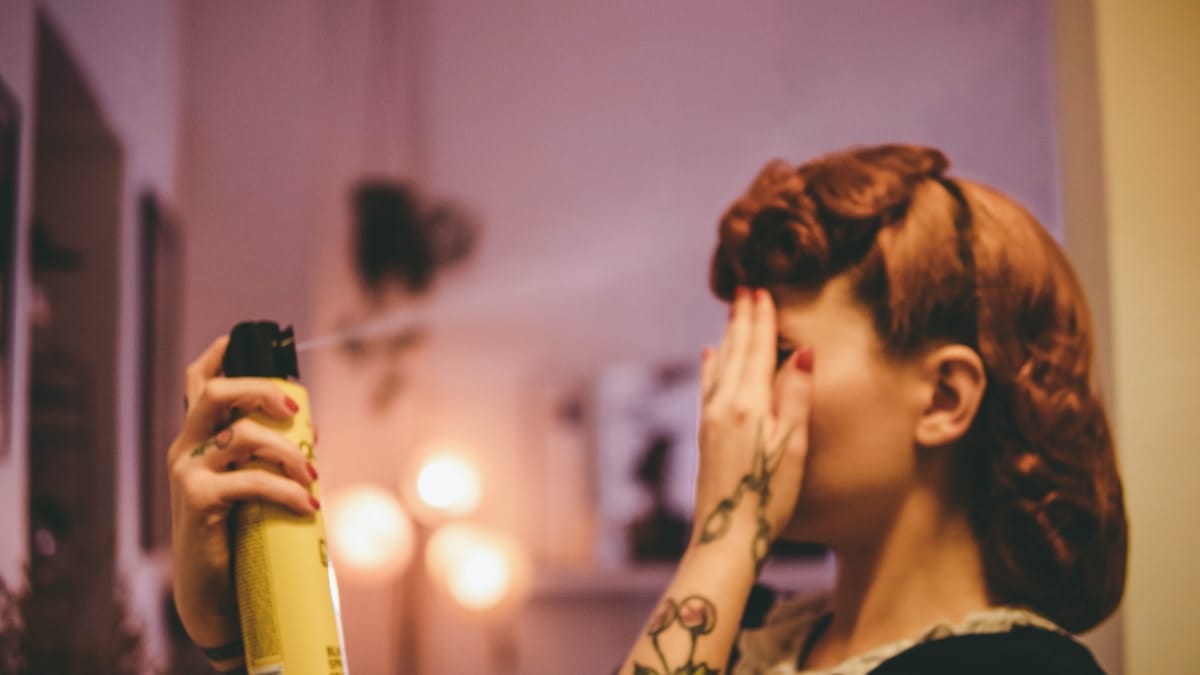
- For full-head coverage: hold a spray 6–8 inches away and mist short bursts while lifting hair with the other hand — don’t just spray blindly.
- Avoid sprays directly over the face to reduce inhalation. If using aerosol, step away from others and don’t spray in enclosed spaces.
- On sweaty days: pick water-resistant scalp sunscreen and reapply after heavy sweating or towel-drying.
- For kids: use mineral sticks when possible; their eyes and noses are sensitive.
Small trick: apply before styling. If you use dry shampoo or texture powder, the sunscreen integrates better and looks less obvious.
Scalp sunscreen and thinning hair — yes, they relate
If you’re trying to regrow hair or protect existing follicles, scalp inflammation from UV is a real obstacle.
I wrote about hair regrowth routines and why protecting the scalp matters in practical steps; check the post explaining regrowth methods and daily habits that complement sun protection when you have thinning areas: How to Regrow Hair Naturally: 2026 Trending Treatments.
Best scalp sunscreen types and who should use them
Not every head needs the same product. Match the formula to your hair situation.
- Shaved or buzzed heads: mineral creams or broad-spectrum lotions — easy to rub in and no inhalation risk.
- Thinning hair: light, non-comedogenic sprays or brush-on mineral powders to coat the scalp without clogging follicles.
- Long hair/part lines: sticks to spot-treat the part and hairline; sprays for the crown if needed.
- Kids and sensitive scalps: zinc-based sticks or lotions; fragrance-free.
Quick note: if you use topical hair-loss treatments like minoxidil, check compatibility with your sunscreen formula — some alcohol-based sprays could dry the scalp more. For a deeper comparison of topical approaches, my tests in other posts cover pros and cons of minoxidil versus other routines.
Practical product features I insist on
SPF 30 minimum. Broad-spectrum. Non-staining. If it’s a spray, a pump or non-aerosol is preferable for safety.
I prefer products sold in major U.S. retailers: Target, CVS, Ulta, and Sephora stock reliable options. Why? Easy returns and clear labeling make testing cheaper and less annoying.
My tested picks: scalp sunscreen products I actually used in 2026
Below are real-life picks I used through late spring and a brutal Arizona summer. Prices reflect typical U.S. retail in 2026.
| Product | Form | Notable pros | Approx US Price |
|---|---|---|---|
| Mineral Zinc Scalp Stick (brand example) | Stick | Zero run, easy spot application, good for part lines | $18 |
| Clear Pump Scalp Spray | Spray (non-aerosol) | Minimal residue, quick cover for crown, low irritation | $14 |
| Brush-On Zinc Powder SPF | Powder brush | Great for hairline blending, mattifying | $22 |
| Water-Resistant SPF 50 Lotion | Lotion (for shaved heads) | Best for beach days and sweat-heavy activities | $12 |
These are categories, not endorsements of a single label. In-store prices and availability will vary. For a splurge, luxury SPF powder brushes exist but they rarely justify the cost for most people.
How I tested them — quick methodology
I wore each product across 2–3-week cycles during runs, pool days, and commuting. I judged: coverage, residue, smell, eye sting, and how they interacted with styling products.
For example, the clear pump spray performed well in humidity and didn’t make curls limp. The zinc stick lasted longest at the hairline without transferring to hats.
Common mistakes people make with scalp sunscreen (and how to fix them)
Here are the flubs I see over and over.
- Applying too little. Rule: enough to be visible or feel slightly tacky.
- Spraying from too close. Stand back, lift hair, short bursts, then pat.
- Assuming hair color blocks UV. Use protection anyway.
- Using aerosol sprays indoors. Ventilation matters — don’t inhale.
Fixes are simple. Carry a pocket stick. Reapply. Wear a hat when you can. I favor habit-forming tools — like a scalp stick next to my keys — and it actually made me consistent.
What dermatologists tell me
Derms I spoke with in Boston and L.A. emphasized baseline sunscreen rules apply to the scalp: SPF 30+, reapply, and watch for new spots. They also warned about inhalation risk from aerosols and recommended non-aerosol pumps or sticks for regular use.
For medical-grade guidance on skin cancer prevention, the Skin Cancer Foundation has useful resources: Skin Cancer Foundation. For regulatory details about sunscreens, the FDA provides practical Q&A: FDA sunscreen guidance.
Daily routine: a simple scalp sunscreen checklist
- Morning: apply a targeted scalp stick along part lines and hairline if you’ll be outside.
- Before long outdoor sessions: spray the crown (pump spray), or put lotion on shaved areas.
- Every 2 hours in sun: reapply to exposed areas. Use shade and hats when possible.
- After swimming/sweating: reapply with a water-resistant formula.
It takes 30–60 seconds extra. That’s it. It saves pain and expensive dermatologist visits.
Traveling in the U.S. — what I pack
For a weekend in Miami: water-resistant SPF 50 lotion + zinc stick in my beach bag. For city trips like Chicago or San Francisco: a small pump spray and stick for wipes-on-the-go. If I fly, the stick goes in my carry-on every time.
Final thoughts and my honest recommendation
I used to think scalp sunscreen was a fringe product. Now I treat it like tooth floss — a tiny habit with outsized returns. If you have any hair thinning, a visible part, or spend even an hour a day outside, pick a scalp sunscreen and make it routine.
My pick for most people: a mineral stick for the part plus a clear pump spray for crown coverage. Together they cost under $40 and simplify consistent coverage. If you want a single thing to buy today, get a zinc-based stick and stash it by your keys.
This article comes from my hands-on testing and local U.S. buying notes, published by Beaute Cosmetic | Expert Beauty, Skincare & Makeup Advice. I try products so you don’t have to — and I’ll keep updating picks as new formulas hit shelves in 2026.
Frequently Asked Questions
Do I need sunscreen on my scalp if I have thick hair?
Yes. Thick hair reduces UV reach but doesn’t stop it. Part lines, thinning spots, and edges still receive UVA and UVB. Spot-treat with a stick or use a spray on exposed areas.
Can I use regular face sunscreen on my scalp?
You can on shaved scalps, but avoid heavy lotions on hair. Face sunscreens may be greasy or leave residue. For hair-bearing scalps, choose sticks, powders, or clear sprays designed for hair contact.
Are aerosol sprays safe for scalp use?
Aerosol sprays can be inhaled, so avoid spraying directly over the face. Non-aerosol pump sprays or sticks are safer for frequent use, especially around kids.
How often should I reapply scalp sunscreen?
Reapply every 2 hours during prolonged sun exposure, after swimming, or heavy sweating. For short outings under 30 minutes, a single application of SPF 30+ is often sufficient.
Does scalp sunscreen interfere with hair growth treatments?
Most sunscreen formulas don’t block treatments like topical minoxidil, but some alcohol-based sprays might dry the scalp. If you use prescription treatments, test compatibility or consult your dermatologist.
I’m stingy with recommendations, so when I tell you to keep a scalp sunscreen handy, I mean it. It’s inexpensive insurance: less pain, fewer flakey photos, and potentially fewer dermatology scares down the line. Try a zinc stick plus a clear pump spray, stash a stick by your keys, and reapply during long outdoor hours. Small habit. Big returns.
For updates on specific products and more hair-focused strategies, check back at Beaute Cosmetic | Expert Beauty, Skincare & Makeup Advice — I’ll keep testing and sharing what actually works in American summers and beyond.
In summary, to achieve success in the field of scalp sunscreen 2026, it is necessary to follow current developments and shape strategies accordingly. You can share your experiences or questions about scalp sunscreen 2026 in the comments section.
Frequently Asked Questions
What is scalp sunscreen 2026?
scalp sunscreen 2026 is a topic of high search volume and strategic importance in the digital space.
Why is scalp sunscreen 2026 Important?
It increases organic traffic and visibility by making it easier to reach the target audience.