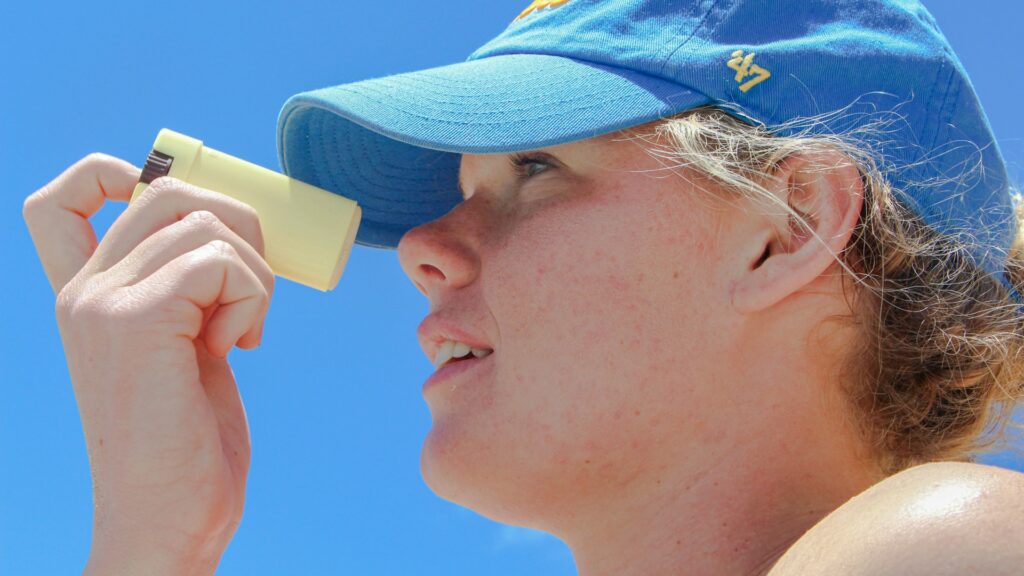

When it comes to sun protection, lips are often an afterthought—yet they’re among the most vulnerable areas to UV damage. The best lip sunscreen of 2026 goes beyond basic SPF, offering broad-spectrum protection, deep hydration, and long-lasting wear. Whether you’re lounging on a Miami beach or commuting in New York City, your lips deserve the same care as the rest of your skin. At Beaute Cosmetic, we’ve tested top contenders to bring you the most effective SPF lip balms that truly last. From mineral formulas to tinted options, this guide covers everything you need to shield your lips year-round.
Why Lip Sunscreen Matters More Than You Think
The skin on your lips is thinner, has less melanin, and produces no oil, making it extremely susceptible to sunburn and long-term damage. According to the Skin Cancer Foundation, the lower lip is a common site for actinic keratosis and squamous cell carcinoma. In the United States, over 3,500 new cases of lip cancer are diagnosed annually. Yet surveys show that only about 30% of Americans use SPF on their lips regularly. A dedicated lip sunscreen with at least SPF 30 can dramatically reduce this risk while preventing chapping and premature aging. Incorporating a lip product with zinc oxide or titanium dioxide ensures physical blocking that won’t irritate sensitive skin.
What to Look for in a Lip Sunscreen
Not all SPF lip balms are created equal. The best lip sunscreen should provide broad-spectrum protection (UVA/UVB), an SPF of at least 30, and water resistance if you’re active or swimming. Look for ingredients like shea butter, coconut oil, or hyaluronic acid for moisture, and antioxidants like vitamin E or green tea extract to fight free radicals. Mineral sunscreens with zinc oxide are ideal for sensitive lips, while chemical sunscreens may offer a lighter feel. Avoid products with oxybenzone, which can be irritating and is banned in several U.S. states like Hawaii. Also consider a tinted option for everyday wear.
For a deeper dive into mineral formulas, check out our guide to mineral sunscreens for dark skin tones—the same principles apply to lip care.
Top 5 Best Lip Sunscreens of 2026
After evaluating dozens of products on criteria like SPF rating, texture, staying power, and user reviews, these five stand out as the best lip sunscreens for 2026. Prices reflect U.S. retail and range from drugstore to premium.
| Product | SPF | Key Ingredients | Water Resistance | Price (USD) |
|---|---|---|---|---|
| Supergoop! Lip Shield | SPF 40 | Avobenzone, Octisalate, Vitamin E | 80 min | $12 |
| Jack Black Intense Therapy Lip Balm SPF 25 | SPF 25 | Avobenzone, Octinoxate, Shea Butter | 40 min | $7.50 |
| Coola Classic Liplux SPF 30 | SPF 30 | Zinc Oxide, Avobenzone, Squalane | 80 min | $12 |
| Neutrogena Lip Moisturizer SPF 35 | SPF 35 | Avobenzone, Homosalate, Glycerin | 40 min | $5.50 |
| Sun Bum Lip Balm SPF 30 | SPF 30 | Zinc Oxide, Coconut Oil, Aloe | 80 min | $4.99 |
Supergoop! Lip Shield
This standout offers SPF 40 with a silky, non-sticky finish. It’s infused with meadowfoam seed oil and vitamin E for hydration. Perfect for all-day wear under makeup or alone. Many users in desert climates like Arizona praise its longevity.
Jack Black Intense Therapy Lip Balm SPF 25
Though SPF 25 is lower than ideal, this balm excels in moisture. Shea butter and oatmeal soothe dry lips. It’s a solid pick for everyday use when combined with a lipstick that has SPF. Available nationwide at Ulta and Target.
Coola Classic Liplux SPF 30
Coola’s formula combines zinc oxide and avobenzone for broad-spectrum protection. Squalane provides lasting hydration. It’s reef-safe and comes in a handy stick—ideal for beach days in California or Florida.
Neutrogena Lip Moisturizer SPF 35
A drugstore favorite with SPF 35 and a smooth application. Glycerin and vitamin E keep lips soft. It’s affordable and easy to find, making it a go-to for budget-conscious consumers. However, it may require reapplication after eating.
Sun Bum Lip Balm SPF 30
Sun Bum delivers a classic lip balm experience with zinc oxide and a pleasant coconut scent. Aloe and vitamin E soothe sun exposure. It’s water-resistant for 80 minutes and costs under $5—excellent value for frequent reapplications.
How to Apply Lip Sunscreen for Maximum Protection
Apply lip sunscreen at least 15 minutes before sun exposure to allow ingredients to bind. Use a generous amount—enough to coat both lips entirely. Reapply every two hours, especially after eating, drinking, or swimming. For long-lasting wear, blot excess and layer a tinted SPF balm on top. Don’t forget the lip line and corners. If you use a lipstick or gloss, choose one with SPF or apply a protective base. For outdoor workouts or sports, opt for a water-resistant formula. Consider adding a lip sunscreen to your daily skincare routine, even on cloudy days—UVA rays penetrate clouds and windows.
Common Mistakes When Using SPF Lip Balms
- Skipping SPF on lips altogether – many people assume lip products already offer protection, but most do not.
- Using a low SPF – SPF 15 is insufficient for prolonged exposure; always choose at least SPF 30.
- Applying too thin a layer – a sheer swipe won’t provide the labeled protection; apply a thick enough coat.
- Not reapplying after eating or drinking – food and beverages can remove the protective film, requiring reapplication.
- Ignoring the lip line – the vermilion border is particularly vulnerable to UV damage.
Expert Tips for Year-Round Lip Protection
As a senior journalist specializing in sun safety, I recommend treating lip sunscreen as non-negotiable. Dermatologists at the American Academy of Dermatology suggest including lips in your daily sun protection routine, regardless of season. In winter, dry air and snow reflection increase UV exposure. Layer a hydrating balm under your SPF to prevent chapping. For men, consider a matte-finish SPF balm that works well under a beard. And if you’re using retinol or acids on your face, your lips are even more sensitive—so extra protection is crucial. Remember, the best lip sunscreen is one you’ll actually use consistently, so find a texture and flavor you enjoy.
Risks and Limitations of Lip Sunscreens
While SPF lip balms are safe for most people, some may experience allergic reactions to chemical filters like oxybenzone or avobenzone. Symptoms include tingling, redness, or swelling. Mineral-based formulas reduce this risk but can feel gritty or leave a white cast, especially on darker lips. Another limitation is that no lip sunscreen is fully waterproof; adherence to reapplication schedules is critical. Additionally, lip balms often come in small tubes, meaning they can be easily misplaced. Finally, it’s important to note that lip sunscreen alone won’t prevent all forms of lip damage—seek shade and wear a wide-brimmed hat for comprehensive protection.
Best Practices for Lip Sunscreen Use
- Make it a habit – keep a lip sunscreen in your bag, car, and bathroom to avoid skipping.
- Layer with care – apply SPF first, then lipstick or gloss if desired; wait a minute between layers.
- Check expiration dates – most lip sunscreens expire after one to three years; expired products lose efficacy.
- Use year-round – UV exposure is constant; winter sports increase reflection and risk.
- Pair with other protection – combine with a broad-spectrum face sunscreen and UV-blocking accessories.
Detaylı bilgi ve ek kaynaklar için resmi Vikipedi adresini ziyaret edebilir veya ilgili belgelere göz atabilirsiniz.
Sıkça Sorulan Sorular
What SPF should a lip sunscreen have?
Dermatologists recommend at least SPF 30 for adequate daily protection. SPF 50 is ideal for prolonged outdoor activities or high-altitude environments.
Can I use regular sunscreen on my lips?
It’s not recommended. Regular sunscreen may contain ingredients not safe for ingestion and can be irritating to lip skin. Always use a designated lip sunscreen.
How often should I reapply lip sunscreen?
Reapply every two hours, or immediately after eating, drinking, swimming, or wiping your lips. In direct sun, consider more frequent applications.
Are lip sunscreens safe for children?
Yes, but choose mineral-only formulas with zinc oxide or titanium dioxide, which are gentler. Avoid chemical filters for children under six months.
Do lip sunscreens prevent chapped lips?
Many lip sunscreens contain moisturizing ingredients like shea butter or aloe that help prevent chapping. However, dryness can also result from sun exposure, so SPF helps maintain lip health.
What is the difference between SPF lip balm and regular lip balm?
Regular lip balm moisturizes but offers no sun protection. SPF lip balm adds UV filters to shield lips from damaging rays while hydrating.
Can I wear lip sunscreen under lipstick?
Yes. Apply lip sunscreen first, let it set for a minute, then apply lipstick or gloss. This ensures protection without interfering with color.
Do lip sunscreens expire?
Yes, most have a shelf life of one to three years. Check the box or tube for an expiration date. Using expired products reduces SPF efficacy.
Your lips deserve the same UV protection as the rest of your skin. The best lip sunscreens of 2026 combine high SPF, lasting moisture, and comfortable wear—no more excuses. Whether you prefer a tinted balm for everyday polish or a rugged stick for outdoor adventures, there’s a formula for you. At Beaute Cosmetic, we believe that small habits lead to big health wins. Start protecting your lips today, and you’ll enjoy a healthier, more youthful smile for years to come. Browse our curated selection and find your new go-to lip sunscreen now!