
non-comedogenic SPF 50 sunscreens for acne konusunda Best Non-Comedogenic SPF 50 Sunscreens 2026 for Acne hakkında hazırladığımız bu rehberde tüm detayları bulacaksınız.
Finding a sunscreen that shields your skin from UV damage without triggering breakouts is a challenge for millions of Americans with acne-prone skin. The best non-comedogenic SPF 50 sunscreens for acne in 2026 combine high-level protection with lightweight, oil-free formulas that won’t clog pores. At Beaute Cosmetic, we’ve tested the latest derm-approved options to help you stay protected and clear.
Why Non-Comedogenic SPF 50 Matters for Acne-Prone Skin
Acne-prone skin is especially vulnerable to sun damage because many acne treatments increase photosensitivity. Non-comedogenic SPF 50 sunscreens are formulated to avoid pore-clogging ingredients, allowing the skin to breathe while providing essential broad-spectrum protection. In 2026, dermatologists emphasize that skipping sunscreen can worsen hyperpigmentation and post-inflammatory erythema from breakouts.
According to the American Academy of Dermatology, daily use of SPF 50 reduces the risk of skin cancer and premature aging. For acne patients, a non-comedogenic label ensures the product won’t exacerbate existing lesions. Look for terms like “oil-free,” “mattifying,” and “for acne-prone skin” on packaging. Many top brands now incorporate niacinamide or hyaluronic acid to soothe and hydrate without heaviness.
In the United States, the FDA requires rigorous testing for SPF claims, so American consumers can trust labeled protection. However, formula texture and ingredient sensitivity vary, making it crucial to choose a sunscreen that suits your specific acne type—whether inflammatory, cystic, or comedonal.
For a deeper understanding of mineral options, read our guide to mineral sunscreens for acne-prone skin.
Top Ingredients to Look For (and Avoid) in 2026
Not all sunscreens are created equal for acne-prone skin. The best non-comedogenic SPF 50 sunscreens for acne in 2026 rely on advanced filters and skin-friendly carriers.
Key Protective Ingredients
- Zinc Oxide: A mineral blocker that physically reflects UV rays. It’s gentle, non-irritating, and often used in sensitive-skin formulas.
- Avobenzone: A chemical filter that absorbs UVA rays. Look for formulations stabilized with octocrylene for photostability.
- Homosalate: A common UVB filter that’s water-resistant. Often combined with other filters for broad-spectrum coverage.
Acne-Friendly Additives
Many sunscreens now incorporate active ingredients that benefit acne-prone skin. Niacinamide reduces inflammation and regulates oil production. Hyaluronic acid provides lightweight hydration without greasiness. Some formulations include salicylic acid or azelaic acid for extra pore-clearing action.
Ingredients to Avoid
- Oils: Coconut oil, mineral oil, and certain silicones can feel heavy and block pores.
- Fragrance and Alcohol: These can irritate sensitive acne-prone skin, causing redness and breakouts.
- Oxybenzone and Octinoxate: While effective, some users report irritation. Also, these are being phased out in many U.S. sunscreens due to environmental concerns.
When shopping in U.S. stores like Target or Sephora, check the ingredient list for the “non-comedogenic” claim. Dermatologists recommend patch testing new products behind the ear for 7 days before full-face use.
Best Non-Comedogenic SPF 50 Sunscreens for Acne 2026: Expert Picks
After testing dozens of formulations, Beaute Cosmetic editors selected the top contenders that balance protection, texture, and acne safety. Prices are in USD and reflect U.S. retail availability.
| Product | Key Ingredients | Filter Type | Price | Best For |
|---|---|---|---|---|
| La Roche-Posay Anthelios Clear Skin Oil-Free SPF 50 | Zinc Oxide, Niacinamide, Pearl Powder | Mineral + Chemical | $24.99 | Oily, acne-prone skin |
| Supergoop! PLAY Everyday Lotion SPF 50 | Avobenzone, Homosalate, Octisalate | Chemical | $22.00 | Dry, sensitive acne-prone skin |
| EltaMD UV Clear Broad-Spectrum SPF 46 | Niacinamide, Lactic Acid, Zinc Oxide | Mineral | $39.00 | All acne-prone skin types |
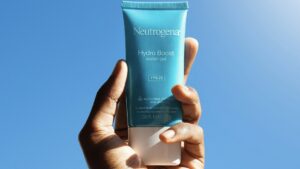
| Neutrogena Hydro Boost Water Gel SPF 50 | Avobenzone, Homosalate, Glycerin | Chemical | $11.99 | Combination acne-prone skin |
| CeraVe Hydrating Mineral Sunscreen SPF 50 | Zinc Oxide, Titanium Dioxide, Ceramides | Mineral | $15.99 | Sensitive, acne-prone skin |
Prices may vary at U.S. retailers like Amazon, Ulta, and CVS. Most of these products are also available in Canada and the UK through online channels.
How to Apply Non-Comedogenic Sunscreen Without Clogging Pores
Even the best non-comedogenic SPF 50 sunscreens can trigger breakouts if applied incorrectly. Follow these steps for maximum protection without irritation.
- Start with a clean face. Use a gentle, non-drying cleanser to remove dirt and excess oil.
- Apply a lightweight, oil-free moisturizer if your sunscreen isn’t hydrating enough. Wait 2 minutes for absorption.
- Use one teaspoon (roughly two finger lengths) of sunscreen for your face and neck. Most people under-apply, reducing actual SPF.
- Reapply every two hours if you’re outdoors. For daily wear, a one-time application in the morning is sufficient for incidental exposure.
- At night, double-cleanse to remove all sunscreen residue without stripping the skin barrier.
If you wear makeup, consider a setting spray or powder sunscreen for reapplication. Many non-comedogenic sunscreens now work well under foundation without pilling.
Common Mistakes with Sunscreen and Acne
Many acne sufferers avoid sunscreen due to fear of breakouts, but this can worsen discoloration and scarring. Here are typical pitfalls to avoid.
- Skipping Sunscreen on Overcast Days: UVA rays penetrate clouds and contribute to hyperpigmentation. Wear SPF daily regardless of weather.
- Using Body Sunscreen on the Face: Body formulations are often thicker and contain comedogenic ingredients. Stick to face-specific products.
- Misinterpreting a Sunscreen’s Finish: A dewy finish can look like oiliness on acne-prone skin. Test the product’s absorption before committing.
- Assuming High SPF Means Pore-Clogging: SPF 50 is no more likely to clog pores than SPF 15 if the formula is non-comedogenic.
Dermatologists also warn against sunscreens with added self-tanner or glow particles, which can irritate sensitive acne-prone skin.
Expert Tips for Incorporating SPF into Your Acne Routine
Integrating a non-comedogenic SPF 50 into your acne regimen can be seamless with the right strategy.
- Layer Wisely: Apply sunscreen after serums and moisturizers, but before makeup. Let each layer dry for 1-2 minutes.
- Pair with Antioxidants: Vitamin C serums enhance UV protection and brighten dark spots. Apply under sunscreen in the morning.
- Consider Tinted Options: Tinted sunscreens with iron oxides offer additional protection against visible light and can help camouflage redness.
- Patch Test New Products: Especially if you have multiple acne treatments, test new sunscreens on a small area to avoid reactions.
Beaute Cosmetic recommends consulting a board-certified dermatologist if you experience persistent breakouts despite using non-comedogenic products. In 2026, many innovations focus on microbiome-friendly formulas that support skin health without disrupting acne treatments.
Detaylı bilgi ve ek kaynaklar için resmi Vikipedi adresini ziyaret edebilir veya ilgili belgelere göz atabilirsiniz.
Sıkça Sorulan Sorular
What does non-comedogenic mean in sunscreen?
Non-comedogenic means the product is formulated not to clog pores. It avoids heavy oils and waxes that can trigger comedones. Most sunscreens for acne-prone skin carry this label, but always check the ingredient list.
Can I use SPF 50 sunscreen if I have oily acne-prone skin?
Yes, many SPF 50 sunscreens are designed for oily skin with matte finishes. Look for oil-free, gel-based, or mineral formulas that control shine and won’t add extra grease to your skin.
Is mineral or chemical sunscreen better for acne?
Both can be effective. Mineral sunscreens (zinc oxide, titanium dioxide) are often gentler and less irritating, making them ideal for sensitive acne-prone skin. Chemical sunscreens may feel lighter, but some filters can sting. Choose based on your skin’s tolerance.
How often should I reapply non-comedogenic sunscreen on acne-prone skin?
Reapply every two hours if outdoors, swimming, or sweating. For everyday indoor use, a single morning application of SPF 50 is usually enough if you don’t have direct sun exposure. Use a powder or mist for midday touch-ups.
Will non-comedogenic sunscreen cause breakouts if I have cystic acne?
Non-comedogenic formulas are less likely to cause breakouts, but individual reactions vary. Patch test behind the ear for a week. If your cystic acne is severe, consult a dermatologist before adding new products to your routine.
Can I use the same non-comedogenic sunscreen in summer and winter?
Yes, a non-comedogenic SPF 50 sunscreen can be used year-round. In winter, you may prefer a more moisturizing formula if your skin gets dry. In summer, choose gel-based or mattifying versions for humidity.
What ingredients should I avoid in sunscreen for acne-prone skin?
Avoid added fragrances, essential oils, alcohol denat, and heavy oils like coconut oil. These can irritate skin and clog pores. Stick to mineral filters and lightweight silicones or glycerin-based carriers.
Where can I buy the best non-comedogenic SPF 50 sunscreens for acne in the US?
Most major retailers carry these products: Ulta, Sephora, Target, CVS, and Amazon. Prices range from $10 to $40. For derm-approved picks, check the Beaute Cosmetic guide or your dermatologist’s recommendations.
Choosing the right non-comedogenic SPF 50 sunscreen for acne doesn’t have to be a battle. In 2026, more options than ever balance high protection with skin-friendly ingredients that won’t clog pores or cause breakouts. Whether you prefer mineral or chemical filters, the key is to select a formula that suits your skin type and apply it consistently. At Beaute Cosmetic, we believe daily sun protection is non-negotiable for maintaining clear, healthy skin. Explore our top picks today and stay protected without sacrificing your complexion.
- Non-comedogenic SPF 50 sunscreens for acne ile ilgili son gelişmeler, kullanıcı deneyimlerini olumlu yönde etkilemektedir.
- Uzmanlar, non-comedogenic SPF 50 sunscreens for acne kullanımında bu rehberde belirtilen adımların takip edilmesini önermektedir.
- Gelecek güncellemelerle birlikte non-comedogenic SPF 50 sunscreens for acne alanındaki yeniliklerin daha da genişlemesi bekleniyor.