
Struggling to find a sunscreen that protects without causing breakouts? The debate between sunscreen sticks vs lotions for acne-prone skin heats up in 2026, with new formulations that promise both efficacy and skin clarity. For those with oily, acne-prone complexions, choosing the wrong texture can spell disaster—clogged pores, milia, or irritation. At Beaute Cosmetic, we’ve analyzed hundreds of products to help you decide. This sunscreen sticks vs lotions guide breaks down texture, ingredients, and real-world results so you can shield your skin without sacrificing your complexion.
Sunscreen Sticks vs Lotions: Texture and Application Differences
When comparing sunscreen sticks vs lotions, texture is the first differentiator. Sunscreen sticks are solid, waxy formulas that glide on, offering precision around the eyes and nose. They’re often mineral-based, using zinc oxide or titanium dioxide, and sit on top of the skin—ideal for sensitive, acne-prone types. Lotions, on the other hand, spread easily and can be chemical or physical. For acne-prone skin, non-comedogenic lotions like those from EltaMD or La Roche-Posay are popular. In 2026, many sticks include mattifying powders, while lotions have advanced to oil-free, gel-based textures. If you prefer a sheer finish, a lotion might be easier; for quick touch-ups, a stick wins.
Ingredients That Matter for Acne-Prone Skin
Not all sunscreens are created equal. In the sunscreen sticks vs lotions debate, ingredients like niacinamide and zinc oxide stand out. Zinc oxide is anti-inflammatory and non-comedogenic, making sticks excellent for rosacea or clogged pores. Chemical filters like avobenzone can sometimes irritate, but newer 2026 formulas include nano-encapsulation for gentler feel. Always look for “non-comedogenic” on the label. At Beaute Cosmetic, we recommend checking for pore-clogging ingredients like isopropyl myristate in some lotions. Sticks typically avoid these, but can contain waxes that feel heavy on oily skin. A 2026 study from the Journal of Cosmetic Dermatology found that stick sunscreens cause fewer breakouts in acne-prone individuals when applied correctly.
Benefits of Sunscreen Sticks for Acne-Prone Skin
- Precision application: Great for sensitive areas like the lips and eyelids.
- No liquid mess: Ideal for on-the-go reapplication without disturbing makeup.
- Minimal irritation: Typically free of alcohol and fragrances that trigger breakouts.
- Mattifying effect: Many 2026 sticks contain silica or rice starch to control shine.
- Travel-friendly: TSA-compliant and won’t spill in your gym bag.
Risks and Limitations of Sunscreen Sticks vs Lotions
While sunscreen sticks vs lotions offers unique advantages, both have downsides. Sticks often contain beeswax or paraffin, which can feel greasy and potentially clog pores if not removed thoroughly. For very oily skin, some sticks may cause milia. Lotions, especially if chemical, can sting or cause contact dermatitis. A 2026 review by the American Academy of Dermatology noted that reapplication with sticks often leads to uneven coverage—about 30% of users miss spots. To counter this, apply two layers of stick sunscreen. Lotions require even spreading but are easier to distribute over larger areas like the arms and legs.
Comparison: Sunscreen Sticks vs Lotions for Acne-Prone Skin
| Feature | Sunscreen Stick | Sunscreen Lotion |
|---|---|---|
| Texture | Solid, waxy | Creamy, liquid |
| Application ease | Precise, no mess | Even spread, quick for body |
| Best for | Face, eye area, reapplication | Full body, sensitive skin |
| Non-comedogenic risk | Low (if beeswax-free) | Varies; check label |
| Mattifying | Often yes | Some oil-free formulas |
| Price range (USD) | $10–$25 | $12–$40 |
| Reapplication ease | Easy over makeup | Requires clean hands |
Expert Insights: Dermatologist Perspective on Sunscreen Sticks vs Lotions
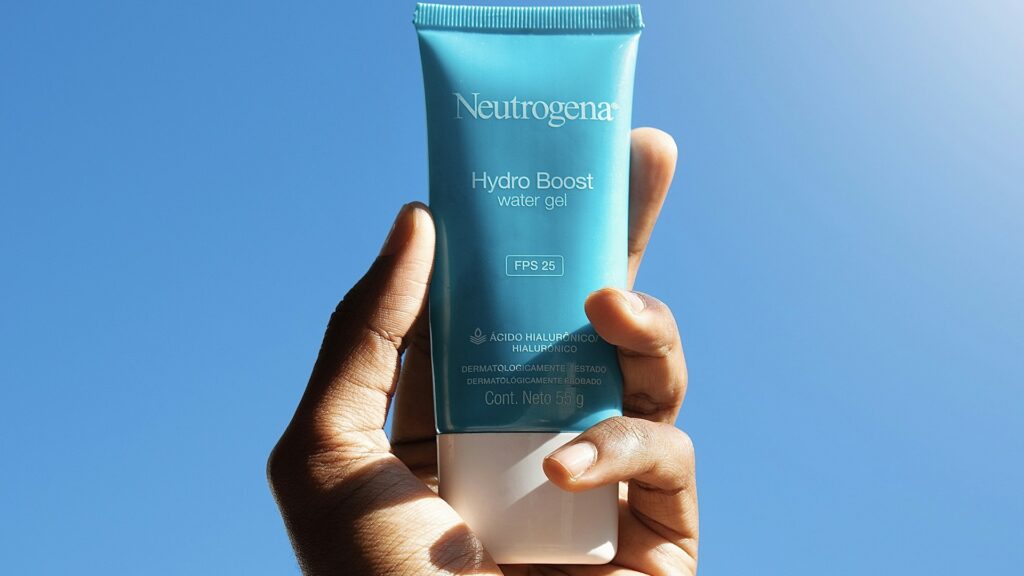
Dr. Rachel Ehrlich, a board-certified dermatologist in New York City, recommends: “For acne-prone patients, the choice between sunscreen sticks vs lotions depends on lifestyle and skin sensitivity. I often suggest a mineral stick for daily wear because it’s less likely to clog pores, but for heavy sun exposure, a water-resistant lotion like Neutrogena Clear Face works better.” At Beaute Cosmetic, our team agrees: test a small patch first. For a deeper dive into best non-comedogenic SPF 50 sunscreens for acne in 2026, see our dedicated guide.
Common Mistakes When Using Sunscreen Sticks or Lotions
- Not applying enough: A thin layer of stick often provides less than SPF 30. Use three passes.
- Skipping reapplication: Both types need reapplication every two hours; sticks make it easy.
- Using comedogenic formulas: Avoid coconut oil or cocoa butter in stick sunscreens.
- Ignoring expiration: Sunscreen degrades; check the date.
- Relying only on SPF in makeup: Foundation with SPF isn’t enough; always use dedicated sunscreen.
Best Practices for Sunscreen Application on Acne-Prone Skin
- Cleanse and moisturize before applying sunscreen.
- Use a non-comedogenic mattifying moisturizer if you have excess oil.
- Apply the recommended amount: for face, a nickel-size dollop or a 2-inch strip of stick.
- Reapply with a setting spray or powder sunscreen for makeup longevity.
- Remove sunscreen completely at night with an oil-based cleanser to prevent buildup.
Detaylı bilgi ve ek kaynaklar için resmi Vikipedi adresini ziyaret edebilir veya ilgili belgelere göz atabilirsiniz.
Sıkça Sorulan Sorular
Is a sunscreen stick better for acne-prone skin than lotion?
Sunscreen sticks are often preferred because they are typically mineral-based and less likely to contain pore-clogging oils. However, lotions with non-comedogenic labels can work just as well—it depends on the formulation.
Can sunscreen sticks cause breakouts?
Some sticks contain beeswax or cocoa butter that can clog pores if you’re prone to breakouts. Look for ‘non-comedogenic’ and avoid heavy emollients.
How do I reapply sunscreen over makeup without breaking out?
Use a powder sunscreen or a sunscreen stick that won’t disturb makeup. Pat gently instead of rubbing to minimize irritation.
What SPF should I use for acne-prone skin?
At least SPF 30 for daily wear, and SPF 50 for extended outdoor exposure. Higher SPF doesn’t increase breakouts if the formula is non-comedogenic.
Are mineral sunscreens better for acne?
Yes, mineral sunscreens with zinc oxide or titanium dioxide are less irritating and have anti-inflammatory properties, making them ideal for acne-prone skin.
Can I use a sunscreen stick if I have oily skin?
Absolutely. Many 2026 sunscreen sticks include mattifying ingredients like silica to control shine. Choose a stick labeled ‘oil-free’ or ‘matte finish.’
Do sunscreen lotions expire faster than sticks?
Sunscreen lotions may expire slightly faster due to water content, but both should be discarded after the expiration date. Sticks in airtight containers can last longer.
Which is more cost-effective: sunscreen stick or lotion?
Sunscreen lotions often give more product per dollar, but sticks offer convenience. For acne-prone skin, investing in a non-comedogenic stick might save money on breakout treatments.
In the sunscreen sticks vs lotions debate for acne-prone skin in 2026, there’s no one-size-fits-all answer. Sunscreen sticks excel in precision, portability, and low irritation, while lotions offer even coverage and superior body protection. At Beaute Cosmetic, we recommend trying both: a mineral stick for your face and a lightweight lotion for your body. Always patch test and look for non-comedogenic, oil-free labels. Protect your skin without compromising your clarity—explore our expert reviews and find your perfect match today.