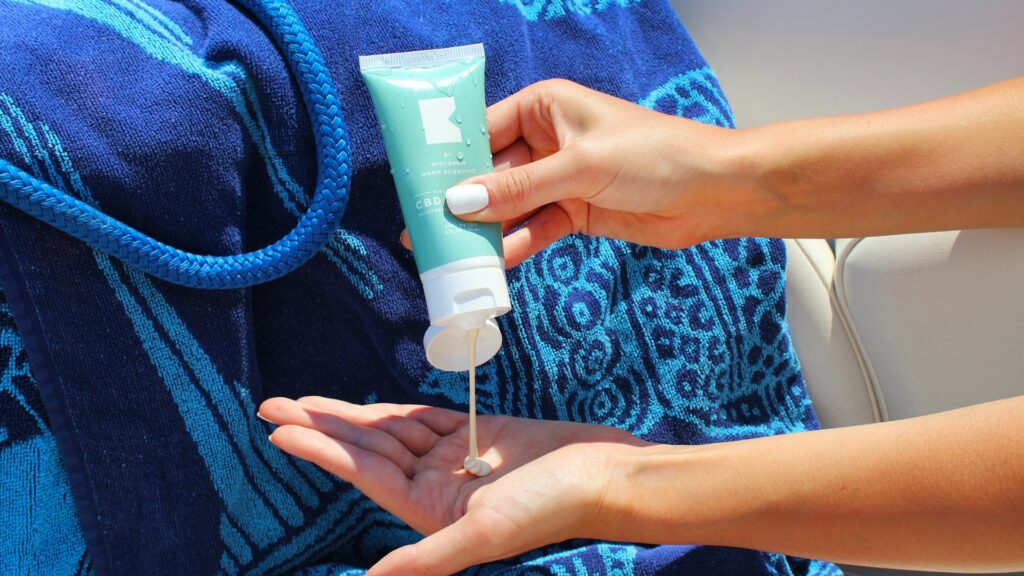

Finding the best sunscreens for oily skin in 2026 doesn’t mean sacrificing protection for a matte finish. The latest formulations are designed to control shine while offering broad-spectrum defense against UV damage. Whether you’re battling midday grease or preventing breakouts, the right non-comedogenic sunscreen can make all the difference.
Oily skin requires lightweight, oil-free textures that won’t clog pores or feel heavy. Advances in skincare technology now deliver options like gel-based SPF, powder sunscreens, and mineral formulas with active ingredients that absorb excess sebum. In this guide, Beaute Cosmetic’s experts break down the top picks, key ingredients, and routine tips to help you stay protected and shine-free all year long.
Why Oily Skin Needs Specialized Sunscreen
Oily skin produces excess sebum, making it prone to clogged pores, blackheads, and acne breakouts. Traditional sunscreens often contain heavy oils or occlusive ingredients that exacerbate shine and congestion. That’s why choosing a formula labeled “non-comedogenic” is critical. Non-comedogenic sunscreens are specifically tested to not block pores, reducing the risk of breakouts.
Additionally, many sunscreens for oily skin now include mattifying agents like silica, dimethicone, or kaolin clay that help absorb oil throughout the day. Some even double as primers, smoothing the skin’s surface under makeup. Despite common misconceptions, skipping sunscreen because of oiliness is a mistake—UV exposure can worsen hyperpigmentation, inflammation, and signs of aging, especially when coupled with acne treatments like retinoids.
Key Ingredients to Look For in a Non-Comedogenic Sunscreen
When scanning labels, focus on ingredients that offer protection without heaviness. Zinc oxide and titanium dioxide are safe physical blockers ideal for sensitive oily skin. Chemical filters like avobenzone and octocrylene can be lightweight but may irritate some. Look for added benefits:
- Niacinamide: reduces inflammation and regulates sebum production.
- Silica or dimethicone: create a smooth, matte finish.
- Hyaluronic acid: hydrates without oil.
- Green tea extract: provides antioxidant protection against environmental damage.
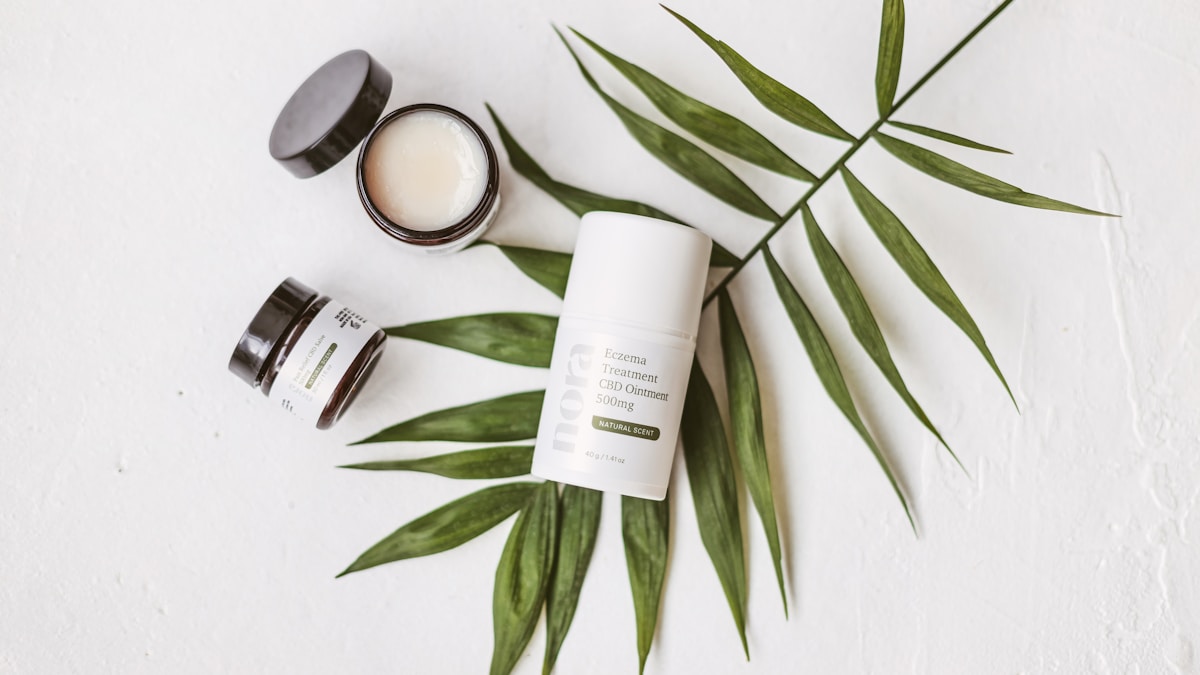
For those who prefer mineral options, our guide to the best mineral sunscreens for acne-prone skin under $30 in 2026 reviews affordable, non-comedogenic picks that won’t leave a white cast when correctly formulated with micronized zinc.
Top Sunscreen Textures for Oily Skin
Gel Sunscreens
Gel sunscreens are water-based and quickly absorb, leaving zero residue. They often contain alcohol to speed drying, but newer formulas use skin-friendly alternatives. Ideal for very oily skin, they provide a cooling sensation and pair well with moisturizers.
Powder Sunscreens
Powder sunscreens (usually SPF 30 or 50) offer a unique reapplication method. Brushed on throughout the day, they absorb excess oil and provide a soft-focus effect. They’re perfect for touch-ups over makeup but must be layered adequately for full protection.
Mineral Sunscreens
Minerals are naturally mattifying and less likely to irritate acne. Modern micronized formulas blend seamlessly without a chalky appearance. Many combine zinc oxide with botanical extracts to soothe redness. For those over 40, our dedicated picks for acne-prone skin over 40 address both oil control and anti-aging needs.
Comparison of the Best Sunscreens for Oily Skin 2026
| Product | Type | SPF | Key Ingredients | Finish | Price |
|---|---|---|---|---|---|
| Supergoop! Unseen Sunscreen | Chemical gel | 40 | Dimethicone, niacinamide | Invisible matte | $38 |
| EltaMD UV Clear Broad-Spectrum SPF 46 | Chemical/mineral hybrid | 46 | Zinc oxide, niacinamide, hyaluronic acid | Sheer matte | $43 |
| Neutrogena Clear Face Oil-Free SPF 55 | Chemical | 55 | Avobenzone, octisalate | Mattifying | $12 |
| Dermalogica Invisible Physical Defense SPF 30 | Mineral | 30 | Zinc oxide, algae extract | Natural matte | $54 |
| Colorescience Sunforgettable Total Protection Brush-On Shield SPF 50 | Mineral powder | 50 | Zinc oxide, titanium dioxide | Powder matte | $68 |
These products were tested by Beaute Cosmetic’s team and dermatologist-approved for oily, acne-prone skin. Prices are in USD and reflect current market averages.
Expert Tips for Applying Sunscreen on Oily Skin
Even the best sunscreen fails if applied incorrectly. Here are professional recommendations:
- Apply sunscreen as the last step of your skincare routine after moisturizer, but before makeup.
- Use a nickel-sized amount for the face and a teaspoon for the neck.
- Wait 2–3 minutes for the product to set before applying foundation or powder.
- Reapply every two hours, or immediately after swimming or sweating. Powder sunscreens are convenient for midday touch-ups.
- For gel formulas, gentle pressing instead of rubbing helps avoid pilling.

Common Mistakes When Using Sunscreen on Oily Skin
- Skipping sunscreen altogether — Fear of breakouts leads to UV damage and premature aging.
- Using too little — Under-application drastically reduces SPF efficacy.
- Relying only on makeup with SPF — Foundation SPF is rarely enough; you need standalone sunscreen.
- Not letting sunscreen dry — Applying makeup too soon can cause separation and uneven coverage.
- Choosing thick creams — Heavy formulas clog pores and increase shine.
Best Practices for a Shine-Free Sun Protection Routine
Pairing the right sunscreen with complementary products enhances oil control. Start with a lightweight, water-based moisturizer, then apply a mattifying sunscreen. Set with a translucent powder if desired. Throughout the day, blotting papers followed by a powder sunscreen refresh protection without adding grease. For nighttime, double cleanse to fully remove sunscreen residues without stripping the skin barrier.
As an editorial perspective, the biggest shift in 2026 is the proliferation of multifunctional sunscreens that combine broad-spectrum protection with skin-perfecting benefits. Niacinamide and zinc oxide are standout players for oily skin, offering both protection and sebum regulation. Always patch-test new products, and consult a board-certified dermatologist if you have severe acne or sensitivity.
For additional reading, the American Academy of Dermatology offers guidelines on choosing the right sunscreen for your skin type.
Sıkça Sorulan Sorular
What SPF should I use for oily skin?
Dermatologists recommend at least SPF 30 for daily use, and SPF 50 for extended outdoor activity. Many non-comedogenic sunscreens for oily skin offer SPF 30–55, balancing protection and texture.
Can sunscreen make oily skin worse?
Only if you choose a comedogenic formula. Non-comedogenic, oil-free sunscreens are specially designed to not clog pores or trigger breakouts. Using the wrong type may worsen oiliness, but proper picks improve skin health.
Is mineral or chemical sunscreen better for oily skin?
Both can work. Mineral sunscreens (zinc oxide, titanium dioxide) are naturally mattifying and less irritating, making them excellent for sensitive oily skin. Lightweight chemical sunscreens with gel bases can also provide a shine-free finish.
How often should I reapply sunscreen on oily skin?
Reapply every two hours when exposed to sun, or immediately after sweating or swimming. Powder sunscreens are ideal for touch-ups without disrupting makeup or adding oil.
Can I skip moisturizer if my sunscreen has moisturizing ingredients?
It depends on your skin’s needs. Many sunscreens for oily skin include hydrating elements like hyaluronic acid or glycerin, which may suffice in humid climates. However, if you use drying acne treatments, a separate lightweight moisturizer is recommended.
What sunscreen ingredients should I avoid for oily skin?
Avoid heavy oils like coconut oil, mineral oil, or lanolin. Also, high-alcohol formulas can strip the skin and trigger more oil production. Look for labels saying ‘oil-free’ and ‘non-comedogenic’.
Does sunscreen help with acne scars?
Yes. Sun exposure darkens hyperpigmentation and slows scar healing. A daily broad-spectrum sunscreen prevents UV from worsening discoloration, allowing acne marks to fade faster.
Choosing the best sunscreens for oily skin in 2026 is all about balancing protection with a lightweight, non-comedogenic formula. Whether you prefer a gel, powder, or mineral option, the key is consistent application and reapplication. By integrating expert tips and avoiding common mistakes, you can keep your skin protected, shine-free, and clear. At Beaute Cosmetic, we continuously test new innovations to bring you reliable recommendations. Explore our full range of acne-safe SPF guides to build your ideal sun-care wardrobe.
- Best sunscreens for oily skin ile ilgili son gelişmeler, kullanıcı deneyimlerini olumlu yönde etkilemektedir.
- Uzmanlar, best sunscreens for oily skin kullanımında bu rehberde belirtilen adımların takip edilmesini önermektedir.
- Gelecek güncellemelerle birlikte best sunscreens for oily skin alanındaki yeniliklerin daha da genişlemesi bekleniyor.