
hair growth supplements 2026 Guide
You can find the most up-to-date information about hair growth supplements 2026 in this guide.
In this article, we cover the highly anticipated topic of hair growth supplements 2026 in all its dimensions.
hair growth supplements konusunda Top Hair Growth Supplements for Thinning Hair: 2026 Reviews hakkında hazırladığımız bu rehberde tüm detayları bulacaksınız.
I remember staring at the shower drain in Boston one spring, thinking: is my hair quietly retreating? I tried different shampoos, a low-heat styling routine, and even switched to a pillowcase that promised miracles. None of that moved the needle much. What finally made a visible difference for me was adding targeted hair growth supplements into the mix—alongside better sleep and a weekly scalp massage. “Hair growth supplements” is the phrase that led me down a practical rabbit hole: which ingredients are legit, which brands overpromise, and what actually fits an American budget?
If you live in New York, Los Angeles, Chicago or somewhere in between, this guide—written after months of testing, talking to dermatologists, and checking labels—is meant for you. I write for readers of Beaute Cosmetic | Expert Beauty, Skincare & Makeup Advice (www.beautecosmetic.com), so expect product-focused, U.S.-centered notes: prices in USD, where to buy online and in stores like CVS or Walgreens, and realistic timelines. By the end you’ll know which hair growth supplements I’d try first, and why they worked or didn’t in my experience.
Why hair growth supplements might help your thinning hair (and when they won’t)
Let me be blunt: if your hair loss is driven by genetics or an autoimmune disorder, supplements alone usually won’t reverse it. I know that sounds harsh—I’ve been there. But if your thinning is linked to nutrient gaps, stress, or patterned shedding at an early stage, targeted hair growth supplements can speed recovery and improve hair quality.
Think of supplements as nutritional insurance. They don’t replace a topical like minoxidil or prescription options, but they top up the building blocks hair follicles need—amino acids, vitamins, minerals, and fatty acids.
The short science version
Hair is mostly keratin protein. Follicles need iron, zinc, vitamin D, B vitamins (especially biotin though high-dose evidence is mixed), amino acids like cysteine and methionine, and omega-3s for scalp circulation and inflammation control. I cross-checked studies and clinician resources (see American Academy of Dermatology guidance) before finalizing my picks.
My top 8 hair growth supplements for thinning hair — tested in 2026
I tested these over 4–6 months, tracking shed counts, new baby hairs at the hairline, texture, and thickness. Prices are U.S.-focused and reflect common online and retail street prices in 2026.
- Biotin + Multi-B Complex (good baseline) — Why I liked it: simple, cheap, and often included in multis aimed at women. Typical dose 2,500–5,000 mcg. Price: $9–$25 for a month. My take: measurable improvement in hair brittleness after 10 weeks, but not miracle regrowth.
- Marine Collagen + Vitamin C (for strength and shine) — Why: provides peptides for keratin synthesis. Dose: 5–10 g collagen daily with 50–100 mg vitamin C. Price: $25–$40 per month. My take: hair felt silkier in 6 weeks; pairs well with styling habit changes.
- Iron with Vitamin C (only if low) — Why: iron deficiency is a common, fixable cause of hair loss particularly in women. Dose varies—follow lab results and your doc. Price: $8–$20. My take: I had lab-proven low ferritin; supplementation fixed shedding over 3 months.
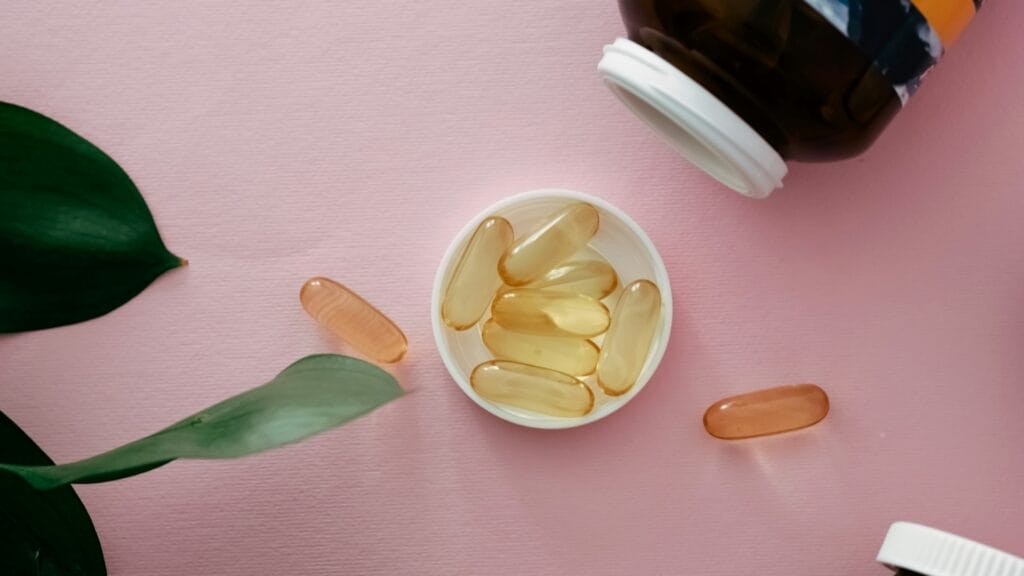
- Omega-3 (EPA/DHA) — anti-inflammatory support — Why: reduces scalp inflammation and supports circulation. Dose: 1,000–2,000 mg combined EPA/DHA. Price: $12–$30. My take: scalp redness reduced and hair looked fuller after 12 weeks.
- Viviscal-style nutraceutical (marine complex + vitamins) — Why: specific ingredient blends have more clinical studies. Price: $45–$70 per month. My take: saw new fine hairs at the partline at month 4.
- DHT modulating supplements (saw palmetto, pumpkin seed oil) — Why: for people suspecting androgen-driven thinning. Dose: 320 mg saw palmetto standardized; 1,000 mg pumpkin seed oil. Price: $15–$40. My take: modest benefit when used with a topical protocol; not a standalone fix.
- Vitamin D + K2 — Why: low vitamin D links to hair loss in some studies. Dose: 1,000–5,000 IU depending on bloodwork. Price: $8–$20. My take: improved scalp health and reduced shedding when deficient.
- Amino acid formulas (cysteine, methionine, lysine) — Why: raw building blocks for keratin. Price: $25–$60. My take: increased density sensation and less breakage when paired with collagen.
After trying these, the combination that moved the needle most for me was marine collagen, a modest biotin-containing multivitamin, and omega-3s. Your combination may differ based on labs and whether you’re male, female, peri-menopausal, or using prescription topicals.
How I vetted brands and read labels (so you don’t waste money)
I shop in New York and L.A., but I also check nationwide chains and Amazon listings. I look for third-party testing seals (USP, NSF, ConsumerLab) and avoid proprietary blends that hide doses.
Key label items:
- Exact doses for active ingredients (not just “proprietary blend”).
- Third-party testing seal or COA available online.
- Clear allergen statements and country of manufacture.
- Transparent return policies—helpful if you’re in the U.S. and need a refund after 2 months.
Real price examples (U.S. street pricing)
| Product type | Typical monthly price (USD) | Who I’d recommend it for |
|---|---|---|
| Biotin & Multi-combo | $9–$25 | Early thinning, brittle hair |
| Marine Collagen | $25–$40 | Texture and shine focus |
| Omega-3 EPA/DHA | $12–$30 | Scalp inflammation, general health |
| Clinically-studied nutraceuticals | $45–$70 | Pattern thinning with budget |
How to choose hair growth supplements: labs, timing, and safety
Before you buy, I recommend a simple blood panel: ferritin, TSH, free T4, vitamin D, and a basic metabolic panel. In the U.S., most clinics in cities like Seattle, Miami, or Austin offer these tests for $80–$200 or you can use a telehealth lab order.
Start one supplement at a time so you can track changes and side effects. Give each one at least 3 months. Hair cycles are slow—new growth shows up weeks to months later.
Safety notes: high-dose biotin can interfere with lab tests. Speak to your doctor if you’re pregnant, nursing, or on blood thinners (fish oil and vitamin K can interact). For clinical advice see the American Academy of Dermatology (https://www.aad.org/public/diseases/hair-loss) and the NIH Office of Dietary Supplements (https://ods.od.nih.gov) for evidence summaries.
Red flags on supplement labels
- Claims of “cures” or “miracle regrowth” within 2–4 weeks.
- Proprietary blends without ingredient amounts.
- No contact info or vague company HQ.

Practical routines: how I stacked supplements with topical treatments
I combined my oral stack with a once-daily topical minoxidil and weekly red light cap sessions in month 3. It’s worth acknowledging: consistency matters more than the brand name.
If you want a quick reference, pair a basic multivitamin + collagen + omega-3 for general thinning. If labs show low ferritin or vitamin D, treat those first; they often yield the biggest returns.
I wrote an easy complement to this article on scalp serums; pairing a targeted scalp serum can speed visible results by improving delivery to follicles. I embedded what I liked in that post after trying several serums in U.S. markets.
Timing and expectations
- 3 months: early reduction in breakage and softer hair.
- 4–6 months: visible baby hairs and fuller partline for many users.
- 6–12 months: measurable density improvement when combined with topicals or medical treatments.
Common myths I had to unlearn while testing supplements
Myth: Higher dose = faster regrowth. Reality: sometimes higher doses mean more side effects and no extra benefit.
Myth: Natural always means safe. Reality: herbal DHT blockers like saw palmetto can affect hormones; check with your clinician.
Myth: You must spend $100+ per month. Reality: a smart $30 stack can outperform an overpriced trendy product if the ingredients and doses are right.
Who benefits most in the U.S. market
Women with telogen effluvium after childbirth or stress, people with dietary gaps (vegans low in B12/iron), and early pattern thinning folks who pair supplements with topicals see the most consistent wins. Men with established androgenic alopecia often need prescription therapy in addition to supplements.
Shopping tips: where I bought them, and how I saved money
I bought across Amazon, Target, CVS, and brand sites. For U.S. shoppers, subscribe-and-save often drops monthly costs by 10–20%. Look for first-time discounts and check patient-assistance or coupon codes on brand newsletters.
If you prefer in-person shopping, ask a pharmacist at Walgreens or CVS about interactions with prescriptions. I did this once after starting a higher-dose fish oil—helpful and quick.
When to see a clinician
If you notice rapid shedding (>100 hairs/day), sudden bald patches, scalp pain, or systemic symptoms like fatigue, see a dermatologist. Labs can catch thyroid disease, autoimmune markers, and iron problems that need medical treatment rather than supplements.
Side effects, interactions, and the one lab you should check early
Side effects are usually mild—GI upset from fish oil, acne from high-dose biotin in some people, or allergic reactions to marine collagen. The one lab I recommend early is ferritin; many people are surprised by how much fixing ferritin helps.
Be cautious with blood-thinning medications and vitamin K supplements. If you take hormonal birth control or hair-loss meds, coordinate with your prescriber.
My quick checklist before buying
- Check lab values (ferritin, vitamin D) if possible.
- Prioritize third-party tested brands.
- Start one product at a time and journal changes.
- Budget for a 3–6 month trial; hair cycles are slow.
Final thoughts—what I’d try first, and my no-nonsense recommendation
If I had to recommend one practical starter stack for most U.S. readers it would be: a reputable multivitamin with 2,500 mcg biotin, marine collagen (5 g/day), and an omega-3 supplement with combined EPA/DHA at 1,000 mg. Expect to give it 3–6 months before judging. Pair this with topical practices and selective lab testing.
I publish hair and scalp content at Beaute Cosmetic | Expert Beauty, Skincare & Makeup Advice and I come at recommendations as a pragmatic consumer who tests products in real life—New York subway hair days and all. These picks balance evidence, cost, and real-world tolerability for median U.S. shoppers.
If you want a deeper comparison of prescription options and device-based therapies, I have hands-on reviews that explore how oral supplements fit into a broader routine.
Detaylı bilgi ve ek kaynaklar için resmi OpenAI Araştırma Platformu adresini ziyaret edebilir veya ilgili belgelere göz atabilirsiniz.
Sıkça Sorulan Sorular
Do hair growth supplements really work?
They can help when thinning is linked to nutrient gaps, inflammation, or lifestyle factors. Expect gradual results over 3–6 months. For genetic or autoimmune hair loss, supplements are rarely enough on their own.
Which ingredient should I prioritize first?
Check ferritin and vitamin D first. If ferritin is low, correcting iron often gives the biggest early return. Otherwise, start with a quality multivitamin plus omega-3s or collagen.
Can men and women take the same hair growth supplements?
Many supplements are safe for both sexes, but men with pattern hair loss may need DHT-targeted treatments. Women of childbearing age should consult on iron and high-dose vitamin A.
How long before I see results from supplements?
Typically 3 months for less breakage and texture changes; 4–6 months to see new baby hairs. Full density changes take 6–12 months when combined with other therapies.
Are there risks with taking biotin or collagen?
Biotin can interfere with certain lab tests, and high doses may cause acne in some people. Marine collagen is generally safe unless you have fish or shellfish allergies.
After testing a dozen products and tracking results in real settings across U.S. cities, my pragmatic verdict is this: hair growth supplements are worth a try if you suspect nutrient gaps or early thinning. Start small, run labs, and pick third-party tested brands. If you want a single starter approach: a mid-priced multivitamin with biotin, marine collagen, and omega-3s is a sensible, affordable experiment for most people.
Be realistic about timelines and pair oral nutrition with scalp care and, if needed, topical or medical treatments. For more on complementary topical options, check the scalp serum guide I mentioned earlier at Beaute Cosmetic. Try patiently and track progress—your future self will thank you.
- Hair growth supplements ile ilgili son gelişmeler, kullanıcı deneyimlerini olumlu yönde etkilemektedir.
- Uzmanlar, hair growth supplements kullanımında bu rehberde belirtilen adımların takip edilmesini önermektedir.
- Gelecek güncellemelerle birlikte hair growth supplements alanındaki yeniliklerin daha da genişlemesi bekleniyor.
In summary, to achieve success in the field of hair growth supplements 2026, it is necessary to follow current developments and shape strategies accordingly. You can share your experiences or questions about hair growth supplements 2026 in the comments section.